REVIEW · PRAGUE
Prague: Modern Architecture and Design Guided Tour
Book on GetYourGuide →Operated by DH Travel s.r.o. · Bookable on GetYourGuide
Prague has a modern face, too. This 2-hour guided walk strings together ten design stops, so you see how the city grew past the postcard look. I especially like the way it reframes Prague as a living place of ideas and experiments, not just a museum.
socialist-era design is part of that story, and you’ll get the reasoning behind it.
My second big win is the guiding style: clear explanations plus extra tips that help you keep exploring after the tour. In feedback about a guide named Michael, people loved how he explained installations and the artists behind them, including pieces you might otherwise miss while sightseeing.
One thing to consider: this is more personal storytelling than a strict, step-by-step survey of architectural styles. If you want a neat checklist of movements in a perfect order, you may find the flow a bit more freeform than expected.
In This Review
- Key takeaways before you go
- Why Prague’s Modern Architecture Works Better Than You Think
- What You’ll See: Ten Stops Across Socialist, Concrete, and Experimental Prague
- Socialist realism: when buildings carry messages
- Brutalism: when materials are the point
- Experimental installations: when art behaves like architecture
- Iconic modern landmarks: Prague’s everyday “future”
- Your Guide Matters: Small, Friendly, and Question-Friendly
- Stop-by-Stop: What to Watch For on Each Kind of Modern Prague Moment
- When you hit socialist-era design
- When brutalism shows up
- When you reach experimental installations
- When modern landmarks wrap it up
- Price and Value: Is $35 for 2 Hours a Smart Deal?
- Practical Tips So You Don’t Miss the Point
- Who Should Book This Prague Modern Architecture Tour?
- Should You Book It? My Advice
- FAQ
- FAQ
- How long is the Prague Modern Architecture and Design Guided Tour?
- How much does the tour cost?
- What languages are offered?
- What’s included in the price?
- Are food and drinks included?
- How many points of interest does the tour cover?
- Is the tour wheelchair accessible?
- Is free cancellation available, and can I pay later?
Key takeaways before you go
- Ten points in two hours: fast pace, but each stop has a design idea to connect back to.
- Modern identity, not just old stones: the tour builds a case for Prague as a 20th-and-21st-century design city.
- Socialist realism to brutalism: you’ll see how politics and materials shaped the look of everyday spaces.
- Experimental installations: you get help noticing art that plays with public space and perception.
- A small-group feel: it can run intimate, even close to private depending on who books.
- Story-driven guidance: some stops won’t be the prettiest facades, but they come with reasons.
Why Prague’s Modern Architecture Works Better Than You Think
Most people arrive in Prague braced for spires, golden bridges, and that classic historic glow. This tour nudges you in a different direction on purpose. It asks a simple question: what happens when a city turns into a design lab, still learning in public?
In two hours, you’re not just collecting photos. You’re building context. Prague’s “modern identity” isn’t an add-on. It’s part of how people lived through the 20th century and then rethought public life in the 21st. When the tour talks about socialist realism and brutalism, it’s not doing style trivia. It’s showing you how design choices carried cultural pressure, practical needs, and an idea of what a good city should be.
I also like that this tour treats modern architecture as something you can understand, not just something you must admire. You’ll hear design principles and cultural influences that shaped Prague’s architectural landscape. That means you can look at a concrete facade or an odd public installation and know what to ask: Why here? Why this material? Why that scale? Once you learn the questions, the city answers them as you walk.
Still, keep one expectation in check. This tour can be personal and story-led instead of ultra-systematic. That’s often a plus (you’ll get specific explanations and Q&A), but if you’re hunting for a textbook-style style-by-style lecture, you might be slightly less satisfied.
You can also read our reviews of more tours and experiences in Prague.

What You’ll See: Ten Stops Across Socialist, Concrete, and Experimental Prague
The core promise is straightforward: you’ll hit ten points of interest and uncover how Prague evolved through modern urban design. The tour is built around a timeline of influence, from 20th-century political aesthetics to more experimental approaches that blend art and the city.
Here’s how to think about the kinds of stops you’ll encounter:
Socialist realism: when buildings carry messages
Socialist realism is about more than decorative form. It’s a design language tied to ideology: buildings were expected to communicate power, unity, and a clear vision of society. On a stop like this, you’ll want to look for strong geometry, “message-like” proportions, and a sense that the facade is doing public work. Even if a building doesn’t look pretty by today’s standards, the reason behind it can click quickly once your guide connects the visual choices to cultural goals.
A practical tip: if you can, look at the building as both a front-facing statement and a lived-in space. Socialist-era design often feels like it was meant to be seen at a distance and interpreted instantly. Your guide’s explanations help you read it like a document, not just a photo background.
Brutalism: when materials are the point
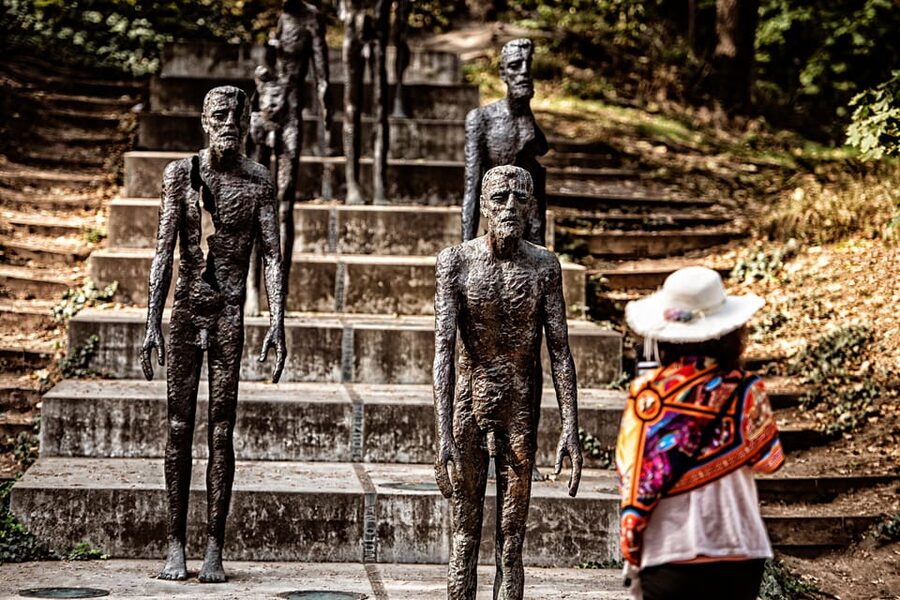
Brutalism gets a reputation, often from outsiders who see only the raw surfaces. This tour doesn’t ask you to “like” it on sight. It helps you understand why it spread: materials, cost, speed of construction, and an honest approach to structure.
On brutalist-style stops, pay attention to how the building uses shape and mass. Concrete isn’t just texture here; it’s the voice. Your guide’s take on design principles should help you notice patterns: repeated modules, structural rhythm, and how the building handles light and shadow. The fun is that brutalism can feel severe until you start seeing the care in its layout.
One caution that matches real feedback: some stops may not be the most beautiful architecture in Prague. The tradeoff is that the stories can be the real value.
Experimental installations: when art behaves like architecture
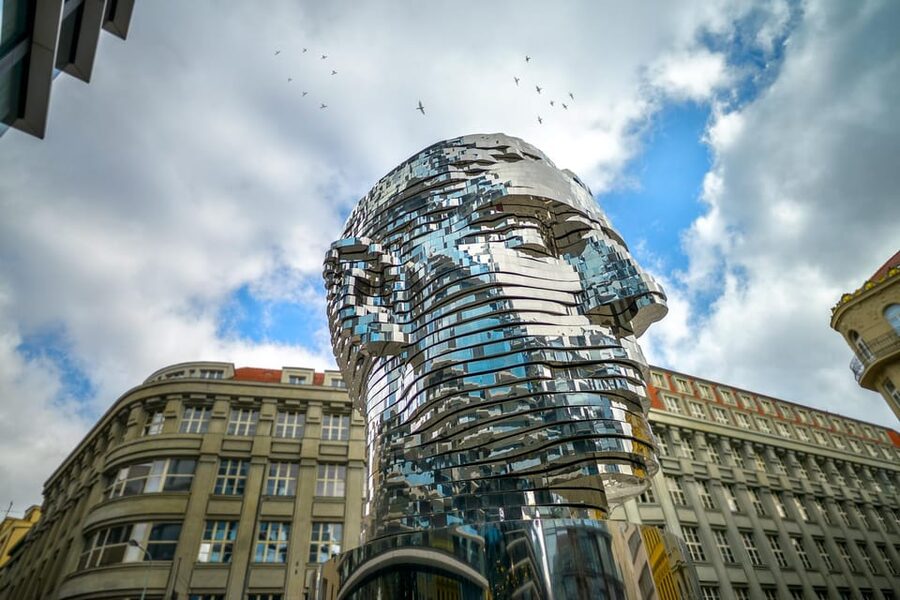
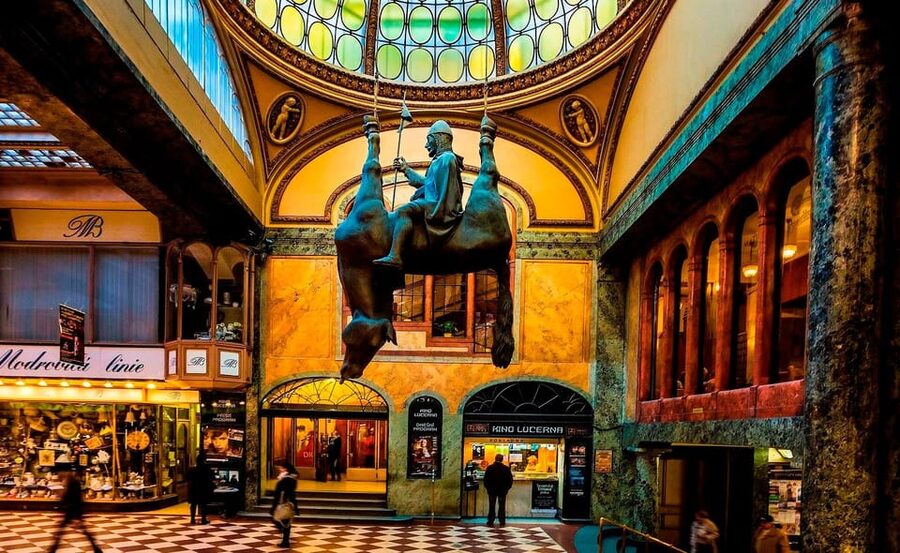
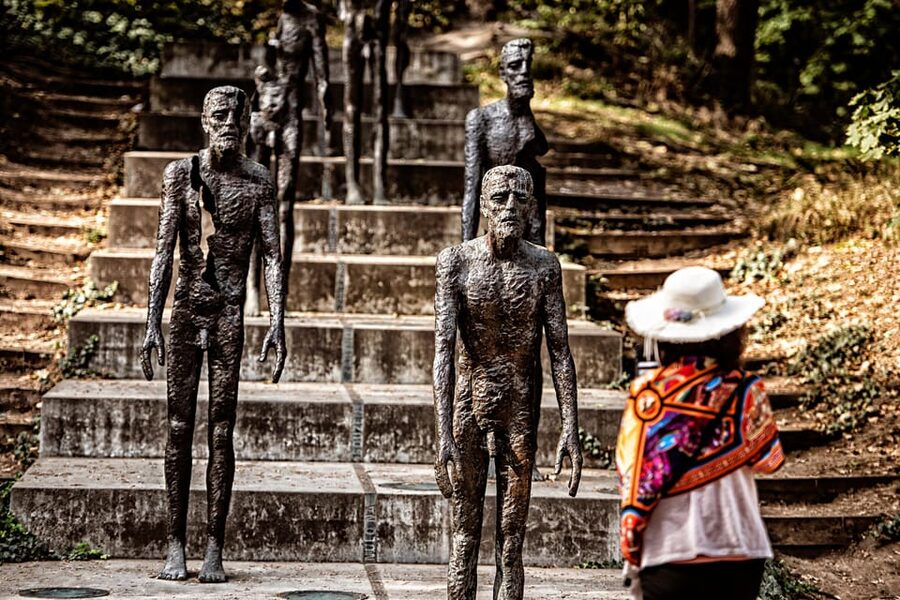
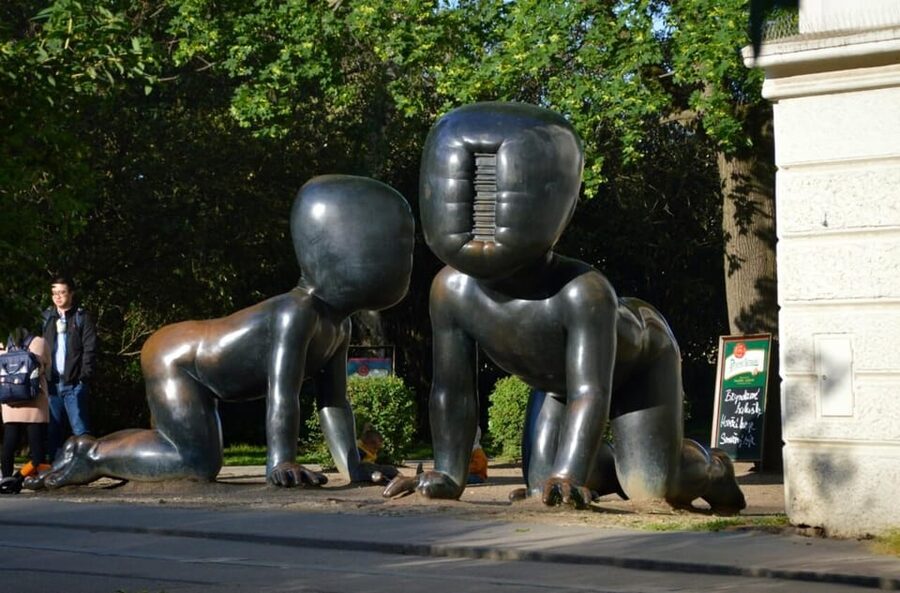
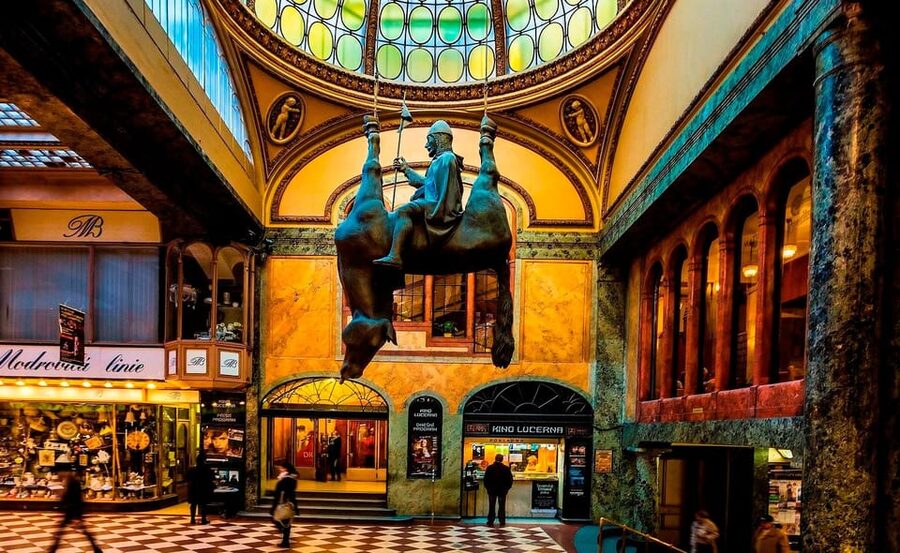
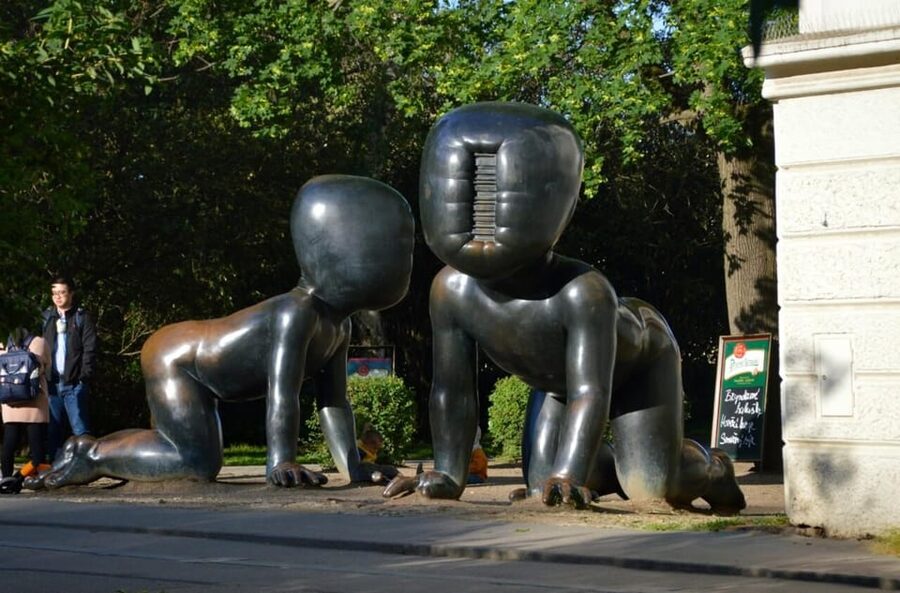
The tour also includes experimental installations, which is where things often get surprisingly fun. These are the stops that teach you a different kind of “modern reading.” Instead of focusing on a single building style, you learn how artists use space—maybe through scale, placement, or the way the piece changes as people move around it.
If you’re an art-curious person, this is often the highlight. In the feedback you provided, a key praise was how participants spotted installations they likely would have missed on their own, with explanations about the artists involved. That’s a big deal: these works can be visually subtle until someone gives you the right lens.
A good way to approach these stops is to slow down, stand back, then walk closer. Installations often reveal their point at different distances. If you only take a quick glance, you’ll miss the idea your guide is trying to make click.

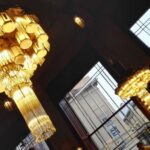
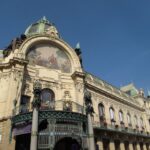
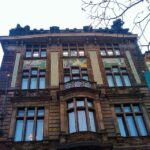
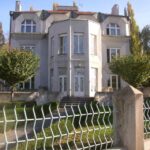
Iconic modern landmarks: Prague’s everyday “future”
Finally, the tour aims to show iconic landmarks that shape Prague’s modern identity. These stops act like anchor points: you connect the earlier lessons (politics, material choices, experiments) to what Prague looks like now, and how modern design became part of daily life rather than a temporary trend.
You’ll get a feel for the city’s evolution over time—especially the shift from 20th-century planning mindsets to 21st-century experimentation. That’s a valuable viewpoint if you’re the kind of traveler who likes to understand how a place thinks, not just how it looks.
Your Guide Matters: Small, Friendly, and Question-Friendly
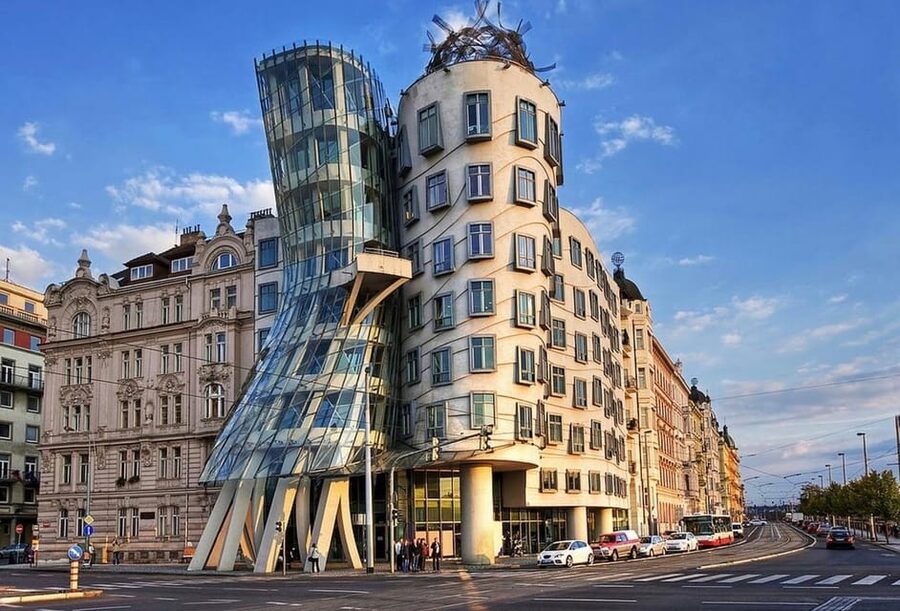
A guided architecture tour lives or dies by the guide. Here, the tone is personal and explanatory, which fits the subject well.
English is the working language, and one of the most praised elements in your notes is the feeling of intimacy. There’s an example where the experience ran like a private tour because the group was tiny, with just the guide and a couple of participants. Even when it isn’t that small, the structure still aims for real interaction, not a lecture where you’re always one step behind.
One name that shows up is Michael. In the feedback you shared, he was described as friendly and available for questions after the tour. People also appreciated that the stops weren’t always chosen for maximum prettiness. Instead, the buildings had interesting stories behind them—exactly what you want when you’re learning to read modern Prague.
Also worth noting: this isn’t positioned as a systematic, step-by-step review of architectural styles. One person specifically pointed out that the tour wasn’t the expected formal breakdown. And yet they still felt it was worthwhile because it was personal, informative, and helped them notice things they’d otherwise overlook.
So if you like guides who explain the why and let you ask questions, you’re likely to enjoy this. If you want a strict academic format, go in expecting a more human delivery.
Stop-by-Stop: What to Watch For on Each Kind of Modern Prague Moment
You’ll cover ten points, but instead of pretending every stop is identical, I’d treat them as variations on a few big themes. That way, you can mentally “label” what you’re seeing as you walk.
When you hit socialist-era design
Expect commentary on cultural influences and design principles tied to the era. Your job as the observer is to look for clarity: strong forms, deliberate composition, and the feeling that the building had a role in shaping public life. If you can connect the visual choices to the social goals, the stop clicks fast.
Possible drawback: if you’re only in Prague for romantic rooftops, this part may feel less charming at first. But it’s also the part that explains why other modern buildings feel the way they do.
When brutalism shows up
Watch how the building handles structure. Brutalism often uses bold massing and repeated patterns. The best question to ask yourself (and ask your guide) is: what is the building trying to be—monument, utility, or both? Once you see structure as the “decoration,” it becomes less about roughness and more about logic.
Possible drawback: brutalist stops can look blunt in photos. The tour helps by giving context for why those shapes matter in person—especially lighting and shadow.
When you reach experimental installations
Expect discussion about artists and how their work interacts with space. The “assignment” here is to look for behavior, not only appearance. Does the installation change how you walk? Does it frame your view? Does it interrupt your normal rhythm in the street?
This is often where the tour earns extra praise. Installations aren’t always easy to spot without someone pointing them out, and the guide’s explanations can turn a quick glance into a real moment.
When modern landmarks wrap it up
Near the end, your understanding should feel less fragmented. You should start seeing patterns: how Prague kept adapting rather than resetting. The tour is built to show the evolution of urban living across the 20th and 21st centuries, and these stops help you connect the dots.
Possible drawback: if your photos are already full and you’re tired, the final segments may feel like a quick recap. Pace yourself—take a photo, then turn your focus back to the explanation.
Price and Value: Is $35 for 2 Hours a Smart Deal?
At $35 per person for a 2-hour guided experience that includes a live guide and ten points of interest, the price is about value-per-minute, not value-per-square-meter. You’re paying for interpretation: someone else is doing the hard work of turning buildings into understandable ideas.
Here’s what makes the value reasonable:
- Live guide: the cost isn’t just for walking time; it’s for context at each stop.
- Ten points: you’re getting multiple guided moments, which increases your learning per hour.
- English language: no need to guess, translate, or lose meaning mid-walk.
- Modern architecture focus: it’s a less common angle than the standard historic circuit, so your “new” information load stays high.
What could reduce value for some people is time and energy. Two hours is enough to learn a lot, but it’s also long enough that tired feet can start stealing your attention. Also, food and drinks aren’t included. If you’re hungry, you’ll feel it, and that can shrink how much you absorb.
If you treat it like a planned learning block—comfortable shoes, water, and a snack plan—you’ll likely feel like $35 bought you more than a route. It bought you a way of seeing.
Practical Tips So You Don’t Miss the Point
This tour is built around walking and reading the city with a new lens. A few simple moves help you get more out of every stop:
- Wear comfortable shoes and expect uneven pavement. Prague street surfaces vary, and two hours of architecture talk still happens outdoors.
- Bring a camera, but don’t let photography steal the explanations. Take one or two good shots per stop, then listen.
- If you’re the type who likes follow-up, jot down a question while you’re at a stop. A friendly guide who stays available for questions after the tour can make that payoff real.
- Since the tour includes modern architecture from socialist realism to brutalism and experimental installations, keep an open mind about beauty. Some of the most educational stops can be the ones you wouldn’t “pick” as your personal favorites.
Finally, go in ready to connect eras. The whole point is evolution over time—how cultural influences shaped what got built, what got repeated, and what people later chose to experiment with.
Who Should Book This Prague Modern Architecture Tour?
This is a great match if you’re any of the following:
- You’re curious about modern urban development, not only medieval Prague.
- You like design principles and want help reading buildings as cultural evidence.
- You enjoy art and installations and want someone to explain the artist side, not just the object.
- You prefer tours where you can ask questions and get personal attention—especially since the experience can feel intimate when the group is small.
It’s less ideal if you only want classic postcard sights, or if you’re looking for a formal, systematic style-by-style lecture with a strict structure every time. This tour is story-driven and human in its delivery, and that’s usually a strength, but it isn’t the same thing as a textbook.
Should You Book It? My Advice
Book it if you want a fresh angle on Prague within a tight time window. You’ll come away with more than photos: you’ll understand why socialist-era design, brutalist material choices, and experimental installations belong in the same conversation about how the city works.
Don’t book it if you’re only satisfied by the most romantic architecture and you’re hoping this tour will replace the historic core. Think of this tour as a smart complement. Pair it with time around the Old Town and you’ll get the full story: where the city came from and how it kept inventing itself.
If you do book, I’d go with the right mindset: not everything will look pretty to you right away, but the guide’s explanations can make even plain facades feel meaningful.
FAQ
FAQ
How long is the Prague Modern Architecture and Design Guided Tour?
The tour lasts 2 hours.
How much does the tour cost?
It costs $35 per person.
What languages are offered?
The live guide speaks English.
What’s included in the price?
A live tour guide is included.
Are food and drinks included?
No. Food and drinks are not included.
How many points of interest does the tour cover?
The tour includes visits to 10 points of interest.
Is the tour wheelchair accessible?
Yes, it is wheelchair accessible.
Is free cancellation available, and can I pay later?
You can cancel up to 24 hours in advance for a full refund. You can also reserve now and pay later, so you don’t need to pay immediately.