REVIEW · LONDON
London: Architecture Tour of Benjamin Franklin House
Book on GetYourGuide →Operated by Benjamin Franklin House · Bookable on GetYourGuide
Benjamin Franklin’s London house is still here. This is a hands-on architecture + biography tour inside one of the city’s most intact townhouse survivals, tied to Franklin’s 16-year stay and the building’s careful conservation. I love that you get architectural clues you can actually see, not just a lecture, and I also love the way the guide connects rooms to Franklin’s choices, like who he met and what he experimented with. One thing to consider: the five-storey townhouse has uneven, sloping floors and no wheelchair access, so it’s not the easiest building to navigate.
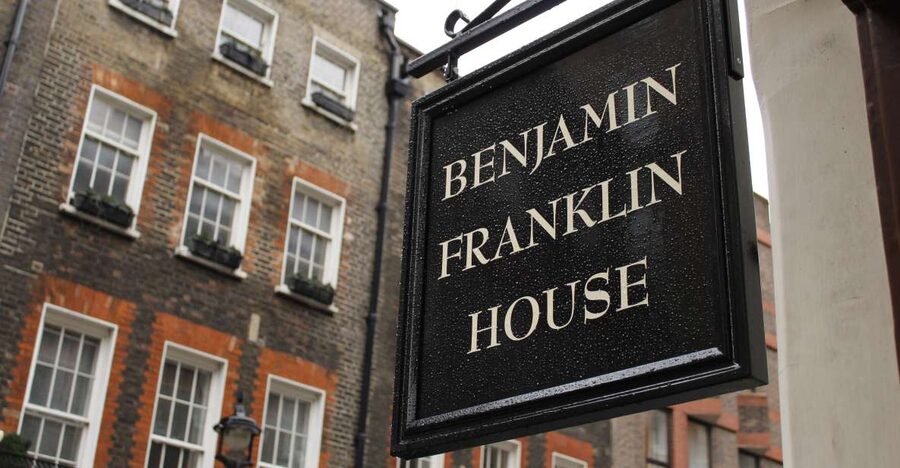
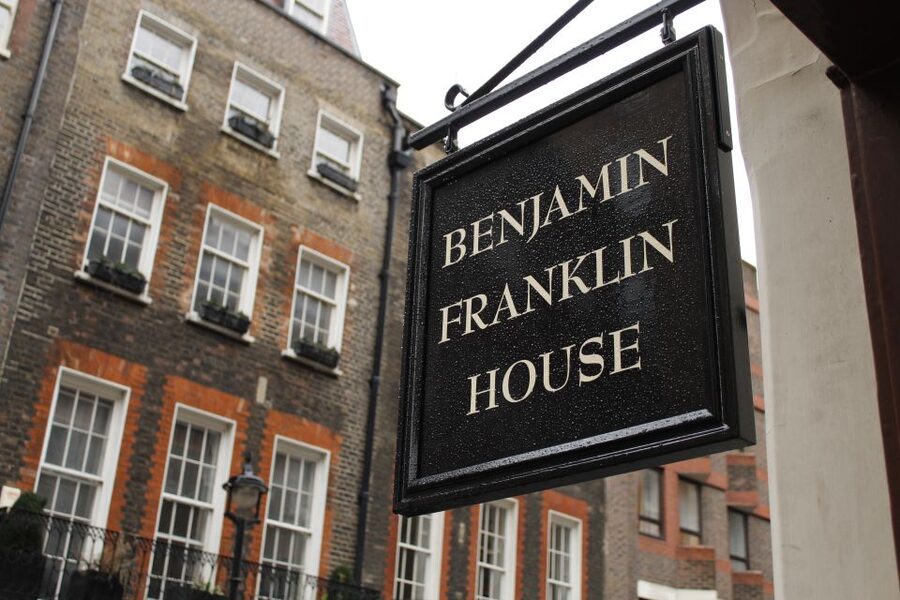
You’ll start at a simple door—knock on 36 Craven Street below the Benjamin Franklin House sign—and then step into a home that spans centuries of change, from the 1730s through the modern conservation project that let the house open in 2006. Highlights for me include the Grade I-listed original Georgian and Victorian features, plus the tour’s quirky, memorable stops like the Craven Street Bones story and the chance to try Franklin’s glass harmonica. A practical note: the tour is about an hour, but it packs in a lot of stairs and shifting levels, so wear shoes you trust.
If you like real buildings with real weird details, this one delivers. You’ll get an easy-to-follow route through Franklin’s rented rooms, Margaret Stevenson’s parlour, and the glass instrument room—then you can stick around to ask questions and snap photos in most areas. The only drawback is the physical layout: stairs between floors, sloping surfaces, and restrooms in the basement.
In This Review
- Key things I’d pay attention to
- Why Benjamin Franklin House feels different from a museum
- Meeting up at 36 Craven Street and getting oriented
- The 1730s-to-2006 story: architecture that survived by being cared for
- Kitchen time: Georgian food ideas you can picture
- Upstairs with Margaret Stevenson: power, rent, and the people in the room
- Franklin’s Parlour: experiments, politics, and an eccentric streak
- Craven Street Bones: the anatomy school story that changes how you see the neighborhood
- The glass armonica Room: playing Franklin’s instrument
- What the hour-long pacing really feels like
- Guides: where the experience becomes lively
- Price and value: why $16 often feels fair
- Practical do’s and don’ts inside the house
- Should you book this architecture tour?
- FAQ
- FAQ
- How long is the Benjamin Franklin House architecture tour?
- What is included with the ticket price?
- Is the tour in English?
- Can I take photos during the tour?
- Is there wheelchair access to Benjamin Franklin House?
- Are children allowed for free?
Key things I’d pay attention to
- Grade I townhouse details: original Georgian and Victorian features you can spot room by room
- Craven Street Bones + Anatomy school: surgeon Hewson’s anatomy teaching story in context
- Margaret Stevenson’s parlour: who Franklin met, and how the Stevenson family ties worked
- Franklin’s Parlour for 16 years: experiments, politics, and personality in the room he rented
- Glass armonica Room: you can try the instrument and hear how Franklin’s world sounded
Why Benjamin Franklin House feels different from a museum
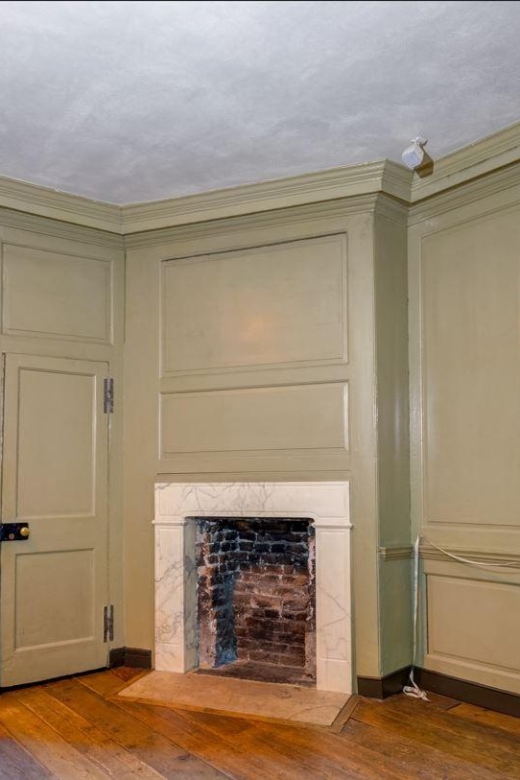
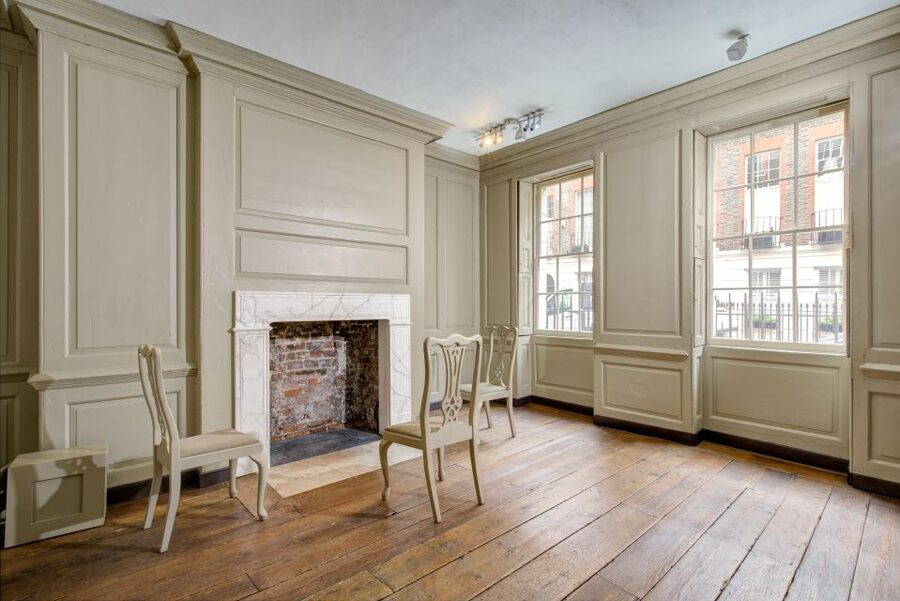
Most London history spots tell you what happened. This one shows you where it happened—and it does it in a townhouse that still behaves like a townhouse. You’re in a five-storey property with a staircase between each floor, and the floors/stairs are uneven and sloping. That sounds like a warning, but it’s also the point: you’re not touring a flattened set. You’re in a lived-in style of space, where the building’s original character matters.
The tour is also built around something rare in architecture tours: you’re learning building history and Franklin history at the same time. The guide doesn’t treat the house like a neutral backdrop. Franklin’s time in London, and the house’s later conservation, become part of the same story.
And for value, it’s hard to beat. It costs $16 per person for entry plus about an hour of guided time. Children under 12 enter free, and carers are admitted free of charge as well.
You can also read our reviews of more tours and experiences in London.
Meeting up at 36 Craven Street and getting oriented
Your first task is easy: knock on the door at 36 Craven Street, just below the Benjamin Franklin House sign. That sets the tone. You’re not chasing a big entrance hall or a maze of ticket desks. You’re finding a real townhouse doorway.
Once you’re inside, the guide starts tying the architecture to Franklin. The key thing I’d tell you is to watch your feet early. The building’s layout is part of the experience, but uneven, sloping stairs can slow you down. Handrails are on all staircases, and there’s visitor seating in all the historic rooms—so if you need short breaks, you’ll have places to sit.
Photos are encouraged. Flash photography is not allowed, but normal camera use is fine. And there’s time at the end for questions, so if you’re the type who asks How does this building connect to that? this tour rewards that habit.
The 1730s-to-2006 story: architecture that survived by being cared for
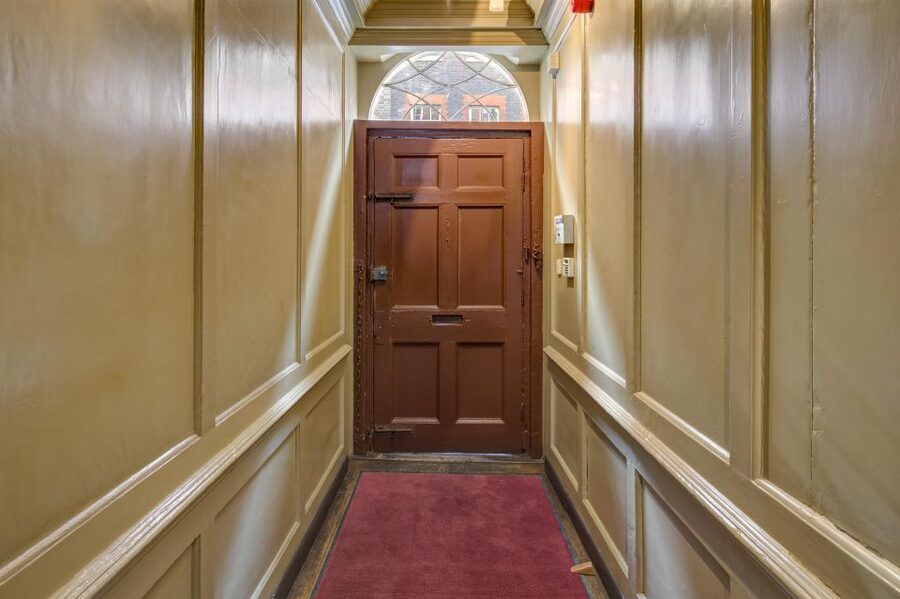
The tour frames the house across eras. You’ll hear about the building’s early life in the 1730s, then what changed over time, and then why the modern conservation project mattered. The house opened to visitors in 2006, and that’s not trivia. Conservation is the reason you can walk through a Grade I-listed townhouse and still feel its historical shape.
This is a Grade I listed property, so original Georgian and Victorian details aren’t treated like decoration. They’re protected features. When a guide points out what’s original versus what was restored or adapted, you start noticing how much effort goes into keeping old buildings both safe and honest-looking.
If you care about authenticity, pay attention to the contrast: Franklin’s era in the 18th century is right there, but the conservation era is also visible in how the site works for visitors today (seating in historic rooms, guided access through the spaces that can be safely toured, and photo-friendly points).
Kitchen time: Georgian food ideas you can picture
One of the more fun ways the tour teaches is through food. You’ll explore the kitchen and learn about Georgian food, then connect it to Franklin’s thinking about what people in London ate. It’s a small stop, but it’s a strong one because it turns a famous thinker into a practical person.
This is where architecture tours can go wrong. They get too abstract. Here, the guide uses the house’s specific room function—the kitchen, with its place in everyday life—to bring Franklin’s London experience down to something you can almost smell.
It also helps you understand why Franklin came to London in the first place. The tour doesn’t isolate him as a statue. It treats his presence as purposeful and human, tied to the life around him.
Upstairs with Margaret Stevenson: power, rent, and the people in the room
Next you head upstairs and learn about Margaret Stevenson, the wealthy widow from whom Franklin rented. In her parlour, you’ll hear about influential guests Franklin met and discussed current affairs with, plus how Franklin’s relationships worked between the Stevenson family and his own circle.
This portion matters because it explains the house as a social machine. In that era, rooms weren’t just pretty. They were the stage for negotiation, conversation, and influence. The architecture supports that idea: parlours were meant for receiving and talking, and the tour uses that logic to help you picture Franklin moving through London life.
Pay attention to how the guide links the personal and political. Franklin wasn’t only doing experiments. He was also taking in information, comparing ideas, and building relationships that would matter later. Even if you’re not a history superfan, that connection makes the house feel less like a stop and more like a snapshot of a turning point.
Franklin’s Parlour: experiments, politics, and an eccentric streak
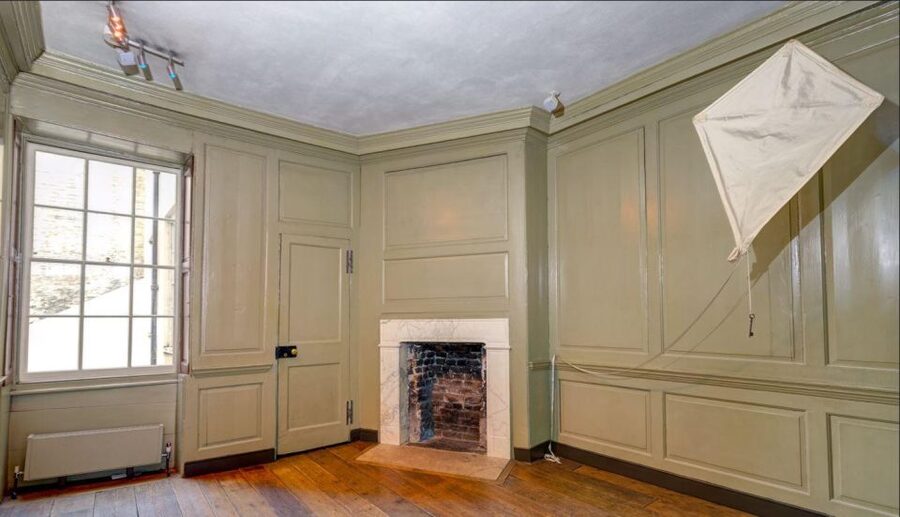
One of the biggest draws is the floor Franklin rented for 16 years—his Parlour. Here the tour slows down and gets into Franklin as a working person: his experiments, political beliefs and actions, and his eccentric personality.
This is the part where an architectural tour can become just another biography walk. The difference here is that the biography is anchored to a real space Franklin used. That makes the information stick. You’re not hearing facts in the abstract—you’re hearing them in the room they belong to.
The guide also covers Franklin’s departure in a very clear way: he left London and the Stevenson family in 1776, when he returned to America to sign the Declaration of Independence, and he never returned to London. That single timeline turn gives the entire tour emotional weight. You’re not just touring a period room; you’re touring the room before a life shift.
Craven Street Bones: the anatomy school story that changes how you see the neighborhood
Then you get to one of the most unique elements of the tour: the Craven Street Bones, linked to surgeon Hewson’s Anatomy school. This is one of those details that makes a building feel connected to a living city.
Why it’s worth your attention: Franklin wasn’t working in a bubble. London had hubs of learning, and anatomy was part of the scientific and medical conversation of the time. When the guide ties Hewson’s anatomy teaching to the Craven Street story, it helps you understand Franklin’s London as a place where ideas were tested, argued, and spread.
Even if anatomy isn’t your thing, the tour uses it smartly. It’s not random trivia. It’s a lens on why a thinker like Franklin would care about the scientific world around him.
The glass armonica Room: playing Franklin’s instrument
The final stop is the Glass Armonica Room, and yes—you get to try it. Guests are invited to play a tune on Franklin’s instrument, so you leave with a small, memorable moment that’s not just a photo.
This is a rare ending for architecture tours, which often end with one last hallway and a quick goodbye. Here, the building’s history becomes sound. And sound is a powerful way to remember a place, especially a place tied to a person known for experiments and curiosity.
If you’re worried you won’t be good at it, don’t. This isn’t about performance. It’s about the experience of touching the same idea Franklin helped popularize: using instruments and science together.
What the hour-long pacing really feels like
The tour lasts about an hour. That’s a sweet spot. It’s long enough to go room to room and hear the building story, but short enough that you’re not trapped for hours in a stair-heavy townhouse.
Still, be honest with yourself about stamina. The layout includes stairs between each floor, and the floors and stairs can be uneven and sloping. Handrails help, and seating exists in historic rooms, but it’s not a “walk at your own slow pace” experience. The guide keeps moving, and you’ll want to keep up if you want the full arc—from Georgian kitchen to glass instrument finale.
Also, your attention span matters. This is a tour where the guide weaves architecture and biography. If you love connections, you’ll eat it up. If you prefer one theme only, you might want to go in ready for a blend.
Guides: where the experience becomes lively
The guides make a difference here, and the energy is clear. I’ve seen firsthand how much enthusiasm matters in small historic houses. For example, Volunteer Ron is described as knowledgeable and enthusiastic, with plenty of Franklin-history detail. Another guide, Brian, is singled out for being very informative with extra context. You can feel the staff leaning into explanation rather than reciting.
That’s what you want in a place like this. A townhouse can be visually quiet. The guide is what brings the rooms to life—especially when you’re hearing why Franklin was there, who he met, and how the house’s features relate to those stories.
Price and value: why $16 often feels fair
At $16 per person, the price is reasonable for London, especially because you’re getting both entry and an about-hour guided tour with time for questions. That combination matters. Entry alone doesn’t always teach you what to look for. A guided hour does.
You’re also getting access to meaningful rooms: the kitchen with Georgian food context, Margaret Stevenson’s parlour, Franklin’s rented parlour, and the glass armonica experience. For families, the value jumps because children under 12 enter free.
If you’re tight on time but want something more than a photo stop, this is one of those offers that can still feel like you did something real with your day.
Practical do’s and don’ts inside the house
A few rules will shape your visit. Pets aren’t allowed (assistance dogs are allowed). Smoking indoors and vaping are not allowed. Drinks aren’t allowed, and flash photography is not allowed. Audio recording is also not allowed. The house rules also prohibit alcohol and drugs.
None of that is surprising for a historic interior, but it matters for planning—keep your phone usage normal, don’t bring a water bottle to sip during the tour, and treat the rules as part of respecting the rooms.
Should you book this architecture tour?
Book it if you want a London experience that mixes architecture details with a real person’s life in the exact rooms they used. It’s a good fit for people who like history with a little personality—experiments, eccentricity, and the social side of the Enlightenment.
Skip it (or at least think hard before booking) if you need full step-free access. The building has no wheelchair access and restrooms are downstairs in the basement with no accessible restroom. Also, if stairs make you nervous, plan for slower movement and use the seating in historic rooms when offered.
If you’re on the fence, here’s an easy decision rule: if you enjoy tours where the guide helps you notice what’s physical—corners, floors, rooms, functions—this one should land well.
FAQ
FAQ
How long is the Benjamin Franklin House architecture tour?
Tours last about an hour.
What is included with the ticket price?
Your ticket includes entry to the House and an hour-long guided tour, with time for questions at the end.
Is the tour in English?
Yes, the live tour guide speaks English.
Can I take photos during the tour?
You’re welcome and encouraged to take photos. Flash photography is not allowed.
Is there wheelchair access to Benjamin Franklin House?
No. The house has uneven, sloping floors and stairs between each floor, and there is no wheelchair access.
Are children allowed for free?
Yes. Children under age 12 enter for free.