
REVIEW · LONDON
London: Modern Architecture & Building Guided Walking Tour
Book on GetYourGuide →Operated by Ridge Trips Ltd · Bookable on GetYourGuide
Modern London, explained on foot. This guided walk gets you up close to Shard-scale icons and connects what you’re seeing to how the city is actually built, with Sam—formerly in construction management—running the show.
I love the tour’s mix of street-level views and real-world context, especially the way it tees up the engineering side and the behind-the-scenes planning. You’ll also get a payoff at the NLA, where free entry lets you take your time with skyline scale models after the walk.
One consideration: you’re viewing from the street. There’s no entry into the towers on the route, and the NLA stop depends on opening hours—Tuesday to Saturday until 17:00—so timing matters.
In This Review
- Key things you’ll notice on this modern architecture walk
- Sugar Quay Jetty to the NLA: a smart route through the City of London
- Sam the guide: construction stories, not just building names
- Stop-by-stop: the skyline icons you’ll see close up
- City Hall (London) and the Square Mile warm-up
- River Thames views: where modern meets the city’s core
- The Shard: the moment the skyline locks in
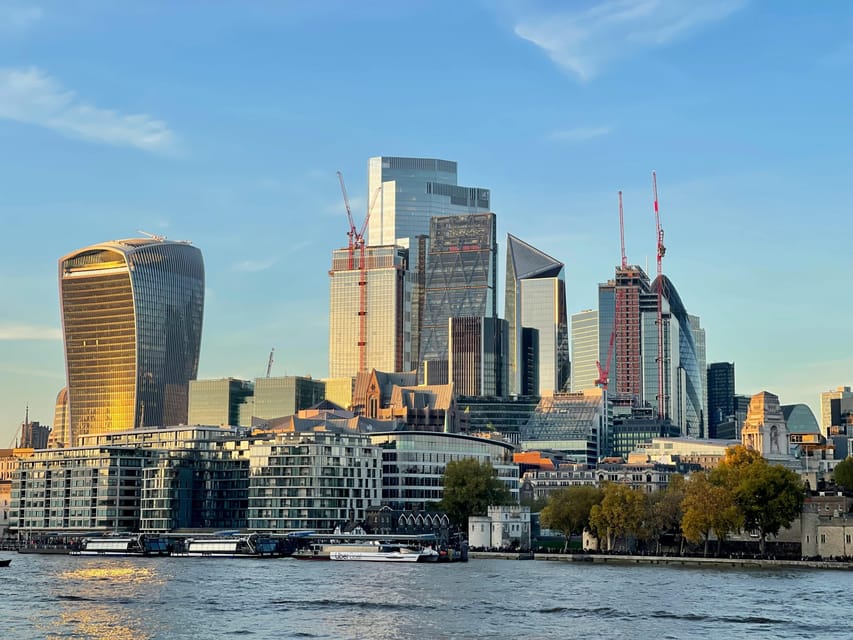
- The Walkie-Talkie (Fenchurch Building): shape you can feel
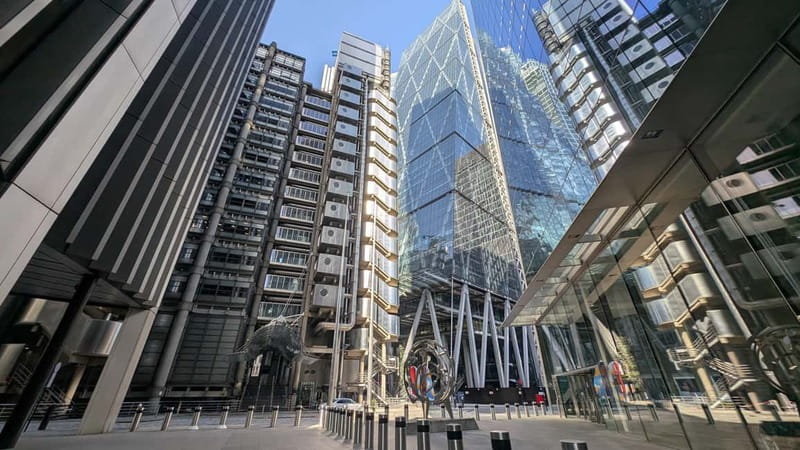
- Lloyd’s of London and Leadenhall Building: modern firms, modern scale
- 30 St Mary Axe (The Gherkin) and 70 St Mary Axe (The Can of Ham)
- Liverpool Street Station and Barbican: modern adjacent, not just downtown towers
- NLA (The London Centre): the scaled-model payoff
- What you’re really learning: engineering beneath the streets and future plans
- Views, timing, and photo strategy for a 2-hour walk
- Price and value: what $52.53 buys you in real terms
- Who should book, and who should skip
- Should you book this modern architecture walking tour?
- FAQ
- How long is the London Modern Architecture and Building Guided Walking Tour?
- Where does the tour start?
- What buildings will you see during the walk?
- Is entry into the buildings included?
- Can I enter the NLA after the walk?
- What should I bring and wear?
Key things you’ll notice on this modern architecture walk
- Start at Sugar Quay Jetty near the Tower of London for fast skyline orientation
- Sam’s construction management lens makes the buildings feel practical, not just pretty
- Close-up landmark sequence through the City of London: Shard, Walkie-Talkie, Gherkin, and more
- NLA scale models help you understand height, spacing, and city planning quickly
- Outside viewing only means great photos, but no interior building access
Sugar Quay Jetty to the NLA: a smart route through the City of London
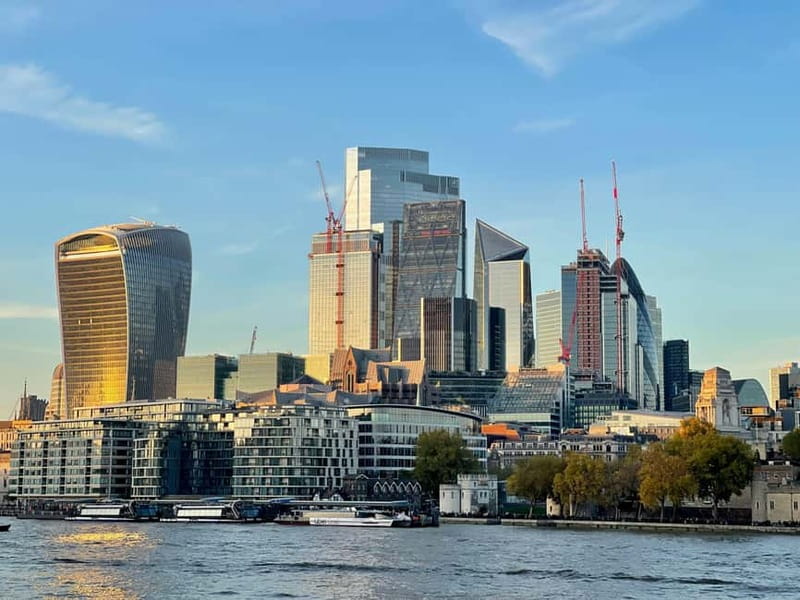
You begin at Sugar Quay Jetty near the Tower of London, which is a nice way to start: you’re already near the river and you can orient yourself fast. From there, the walk heads along the northern side of the Thames toward the Square Mile financial district.
You’ll finish at the NLA (The London Centre). That’s where the tour’s “okay, now I get it” moment lands, because you can browse scale models and read info at your leisure. Plan a little extra time—about 15 to 30 minutes is a good cushion—so you don’t feel rushed.
A small-group setting helps here. You’re not fighting crowds to hear details, and you usually have room to ask questions without feeling like you’re slowing everyone down.
You can also read our reviews of more tours and experiences in London.


Sam the guide: construction stories, not just building names
The star is Sam. He’s an experienced English-speaking guide with a background in construction management across London and Sydney. That matters because the tour doesn’t treat architecture like trivia. It treats it like a live engineering challenge.
You’ll hear fun facts and story-driven explanations as you walk. And you’ll also get answers that can go technical when you want them to—building techniques, planning logic, and how construction thinking changes over time.
In practice, this is the difference between a “look and point” walk and a “see and understand” one. I like that Sam keeps the pace relaxed but still packed with details, so people who aren’t architecture die-hards can stay interested too.
Stop-by-stop: the skyline icons you’ll see close up
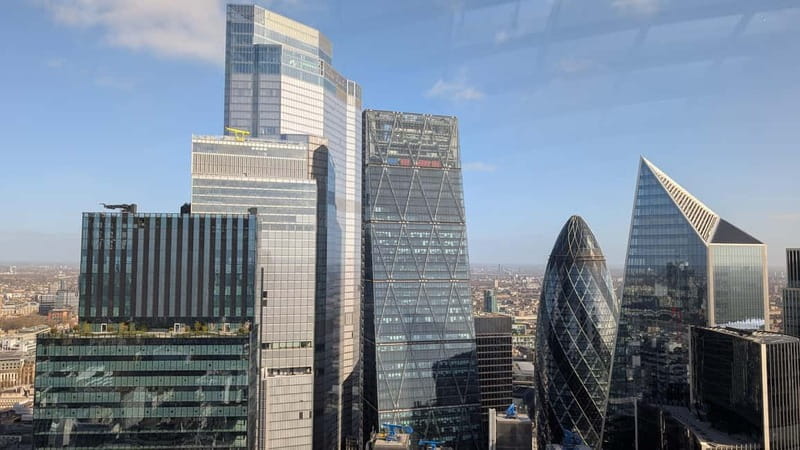
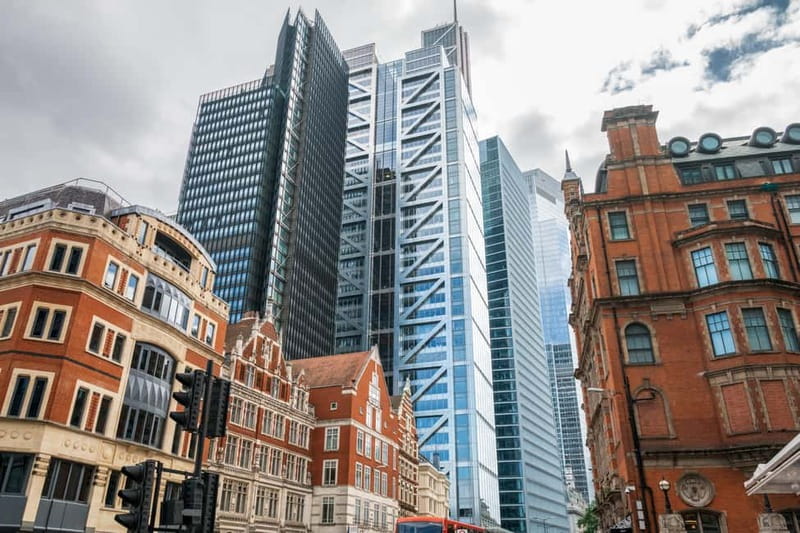
This is a classic modern London lineup, but the value is in how the stops connect to each other. Each building tells you something about materials, shape, and how city needs show up in design.
City Hall (London) and the Square Mile warm-up
Early on, you’ll pause at City Hall. It’s a good setup stop because it puts you in the “modern London governing and finance” zone before you start lining up the famous towers.
From there, you’ll move toward the river. Watching the Thames from street level helps your brain build a mental map. It’s also an easy way to spot the way modern shapes start to define the skyline the moment you’re out in the open.
Practical tip: have your camera ready when you’re near the river. Lighting changes quickly, and you’ll want options for photos of the Shard and surrounding towers later.
River Thames views: where modern meets the city’s core
The river stop isn’t just for scenery. It sets context for how London grew and where major development pressure landed. You get a sense of why the City of London became such a magnet for high-rise design.
You’ll also hear how monumental projects shaped what’s above and beyond what you can see at street level. It’s a quick reminder that London isn’t just built upward—it’s built through layers.


The Shard: the moment the skyline locks in
The Shard is the big headline, and you’ll see it up close. This is the kind of building where perspective does half the job. From the sidewalk, it looks different than it does on a postcard.
The tour’s strength is that the Shard isn’t treated as a standalone object. You’ll get stories and fun facts that help you understand how it fits into the larger cluster of modern towers.
Potential drawback: because the Shard is famous, you may occasionally be around other pedestrians when you stop for views. It’s still easy to hear the guide, but your photo options depend on timing.
The Walkie-Talkie (Fenchurch Building): shape you can feel
Next comes the Walkie-Talkie. From outside, the first impression is its distinctive form. On a guided walk, that impression turns into something more useful—you learn what makes the silhouette work and why it was designed that way.
This stop tends to grab people who normally glaze over during architecture tours. The building’s shape is so odd in a good way that you can’t help but pay attention.
Lloyd’s of London and Leadenhall Building: modern firms, modern scale
Lloyd’s of London is another “you’ve seen it, but not like this” moment. Up close, the building reads as a statement piece tied to the insurance industry’s long shadow in the City.
Then you’ll move on to the Leadenhall Building. The tour keeps the story going by connecting these modern office towers to the city’s ongoing need for space, identity, and high-value commercial real estate.
At this stage, you’ll likely realize something important: modern London architecture isn’t only about aesthetics. It’s about how work gets housed, how plans evolve, and how the skyline becomes a branding tool.
30 St Mary Axe (The Gherkin) and 70 St Mary Axe (The Can of Ham)
Now for two of the most recognizable shapes in London. The Gherkin (30 St Mary Axe) is all about form, and the design has a logic that becomes easier to understand when you’re also seeing neighboring towers.
Then you get 70 St Mary Axe, often nicknamed The Can of Ham. Seeing both on foot makes the contrast obvious. You’re not just learning names—you’re learning how design choices stack up against each other in the same district.
Photo note: both buildings can be dramatic from multiple angles. If you can, pause a beat after the guide finishes one explanation, then take an extra photo while the group shifts position.
Liverpool Street Station and Barbican: modern adjacent, not just downtown towers
You’ll pass through the area around Liverpool Street Station, which is a key reminder that modern architecture in London doesn’t live in a bubble. It shares space with busy transport and older urban infrastructure.
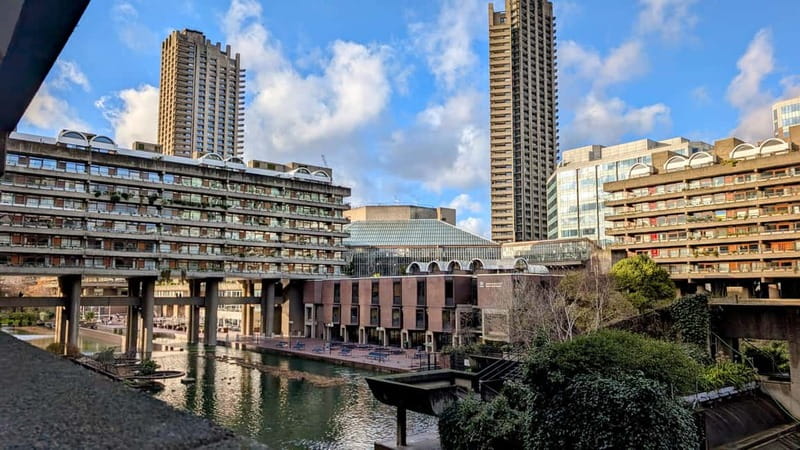
Then you’ll reach the Barbican. This is an important tonal shift from the glass-and-steel towers. The Barbican helps you see modern London as more than height—it’s also planning, massing, and how neighborhoods are built to function as communities.
The contrast makes the rest of the tour click. You start to notice how different eras solve similar problems: light, density, movement, and use.
NLA (The London Centre): the scaled-model payoff
The tour ends at NLA in The London Centre. Entry is free, and you can read information and view scaled models of London’s skyline.
This stop is where the architecture “locks into” your understanding. A building’s height and spacing are hard to grasp when you only ever see one tower at a time. The models let you compare multiple skyline icons quickly, which makes your photos and mental map far more useful later.
Important timing detail: NLA is open Tuesday to Saturday until 17:00. That means Sunday, Monday, and evening tours won’t be able to enter the NLA stop.
If you care about the models, plan your day around those hours. It’s one of those simple scheduling calls that can change the whole experience.
What you’re really learning: engineering beneath the streets and future plans
One of the most valuable parts of the tour is how it talks about what lies beneath London. You’ll hear about how London has been shaped by major civil engineering projects in its history, and what construction thinking may look like as development continues.
That’s not just trivia. It gives you a way to look at the city when you’re done. You’ll start noticing that modern towers connect to older foundations, utility networks, and infrastructure constraints—even when none of that is visible.
You’ll also hear about current and future building developments across London. Even without going into project-by-project detail, it helps you frame what you see today as part of a long planning cycle, not a one-off architectural moment.
Views, timing, and photo strategy for a 2-hour walk

The tour takes about 2 hours. It moves at a comfortable walking pace, and it’s long enough to cover a satisfying chunk of the City of London skyline without turning into a marathon.
You’ll get multiple outdoor viewing points. That means you’re not stuck looking at one angle for the entire tour, and you can collect a set of photos that actually shows relationships between buildings.
Weather matters. The tour continues in normal conditions, so bring weather-appropriate clothing and water. Comfortable shoes are non-negotiable because you’ll be walking between stops.
Also, remember the NLA add-on. Even if the core tour is 2 hours, give yourself time at the end so you can read and look calmly at the scaled models.
Price and value: what $52.53 buys you in real terms
$52.53 for a 2-hour small-group guided walk sounds fair when you consider what’s included. You’re paying for a guide with professional construction-management experience and a focused route that hits multiple landmark buildings in a short span.
You’re not paying for entry into the towers. Building access isn’t included, so the value is in explanations, skyline context, and the NLA viewing after the walk. In other words, you’re buying understanding and orientation, not an all-access ticket.
If your goal is to walk away knowing why these towers look the way they do—and how they connect to how London functions—this price makes sense.
Who should book, and who should skip

This tour is ideal if you want a practical introduction to modern London without getting lost in architecture jargon. It’s also great if you like questions. Sam’s explanations are structured well enough that you can ask technical ones and still get clear answers.
It’s less ideal if you need building interiors. Everything here is street-level viewing, plus NLA at the end. You’ll see plenty from outside, but you won’t walk into the Shard, Lloyd’s, or the other landmark towers.
It’s also not suitable for wheelchair users or people with mobility impairments. The route is a walking tour, so plan accordingly.
Should you book this modern architecture walking tour?

Yes—if you want an efficient, story-led way to see the modern skyline and understand the engineering logic behind it. The Shard, Walkie-Talkie, Gherkin, and the rest form a coherent tour arc rather than a random collection of sights.
The one reason to pause is timing around the NLA opening hours. If your travel plans put you on a Sunday or Monday, or you’re aiming for an evening slot, you may miss the NLA entry that gives the tour a big “aha” ending.
If you can match the schedule and you’re comfortable with outside viewing and walking, this is a strong pick for modern-London orientation.
FAQ
How long is the London Modern Architecture and Building Guided Walking Tour?
The tour runs for about 2 hours. You should also allow extra time—around 15 to 30 minutes—at the NLA at the end.
Where does the tour start?
You meet at Sugar Quay Jetty near the Tower of London.
What buildings will you see during the walk?
You’ll see The Shard, the Walkie-Talkie (Fenchurch Building), Lloyd’s of London, the Leadenhall Building, the Gherkin (30 St Mary Axe), 70 St Mary Axe (The Can of Ham), City Hall, plus stops including Liverpool Street Station and the Barbican.
Is entry into the buildings included?
No. Entry into the buildings you see on the tour is not included.
Can I enter the NLA after the walk?
You can enter the NLA only when it is open: Tuesday to Saturday until 17:00. Sunday, Monday, and evening tours won’t be able to enter.
What should I bring and wear?
Bring comfortable shoes, a camera, water, and weather-appropriate clothing. The tour will proceed in normal weather, so dress for the forecast.