REVIEW · LONDON
London: Brutalist Architecture & History Walking Tour
Book on GetYourGuide →Operated by explorabilia · Bookable on GetYourGuide
Concrete hits different in London. This walking tour lets you read the city’s Brutalist story street by street, using landmarks like the National Theatre as your anchor, then connecting the design choices to post-war politics, culture, and engineering. The guide (Evan) keeps it lively and grounded, not academic fog.
I especially like how the tour turns concrete from a raw material into a reasoned decision. You’ll see the rugged, fortress-like shapes in Central London and learn why this style became so influential in the 60s and 70s, including how global events shaped London’s rebuilding mood. I also like the small group size (limited to 6), which makes it easier to ask questions and to get explanations matched to your level—Evan has clearly done that.
The one real drawback: the tour is about what you can see outside. You won’t go inside the buildings, so if you’re hoping for interior spaces or guided access, you’ll want a different type of outing.
In This Review
- Key Brutalism Details You’ll Actually Notice
- Why Brutalism Feels Like a Time Machine in Central London
- Meeting Outside Russell Square: Easy Start, Short Tube, Big Focus
- The 2.5-Hour Route: What You See Outside (and What You Don’t)
- Concrete Isn’t Just a Material: It’s an Argument
- National Theatre Photo Stops: When Architecture Wants Your Attention
- Institute of Education and the Post-War Building Mindset
- The Ongoing Fight Over How to Use These Buildings
- Evan’s Guide Style: High Energy, Real Context, Occasional Nitpicks
- Price and Value: Is $47 Worth It?
- Practical Notes: Who This Works Best For
- Should You Book This Brutalist Architecture & History Tour?
- FAQ
- Where does the tour start?
- Does this tour include public transportation costs?
- Will we go inside any of the buildings?
- How long is the tour, and how big is the group?
- Is the tour suitable for children or for mobility impairments?
- What language is the guide?
Key Brutalism Details You’ll Actually Notice
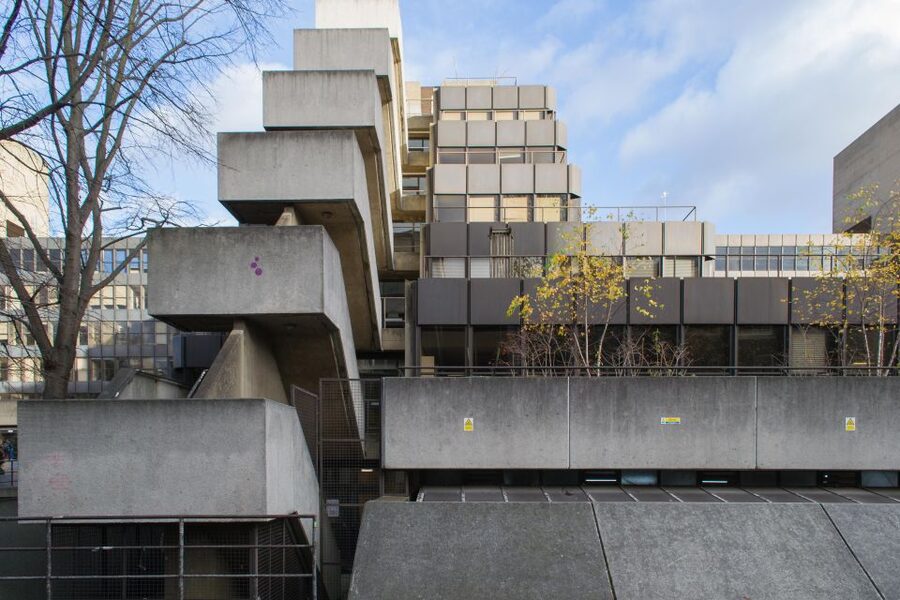
- Central London photo stops focused on famous Brutalist landmarks, including the National Theatre
- A clear explanation of why concrete became a core tool for modern architecture and engineering
- Post-war context: how cultural and social pressures helped shape London’s modernist choices
- Coverage of the continuing debate over the future use of distinctive Brutalist buildings
- A route that uses the tube once for a short trip, so you’re not only walking in circles
- A guide-led experience in English with a group cap of 6 for more interaction
Why Brutalism Feels Like a Time Machine in Central London
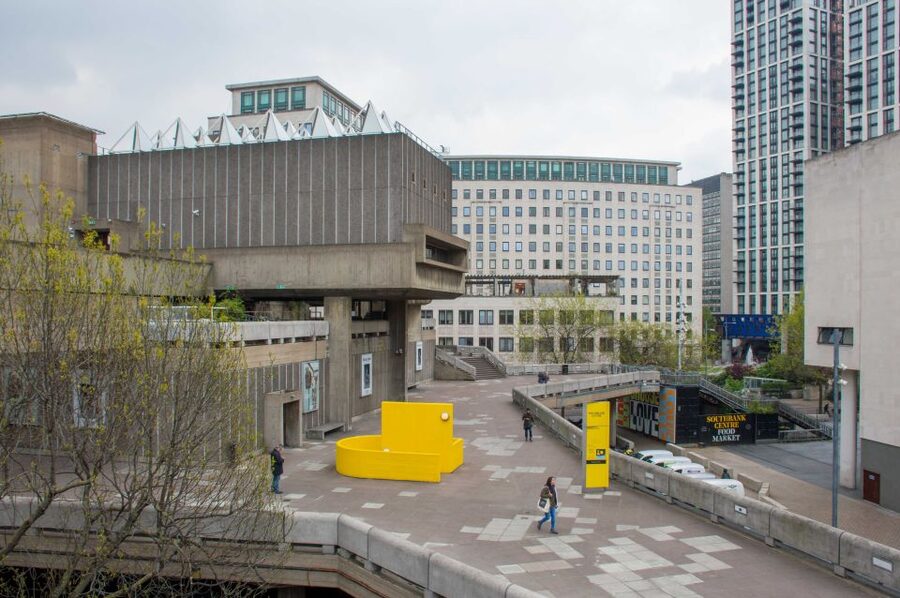
Brutalism can look harsh from a distance. Up close, it’s something else. It’s architecture that shows you its work: structure, massing, and material all on display.
London is a great place to study this because the city layers so many eras. In this tour, you’re not just hunting for bold shapes. You’re learning how post-war rebuilding ambitions and modern engineering made concrete practical—and sometimes ideological.
If you love modern design, you’ll get plenty to chew on. If you hate it, you’ll still come away with a better sense of why people built these “urban fortresses” in the first place.
You can also read our reviews of more tours and experiences in London.
Meeting Outside Russell Square: Easy Start, Short Tube, Big Focus
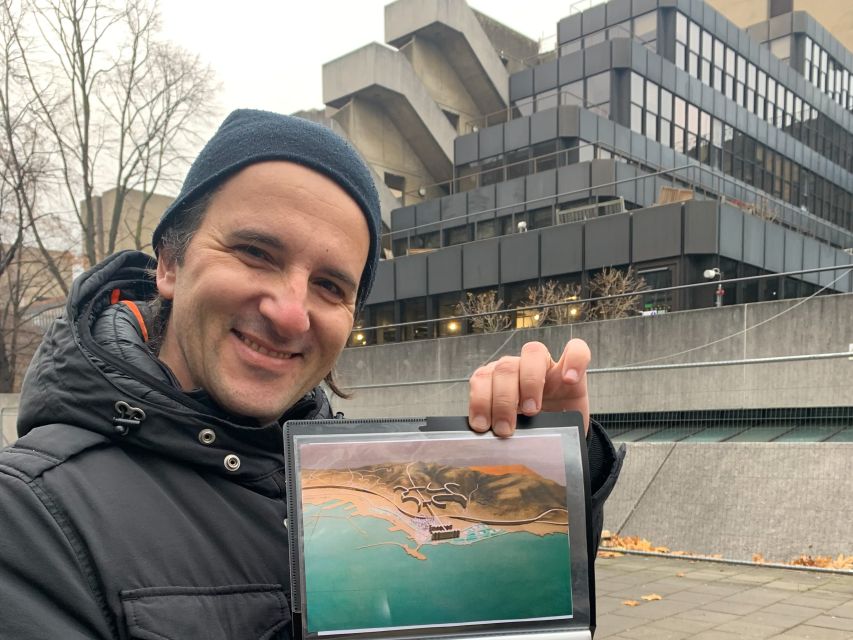
You’ll meet outside Russell Square Underground Station on the Piccadilly Line. It’s a handy starting point because you can arrive with less stress than hunting a hidden meeting corner.
Expect to walk for most of the 2.5 hours. There’s also a short tube segment once, so you’ll want enough credit for that single trip in Zone 1. Bring a public transport ticket for that portion.
This setup matters because it keeps the tour centered on Central London streets and sightlines. You’ll be moving enough to see how these buildings sit in real neighborhoods, not just as isolated landmarks.
The 2.5-Hour Route: What You See Outside (and What You Don’t)
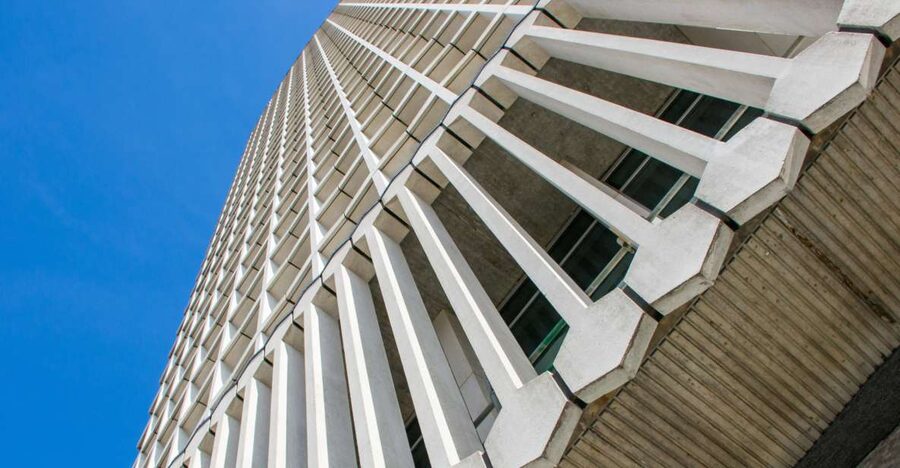
This is a true walking experience. You’re out in the city, stopping to look carefully and listening as the guide ties each building to a bigger story.
You’ll focus on notable Brutalist buildings in Central London. Two names stand out in the tour’s spotlight: the Institute of Education and the National Theatre. Both are great examples of how Brutalism can feel both functional and dramatic at the same time.
You won’t tour interiors. The value here is the exterior reading: form, texture, and how the buildings interact with the street. If you’re the type who likes to sketch or take measured photos, you’ll enjoy having dedicated moments to frame details.
You might also catch extra attention on specific design features in areas like Brunswick, where the guide’s eye for detail shows up in participant feedback. Even if you don’t know the term before, you’ll start noticing what makes each section of the building “work.”
Concrete Isn’t Just a Material: It’s an Argument
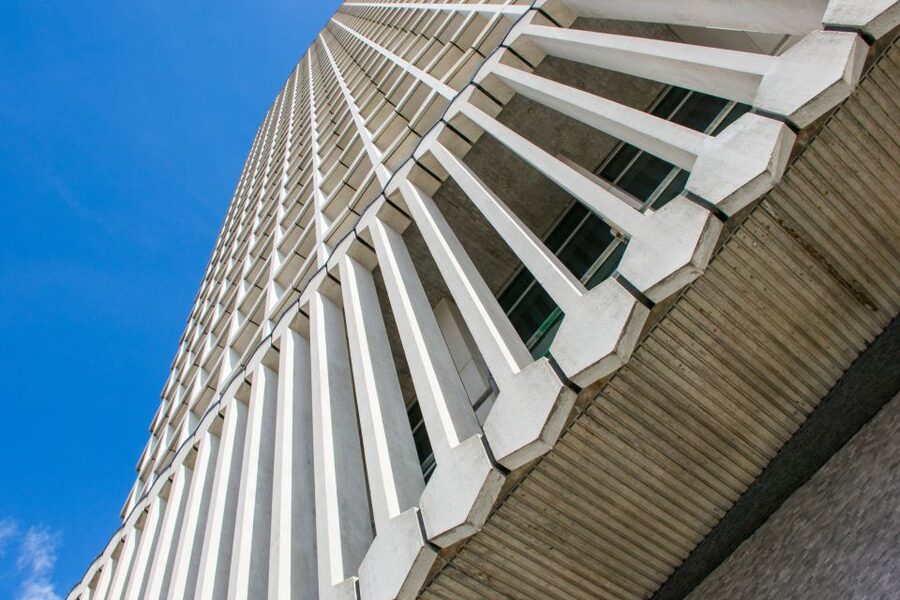
One of the best parts of this tour is how it explains concrete beyond looks. Concrete isn’t only about style. It’s about engineering, cost, durability, and what architects wanted to communicate in a fast-changing society.
The tour connects the increased use of concrete to modern times and post-war needs. You’ll hear how the material matched the era’s push for large-scale construction and new civic identities. In other words: Brutalism wasn’t only about aesthetics. It was also a response to practical and political pressures.
You’ll also get talk about Modernist monumental architecture, including its social and environmental impact. That’s the angle that makes this tour feel like more than a photo walk. You start asking better questions, like:
- What did people think these buildings were for?
- How did communities receive them at the time?
- What happens when the original purpose shifts?
That line of thinking is why the style stays controversial. Brutalism can look like a finished debate—one you’re stepping into late.
National Theatre Photo Stops: When Architecture Wants Your Attention
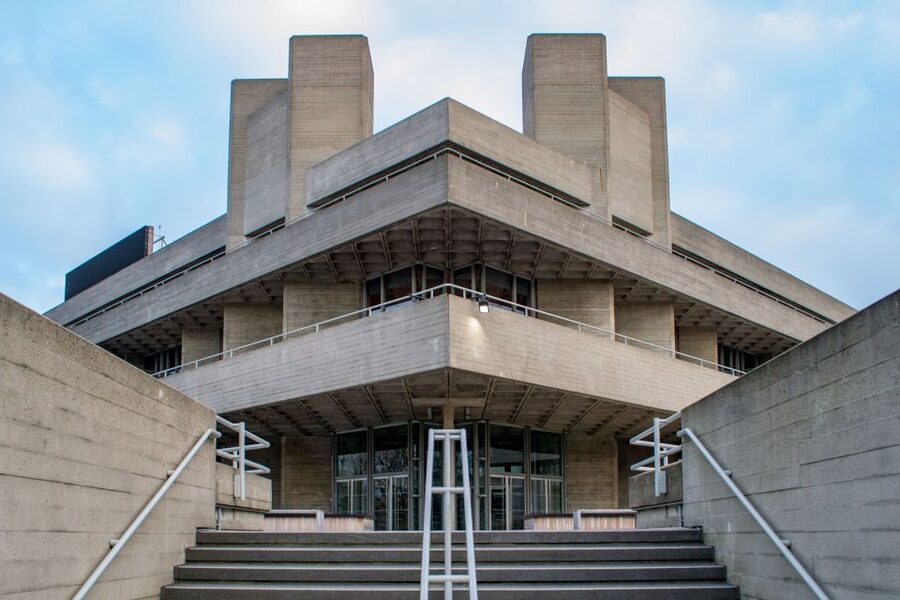
If you’re coming for the strongest visual payoff, plan to spend time on the National Theatre stop. Brutalism loves strong silhouettes and heavy presence, and that building delivers.
What makes this stop work for me is the way the guide links the look to the wider context. It’s not just the shape. It’s why it looks the way it does, and what kinds of cultural goals were in play when it was built.
You’ll get chances to snap striking photos. And because the tour is guided, you’re not just guessing what to photograph—you’ll learn what to look for: massing, the way surfaces catch light, and the geometry that makes these buildings feel both structured and slightly aggressive.
If you enjoy modern architecture that doesn’t ask permission to be noticed, this is the kind of stop that gives you proof on camera.

Institute of Education and the Post-War Building Mindset
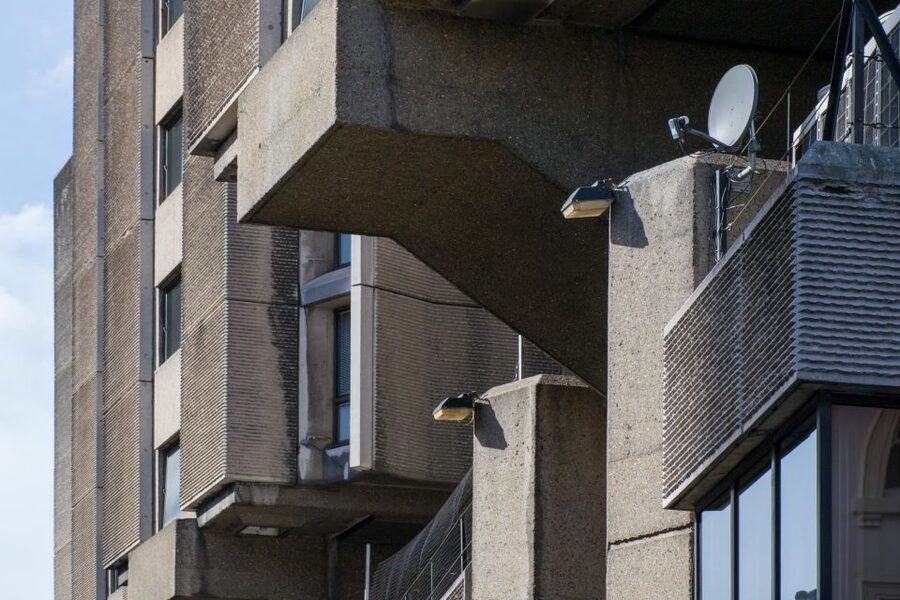
The Institute of Education is a smart companion to the National Theatre. Seeing a major public-focused building alongside a different kind of civic structure helps you see Brutalism as a broader pattern, not just one famous landmark.
This stop is where the tour’s context really earns its place. You’re learning about the world events and the post-war conditions that influenced London’s architectural direction. When you connect the timeline to the concrete choices, the style makes more sense—even if you still decide you don’t like it.
This is also where you start to notice how Brutalism can feel like it’s built for function first. The heavy surfaces and bold forms read as durable and purposeful, like the designers expected these buildings to carry big roles for decades.
The Ongoing Fight Over How to Use These Buildings
Brutalism doesn’t fade quietly. It keeps generating arguments, and the tour touches that reality.
You’ll hear about the ongoing struggle among local authorities, preservation groups, and residents on how best to use distinctive buildings in the future. That matters because Brutalism often lands in the uncomfortable space between heritage and practicality.
I like this part because it turns the tour into something current. You aren’t only learning history. You’re also learning why these buildings still matter and why they’re hard to treat as simple relics.
If you care about cities as living systems—what people need now versus what buildings were designed to provide—this segment will make you look at the buildings differently when you walk past them afterward.
Evan’s Guide Style: High Energy, Real Context, Occasional Nitpicks
Evan is a big reason the tour earns a strong rating. The pattern across participant feedback is consistent: he’s enthusiastic, personable, and clearly loves the subject. People also note that he brings more than the basics, sharing social, political, and economic circumstances behind iconic Brutalist work.
I also like that he adapts his explanations. If your group includes someone who knows architecture and someone who’s brand new, Evan seems comfortable shifting pace so nobody feels lost.
That said, one caution for the detail-obsessed: a couple of people flagged small historical inaccuracies or oversimplifications around certain claims. That doesn’t ruin the experience for most people, but it’s worth keeping in mind if you’re using this as your only source for deep architectural history.
Think of it like this: you’ll leave with a strong framework and sharper questions. Then, if you want to go deeper later, you can.
Price and Value: Is $47 Worth It?
At $47 per person, this tour sits in the “you’re paying for a specialist” category. You’re not paying for entry tickets or building access. You’re paying for a focused walking route, a live English guide, and the interpretation that turns raw buildings into a story.
For me, the value is strongest when you care about context. If you simply want a casual city stroll, you could DIY a Brutalism map for less. But if you want the how-and-why—especially post-war influences and the concrete/engineering angle—this format saves you time and gives you a clear narrative.
The small group cap (6) is part of that value. It keeps the experience from becoming generic, and it makes questions practical instead of awkward.
Practical Notes: Who This Works Best For
This tour is for adults and older teens. It isn’t suitable for children under 16, and it’s not suited to people with mobility impairments due to the nature of the walking route.
If you like modern design, urban development, or architectural history that connects to real events, you’ll probably enjoy it a lot. It’s also a good fit if you’re traveling with someone who has different interests, because the guide ties architecture to social and political forces, not just design trivia.
If you hate long conversations or you want guaranteed indoor access, you may feel frustrated. Remember: the buildings are viewed from outside, and the format is guided discussion while you walk.
Should You Book This Brutalist Architecture & History Tour?
Book it if you want to look at Central London like a builder. You’ll get a sharp introduction to Brutalism with photo-friendly stops and enough context to make the style click, even if you’re on the fence about it.
Skip it if your main goal is interior viewing or barrier-free accessibility. Also skip it if you just want one or two Instagram shots with zero effort. This tour rewards curiosity.
One final tip: wear shoes you can trust. You’re walking around a dense part of London, and you’ll want time to stop, look up, and frame photos without rushing.
FAQ
Where does the tour start?
The meeting point is outside Russell Square Underground Station on the Piccadilly Line.
Does this tour include public transportation costs?
No. Public transportation costs are not included. You do need a public transport ticket, and the tour uses the tube once for a short journey.
Will we go inside any of the buildings?
No. Interiors are not visited on this tour.
How long is the tour, and how big is the group?
The tour lasts 2.5 hours and is a small group limited to 6 participants.
Is the tour suitable for children or for mobility impairments?
It is not suitable for children under 16 and it is not suitable for people with mobility impairments.
What language is the guide?
The live tour guide speaks English.