REVIEW · LONDON
London: Brutalist & High-tech Architecture Walking Tour
Book on GetYourGuide →Operated by Aki Tour · Bookable on GetYourGuide
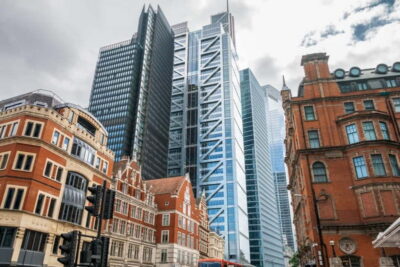
One great city lesson hits hard fast: buildings have politics. On this London walk, I love how you see both Brutalist post-war rebuilding ideas and later high-tech engineering turned into visual language, all explained in plain terms by architect guide Poi. One drawback to plan for: it’s a lot of walking, and there’s no building entry included.
You’ll start at St Giles Cripplegate and end at the Monument to the Great Fire, with stops that connect architecture to how London became what it is today. If you want architecture that tells you why decisions were made—funding, systems, disasters, and money—this tour is built for that. If you prefer a relaxed, mostly-stationary stroll, this may feel a bit punchy.
In This Review
- Key things that make this tour worth your time
- Brutalist and high-tech look better on foot than from afar
- Meet outside St Giles Cripplegate and get oriented quickly
- Barbican Estate: where post-war rebuilding dreams show up in concrete
- Why this stop feels different
- A consideration
- The City of London shift: from social planning to finance-driven building
- 22 Bishopsgate: compact and businesslike by design
- Lloyd’s Building: when high-tech turns engineering into the show
- Why you’ll probably care even if you’re not an engineering person
- A small practical note
- Leadenhall Building: modern structure with city-scale character
- 30 St Mary Axe (The Gherkin) and the Walkie Talkie effect
- 22 Bishopsgate to the Gherkin: why the transition feels logical
- The Walkie Talkie pass-by
- Leadenhall Market as a quick breather with context
- Monument to the Great Fire: planning legacy written into the city
- Why ending here is smart
- Price and value: is $47 fair for 3 hours?
- Who this tour suits best (and who should reconsider)
- A quick call: should you book this tour?
- FAQ
- How long is the London Brutalist & High-tech Architecture walking tour?
- Where does the tour meet?
- What’s included in the tour visits?
- Do I get entry into the buildings?
- Is food or drinks provided?
- What language is the live guide?
- Are video or audio recordings allowed?
- How much walking should I expect?
- Is this tour accessible for wheelchair users or mobility impairments?
- What is the cancellation policy?
Key things that make this tour worth your time
- Architect-led explanations from Poi that tie design details to real city decisions
- Barbican Estate viewed through welfare-state goals and post-war reconstruction
- High-tech London read through visible structure and building services at Lloyd’s and Leadenhall
- Later skyline icons like the Gherkin and Walkie Talkie framed by environmental engineering and digital tools
- The Great Fire legacy connected to long-term city planning and rebuilding logic
Brutalist and high-tech look better on foot than from afar
London’s modern architecture can feel like it’s shouting at you, and then you walk away with no clue what it’s saying. This tour fixes that. You walk block by block, and the guide keeps translating what you’re looking at into a story about society, engineering, and power.
I like that it isn’t just style spotting. You learn how Brutalism grew from post-war needs and the Welfare State mindset, then how high-tech architecture rode later waves of finance, deregulation, and rapid growth. Even if you usually skip architecture tours, you’ll still end up noticing details you’d normally walk right past—especially the way structures and systems get shown on the outside.
You can also read our reviews of more tours and experiences in London.

Meet outside St Giles Cripplegate and get oriented quickly
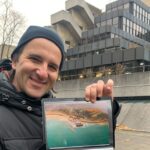
You meet outside St Giles Cripplegate church, and that’s a smart start. You begin where the city’s layers feel close together: older London energy nearby, then the tour pushes toward modern planning choices that shaped the skyline.
Practical notes that matter on day-of:
- Wear comfortable shoes. The tour covers significant walking distance.
- The pace is designed for explanation, not wandering.
- Recording is restricted: no video and no audio during the tour.
Languages are English and Chinese, and the tour is guided by a live person (an architect, not a generic script). If you’re the type who asks questions, you’ll likely enjoy the back-and-forth.
Barbican Estate: where post-war rebuilding dreams show up in concrete
The Barbican stop sets the theme early, because it’s tied to the post-war reconstruction era. You’re not just looking at raw geometry; you’re learning why that kind of design got attention in the first place.
You’ll focus on the rise of the Welfare State and the social ambitions baked into Brutalist urban planning. In plain terms, the Barbican becomes a case study in how London tried to rebuild not only housing, but also community life and public services after major disruption.
Why this stop feels different
Many tours treat Brutalism like a fashion trend. Here, it’s explained as a response to real needs: rebuilding, organizing space, and promising stability. That context makes the textures, massing, and bold forms feel less random.
A consideration
Barbican can look stunning on a sunny day, but the day-to-day reality of the space depends on weather and lighting. If you’re hoping for perfect photos at every angle, plan for clouds and walk the route your guide suggests.

The City of London shift: from social planning to finance-driven building
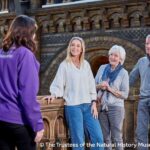
After Barbican, you move into the City of London area where the mood changes fast. This is where architecture starts reflecting late-20th-century economic momentum—especially the period tied to deregulation and the financial expansion that pushed London further into a global role.
This is also where the tour gets satisfyingly technical without turning into a lecture. The guide connects building design choices to how people work inside them: structural systems, building services, and the idea that modern life could be expressed through exposed logic.
22 Bishopsgate: compact and businesslike by design
You’ll spend time at 22 Bishopsgate, with a short guided look. Even with the brief stop, the focus stays on how design choices read as statements—how form communicates function and how the City’s growing demands shape what gets built.
Because the tour keeps moving, don’t expect deep time for studying every elevation. The value is the interpretation: you’ll get a framework to look at it, not just a list of features.
Lloyd’s Building: when high-tech turns engineering into the show
One of the most memorable parts of the walk is the Lloyd’s Building, where you get a longer guided visit. This is high-tech architecture at full volume—structure and systems treated like design language, not hidden backstage.
The key idea you’ll hear is that high-tech buildings transformed the way structural systems and building services could be expressed. Instead of burying the complexity, the design makes the complexity visible and legible.
Why you’ll probably care even if you’re not an engineering person
Once you understand the logic behind the design—how a building is organized to do what it must—you’ll see the exterior as a diagram. That changes how you look at it. Instead of thinking only about shape, you start reading the building like a system.
A small practical note
Your time here is guided, but the tour doesn’t include building entry. So you’ll get close enough for key architectural takeaways, while still being mindful that you may not access interior spaces.
Leadenhall Building: modern structure with city-scale character
Next up is the Leadenhall Building. The guided stop is shorter, but it’s placed to keep the high-tech thread consistent—so you don’t treat each building as a one-off.
Here, you’ll connect the building’s character to the larger transformation underway in London: technology, economic growth, and the growing expectation that buildings should perform at a high level while also projecting confidence.
Again, the tour’s power is in explanation. Without it, high-tech can look like cool geometry. With it, you understand the reasoning.
30 St Mary Axe (The Gherkin) and the Walkie Talkie effect
Then you hit the tour’s later-icons phase. 30 St Mary Axe, the Gherkin, gets a guided moment that’s brief but meaningful. You’ll interpret how environmental engineering and digital design tools now shape London’s skyline.
This is an important shift. Earlier in the tour, Brutalism and high-tech are tied to post-war needs and structural/system expression. Here, the emphasis moves toward performance thinking—engineering choices and design tools that influence the building’s form and how it behaves.
22 Bishopsgate to the Gherkin: why the transition feels logical
The tour makes the timeline feel coherent. You’re not jumping around. You’re watching London evolve: from rebuilding society and infrastructure, to signaling financial power through high-tech expression, to designing for performance with new tools and environmental thinking.
The Walkie Talkie pass-by
You also get a pass by 20 Fenchurch Street (the Walkie Talkie), with scenic views on the way. Because it’s not a guided stop, you’ll want to use the walk itself to spot details your guide cues you to notice.
If you like taking photos, bring a plan for quick stops. This route moves efficiently, and the views are time-sensitive.
Leadenhall Market as a quick breather with context
At Leadenhall Market, you’ll visit and walk for a short stretch. This is a nice palate cleanser after office towers and design-heavy talking.
Even with the time limited, it helps you remember this isn’t architecture in a museum. It’s part of daily city life. You can also use the break to catch your breath and reset your eyes before the final, historic anchor.
Monument to the Great Fire: planning legacy written into the city
You finish at the Monument to the Great Fire of London, and that ending matters. Earlier stops focus on modern design. This finale ties the story back to long-term planning and rebuilding logic after the Great Fire.
The tour discusses how major events and themes connect across centuries. You’ll hear about how post-fire planning helped shape the framework for what came next, and then how later waves of reconstruction and transformation turned London into a global financial center.
Why ending here is smart
It gives you a cause-and-effect lens. You stop seeing modern architecture as isolated style choices. Instead, you see it as London responding—again and again—to shocks, opportunities, and political/economic pressures.
Price and value: is $47 fair for 3 hours?
At $47 per person for about 3 hours, this sits in the mid-range for a guided walking tour that includes multiple major modern landmarks. The value comes from two things you feel quickly:
1) You’re guided by an architect, not just a storyteller.
2) You get interpretation tied to history and technology, not only visual description.
Also, the inclusions matter: Barbican Estate, Lloyd’s Building, Leadenhall Building, 30 St Mary Axe (the Gherkin), and 22 Bishopsgate are the core stops. If you were to arrange private explanations yourself, you’d spend far more time and money.
The main value tradeoff is that there’s no building entry included. If you specifically want interior access, you’ll need a different kind of tour. But if you want exterior reading and architectural storytelling, this price makes sense.
Who this tour suits best (and who should reconsider)
This is best for you if:
- You like architecture with context—politics, engineering, and why styles emerged.
- You enjoy asking questions and getting straight answers from a professional.
- You want a modern-London route that connects the dots instead of treating buildings as random icons.
It’s not suitable for people with mobility impairments, wheelchair users, people over 80, or hearing-impaired people, based on the tour’s walking demands and format. If any of those apply to you, it’s worth choosing a different activity that matches your needs.
A quick call: should you book this tour?
Book it if you want modern London to make sense fast. This tour is strongest when you want the architecture translated into human decisions—post-war rebuilding goals, the Welfare State mindset, and later high-tech expression tied to finance and technology.
Skip or rethink it if:
- You can’t handle a walking-focused route.
- You need lots of indoor access and hands-on building entry (this one doesn’t include entry).
- Recording constraints matter a lot for you.
If you’re curious how London became a global financial center and why the skyline looks the way it does, this is a focused, efficient way to learn—without getting lost in jargon.
FAQ
How long is the London Brutalist & High-tech Architecture walking tour?
It lasts 3 hours.
Where does the tour meet?
You meet outside St Giles Cripplegate church.
What’s included in the tour visits?
The tour includes guided visits to the Barbican Estate, Lloyd’s Building, Leadenhall Building, 30 St Mary Axe (the Gherkin), and 22 Bishopsgate.
Do I get entry into the buildings?
No. Any entry into the building is not included.
Is food or drinks provided?
No. Food or beverages are not included.
What language is the live guide?
The live tour guide offers English and Chinese.
Are video or audio recordings allowed?
No. Video recording and audio recording are not allowed.
How much walking should I expect?
The tour covers significant walking distances, so comfortable shoes are strongly recommended.
Is this tour accessible for wheelchair users or mobility impairments?
No. It is not suitable for people with mobility impairments or wheelchair users.
What is the cancellation policy?
Cancellation is free up to 24 hours in advance for a full refund.