REVIEW · LONDON
London: Official Natural History Museum Tour – Architecture
Book on GetYourGuide →Operated by Natural History Museum · Bookable on GetYourGuide
Gargoyles, sketches, and Darwin’s lookalike monkey. This one-hour architecture tour turns the Natural History Museum from a backdrop into a real subject, with Romanesque stonework and nature-themed details you can actually spot. I especially love two things: the terracotta animal carvings that explain the building’s “museum as a living thing” mindset, and the chance to view digital copies of original building sketches and plans. The main drawback is simple: at just one hour, it’s not for slow wandering or time for paid temporary exhibitions.
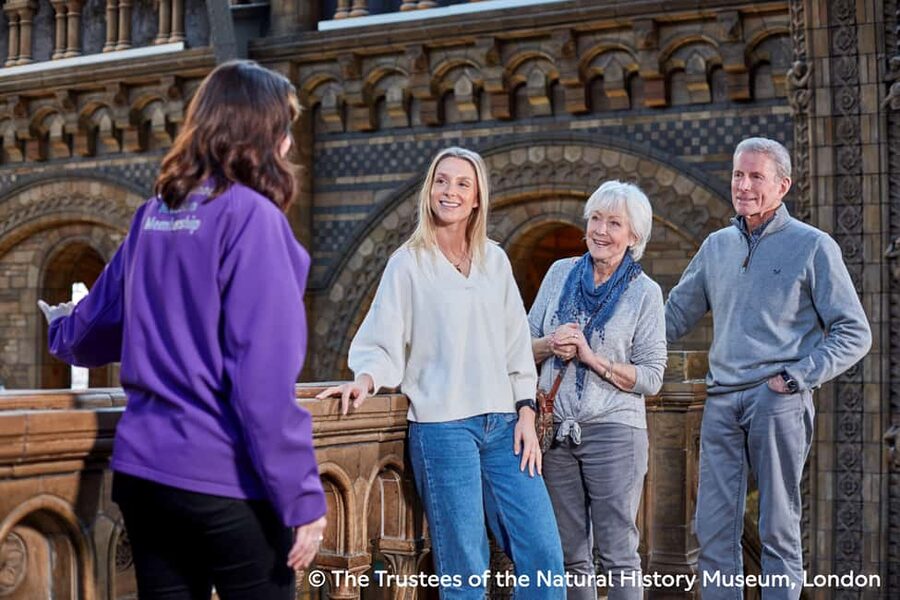
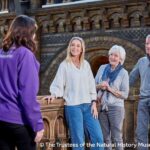
The group stays small (limited to 7), and the guide matters. One guide named Glenn Harper gets high marks for speaking clearly, staying engaging, and pointing out small details that are easy to miss on your own. You’ll start outside the museum’s staff/Flett Theatre entrance on Exhibition Road (not the Cromwell Road entrance through the gardens) and finish inside the newest space, the Darwin Centre.
In This Review
- Key highlights that make this architecture tour worth it
- Why the Natural History Museum’s architecture feels like part of the exhibits
- Romanesque stonework and the nature theme you can actually see
- The terracotta animal menagerie (and that Darwin-ish monkey)
- Original sketches, plans, and what they add to your visit
- The modern additions: how the museum keeps evolving
- What the one-hour flow feels like in real life
- Meeting point you must get right (so you don’t lose time)
- Skip-the-queue and the value math of $20 for architecture focus
- Who this tour is best for (and who should skip it)
- Guide quality: why clear speaking and small-group size change everything
- Should you book this Natural History Museum architecture tour?
- FAQ
- FAQ
- How long is the Natural History Museum architecture tour?
- How many people are in the small group?
- Where exactly do we meet the guide?
- Where does the tour end?
- What’s included in the price?
- Do I get skip-the-queue entry?
- Are headsets provided?
- Does the tour include temporary exhibitions?
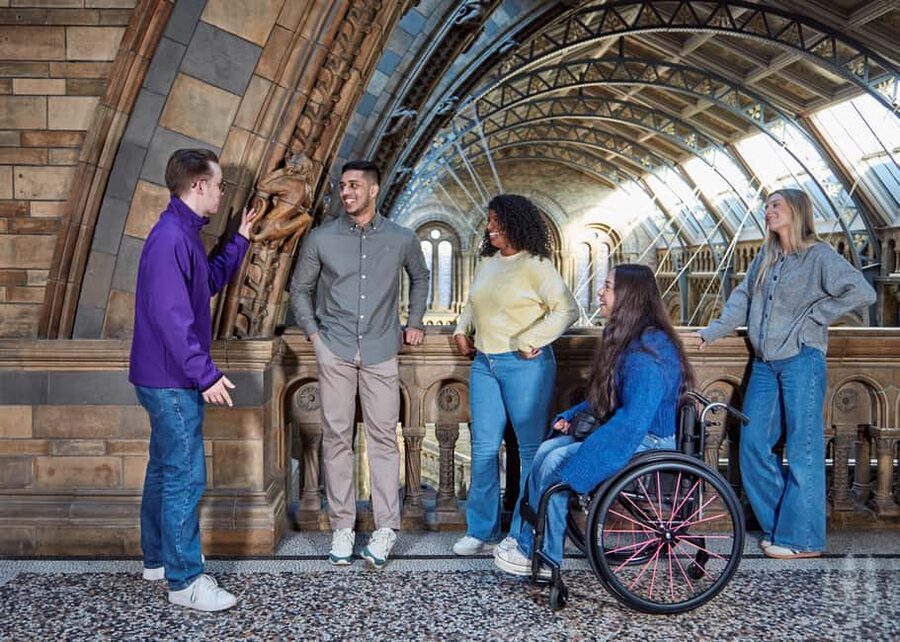
- Is the tour wheelchair accessible?
- Is it refundable if plans change?
- What languages is the tour offered in?
- Is the tour suitable for young children?
Key highlights that make this architecture tour worth it
- A tight, one-hour format that gives you the building’s logic without turning the day into a full museum marathon
- Nature-themed design in the stone and terracotta, including a carved monkey with a human face
- Original design materials on display digitally, so you can see how the building was planned, not just how it looks
- A finish inside the Darwin Centre, which ties the architecture story to the museum’s science identity
- Headsets during peak hours, which helps a lot if you’re talking over crowds
- Skip-the-queue plus general entry, so you don’t waste time getting in
Why the Natural History Museum’s architecture feels like part of the exhibits
A lot of famous museums are great places to look at things. This one is also a great place to look at the building itself. The architecture is late 1800s, Romanesque in style, and packed with features that feel like they belong in a storybook for grown-ups—high decorative ceilings, imposing stone detailing, and a whole cast of stone creatures.
What I like most is that the tour doesn’t treat the exterior and interior as separate worlds. It frames the museum as one big “nature machine”: the building doesn’t just house specimens; it visually argues for the same idea—nature everywhere, even in the stonework.
And then there’s the specific pleasure of watching your attention change. When you know what to look for (gargoyles, carved animals, and the way decorative elements repeat), the museum stops being a blur and becomes a map. That makes the one-hour experience feel efficient rather than rushed.
You can also read our reviews of more tours and experiences in London.
Romanesque stonework and the nature theme you can actually see
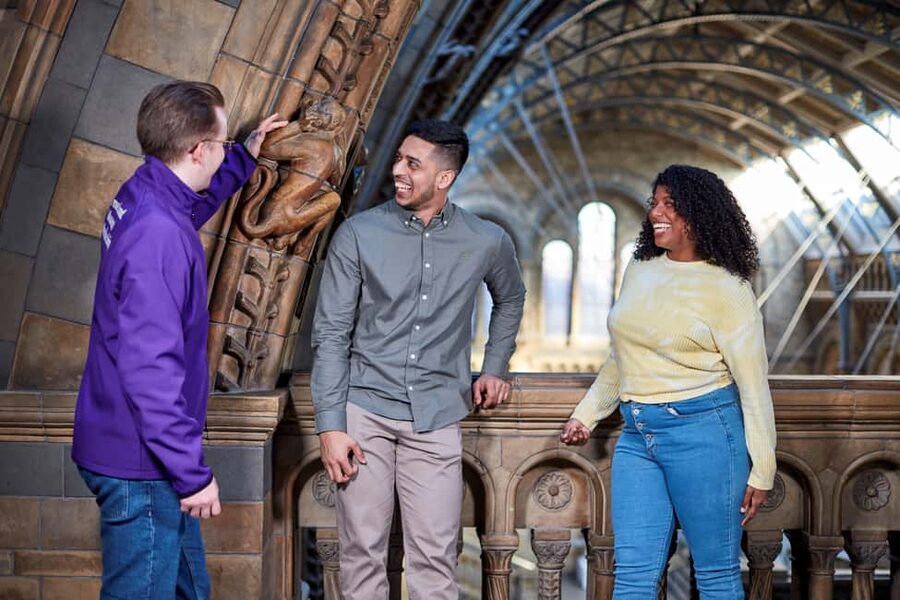
The tour is built around the museum’s design choices—why so much effort went into carvings, ceilings, and dramatic detailing. You’ll get oriented to the big architectural cues first: the imposing look, the decorative height, and the way the building balances strength with ornament.
Then the story turns more specific. You’ll look beyond the specimens and focus on the stonework behind them. This is where the museum becomes fun in a very practical way: you can stand in one place and start spotting details you’d never notice without guidance.
The terracotta animal menagerie (and that Darwin-ish monkey)
One standout detail is the “menagerie” of terracotta animals tucked into the building’s design language. You’re not just hearing that the museum loves nature—you’re being guided to see it as a pattern.
The tour highlights a carved monkey with a human face that resembles Charles Darwin. Whether you’re a Darwin fan already or you just like weird art details, this is the kind of connection that makes a guided tour feel worthwhile. It’s not trivia for trivia’s sake. It’s design intent: the building quietly points you toward the museum’s scientific identity.
Original sketches, plans, and what they add to your visit
This isn’t only about admiring finished architecture. One of the best parts is the chance to see digital copies of original sketches, detailed drawings, and plans from when the museum was being made.
Why that matters: it changes how you interpret what you see. Instead of thinking, That’s a fancy building, you start thinking like a designer. You notice structure choices, how decorative elements were planned, and how the overall Romanesque style was translated into real work.
If you’ve ever visited a place and wished someone could explain why it looks the way it does, this is that moment. The digital materials act like a bridge between imagination and engineering.
The modern additions: how the museum keeps evolving
After the late-1800s story, the tour moves to the museum’s twenty-first-century additions. This part helps you see the Natural History Museum as living architecture rather than a frozen landmark.
You’ll also finish in the Darwin Centre, described as the museum’s newest part of the building. That’s a smart finish point because it ties the tour together: the building’s old-world styling meets the museum’s ongoing mission around natural science and discovery.
Even if you’ve been to the museum before, this angle can change your experience. You may remember galleries. You’ll now also remember materials, design logic, and how old and new parts talk to each other.
What the one-hour flow feels like in real life
The tour is short by design. It’s meant to give you high-value orientation fast—especially if you’re juggling sightseeing in London.
Here’s the practical way to think about timing:
- You’ll start outside at Exhibition Road, get quick context, and begin by reading the exterior and entry area.
- You’ll then shift into the building’s architectural details, including the natural-themed carvings and interior decorative features.
- You’ll spend time with the digital copies of the original design materials.
- You’ll end in the Darwin Centre, linking architecture to the museum’s science identity.
One note from my viewpoint: don’t plan on using this tour as your only time in the museum. It’s a guided architecture walkthrough, not a full museum day with unlimited browsing. If you want to linger with specimens or check paid temporary exhibitions, you’ll need extra time.
Meeting point you must get right (so you don’t lose time)
Meeting location matters here because the museum has more than one entrance setup.
You’ll meet outside the Natural History Museum’s staff/Flett Theatre entrance on Exhibition Road, which is opposite the Victoria & Albert Museum. It’s next to the public museum entrance on Exhibition Road—but it is not the main Cromwell Road entrance that you reach through the gardens.
If you’re using a map app, double-check the pin using what3words: ///bunny.moment.seated. That one step saves frustration, especially on busy days when streets and entrances can look confusingly similar.
Skip-the-queue and the value math of $20 for architecture focus
At about $20 per person, the tour sits in the mid-range for London guided experiences. The value comes from what’s included:
- General museum entry
- Skip-the-queue
- A live English-language guide
- Headsets during peak visitor hours
- A tight 1-hour architecture focus with a small group (limited to 7)
So you’re not paying only for a walk and a few comments. You’re paying for interpretation—someone showing you what the building is trying to say, plus the time saved at the entrance.
Is it worth it if you only care about specimens? Maybe not. But if you enjoy architecture, want a quick orientation, or like understanding how a place works rather than just what it contains, this is a very efficient use of time.
Who this tour is best for (and who should skip it)
This tour is a great match if you:
- like architecture and building details as much as museum content
- want a guided first look at one of the UK’s most iconic museums
- enjoy short, structured experiences (one hour is the whole deal)
- want to understand how the museum’s design connects to its natural-science identity
It may be less ideal if you:
- plan to spend most of your day drifting through galleries
- want to focus on paid temporary exhibitions (those are not included)
- are traveling with very young children, since it’s not suitable for children under 4
Guide quality: why clear speaking and small-group size change everything
A guided architecture tour succeeds or fails on two things: what you notice afterward, and whether you could follow the guide over the noise.
The best praise from recent feedback centers on exactly that. The guide is described as engaging throughout, speaking clearly even with mixed nationalities in the group, and maintaining momentum so you don’t lose interest halfway through. One guide, Glenn Harper, is specifically praised for showing things that are hard to see or even understand without guidance, and for bringing obvious passion to the walk.
For you, that translates into a more confident experience. You’ll move through the museum with a reason for each stop, and you’ll have fewer moments of guessing what you’re supposed to look at.
And the headsets during peak visitor hours are not a small detail. They help when you’re surrounded by families, tour groups, and general museum noise. In London, that’s often the difference between a tour that feels smooth and one that turns into strained listening.
Should you book this Natural History Museum architecture tour?
If you’re the type of visitor who likes to understand design—why buildings look the way they do—this is an easy yes. It’s short, structured, and focused on the museum’s most visually impressive elements: the Romanesque character, the stone-and-terracotta nature theme, and the link between historical planning and modern additions.
Book it especially if:
- you’re visiting for a day and don’t want to spend hours figuring things out on your own
- you want a small-group experience with time to ask questions (at least in the rhythm of a one-hour tour)
- you’re curious about the building’s creative details, including the terracotta animal carvings and the Darwin-resembling monkey
Skip it if:
- your priority is spending long hours with specimens or you want temporary exhibitions, since those paid exhibits aren’t included
- you’d rather roam freely without a guide directing your attention
FAQ
FAQ
How long is the Natural History Museum architecture tour?
It lasts 1 hour.
How many people are in the small group?
The group is limited to 7 participants.
Where exactly do we meet the guide?
Outside the Natural History Museum staff/Flett Theatre entrance on Exhibition Road, opposite the Victoria & Albert Museum (near the public entrance on Exhibition Road, not the Cromwell Road entrance through the gardens).
Where does the tour end?
The tour finishes inside the Darwin Centre, described as the newest part of the museum building.
What’s included in the price?
General museum entry and a guide-led tour in English, plus skip-the-queue access.
Do I get skip-the-queue entry?
Yes, skip the ticket line is included.
Are headsets provided?
Headsets are provided during peak visitor hours.
Does the tour include temporary exhibitions?
No. Paid temporary exhibitions are not included.
Is the tour wheelchair accessible?
Yes, it’s wheelchair accessible.
Is it refundable if plans change?
Yes. Free cancellation is available up to 24 hours in advance for a full refund.
What languages is the tour offered in?
The tour is in English only.
Is the tour suitable for young children?
No, it’s not suitable for children under 4 years.