
REVIEW · COPENHAGEN
Copenhagen: Danish Architecture Center Entrance Ticket
Book on GetYourGuide →Operated by DAC Dansk Arkitektur Center · Bookable on GetYourGuide
A long slide and real design talk in one stop. The Danish Architecture Center sits in the BLOX building on Copenhagen’s harbour front, and it’s built for anyone who wants architecture explained in human terms. I like the way the exhibitions connect design to daily life, and I also love the big hands-on moment of the 40 meters slide and the rooftop views. One thing to consider: the main entrance is below ground, so plan on stairs or escalators right away.
For a single ticket, you get access to the open exhibits and the rooftop café area, plus the slide. It’s a smart choice if you’re curious about how Denmark thinks about public spaces, homes, and society through architecture. If you’re short on time or hate museum pacing, you’ll want to pick what you see first, because changing exhibitions can pull you in.
In This Review
- Key Highlights You’ll Actually Care About
- Why the Danish Architecture Center Works in Copenhagen
- Finding the Entrance at BLOX (Without Losing Time)
- What You Get With Your Ticket (And What You Don’t)
- Rotating Exhibitions: How They Keep the Museum Fresh
- So Danish: A Danish Architecture Timeline You Can Follow
- Welfare Architecture: Denmark’s Real-World Design Philosophy
- The 40 Meters Slide: The Fun Part That Still Fits
- Rooftop Terrace Views and the Café Area
- How to Plan Your Visit (So You Don’t Feel Rushed)
- Value: Is This Ticket Worth $19?
- Who This Experience Fits Best
- Should You Book the Danish Architecture Center Ticket?
- FAQ
- Where is the Danish Architecture Center entrance located?
- How long is my ticket valid?
- What does the ticket include?
- Is the rooftop café food and drink included?
- Is there a slide?
- What views can I expect from the rooftop?
- Are the exhibits suitable for kids and adults?
- What languages are available?
- Is the activity wheelchair accessible?
- Can I change my plans after booking?
Key Highlights You’ll Actually Care About
- BLOX harbour-front setting: right by the water in one of Copenhagen’s modern architectural statements
- Rotating exhibitions: changing themes keep the visit from feeling like a static history lesson
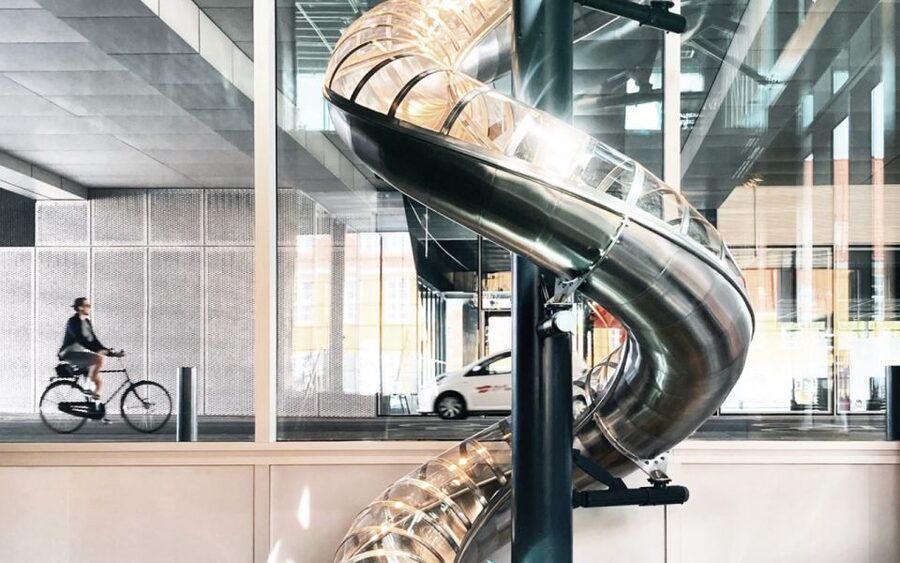
- 40 meters slide: a rare museum feature that mixes play with design culture
- Rooftop terrace viewpoints: you get a city-and-water perspective after indoor exhibits
- So Danish (Viking age to today): a clear sweep from early influences to modern Danish architecture
- Welfare architecture focus: you’ll see how function, art, and design shape everyday life
Why the Danish Architecture Center Works in Copenhagen

Copenhagen has plenty of buildings you can admire from the street. The Danish Architecture Center (DAC) adds something more useful: it helps you read what you’re seeing. Instead of treating architecture like a distant art form, the museum frames it as a practical system—how buildings support living, work, health, and community.
I also like that it’s not only for professionals. You’ll find exhibits that work for kids and adults, which makes this easier to fit into a mixed family day or a first-time visit when everyone wants something different. And since the exhibitions are rotating, you’re more likely to get fresh angles on Danish design rather than the same exact content every time.
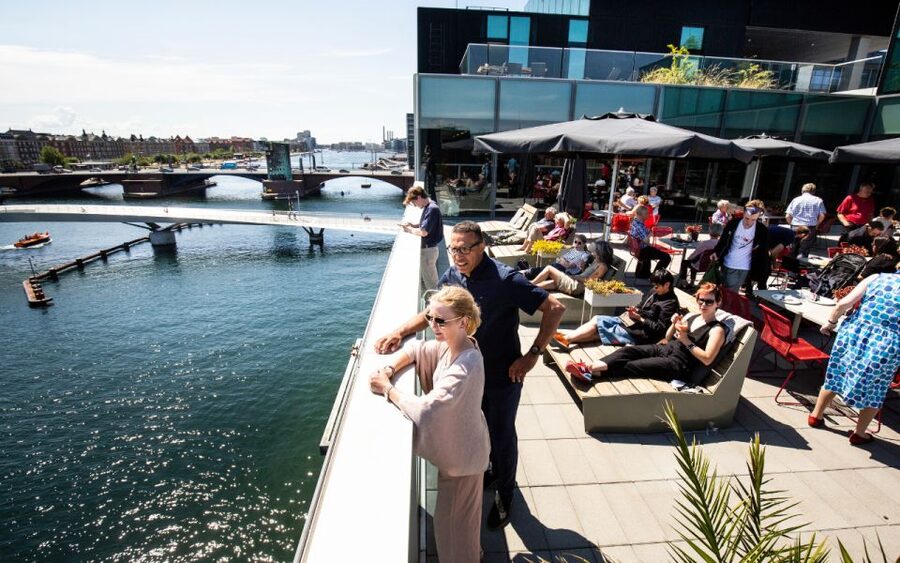
The location helps, too. DAC is in the BLOX building, on the harbour front, overlooking historic city views plus cycle bridges and the harbour baths. That means your visit starts with the scenery, and it ends with a big view from the rooftop.
You can also read our reviews of more tours and experiences in Copenhagen.



Finding the Entrance at BLOX (Without Losing Time)
DAC’s meeting point is simple, but the access isn’t what you’d expect at first. The entrance is below ground, so you’ll need to take the stairs or escalators from Bryghuspladsen.
Here’s the practical trick: arrive ready to go down right away. If you’re planning a day that includes harbour walks or nearby stops, keep that in mind so you don’t get surprised by the first stair set. Once you’re in, the museum is designed so you can flow from exhibits to hands-on spaces without constantly doubling back.
This is also one of the reasons I think the DAC ticket is good value: you’re not paying just to enter a room—you’re entering a full experience inside a signature building.
What You Get With Your Ticket (And What You Don’t)

Your ticket covers entry to the Danish Architecture Center and access to all open exhibitions. That includes the DAC slide and the exhibitions currently running at the time of your visit.
You also get access to the roof top café area. One key detail: the ticket covers access, not food and drink. If you plan to eat up there, budget for purchases.
If you’re wondering about timing, your ticket is valid for 1 day, and you should check availability for starting times. That matters because it affects how you structure your day. If you’re visiting other sights nearby, a timed start can help you plan meals and walks without stress.
Rotating Exhibitions: How They Keep the Museum Fresh
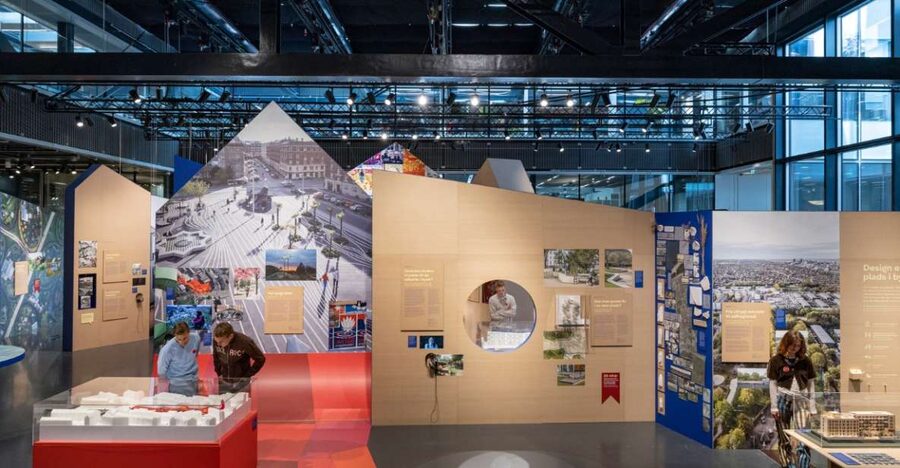
One of DAC’s most appealing ideas is that architecture education doesn’t have to feel locked in time. The museum runs rotating exhibitions that highlight specific aspects of architecture, helping you see different sides of Danish design.
What I find useful here is the focus. The museum connects architecture and design to the framework of everyday life. Instead of only showing finished buildings, you learn about the history and function of architecture—how spaces work, why they’re built the way they are, and how design choices shape experience.
Because the exhibitions change, you can treat your visit like a theme-based day. If you’re especially interested in society and planning, you’ll likely enjoy exhibits that touch on welfare architecture, where function, art, and design are treated as equal priorities.
So Danish: A Danish Architecture Timeline You Can Follow
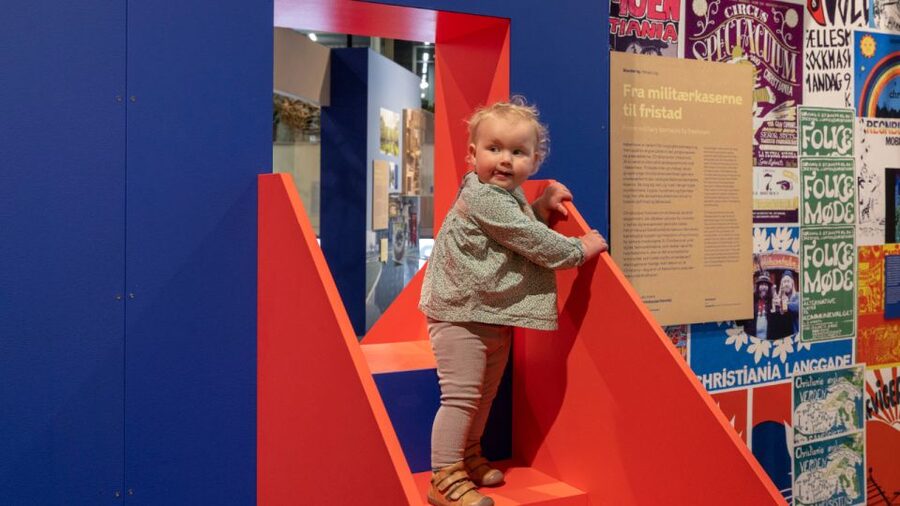
DAC also has a major strand called So Danish, which traces Danish architecture from the Viking age until today.
This is the kind of permanent-style content that makes your visit stick. It gives you a reference timeline, so the modern buildings you see around Copenhagen start to make more sense. Even if you only have one museum day, this sweep helps you place today’s Danish architecture into something longer than modern trends.
If you like your museum content organized—rather than a collection of separate exhibits—this is a strong reason to choose DAC early in your trip. You’ll carry the timeline in your head when you walk around town.
Welfare Architecture: Denmark’s Real-World Design Philosophy
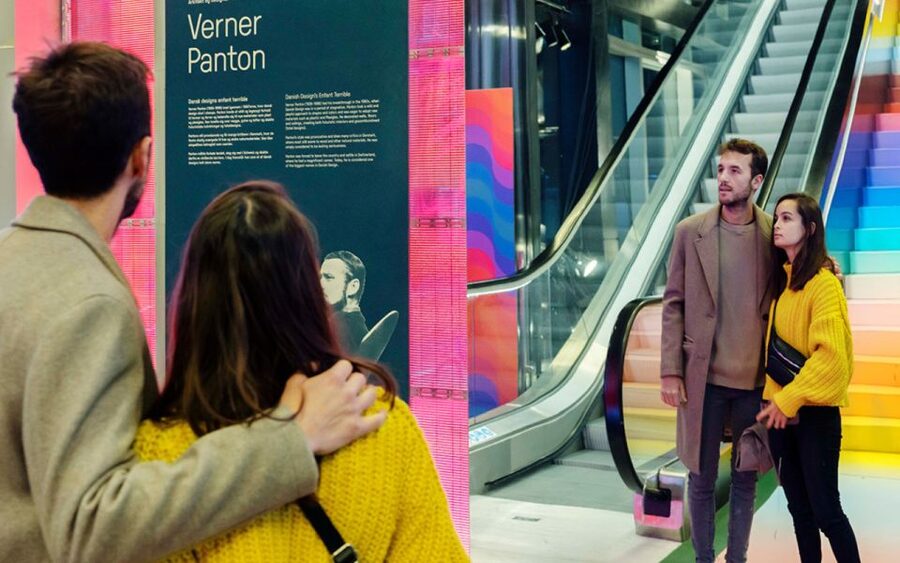
Welfare architecture is one of the phrases DAC uses, and it’s genuinely worth paying attention to. The idea is that buildings aren’t only about aesthetics. They’re about how life gets supported: schools, institutions, and public spaces where function matters and design still has to communicate values.
You’ll get this framing through the way the museum presents architecture as a blend of art and practical needs. When you come away with that mindset, Copenhagen’s architecture starts looking less like random beauty and more like a system that tries to improve daily life.
This is also where DAC shines if you’re not just an architecture buff. If you care about how countries organize care, education, and public culture, this exhibit focus helps you see the human side of design decisions.
The 40 Meters Slide: The Fun Part That Still Fits
Yes, there’s a slide. It’s 40 meters, which is not a small gimmick. It’s also included in your ticket, so you don’t have to decide if it’s worth paying extra for play.
I like that the slide doesn’t feel tacked on. It turns a museum visit into an active memory. You’ll go in looking at design concepts, then you’ll come out having done something dramatic that you can’t forget. And because it’s part of the museum’s offered experience, it fits the theme: architecture isn’t only for viewing—it’s for experiencing space.
Practical note: you may want to time this so you don’t feel rushed later. If you’re also going to rooftop views after, try to keep some energy for the climb back up.
Rooftop Terrace Views and the Café Area
After the indoor exhibits, DAC rewards you with an outdoor payoff. The rooftop terrace is highlighted as offering stunning views, and you also get access to the roof top café area.
This is one of the best ways to close the loop. Your brain has been reading architecture indoors—models, explanations, and ideas. The rooftop helps you look outward and connect those ideas to the actual city layout: harbour lines, bridges, and the urban texture around you.
You can treat this as your reset moment. Sit, take photos, and slow down after walking. Just remember: the ticket includes access, not food or drinks, so plan accordingly if you want a meal.
How to Plan Your Visit (So You Don’t Feel Rushed)
DAC is easy to visit in parts: exhibits first, slide as a highlight, then rooftop for views. If you’re traveling with kids, plan the slide earlier so you don’t end up negotiating late in the day when energy is running low.
If you’re an architecture lover who wants to see everything, give yourself more time than you think you need. Rotating exhibitions mean there’s always a chance you’ll spend extra time in the sections that catch your eye.
And if you’re a first-timer in Copenhagen, I’d treat DAC like a foundation stop. It helps you understand Danish design logic. Then when you walk through the city later, you’ll notice patterns instead of only landmarks.
Value: Is This Ticket Worth $19?
At about $19 per person, the DAC ticket is priced like a serious museum admission, but it includes more than a standard entry experience. You’re paying for access to open exhibitions, including the slide, plus rooftop café area access.
That combination matters. Many architecture museums give you information but little physical experience. Here, you get both—explanations plus a memorable hands-on feature. Add the fact that the museum is in a notable modern building on the harbour front, and the value becomes clearer: you’re not just buying content, you’re buying a setting and an experience.
Also, the one-day validity helps. If your schedule changes within the same day, you’re not completely stuck.
Who This Experience Fits Best
I’d especially recommend DAC if:
- you’re visiting Copenhagen for the first time and want a clear understanding of the design mindset behind the city
- you like museums that explain function, not just form
- you’re traveling with kids or mixed-age groups and need something engaging for everyone
- you want a single place that covers architecture from early influences to modern times
It may be less ideal if you only want a quick photo stop or you strongly prefer guided tours over self-paced exhibits, because DAC is structured around exhibition access and your own movement through the spaces.
Should You Book the Danish Architecture Center Ticket?
If you want an architecture stop that feels practical, visual, and a bit playful, I think booking makes sense. The slide and rooftop views give you built-in “wow moments,” while the So Danish timeline and the emphasis on welfare architecture give you something to take home mentally.
If you’re the type who likes to understand what you’re seeing—why buildings look the way they do, how design shapes everyday life—DAC is a strong use of your time in Copenhagen.
Book it if you can fit the one-day window and you’re ready to spend a couple of focused hours absorbing rotating exhibits and the Viking-age-to-today story. Skip it only if you want pure outdoor sightseeing and zero museum time.
FAQ
Where is the Danish Architecture Center entrance located?
The entrance is in the BLOX building and is below ground, so you’ll reach it by taking the stairs or escalators from Bryghuspladsen.
How long is my ticket valid?
Your ticket is valid for 1 day. You should check availability to see starting times.
What does the ticket include?
It includes entry to the Danish Architecture Center, access to all open exhibitions (including the DAC slide), and access to the roof top café area.
Is the rooftop café food and drink included?
No. Food and drinks at the rooftop café are not included; you’ll purchase them separately.
Is there a slide?
Yes. The DAC slide is part of the experience and is 40 meters long.
What views can I expect from the rooftop?
You can enjoy a stunning view from the rooftop terrace overlooking the city and harbour area.
Are the exhibits suitable for kids and adults?
Yes. The exhibitions are designed so they can be enjoyed by children, adults, architecture lovers, and anyone curious about the city.
What languages are available?
The host or greeter offers Danish and English, and the languages listed are Danish and English.
Is the activity wheelchair accessible?
Yes. The activity is wheelchair accessible.
Can I change my plans after booking?
You have free cancellation up to 24 hours in advance for a full refund, and you can also choose reserve now & pay later to keep your plans flexible.