REVIEW · WILMINGTON
History and Architecture Walking Tour
Book on Viator →Operated by Amanda Leese · Bookable on Viator
Wilmington’s past shows up on every block. This history and architecture walk connects Civil War-era stories to the houses and commercial streets you can actually see, with standout exterior stops at Bellamy Mansion and Burgwin-Wright House and Gardens. I especially like how the guide ties building style to what the city valued at different moments in its past.
You’ll also appreciate the small group size (max 10) and the slower pace that gives you time to notice details you’d miss on your own. One possible drawback: traffic noise and microphone issues can make a few moments harder to follow, so bring patience and keep your ears open near busier intersections.
In This Review
- Key Highlights You’ll Feel Fast
- Where Wilmington’s History Lives: Civil War Streets Made Visible
- Meeting at Front Street Inn: The Easy Start You Want
- Residential District Stop: Spot the Styles Without Feeling Like a Critic
- Bellamy Mansion Exterior: Wealth, Power, and What Survived
- Church and Commercial Districts: How the City Kept Moving
- Burgwin-Wright House and Gardens: Domestic Life Without the Long Detour
- What’s Included (And What You Should Not Expect)
- The Guide Factor: Amanda Leese and the Pace of a Small Group
- Price and Value: Getting a Lot of Story for $25
- When to Go and What to Bring for an Easy Walk
- Should You Book This Wilmington History and Architecture Tour?
- FAQ
- How long is the Wilmington History and Architecture Walking Tour?
- Where does the tour start?
- What is the walking distance?
- What should I bring?
- Does the tour include home interiors?
- How big is the group?
- What language is the tour offered in?
- What happens if the weather is bad or I need to cancel?
Key Highlights You’ll Feel Fast
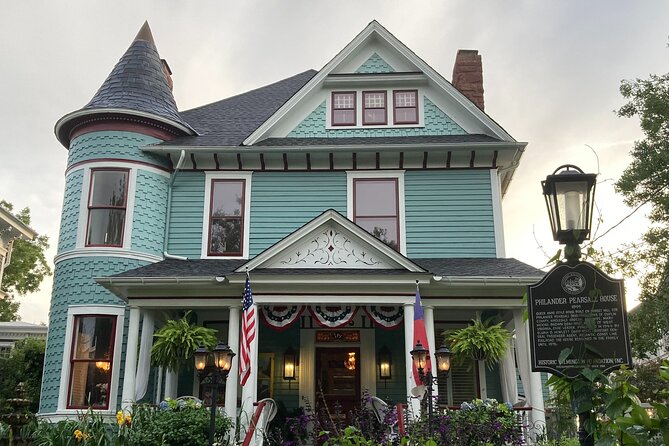
- Civil War context explained through the architecture you see on the street
- Exterior-focused stops at Bellamy Mansion and Burgwin-Wright House and Gardens
- A focused route through residential, church, and commercial districts
- A small group (up to 10) means more back-and-forth and easier pacing
- You’ll cover about 1.5 miles, so comfort and water matter
Where Wilmington’s History Lives: Civil War Streets Made Visible
If you think “Civil War history” means dusty museums, this tour changes that quickly. Wilmington’s role in the Civil War didn’t stay in the past—it shaped wealth, rebuilding, and the kind of neighborhoods that formed around key institutions and commerce. The tour approach is practical: you don’t just hear dates. You watch how the city’s visual language—porches, rooflines, window rhythm, and decorative details—reflects shifting priorities over time.
What I like about this style of walking tour is that it trains your eye. Once you’ve heard what to look for, the city starts talking back. Greek Revival details, for example, aren’t just pretty. They signal a certain confidence and aspiration. Italiante elements (you’ll see the telltale shapes and ornamentation) read differently, often pointing to later tastes and growth. It’s a simple mental trick: architecture becomes evidence.
Meeting at Front Street Inn: The Easy Start You Want

The walk starts and ends at Front Street Inn, 215 S Front St, Wilmington, NC 28401. The location is convenient if you’re already exploring downtown—no stressful “meet me by the far parking lot” scavenger hunt.
This is an approximately 1 hour 30 minutes tour, but plan for the real-world version. The route moves on foot and includes multiple stops for stories and photos, so it can run closer to 2 hours depending on pace and questions. With a max group size of 10, that extra time usually feels helpful rather than dragged-out.
The tour is offered in English, and you get a mobile ticket. So you can travel lighter: no paper fuss, just your phone.
Residential District Stop: Spot the Styles Without Feeling Like a Critic
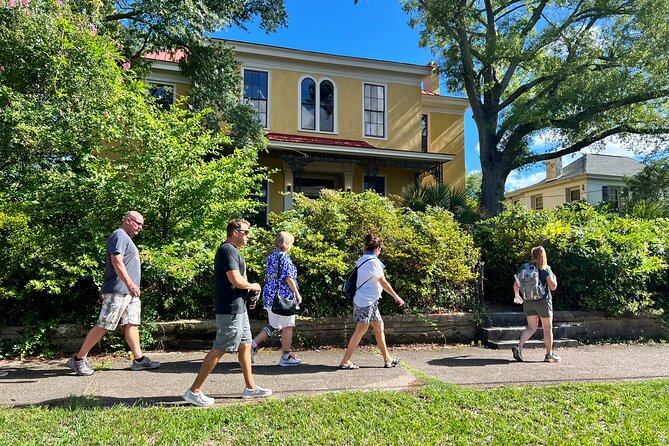
A big chunk of the experience happens in residential areas. This is where you get the best “look-and-learn” advantage. The guide points out how architectural styles show up on porches, facades, and the overall layout of homes—often from the sidewalk or curbside view.
Expect attention to the mix of styles highlighted in the tour: Greek Revival and Italiante, plus other period cues you’ll notice once you know what they are. The goal isn’t to memorize terms. It’s to help you connect what you see with why it might have appeared when it did.
Practical tip: take a slow look before the explanation. When you see a feature first and then hear the meaning, it sticks. Also, this portion is good for photos, but you’ll get cleaner shots if you step back slightly and avoid blocking doorways or walkways.
Bellamy Mansion Exterior: Wealth, Power, and What Survived
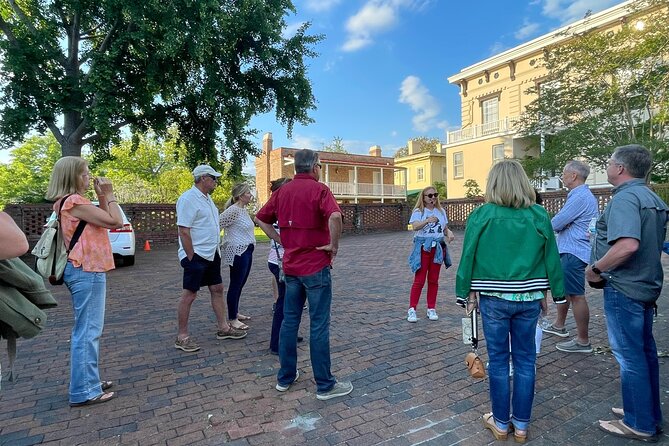
One of the best-known stops is the Bellamy Mansion. Even though you’re viewing it from the outside, it’s still a strong anchor for the tour’s theme: Wilmington’s story isn’t only about war—it’s about who had resources, how influence showed up in buildings, and how the city changed around that reality.
As you stand near the mansion, listen for the way the guide frames the relationship between prosperity and period architecture. The mansion works like a “visual timeline,” helping you understand how certain design choices carried status and how that status connected to broader city events. You’re not touring the rooms; you’re reading the exterior as a document.
What to watch for: how the structure presents itself—its symmetry, scale, and the overall “statement” it makes. Even from a distance, you’ll get a clearer sense of why these homes mattered in Wilmington’s social hierarchy.
Church and Commercial Districts: How the City Kept Moving
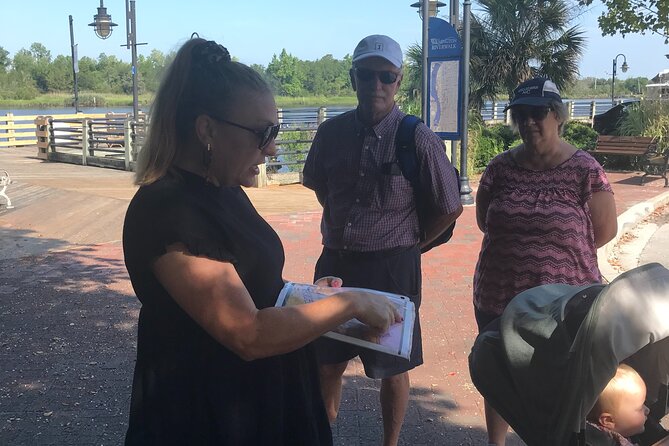
Tours like this work best when they don’t pretend history happened in a vacuum. After the residential streets, the route shifts toward church and commercial districts. This is where the stories broaden beyond individual homes and start linking institutions to daily life and economic rhythm.
You’ll likely hear how communities organized themselves—how churches served as landmarks, and how commercial areas reflected Wilmington’s priorities at different points. It’s also a useful contrast: architecture in residential zones can feel personal, but commercial blocks show you how the city presented itself to trade, visitors, and residents moving through public space.
The “drawback” here is simple: downtown streets bring traffic noise. In practice, it can make listening tougher near busier corners. If you’re sensitive to that, position yourself where you can hear best before the guide starts a key explanation—stand still, don’t wander off for photos mid-sentence, and let the guide finish.
Burgwin-Wright House and Gardens: Domestic Life Without the Long Detour
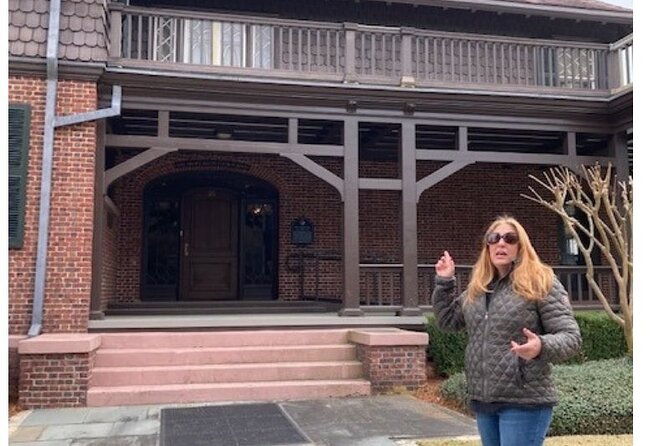
Another standout stop is Burgwin-Wright House and Gardens. Gardens matter here. They’re not just scenery; they help you imagine how people used space beyond the front door—what “comfort” looked like, and how a property’s surroundings reinforced its identity.
Again, this tour is designed around exteriors. That sounds limiting, but it’s also efficient. You get to see a lot of context without losing 45 minutes waiting your turn for interior rooms.
Why this stop is worth the time: gardens and house grounds give you a fuller sense of the property as a lifestyle statement, not just a facade. If you like architecture, this stop adds texture. If you care about history, it adds humanity—people lived there, tended to the grounds, and built routines around place.
What’s Included (And What You Should Not Expect)
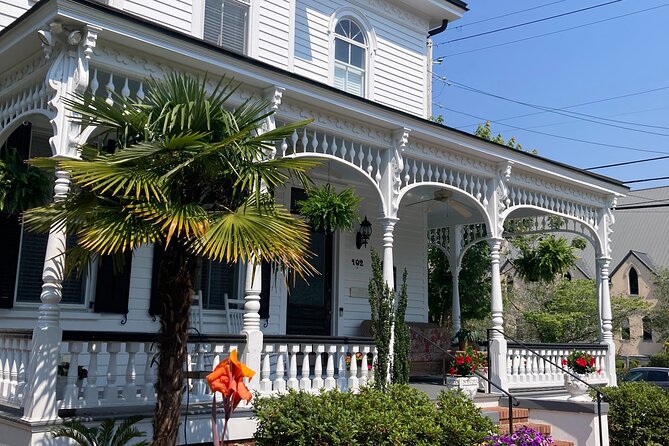
Included in the experience is a walking history and architecture tour. What isn’t included is home interior access. The route is through residential, church, and commercial districts, with stops for viewing architecture and hearing the story behind it.
For some people, that’s a deal breaker. For most, it’s a smart trade. Interiors usually take time, and time is what you’re buying here—about 1.5 miles of walking with multiple stops. By focusing on the streetscape and key exterior landmarks, the tour gives you a wider sweep of Wilmington at a price that’s hard to beat.
If you’re the type who wants to tour rooms, pair this with a separate site visit later. Use this walk to learn what to notice, then go deeper where interiors are available.
The Guide Factor: Amanda Leese and the Pace of a Small Group
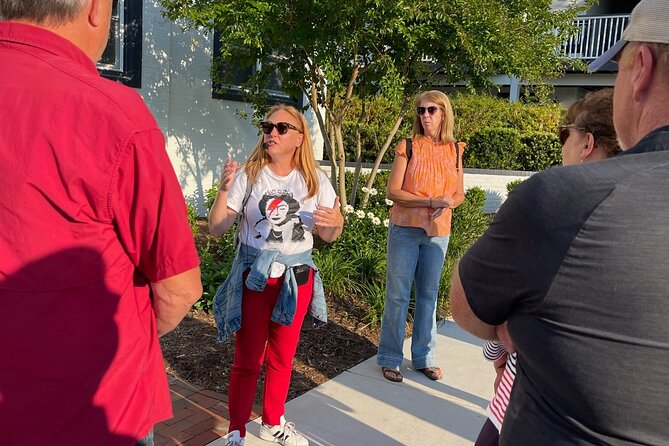
This tour is led by Amanda Leese. Across the experience, the strongest signal is consistent: you’ll get stories that connect Wilmington’s development and architectural choices, not just a list of styles. The pacing tends to feel comfortable because the group is capped at 10 travelers. That matters. When a tour is too large, questions get swallowed and the guide speeds up. Here, the size supports a calmer rhythm.
Still, audio can be inconsistent at street level. In a few moments, you may find it harder to pick up details if the guide isn’t amplified clearly or if traffic noise spikes. If that happens, don’t panic. Move slightly closer, or pause near the guide for the next explanation so you can catch the thread.
Also, bring a mindset for walking and stopping. This is not a “power stride” tour. It’s built for sightlines, short talks, and photo breaks.
Price and Value: Getting a Lot of Story for $25
At $25 per person for about 90 minutes, this is one of those Wilmington buys that feels fair even if you’re budgeting. You’re paying for a guided route with multiple named exterior stops (like Bellamy Mansion and Burgwin-Wright House and Gardens) and a structured explanation of how architectural styles connect to the city’s Civil War-era story.
What makes it good value isn’t just the price. It’s the small group and the stop-and-look format. With a larger tour, you’d spend time moving and waiting. With a small one, you’re more likely to actually notice the details being described.
If you’re deciding between a generic downtown stroll and a guided architecture/history walk, this is the upgrade: you’ll leave with a mental map of styles and a clearer sense of why Wilmington looks the way it does.
When to Go and What to Bring for an Easy Walk
You’ll walk about 1.5 miles, so come ready for a steady stroll. Wear comfortable shoes. This matters more than people think—historic districts can mean uneven sidewalks and lots of curb navigation.
Bring:
- Water (you’ll be outside)
- Sunscreen
- A little flexibility with time if the tour runs closer to 2 hours
Weather matters too. The experience requires good weather, so if conditions are rough, the tour may be rescheduled or you’ll receive a refund depending on the provider’s process.
If you’re traveling in hot months, aim to start with good hydration and consider taking a break if you need one—short stops are part of the rhythm anyway.
Should You Book This Wilmington History and Architecture Tour?
Yes, if you want an efficient, street-level way to understand Wilmington. This is especially worth it if you like architecture and want the “why” behind Greek Revival and Italiante details, or if Civil War history feels more real when it’s tied to places you can stand in front of.
I’d skip it (or pair it) if you mainly want interior tours or if you’re extremely sensitive to audio in outdoor settings. The route is exterior-focused, and busy streets can occasionally interfere with hearing.
For most visitors, though, this is a smart first-visit experience. It helps you get your bearings fast, teaches you what to look for, and turns a downtown walk into a story you can keep noticing long after you’re done.
FAQ
How long is the Wilmington History and Architecture Walking Tour?
It runs for about 1 hour 30 minutes (approx.), though it may take closer to 2 hours depending on the pace and stops.
Where does the tour start?
The tour starts at Front Street Inn, 215 S Front St, Wilmington, NC 28401, and ends back at the meeting point.
What is the walking distance?
The tour requires that you can walk about 1.5 miles.
What should I bring?
Wear comfortable shoes and bring sunscreen and a bottle of water.
Does the tour include home interiors?
No. The tour focuses on residential, church, and commercial districts and does not include home interiors.
How big is the group?
This experience has a maximum group size of 10 travelers.
What language is the tour offered in?
The tour is offered in English.
What happens if the weather is bad or I need to cancel?
The experience requires good weather. Cancellation is free, and you must cancel at least 24 hours in advance for a full refund. If canceled less than 24 hours before, the amount paid isn’t refunded.