REVIEW · CHICAGO
Chicago: Prohibition-Era Culture & Architectural Treasures
Book on GetYourGuide →Operated by Intrepid Urban Adventures · Bookable on GetYourGuide
Prohibition-era Chicago hits different on foot. This Prohibition-era themed tour turns major landmarks into a story about crime, design, and how the city grew, and I love that it’s taught in a small-group format with guides known for lively street-level storytelling (you might meet Dash, Kevin, Rich, Bash, or Wallach). One heads-up: it’s about 4.8 km (3 miles) of walking, mostly outdoors, so you’ll want comfortable shoes and solid legs.
The route moves smoothly from the Chicago Theater to the Riverwalk, includes time at the Chicago Cultural Center, and finishes at Millennium Park with the iconic Bean. At $49 for 2.5 hours, it’s a practical way to get oriented fast without feeling like you’re on a bus timeline.
In This Review
- Key Things to Know Before You Go
- Why This Prohibition-Era Architecture Walk Works
- Starting at the Chicago Theatre: Where the Tour Sets Its Pace
- Riverwalk to Willis Tower: Turning Streets into a Building Timeline
- London House and Du Sable Bridge: Where Art Deco Comes Through
- Chicago Cultural Center Stop: The Indoor Reset You’ll Appreciate
- Food Notes (So You Don’t Get Caught Off Guard)
- Wrigley Building and Tribune Tower: Journalism Roots in the City’s Power
- Millennium Park’s Bean Finish: What to Do After the Tour
- Price, Time, Carbon-Neutral Details, and Group Size: Real Value Check
- Sustainability note that matters (even if you’re not a green tourist)
- Who this small-group format is for
- Who Should Book This Tour (and Who Might Not)
- Should You Book This Prohibition-Era and Architecture Tour?
- FAQ
- Where does the tour start?
- How long is the tour?
- What does the $49 price include?
- What is the group size?
- Is the tour child-friendly?
- Can they accommodate dietary needs?
Key Things to Know Before You Go
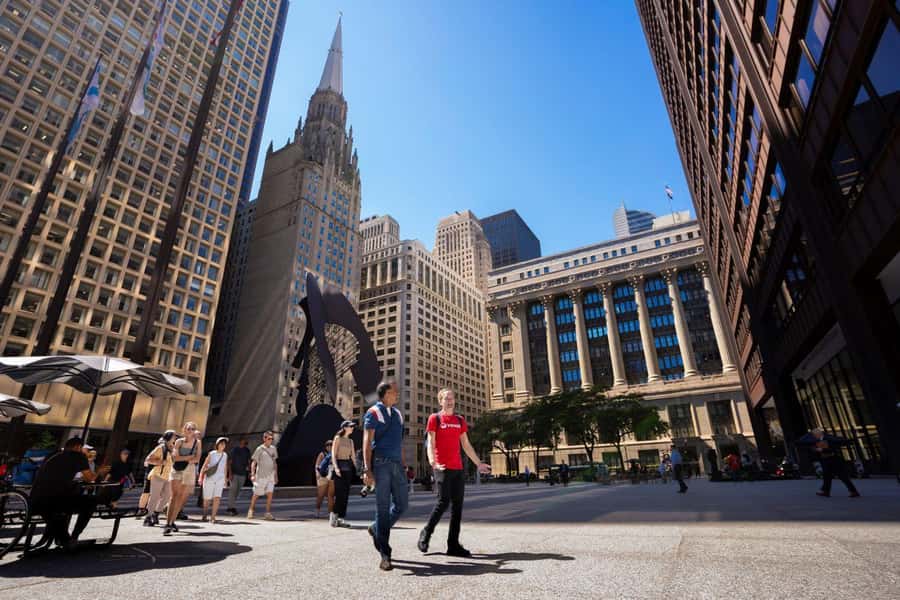
- Prohibition-era story thread: You’ll connect the era’s legacy to what you see in the streets and buildings.
- Riverwalk + landmark architecture: You pass major sights including Marina Towers, Willis Tower, and the Jewelers Building.
- Art Deco details in the mix: London House and Du Sable Bridge are part of the architectural highlights.
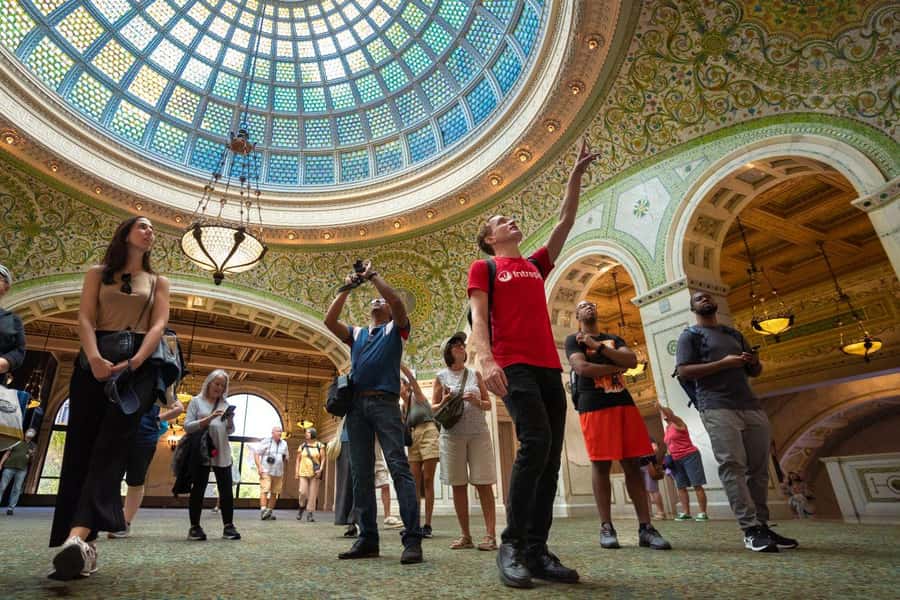
- Chicago Cultural Center stop: Plan on a meaningful indoor moment plus a popcorn tasting.
- Ends at Millennium Park’s Bean: Easy to continue on your own after the tour.
Why This Prohibition-Era Architecture Walk Works
Chicago architecture tours can go two ways: either you memorize building facts, or you understand why the city looks the way it does. This one does the second. The Prohibition-era legacy gives you a theme, and the stops show how history, crime, and design shaped Chicago’s momentum and skyline.
The best part is that the story stays tied to what you’re actually walking past. You don’t just see famous structures—you learn how they fit into the city’s changing future. And because it’s a small-group format (up to 16 passengers), you’re not fighting for attention or asking questions into a noisy crowd.
At $49 per person for 2.5 hours, you’re paying for a live local English-speaking guide plus a popcorn tasting. That doesn’t sound like much until you realize the walking route strings together multiple top-tier neighborhoods and landmark buildings without you needing to plan a scavenger hunt.
You can also read our reviews of more tours and experiences in Chicago.
Starting at the Chicago Theatre: Where the Tour Sets Its Pace
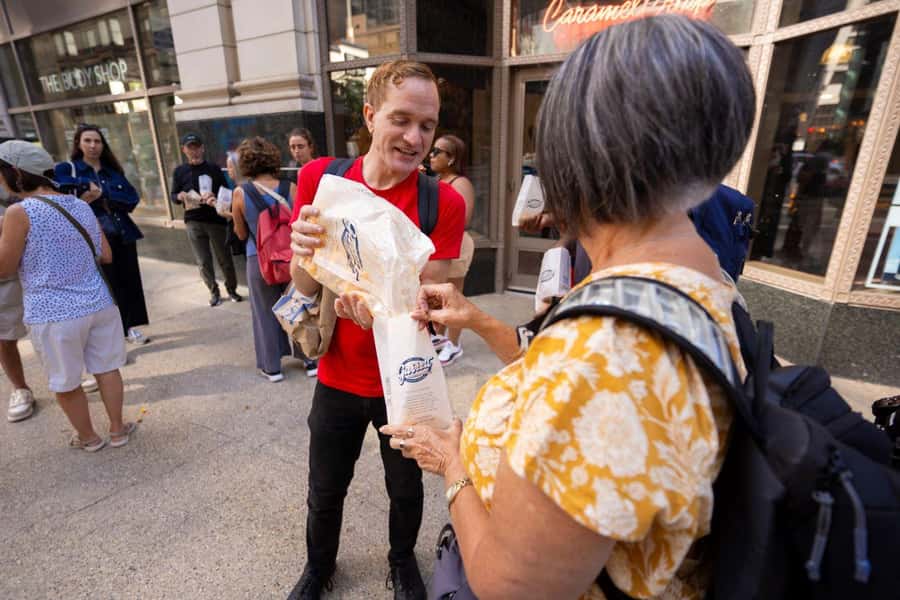
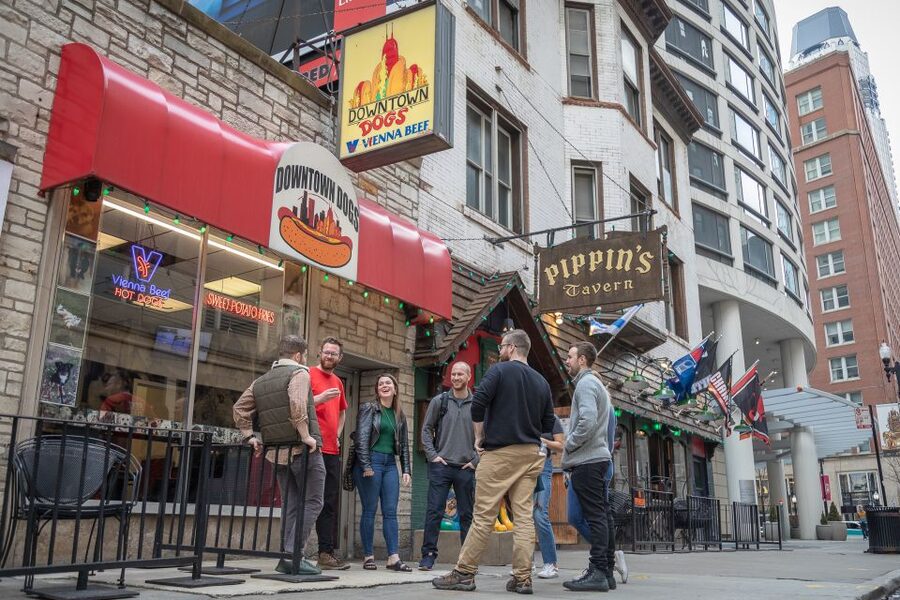
Your meeting point is the Chicago Theatre, underneath the marquee at 175 N. State Street. Arrive a few minutes early so you can find the group before you’re herded anywhere.
Starting at a big, recognizable theater matters. It gives you a visual anchor right away, and from there you move into the Riverwalk area where you can actually see how Chicago’s built environment lines up with street life. It’s a good way to get your bearings fast—especially if this is your first trip to downtown.
The tour format also makes a difference. It’s not a lecture you listen to from a distance. Your guide is walking with you, pointing out details, and pacing the group so people can keep up. In past tours, guides have been attentive to things like breaks, restroom needs, and snack timing, which helps a lot when you’re doing a multi-stop walk.
Riverwalk to Willis Tower: Turning Streets into a Building Timeline
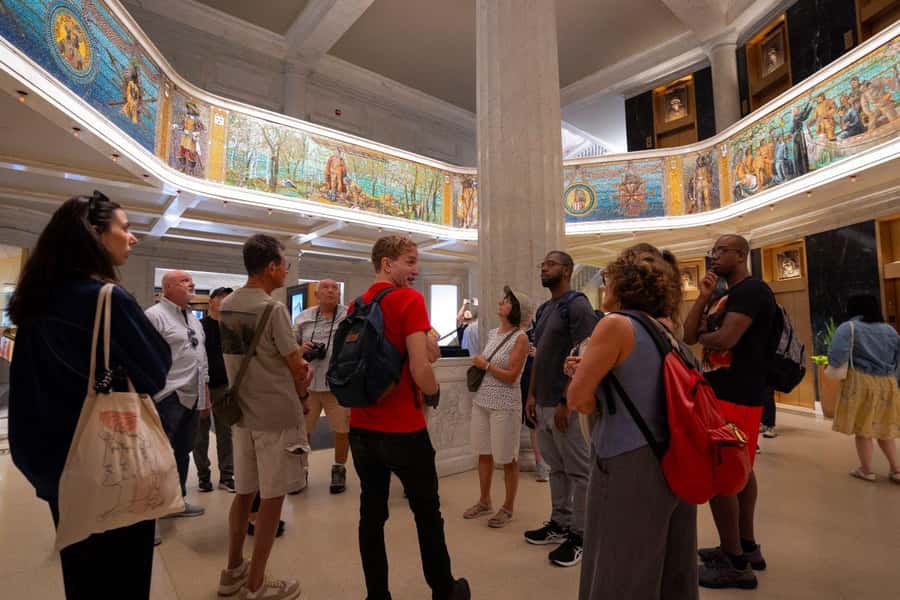
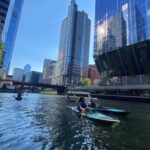
After the Chicago Theatre, the route follows the Riverwalk and layers in architectural highlights that make Chicago feel like a living timeline.
Here are some of the key landmarks you’ll encounter along the way:
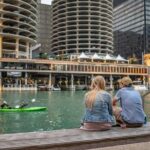
- Marina Towers: a clear example of how the skyline keeps evolving near the water.
- Willis Tower: one of Chicago’s most recognizable silhouettes, useful for understanding why the city became so vertical.
- Jewelers Building: a nod to the city’s commercial and architectural identity.
You’re not just looking up at icons. You’re also learning how the city’s design choices reflect shifting priorities—what Chicago wanted to be known for, and how it built its reputation in stone, steel, and glass.
London House and Du Sable Bridge: Where Art Deco Comes Through
This tour pays attention to style, not just fame. London House and Du Sable Bridge bring in Art Deco elements, which is a smart inclusion if you want more than generic skyline photos.
Art Deco can be hard to spot on your own if you don’t know what you’re looking for. Having a guide point out design features while you’re standing there makes it stick. You start to notice repeated shapes, strong geometry, and that crisp, “built to impress” look that Chicago does so well.
Chicago Cultural Center Stop: The Indoor Reset You’ll Appreciate
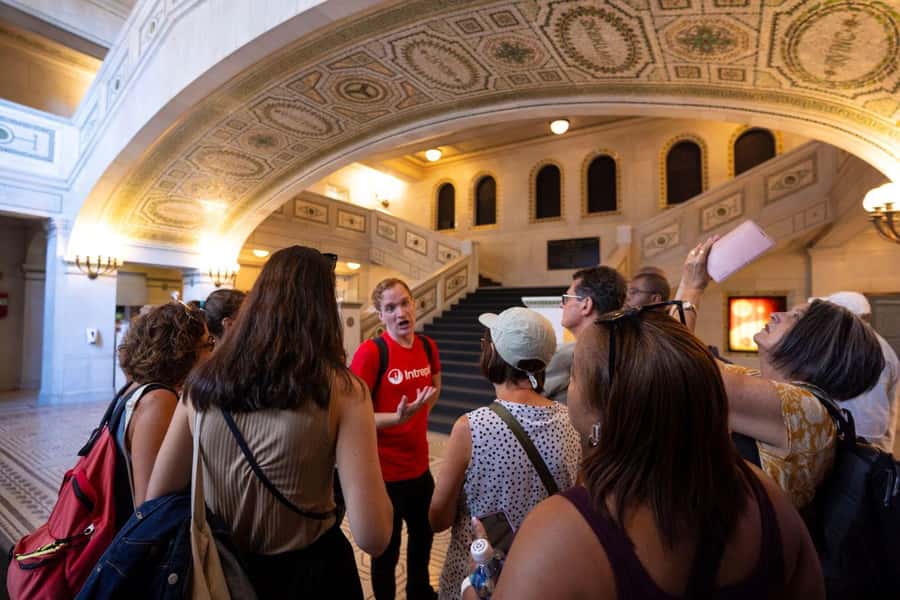
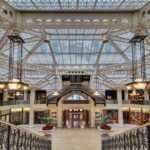
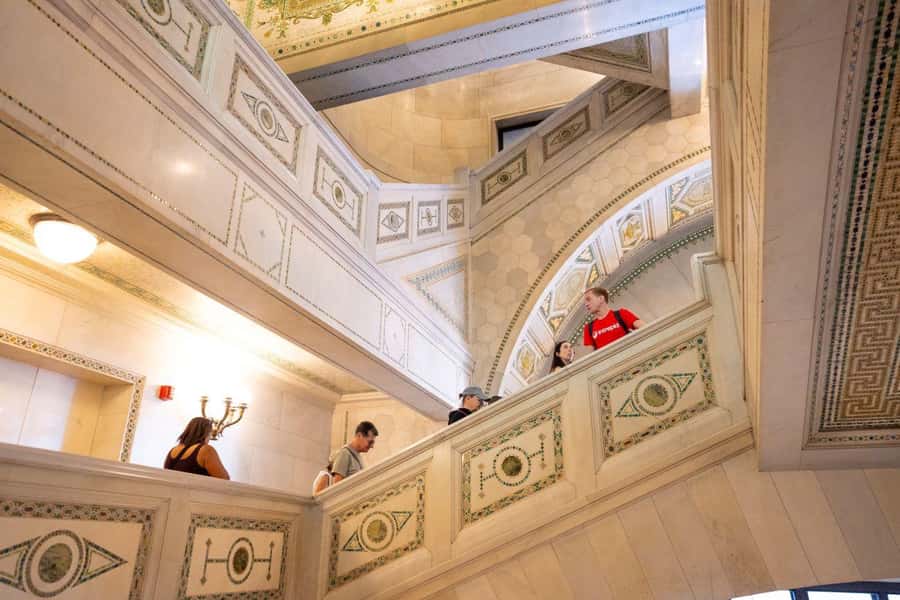
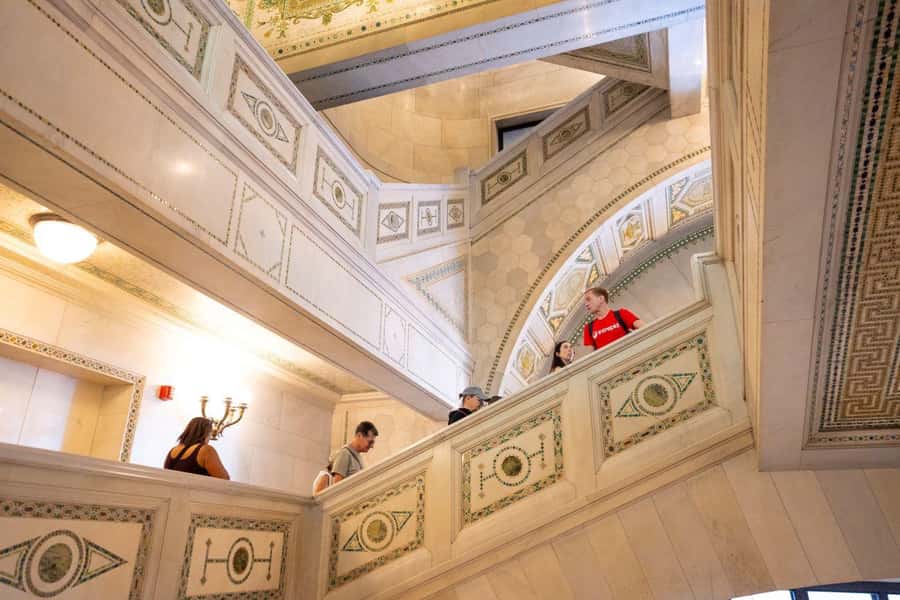
The Chicago Cultural Center is one of those places you’ll remember even after you’ve left. It’s a major architectural and cultural landmark, and it gives your feet a breather while your brain stays engaged.
This is also where the tour adds a small local food moment: Chicago-style popcorn. It’s included, it’s easy, and it helps break up the walk without turning the experience into a long sit-down. If you’re traveling with kids, this kind of simple treat often lands well.

Food Notes (So You Don’t Get Caught Off Guard)
The tour can accommodate vegetarian options, but it can’t accommodate other food allergies or dietary preferences. If that matters for you, plan ahead and notify them in advance so you’re not trying to solve food needs mid-tour.
Wrigley Building and Tribune Tower: Journalism Roots in the City’s Power
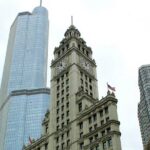
One of the more interesting angles of the tour is how it connects the city to journalism. You’ll also spend time learning about Wrigley Building and Tribune Tower, which is a great reminder that Chicago’s “story” isn’t only about crime and buildings—it’s also about how people communicated, built public narratives, and shaped public opinion.
In a Prohibition-era context, that connection makes sense. When social tensions rise, information matters more—who controls the message, how it spreads, and what the city chooses to highlight or ignore. Even if you’ve never studied Chicago’s media past, this stop helps you see why certain buildings became symbols of influence.
And for architecture lovers: these stops give you a change in texture. You move from skyline icons to landmark buildings associated with enterprise and media, which broadens the tour beyond “tallest-first” sightseeing.
Millennium Park’s Bean Finish: What to Do After the Tour
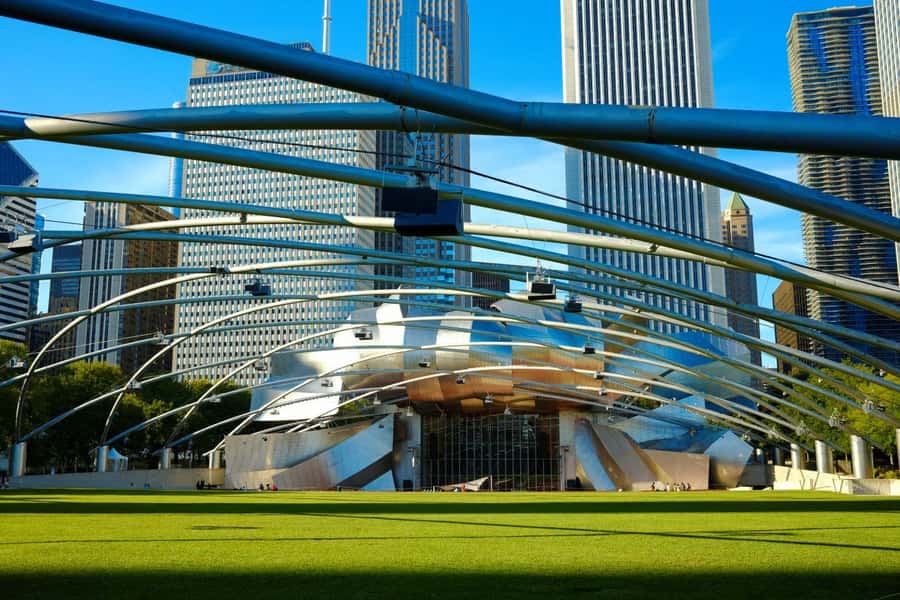
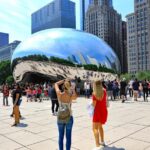
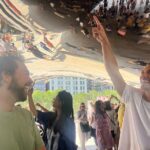
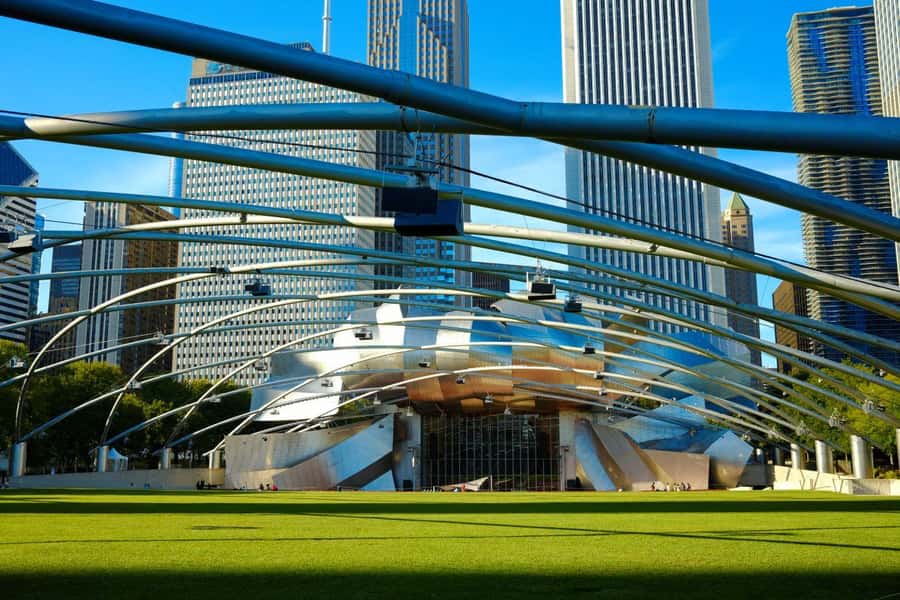
The walk ends at Millennium Park, home to the famous Bean (Cloud Gate). This is a practical finish point: it’s central, it’s photo-friendly, and it’s easy to connect to other downtown plans afterward.
More importantly, your guide will share recommendations for lunch and additional sights. That’s genuinely useful because you’ll leave the tour with a short list of what fits your energy level—something that’s harder to do when you’re standing in Chicago with 30 tabs open in your head.
If you want a low-stress way to extend the day, this ending spot gives you options. You can hang around the park, keep wandering the downtown grid, or pivot toward museums and shopping nearby without committing to another tour.
Price, Time, Carbon-Neutral Details, and Group Size: Real Value Check
Let’s talk value, not just cost.
- Price: $49 per person
- Duration: 2.5 hours
- What’s included: walking tour, local English-speaking guide, and popcorn tasting
- Group size: small group, up to 16 passengers
- Theme: Prohibition-era legacy through architecture and key downtown landmarks
For Chicago, getting a curated route that strings together the Chicago Theatre, the Riverwalk, the Chicago Cultural Center, major architecture icons, and Millennium Park in just 2.5 hours is the key value. You’d spend more time figuring out transportation and logistics on your own than you would actually spend looking at buildings.
Sustainability note that matters (even if you’re not a green tourist)
The tour is described as carbon neutral and run by a B Corp certified company committed to using travel as a force for good. If that’s part of how you choose experiences, it’s a meaningful checkbox.
Who this small-group format is for
If you like asking questions and getting answers tied to what you’re seeing, small-group tours are easier. And if you’re traveling as a couple or with family, the pace tends to feel more natural than bigger group walks.
Who Should Book This Tour (and Who Might Not)
This tour is a strong match if:
- You’re in Chicago for the first time and want a fast orientation through major downtown architecture.
- You care about how history shows up in cities—especially the Prohibition-era angle connected to design and crime legacy.
- You want a walk that includes both outdoor icons and an indoor architectural stop at the Chicago Cultural Center.
- You like guided storytelling that includes food in small doses (the popcorn tasting is included).
It might not be your best fit if:
- You don’t enjoy walking about 3 miles (4.8 km) outdoors in variable weather.
- You need help with non-vegetarian allergies or very specific dietary restrictions, since only vegetarian options are accommodated.
Should You Book This Prohibition-Era and Architecture Tour?
Yes, if you want a guided way to see Chicago’s downtown architecture while understanding the Prohibition-era theme behind it. The route is efficient, the guide experience is a big part of the payoff, and the small-group size keeps the tour human. For $49, you’re not just paying for “sightseeing”—you’re paying for interpretation at walking speed, plus a small local snack.
If your main goal is a broader architecture day, this walk also plays well with other skyline experiences. In the real world, many people like pairing a walking architecture tour with an additional water-based viewpoint later, because you see the same skyline from a new angle.
FAQ
Where does the tour start?
The meeting point is the Chicago Theatre, underneath the marquee, at 175 N. State Street, Chicago, IL 60601.
How long is the tour?
The tour lasts 2.5 hours and is usually available in the morning and afternoon.
What does the $49 price include?
It includes a walking tour, a local English-speaking guide, and a popcorn tasting.
What is the group size?
It’s a small-group tour with a maximum of 16 passengers.
Is the tour child-friendly?
Yes. It is suitable for all ages and fitness levels, and children under 6 can join free of charge.
Can they accommodate dietary needs?
Vegetarian options can be accommodated, but other food allergies or dietary preferences cannot. Let them know in advance if you have any dietary requests.