REVIEW · HELSINKI
Helsinki: Architecture Walking Tour with Expert
Book on GetYourGuide →Operated by Ataman Tours · Bookable on GetYourGuide
Great buildings tell better stories in Helsinki. This 3-hour architecture walk helps you spot how different eras and styles sit side by side in the city center, from neoclassical to modern work. I especially like the small group setup, capped at 6, which makes it easier to ask questions and keep a steady pace.
Second, I like that the guide connects architecture to everyday Finnish life and even politics, so you don’t just memorize facades. One thing to consider: you’ll walk about 5–6 km total (roughly 3–4 miles), so if mobility is limited, it may be tough in cold or wet weather.
In This Review
- Key highlights worth your time
- Helsinki’s architecture reads like a timeline
- Where you meet: Aleksanterinkatu and Kluuvikatu (easy to find)
- Senate Square: neoclassical vibes and big-public symbolism
- National Library of Finland: when learning gets architecture
- Central Railway Station: arrival architecture and civic confidence
- Oodi public library: contemporary Finland in plain sight
- JugendHall: Art Nouveau/Jugendstil details you can actually spot
- Pohjola Insurance Building: Nordic classicism meets practical power
- Academic Bookstore: design, culture, and the learning vibe
- The architects you’ll hear: Engel, Saarinen, Aalto
- What makes Emek’s guiding method work
- Pace, weather, and footwear: plan like a local
- Price and value: what $70 buys you
- Who should book this architecture walk
- Should you book Ataman Tours’ Helsinki architecture walk?
- FAQ
- How long is the Helsinki architecture walking tour?
- What is the price per person?
- Where do we meet the guide?
- Is the tour offered in English, and how big is the group?
- How much walking should I expect?
- Does the tour run in bad weather?
Key highlights worth your time

- Emek’s style: history, culture, and architecture mixed at a pace that feels relaxed
- Small group: up to 6 people, so the tour doesn’t feel rushed
- Signature stops: Senate Square, National Library, Central Railway Station, Oodi, and more
- Style spotting in real life: neoclassical, Gothic revival, Art Nouveau/Jugendstil, Nordic classicism, modernism
- Interior moments: you may step inside key buildings like the National Library and Central Station
- All-season operation: rain or shine, including very cold conditions when explanations shift indoors when possible
Helsinki’s architecture reads like a timeline

Helsinki is one of Europe’s best cities for architecture nerds, but it works even if you’re not trying to be one. The city center holds multiple styles in close range, so you can stand on one street corner and see how tastes changed over time.
What makes this tour different is the way it teaches you to look. You start by recognizing broad movements—neoclassical, Gothic revival, Art Nouveau/Jugendstil—and then you learn what those styles were trying to say. Helsinki also has Nordic classicism, modernism, functionalism, and newer contemporary work all in the same walkable area, which makes the whole city feel like a living classroom.
And the point isn’t just aesthetics. The best buildings often reflect practical needs—materials, climate, institutions, and how people wanted public spaces to feel. That’s where the guide’s context really pays off.
You can also read our reviews of more tours and experiences in Helsinki.



Where you meet: Aleksanterinkatu and Kluuvikatu (easy to find)
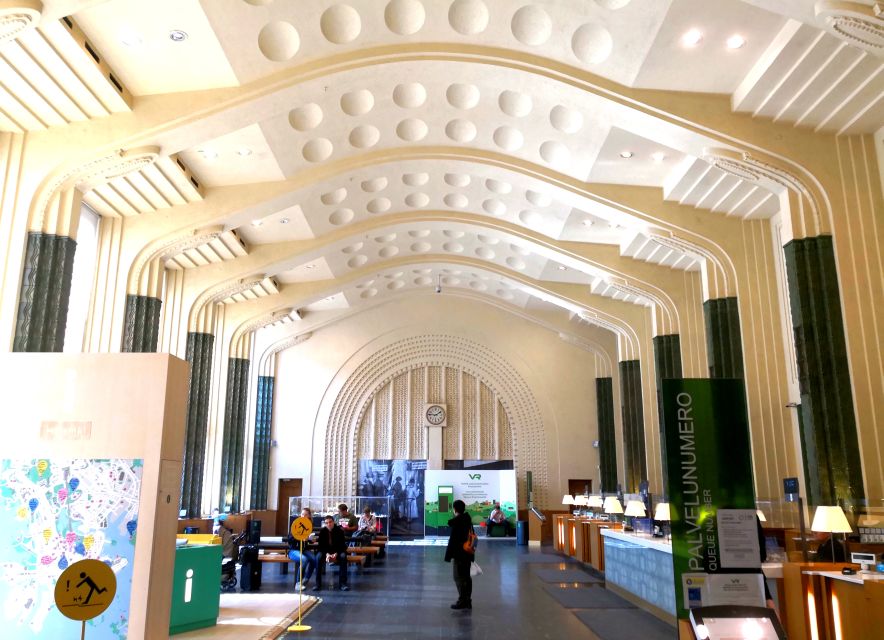
You’ll meet at the corner of Aleksanterinkatu and Kluuvikatu, outside Aleksanterinkatu no 9B at the Nanso Clothing Store. It’s a simple landmark start in a central area, and being outside makes it easier to spot the group and check you’re in the right place before you head off.
Because this is a walking tour, you’ll want to arrive a bit early, especially if you’re figuring out which side of the street you’re on. Once you’re with the guide, the tour moves in a smooth flow—no complicated transfers, just steady walking.
Senate Square: neoclassical vibes and big-public symbolism

The tour includes Senate Square, one of Helsinki’s most recognizable sets of buildings. Even before the guide gets into the details, you can feel the “public statement” energy. This is the kind of space designed for civic identity, not just private comfort.
What you learn here is how neoclassical ideas show up in form and proportion—how buildings can look stable, official, and meant for national life. Then the guide helps you connect the visual cues to the bigger story of Finland’s evolving identity.
If you like photography, this is a strong first stop because the buildings frame each other and the square gives you natural angles. It’s also a good place to start training your eye for style differences—once you understand what to look for in one area, the rest of the walk becomes easier.
National Library of Finland: when learning gets architecture
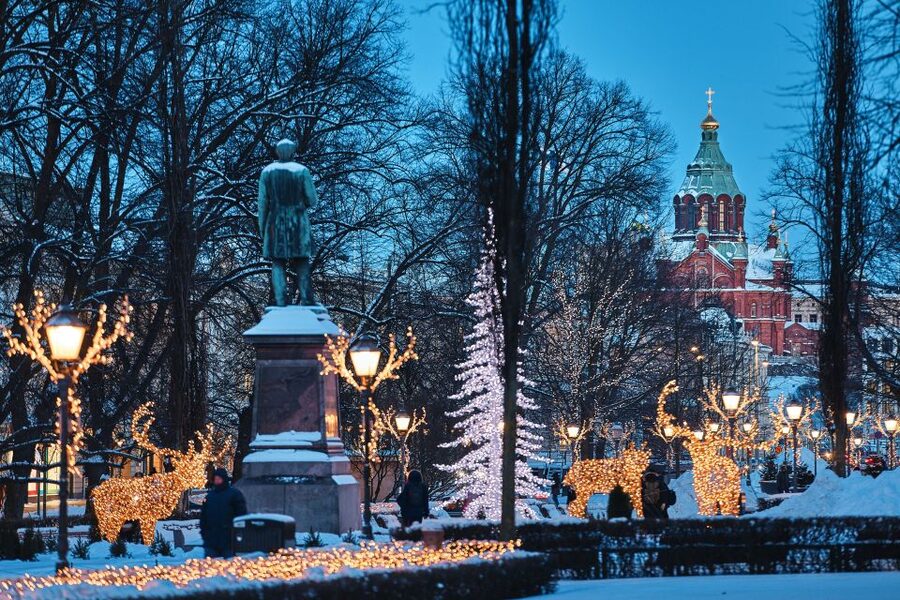
Next up is the National Library of Finland. Libraries can be quiet, but their buildings often carry a loud message: culture matters, education matters, and public institutions should feel dignified.
This is where the tour tends to give you a deeper appreciation for how design supports purpose. You’ll hear explanations that connect the building’s character to its role in Finnish life, not just its appearance. In colder months, you may also get more indoor-focused narration, since the tour operates rain or shine and the guide has a track record of adjusting explanations indoors when conditions turn harsh.
If your travel style is practical—wanting to understand why a place looks the way it looks—this stop delivers. You’ll leave the library with more than photos; you’ll have a way to read what you’re seeing.
Central Railway Station: arrival architecture and civic confidence
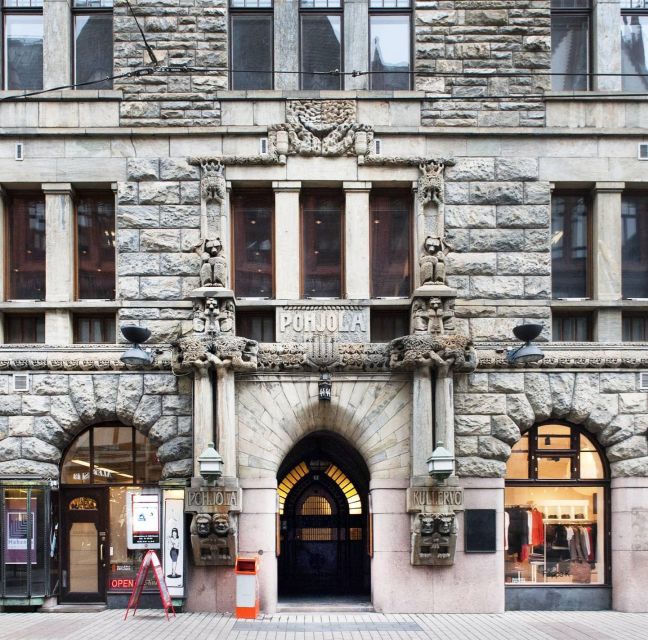
The tour then moves to Central Railway Station, another major Helsinki icon. Stations are a special category: they have to handle crowds, movement, and expectations. Good station design feels grand but also functional, and Helsinki’s main hub does both.
On this walk, I like that the guide doesn’t treat the station like a monument you just pass. You’ll get the story behind how these public buildings fit into a city’s rhythm—how people travel, where they gather, and what a nation wants to project when everyone comes through the doors.
One bonus from prior groups: the tour has included stepping into major interior spaces like the main station. If that happens on your date, you’ll notice details from inside that you’d miss from the street.
Oodi public library: contemporary Finland in plain sight
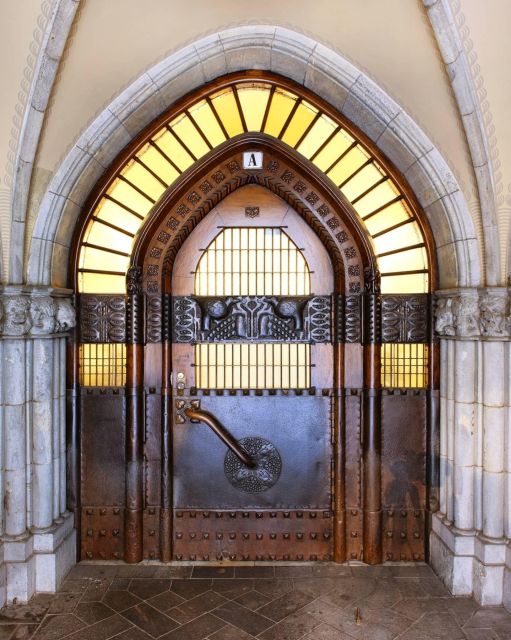
You’ll also see Oodi, Helsinki’s newer public library. If the older buildings teach you how a city wanted to look in earlier eras, Oodi shows how Helsinki thinks now—about access, public life, and modern cultural spaces.
The design language feels more contemporary, and the tour helps you understand why newer buildings don’t try to copy older styles. Instead, they respond to today’s needs: flexible public areas, visible community energy, and architecture that invites everyday use rather than only ceremonial use.
Oodi is a good “contrast stop.” After walking through historic styles, you get to compare scale, materials, and how the building welcomes people. It’s one of those places that makes you realize architecture isn’t stuck in time.
JugendHall: Art Nouveau/Jugendstil details you can actually spot
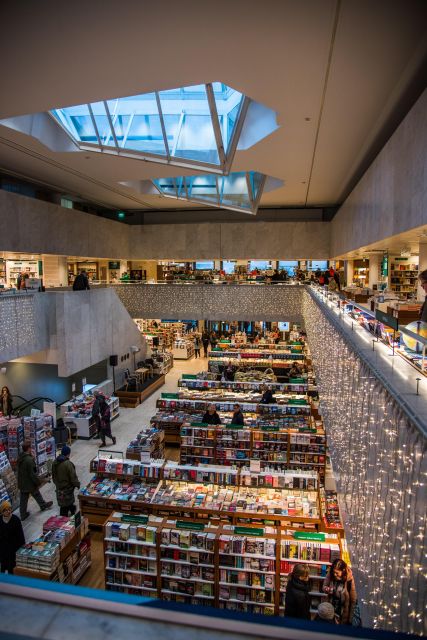
At JugendHall, the tour turns your attention to Art Nouveau / Jugendstil—a style famous for decorative energy and distinctive ornament. Once you know what to notice, those flourishes become more than decoration. They often reflect a period’s belief that everyday design can be beautiful.
This is a great stop if you enjoy close-looking. The guide’s explanations help you see why certain shapes and textures were chosen, and how this style fits into the wider Helsinki story.
It also helps that this is a walking tour rather than a bus ride. You can pause, look, and let your eye catch details. If you only have one day in Helsinki and want more than postcard views, this kind of stop is where the tour earns its value.
Pohjola Insurance Building: Nordic classicism meets practical power
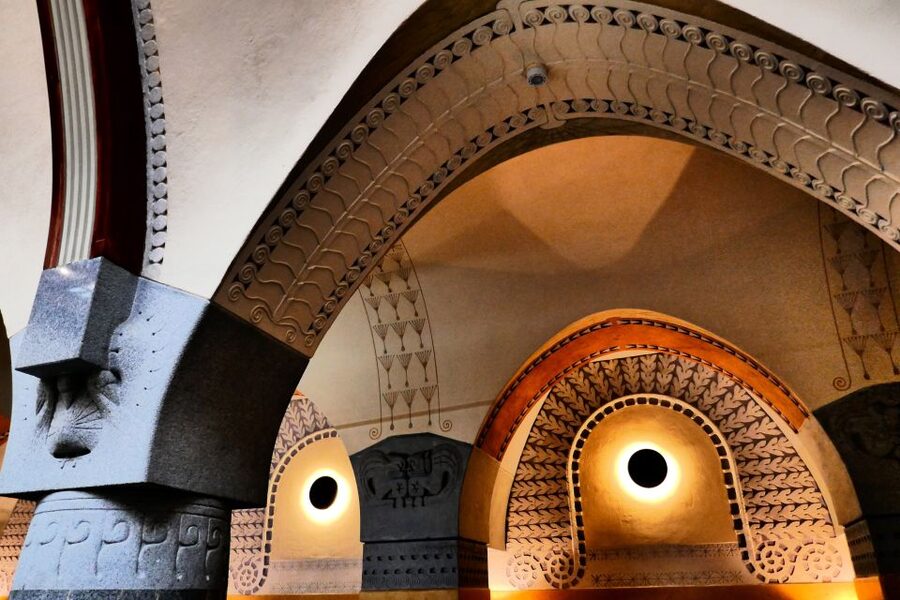
The walk includes the Pohjola Insurance Building. Insurance buildings are a clue to what a city values in certain periods: stability, trust, institutions built for long-term service.
Here’s the key for your brain: the tour helps you move from “style name” to “real intention.” Nordic classicism and related design ideas often aim for order and confidence. The guide’s framing makes you consider who a building was for and what it was meant to communicate.
This stop also matters because it broadens the range beyond churches and monumental squares. Not everything important in a city is religious or ceremonial. Companies and civic institutions shape the visual identity too.
Academic Bookstore: design, culture, and the learning vibe

The Academic Bookstore is included, and it’s a smart choice for an architecture-focused walk. Bookshops can feel simple from the outside, but in a city like Helsinki they also connect to the broader theme of knowledge, language, and learning spaces.
This stop helps shift the tour from only grand architecture to the everyday cultural environment that makes a city work. It’s the kind of place where design supports a lifestyle—somewhere you go to browse, read, and linger.
Even if you’re not buying anything, it’s a useful “tone check.” After seeing libraries and stations, you get a more rounded sense of how ideas travel through buildings.
The architects you’ll hear: Engel, Saarinen, Aalto
A highlight of the tour is hearing about major architects linked to Helsinki’s built identity—Engel, Saarinen, and Aalto. You don’t just get names. The guide ties their work to why styles appeared when they did, and how those choices shaped what Helsinki feels like today.
What I appreciate here is that the tour doesn’t present architecture as a museum-only topic. Instead, it shows how design decisions build a city’s personality across generations. You start to recognize themes: what looks official, what looks modern, what feels functional, and what feels public-facing.
By the end, you’re more likely to notice similar patterns elsewhere in Finland—because you learned a framework for interpreting buildings, not only one city’s street scenes.
What makes Emek’s guiding method work
This tour is led by an expert guide, and the name Emek shows up again and again in past participants’ feedback. What stands out is how he blends architecture with the human side of Helsinki—Finnish life, history, and politics—without making the talk heavy.
I also like the pacing. Multiple groups said the explanations stay informative but not overwhelming, and that it feels tailored to the group’s interests. That matters because architecture tours can turn into monologues. Here, it sounds like the guide keeps it moving and keeps the content understandable.
There’s another practical advantage: small groups mean you’re not stuck listening over a crowd. If you want to ask questions about a building you can’t quite “read,” this format makes it more realistic.
And in very cold weather, Emek has handled the conditions by moving explanations indoors as much as possible when opportunities arise. That’s a big deal in Helsinki winter, when standing outside for too long is not fun.
Pace, weather, and footwear: plan like a local
This is a 3-hour walk covering about 5–6 km. That’s not extreme, but it is enough that you’ll want to treat it like real strolling, not casual sightseeing.
Wear comfortable shoes. Bring weather-appropriate clothing. The tour runs year-round, rain or shine, so you’ll need to be comfortable in the elements. Helsinki weather can change fast, so layers are your friend.
A smart strategy: keep your day flexible. If you’ve got another museum or long attraction planned right after, consider giving yourself a little recovery time. Your feet will appreciate it.
Price and value: what $70 buys you
At about $70 per person for 3 hours, the price isn’t “cheap,” but it’s also not trying to be a mass-tour deal. The big value lever here is the expert guide and the small group limit of 6.
For this kind of topic, the guide’s explanations are the product. If you join a larger group, the chance to ask questions and adjust pacing drops. With only a handful of people, you get a more personal experience and better attention on the details that turn architecture into something you understand.
Also, the tour includes multiple major sites—Senate Square, the National Library, Central Railway Station, Oodi, JugendHall, and more—so you’re not spending your time hunting for locations on your own. When a city’s architecture is spread across styles and eras, that guided structure saves mental energy.
Who should book this architecture walk
You’ll get the most from this tour if you:
- like understanding the story behind buildings, not only taking pictures
- want a first serious pass through Helsinki’s architectural styles
- enjoy a mix of architecture, history, and culture
- prefer a small group size over large crowds
It’s also a good early booking if you plan to explore Helsinki further after. Once you learn how to spot neoclassical vs. Art Nouveau/Jugendstil vs. modern touches, the rest of the city becomes easier to read on your own.
Should you book Ataman Tours’ Helsinki architecture walk?
Yes—if architecture is your kind of “what am I looking at” activity, this one is a strong choice. The combination of a small group, an expert guide (Emek), and stop-by-stop explanations tied to Finnish life makes it feel like more than sightseeing.
Book it especially if you want to see Helsinki’s famous landmarks and learn how the styles connect across time. The main reason to skip or rethink is the walking distance. If 5–6 km on uneven city streets is a stretch for you, choose a different format.
If you do book, wear good shoes, dress for the weather, and come ready to look slowly. This tour rewards attention, not speed.
FAQ
How long is the Helsinki architecture walking tour?
The tour lasts about 3 hours.
What is the price per person?
The price is listed as $70 per person.
Where do we meet the guide?
Meet at the corner of Aleksanterinkatu street and Kluuvikatu street, outside Aleksanterinkatu no 9B at the Nanso Clothing Store.
Is the tour offered in English, and how big is the group?
The tour is in English and is limited to a small group of up to 6 participants.
How much walking should I expect?
Plan for about 5–6 km of walking (roughly 3–4 miles).
Does the tour run in bad weather?
Yes. Tours operate all year-round, rain or shine.