REVIEW · CHICAGO
Chicago City Tour: Elevated Architecture Tour with Train Ticket Included
Book on Viator →Operated by Chicago Architecture Center · Bookable on Viator
The L train is Chicago’s moving textbook. On this small-group architecture tour, I especially liked the certified guide storytelling and the fact that your CTA ride fare is included. You also get Chicago Architecture Center gallery time, so the tour has both street-level sights and a smart indoor primer.
What makes it work is the pace. About 15 minutes are on the train, and the rest is outside at station platforms, looking up at major buildings and learning what you’re seeing. I found that mix of transit and walking keeps your brain switched on, even on cloudy days.
One thing to plan around: the tour is mostly standing outside, and it’s not ADA accessible (stairs are required and seating at stations or on the train isn’t guaranteed). If standing and stepping up/down are hard for you, this may feel long, even though the overall time is only about two hours.
In This Review
- Key things you’ll notice on this Chicago L architecture tour
- Why the Chicago L train feels like the best kind of tour
- Meeting at 111 E Wacker Dr and getting your Ventra card
- The real mix: train time versus platform time
- Stop-by-stop: what you’ll see on the Loop and what your guide will connect
- Chicago Architecture Center (start): set your context
- Washington/Wabash: get the transit perspective
- Trump International Hotel & Tower: a skyline anchor
- Marshall Field and Company Building: classic department-store drama
- Harold Washington Library Center (and State/Van Buren): civic Chicago
- Metropolitan Correction Center (MCC): a serious reminder
- 343 S Dearborn St (Fisher Building): ornament from a new angle
- DePaul University (DePaul Center): education in the Loop
- 175 W Jackson Blvd (Insurance Exchange Building): why downtown looks the way it does
- Clinton: another station moment to watch the city breathe
- 567 W Lake St (CTA headquarters): transit’s own headquarters vibe
- Chicago Board of Trade Building: commerce made monumental
- 180 N Wabash Ave (LeMoyne Building): details you can actually spot
- Back to Washington/Wabash and return to the Chicago Architecture Center
- What the best guides do (and why it makes the tour feel worth it)
- Price and value: why $41 adds up (when you count what’s included)
- Outdoors, weather, and standing: how to pack for the real Chicago day
- Who this tour is best for
- Should you book this Chicago L architecture tour?
- FAQ
- What’s included in the tour price?
- How long is the tour, and how much time is actually on the train?
- Where do we meet?
- Do I need a Ventra card for the train ride?
- Is this tour suitable for people who have trouble walking or standing?
- Is seating guaranteed during station stops or on the train?
- Are pets allowed?
- Is food or drink included?
- What happens if weather is poor?
Key things you’ll notice on this Chicago L architecture tour
- Small group size (10 max) keeps the pace conversational
- Chicago Architecture Center galleries included right at the start and again at the end
- Ventra card setup at check-in gets you riding without detours
- Most time is on station platforms (views, photos, and building stories)
- Iconic downtown facades come into focus at multiple stops around the Loop
- Weather matters because so much of the tour is outdoors standing
Why the Chicago L train feels like the best kind of tour
I’ve taken plenty of architecture tours that are mostly standing on sidewalks with a guide pointing left and right. This one uses the Chicago L to change your angle on the city fast, like flipping pages in a book without turning your feet much.
The practical win is that you’re not stuck waiting for one perfect photo spot. You move between stations, then stop long enough to study buildings close up from the platform level. And because your guide is narrating the train ride and the walk-ups, you’re learning in the same order you’re seeing things.
This is also a real taste of Chicago transit. The Loop is where you feel the city’s rhythm, and the L is part of that pulse, not a museum exhibit. You’ll get why people love it even when it’s crowded or loud.
You can also read our reviews of more tours and experiences in Chicago.


Meeting at 111 E Wacker Dr and getting your Ventra card
You meet at 111 E Wacker Dr near the heart of downtown. Then you check in at the Chicago Architecture Center, where you’ll request a Ventra card from the Chicago Architecture Box Office when you’re there.
That detail is small, but it matters. If you’ve never used Chicago transit before, having the card sorted for your tour ride saves you stress. It also helps you start the day focused on the sights, not the ticket app.
The Chicago Architecture Center is also where the tour begins in a way that sets the tone. You start with admission to the galleries, so you’ll understand what you’re looking at before you step out into the street-and-platform views.
The real mix: train time versus platform time
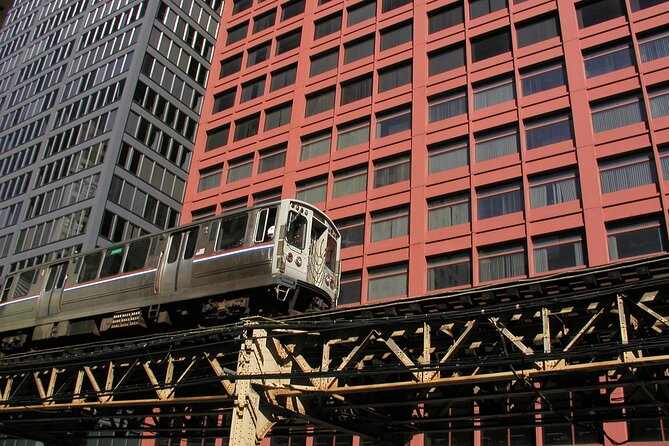
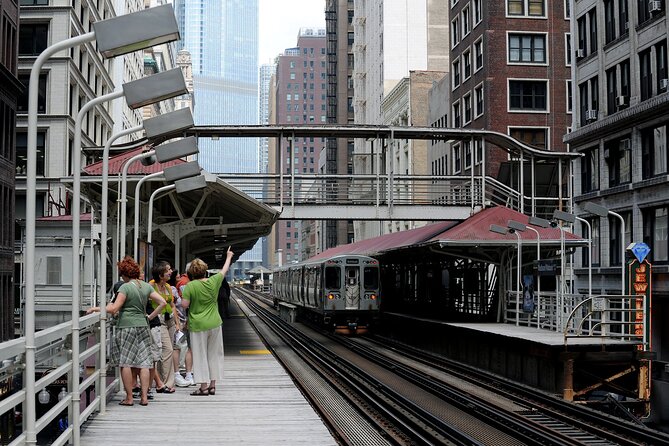
Here’s the rhythm I’d plan for: you’re on the train for only about 15 minutes, and most of the two-hour tour is outdoors standing on platforms. That matches the feel of the experience—part ride, part building-viewing, part quick history lesson.
Station stops are short, typically around 5 to 15 minutes. That means you can get a lot done, but you’ll also want to dress for the weather and keep your camera ready. There’s no coat check, and there’s no storage provided for luggage or strollers, so traveling light helps.
And seating isn’t guaranteed. Stations can be busy and the train can be crowded, so it’s smart to assume you’ll be standing more often than you’d like.
Stop-by-stop: what you’ll see on the Loop and what your guide will connect
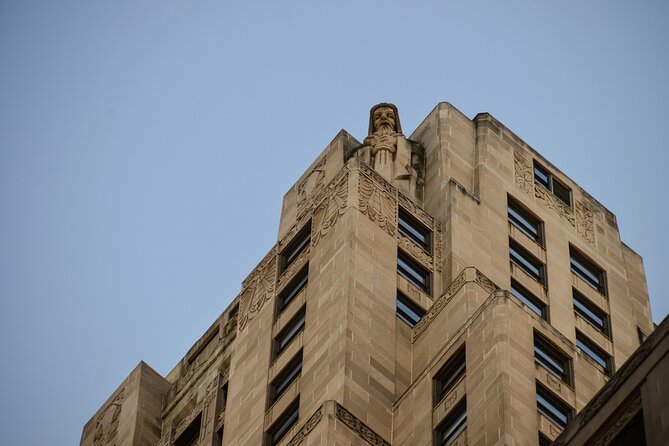
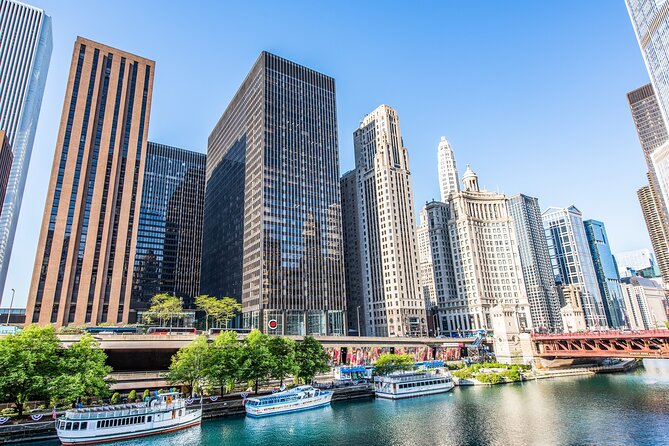
The tour covers a tight Loop route, with a lot of famous Chicago names coming into view at platform level. Your guide will weave the buildings into the story of the L—how it shaped the area and how the city grew around it.
Chicago Architecture Center (start): set your context
You begin at the Chicago Architecture Center, with admission to the galleries included. This is where the tour gives you the “why” before the “what,” so later stop photos make more sense.
From there, the L ride and station viewing turn into a living version of what you saw inside. It’s the kind of setup that helps first-timers.





Washington/Wabash: get the transit perspective
Next up is Washington/Wabash, one of the key Loop stations. The short stop is less about a single building and more about how the L fits into the neighborhood.
This is also a good moment to watch how people move—locals do this like they’ve done it a thousand times. You’ll likely spot why the L feels efficient even when it’s busy.
Trump International Hotel & Tower: a skyline anchor
At the view point for Trump International Hotel & Tower, you get a strong sense of modern Chicago scale. Your guide connects this kind of landmark to what the elevated rail enabled over time—dense development around transit.
Even if you’re not into luxury towers, it helps to see how downtown’s architecture keeps evolving along the rail spine.
Marshall Field and Company Building: classic department-store drama
Then comes Marshall Field and Company Building. This is where downtown’s older commercial grandeur shows up in the middle of today’s fast-moving city.
A platform vantage point is different from street photos. You’ll see how details and proportions read from above, and your guide will point out what to look for when you’re out of the sidewalk crowd.
Harold Washington Library Center (and State/Van Buren): civic Chicago
At the Harold Washington Library Center, you get a dose of civic architecture. The tour pairs this stop with State/Van Buren Station, which helps you connect the library’s importance to the transit grid around it.
If you like buildings that feel designed for public use—places meant for everyone—this stop tends to land well. It’s also a nice contrast to the more purely commercial facades nearby.
Metropolitan Correction Center (MCC): a serious reminder
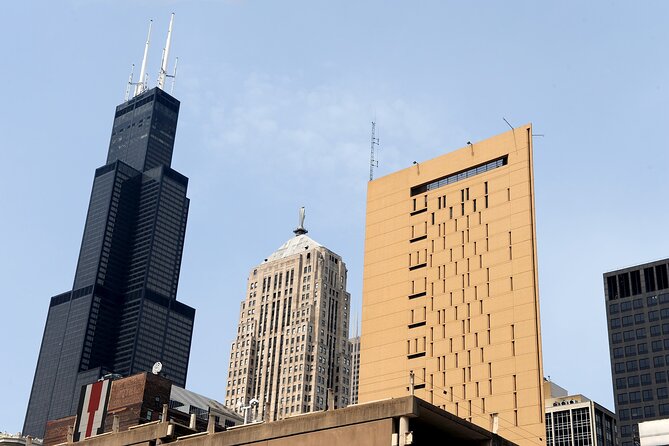
You’ll view the Metropolitan Correction Center (MCC) Chicago. This isn’t a glamorous postcard view, but it adds depth. You see how the Loop isn’t just offices and hotels; it also includes major institutions.
It’s a good reminder that transit corridors serve all kinds of city needs, not just the pretty ones.
343 S Dearborn St (Fisher Building): ornament from a new angle
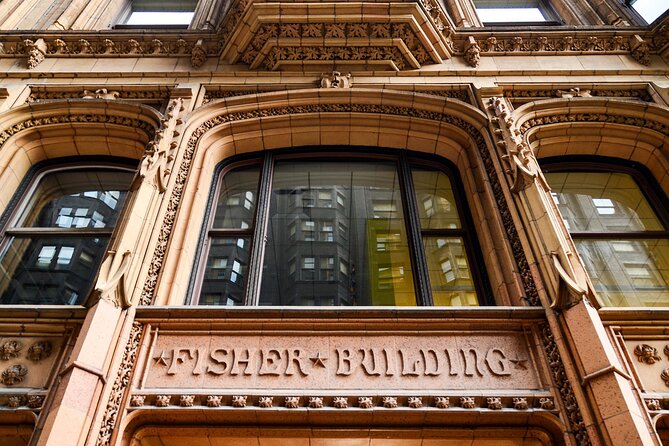
The stop at 343 S Dearborn St, for the Fisher Building, is one of those moments where you can slow down mentally. This is where decorative architecture becomes easier to appreciate from a higher vantage.
Short stop time means you won’t get a long lecture here, but it’s enough time to spot standout features and then move on.
DePaul University (DePaul Center): education in the Loop
At DePaul University – DePaul Center, you’ll see how campus life connects with downtown. This stop tends to feel practical: it’s not just Chicago “as postcard,” it’s Chicago as a working place with students and institutions moving through it.
And because the tour keeps moving, the education angle doesn’t feel forced. It lands as part of the city’s everyday fabric.
175 W Jackson Blvd (Insurance Exchange Building): why downtown looks the way it does
Next is 175 W Jackson Blvd, the Insurance Exchange Building. This is the kind of architecture that makes you understand why Chicago grew so vertically and so intentionally around business.
From the platform, you’re able to observe the building’s presence in the surrounding streetscape. Your guide will likely tie it back to the rail lines that pulled development forward.
Clinton: another station moment to watch the city breathe
At Clinton (Clinton St/Lake St) Station, the story shifts back to transit flow. You’re looking at how the L network knits the Loop together in quick steps.
This is also a useful pause if you want to reset—take a photo, check your bearings, and listen for the next context jump.
567 W Lake St (CTA headquarters): transit’s own headquarters vibe
At 567 W Lake St, you’ll view the Chicago Transit Authority headquarters. This is a fun kind of “meta” stop: you’re learning about the L, and then you look at where it’s managed.
Even if your main goal is architecture, this stop helps you understand that the L isn’t just old tracks and nostalgia—it’s an active system that runs the city day to day.
Chicago Board of Trade Building: commerce made monumental
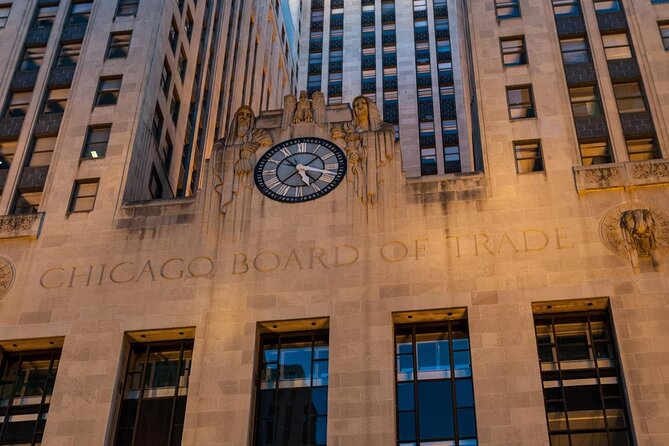
Then comes the Chicago Board of Trade Building view. This is where downtown’s financial power becomes visible in stone and structure.
Your guide’s narration typically helps you see why this part of Chicago grew where it did—and why the train mattered to the people who built and used these institutions.
180 N Wabash Ave (LeMoyne Building): details you can actually spot
At 180 N Wabash Ave, for the LeMoyne Building, you’ll get another quick but meaningful look at historic downtown architecture.
Short stop time means you should focus on your first impression: massing, lines, and ornament. If you want extra close-up photos, position yourself early, because you may not have long.
Back to Washington/Wabash and return to the Chicago Architecture Center
You’ll return to Washington/Wabash again, then finish back at the Chicago Architecture Center. That ending matters because you can mentally file what you saw outside and then wrap it up with the galleries.
The loop route also helps you recognize how the L repeats certain patterns—moving you through the city like it’s a diagram you can ride.
What the best guides do (and why it makes the tour feel worth it)
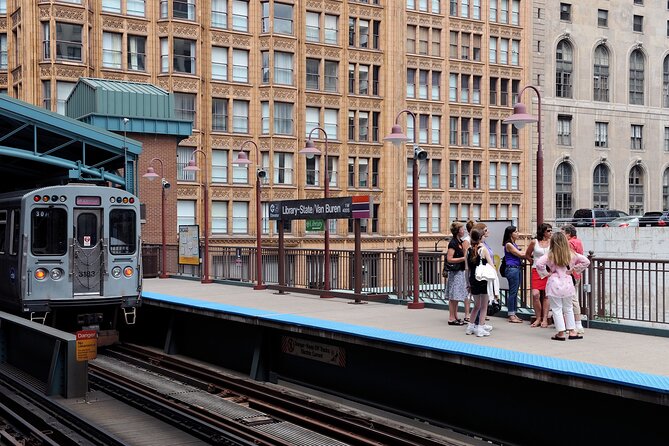
This tour is led by a professional and certified guide, and the difference is how they tell stories. In particular, guides like Steve, Howard, Dan, and Doug have a reputation for connecting station-by-station details to the people and decisions behind the L’s growth.
That’s what makes the ride more than a photo scavenger hunt. You’re not just hearing building names—you’re getting the human reasons why those buildings and that transit line belong together.
If you enjoy asking questions, this format is friendly. Small group size keeps your guide from talking only at you. You also get a better chance to hear answers over station noise.
Price and value: why $41 adds up (when you count what’s included)
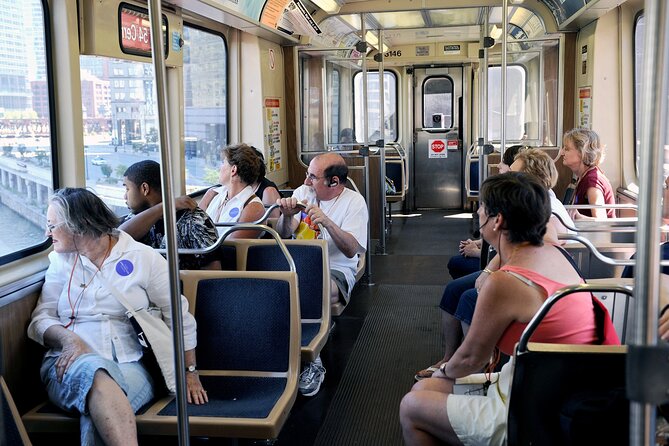
At $41 per person, you’re paying for three main things: a guided narration, Chicago Architecture Center gallery admission, and the fare to ride the Chicago Elevated Rail system.
A tour that includes transit fare can feel like better value fast, especially in a city where getting around adds up. Here, you’re not paying separate costs just to participate in the main activity.
Also, the group cap of 10 matters. Cheaper tours often feel rushed because guides manage big crowds. In this one, the pace stays tight enough that you feel guided, not herded.
Outdoors, weather, and standing: how to pack for the real Chicago day
This tour needs good weather, which makes sense when so much of it is outdoor platform time. If the forecast is bad, plan on it being uncomfortable rather than cozy.
Wear shoes you’re happy to stand in. You’ll move between stations and stand for your guide to talk, and there’s no mention of seating guarantees. Bring a light layer, because Chicago weather can change without asking your permission.
If you’re traveling with a stroller or luggage, note that there’s no storage provided. That doesn’t mean you can’t come, but it does mean you’ll want a plan for carrying your items.
And pets aren’t allowed. Service animals are allowed, though.
Who this tour is best for
You’ll probably love this tour if you:
- want an architecture-focused look at the Loop that doesn’t require a museum day first
- like public transit as part of the story, not just transportation
- enjoy learning in small doses while you’re actually looking at buildings
- want something efficient: two hours, lots of iconic sights
You may want to skip it if you:
- struggle with standing for longer stretches
- have trouble with stairs (the tour requires them and isn’t ADA accessible)
- hate weather-based outdoor time
It’s also a strong pick for first-time Chicago visitors who want a guided orientation that feels local.
Should you book this Chicago L architecture tour?
If you’re curious about how the L shaped downtown and you want architecture views without building a whole day around them, this is a smart buy. The included Chicago Architecture Center time, the included CTA fare, and the small-group guide make it feel like you’re getting the key parts without extra ticket hunting.
Just go in with realistic expectations: most of the time is outdoors standing on station platforms, and there’s no seating promise. If you can handle that, you’ll leave with a clearer sense of Chicago’s architecture and why the rail line is such a big deal.
FAQ
What’s included in the tour price?
The price includes guided narration by a professional and certified guide, admission to the galleries of the Chicago Architecture Center, and the fare to ride the Chicago Elevated Rail system.
How long is the tour, and how much time is actually on the train?
The tour runs about 2 hours, with only about 15 minutes of that time on the train. The rest of the tour takes place outdoors standing on station platforms.
Where do we meet?
You meet at 111 E Wacker Dr, Chicago, IL 60601.
Do I need a Ventra card for the train ride?
Yes. You’ll be asked to request a Ventra card from the Chicago Architecture Box Office when checking in for the tour.
Is this tour suitable for people who have trouble walking or standing?
No. The tour is not ADA accessible and requires stairs. It is not recommended if you have difficulty walking or standing.
Is seating guaranteed during station stops or on the train?
No. Seating at stations and on the train is not guaranteed.
Are pets allowed?
No, pets are not allowed.
Is food or drink included?
No. Food or drink is not included.
What happens if weather is poor?
This experience requires good weather. If it’s canceled due to poor weather, you’ll be offered a different date or a full refund.