REVIEW · CHENNAI
South India Tour- Temple Architecture and Backwaters
Book on Viator →Operated by GeTS Holidays · Bookable on Viator
Tamil Nadu temples and Kerala backwaters get paired perfectly. This 13-day south India route strings together UNESCO rock-cut sites, major temple stops in Madurai and Thanjavur, tea-and-spice country in Munnar, and a classic houseboat night in Alappuzha/Kochi region. It’s built for travelers who want big visual moments without constant hotel-checkout chaos.
I love the one-two contrast of temple architecture (Tamil Nadu’s Meenakshi and Nayak-era grandeur) versus Kerala’s water life (Periyar lake by boat, then slow cruising by houseboat). I also like that the tour runs with a private, air-conditioned vehicle and an English-speaking guide, so you’re not stuck decoding sights on your own.
One thing to consider: a lot of days involve moving between different bases. Plus, two key experiences depend on timing and conditions—houseboat cruising is weather-dependent, and the Periyar boat ride/park ride depends on accessibility—so you’ll want flexible expectations.
In This Review
- Quick highlights before you go
- A smart intro to south India: Chennai as your starting beat
- How the pace feels
- Mahabalipuram’s rock temples: where stone looks alive
- Why this stop is worth your time
- Practical note
- Pondicherry: White City, Black City, and the Auroville detour
- A consideration for your schedule
- Thanjavur and Trichy: temple craft plus everyday city texture
- Thanjavur (Day 4): art, dance, and palace vibes
- Trichy (Day 5): Rock Fort Temple and Srirangam
- Chettinad houses: marble, teak, and a quieter kind of spectacle
- What to expect from timing
- Madurai: Meenakshi Temple plus the aarti moment
- Why the evening matters
- Timing and admissions
- Munnar tea hills: cascades, plantations, and the tea museum
- Day 8: tea plantation views and river-country context
- Day 9: Atukkad Cascades and tea learning
- Thekkady and Periyar: boat ride on the lake (and timing)
- The good news and the reality
- A practical expectation
- Kumarakom: a true breather day before the houseboat
- Alappuzha houseboat stay: rice paddies, daylight cruising, and real sleep
- Why this portion feels different from a hotel stay
- What’s included with the houseboat
- Kochi departure: wrap-up in one easy transfer
- Price and value: where the $1,750 per person makes sense
- Service quality: planning that earns trust
- Should you book this South India Temple and Backwaters tour?
- FAQ
- What cities and regions does this tour cover?
- How much does the tour cost, and how long is it?
- What’s included in the price?
- Are monument fees or entrance tickets included?
- Does the tour include a boat ride on the Periyar lake and a houseboat?
- Where does the houseboat cruise at night?
- What time does the tour start each day?
Quick highlights before you go
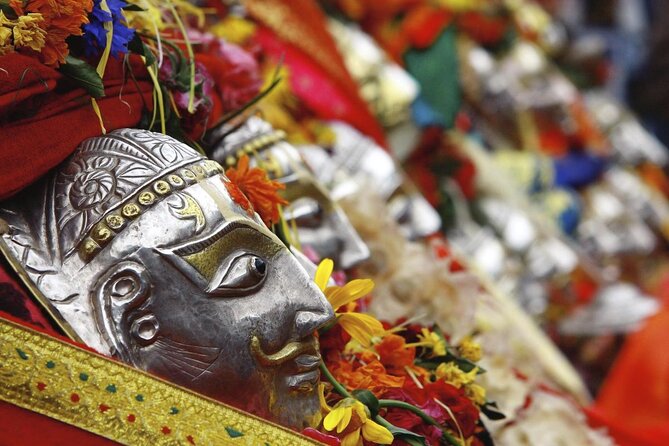
- Madurai in the evening at Meenakshi Temple with an aarti ceremony you can actually plan around
- UNESCO at Mahabalipuram: Arjuna’s Penance and the Shore Temple area
- Tea country without guesswork in Munnar, including a tea museum visit
- Periyar lake boat ride in Thekkady as an easy wildlife-supporting activity
- Houseboat reality check: lunch is off-board, nights are anchored near villages since cruising stops after dark
A smart intro to south India: Chennai as your starting beat
You start in Chennai with a straightforward airport transfer and hotel check-in. That matters because after a travel day, you don’t want your first hours eaten by paperwork or a scramble for directions. The tour start time is listed as 8:00 am, so the rhythm of early starts is part of the design.
From there, your route quickly makes sense: Tamil Nadu first (temples and stone), then Kerala (tea hills and water). If you like your trip to feel like a journey with a theme—not just a list of places—that contrast is the core payoff here.
You can also read our reviews of more tours and experiences in Chennai.


How the pace feels
You’ll spend roughly 12 nights in 3-star hotels, then one night (and cruise time) on a houseboat stay in the Alleppey/Alappuzha area. Each base gives you a “home base” to return to, even if some drive days are long in practice. The day-by-day sightseeing blocks are typically 3–5 hours, so you’re not stuck in a museum all day, but you are out and about enough to feel like you’re doing more than checking boxes.
Mahabalipuram’s rock temples: where stone looks alive
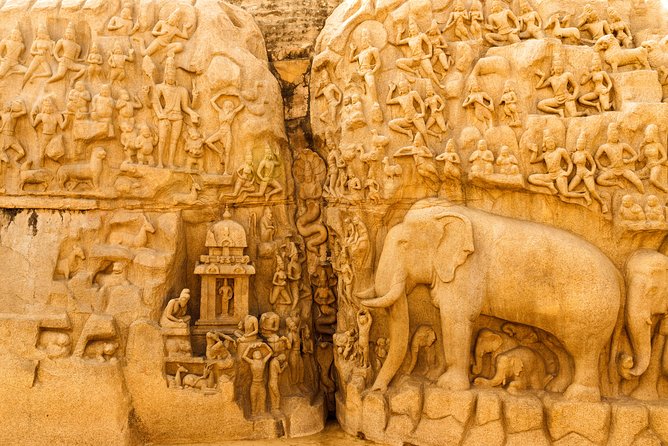
Day 2 takes you to Mahabalipuram (Mamallapuram), a UNESCO World Heritage Site. The itinerary is focused on two kinds of visual drama.
First is the rock-cut temples, which give you that rare “carved directly into the landscape” effect. Second is the pair of story-and-setting stops: Arjuna’s Penance and the Shore Temple area. Together they help you understand why people come to this coast for temple art, not beaches.
Why this stop is worth your time
These are not quick landmarks you can photograph and forget. Even without technical temple knowledge, you’ll likely notice how the carvings and the setting communicate: stone reliefs designed to be read by someone standing there, not by someone speeding by in a vehicle.
Practical note
Your listed sightseeing time for this day is about 3 hours, and admission ticket notes show free for the included items on that schedule. Still, the tour states that any monument fees are not included, so if something at-site has a separate charge, you’ll want to be prepared with a bit of cash/cards.
Pondicherry: White City, Black City, and the Auroville detour
On Day 3, you drive to Pondicherry and split your attention between the French-influenced White City and the Indian Black City. That contrast is not just architectural. It changes the pace of your walk, the feel of the streets, and the kind of sights you notice.
Your guided stops include Sri Aurobindo Ashram, Auroville, Sri Ganesha Temple, and Manakula Lord Vinayagar. That mix is part of the appeal: you get spirituality and culture side by side, plus a sense of how French and Indian influences sit in the same urban space.
A consideration for your schedule
This is another 3-hour sightseeing window. If you want extra time for cafes or just wandering, you’ll probably feel the push of the day’s itinerary. The good news: your stay in Pondicherry is built as a separate base, so you’re not forced to turn that sightseeing day into an all-day marathon.
Thanjavur and Trichy: temple craft plus everyday city texture
Days 4 and 5 are built around Tamil Nadu’s temple-centered identity, but they don’t stay only in temples. They add market life and city-scale texture.
Thanjavur (Day 4): art, dance, and palace vibes
In Thanjavur (Tanjore), the itinerary frames the city as a hub for Tanjore paintings, silk weaving, and Bharatanatyam. Then it gives you a temple-and-palace sequence: check-in and a 3-hour guided block is marked as admission-ticket-free on the plan. Thanjavur’s value here is that it’s not just “a temple stop.” It’s a cultural crossroads tied to craft and performance.
Trichy (Day 5): Rock Fort Temple and Srirangam
Then you move to Tiruchirappalli (Trichy). Your stops are Rock Fort Temple and Srirangam Temple, plus a walk through China Bazaar, Grand Bazaar, and nearby streets.
That market walking piece is underrated. Temple visits are the headline, but bazaars are how you learn the rhythm of daily life. If you enjoy looking at textiles, snacks, and small shops without pressure to buy, this is one of the better “in between” experiences on the route.
Chettinad houses: marble, teak, and a quieter kind of spectacle
Day 6 takes you to Chettinad, known for the region’s mansions—houses embellished with marble and Burma teak, with wide courtyards and spacious rooms. The plan includes a visit to the Chettiars mansions and the museum.
This day is useful if you want a break from the temple-heavy theme. It also adds a different kind of architectural appreciation: less about stone carving and more about home design, wealth expression, and how materials are used for comfort and status.
What to expect from timing
The sightseeing block is listed as about 3 hours, and the admission ticket status is marked as not included. So if you care about museum entries, check payment expectations before you get there.
Madurai: Meenakshi Temple plus the aarti moment
Madurai is the emotional centerpiece of the Tamil Nadu side. On Day 7 you visit Meenakshi temple, Vandiyur Mariamman Teppakulam, and Thirumalai Nayak Palace. Then, in the evening, the itinerary is built around aarti at the temple.
Why the evening matters
Aarti isn’t just a performance. It’s also a way to slow down your thinking. During the day, temples can feel like architecture. At night, the experience becomes more human—sound, light, movement, and a crowd that’s there for a shared ritual purpose.
Timing and admissions
Your Madurai sightseeing block is listed as about 4 hours, and admission notes for that day show free for the included items. Still, monument fees are listed as not included in the overall tour terms, so keep that in mind.
Munnar tea hills: cascades, plantations, and the tea museum
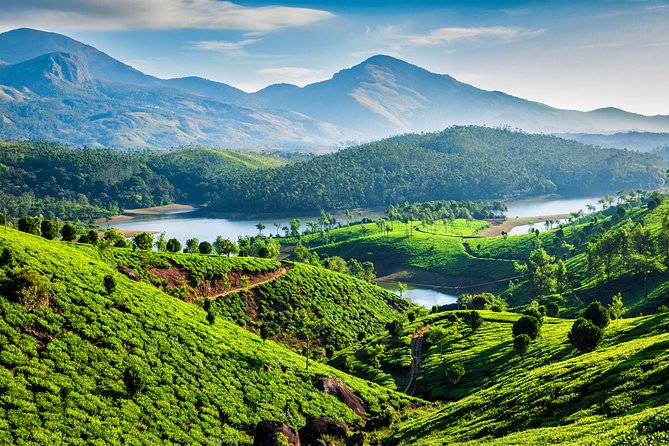
After Madurai, the tour shifts into high-change territory. Day 8 and Day 9 both stay in Munnar, meaning you get more than one “lens” on the same hill country.
Day 8: tea plantation views and river-country context
The name Munnar is explained as meaning “three rivers,” tied to Madhurapuzha, Nallathanni, and Kundaly. Your day includes tea plantation hill views and an itinerary marked at about 5 hours. This is the kind of day where you’re not chasing temple facts—you’re learning how the scenery works.
Day 9: Atukkad Cascades and tea learning
Day 9 adds Atukkad Cascades, Chithirapuram tea plantations, a floriculure center, and a tea museum, for about 4 hours.
This is a rare value point in tours like this: the museum/tea learning part makes the scenery feel connected to a way people live and work. If you only see photos of tea estates, you’ll still enjoy the views, but the museum visit helps you interpret what you’re looking at.
Thekkady and Periyar: boat ride on the lake (and timing)
Day 10 takes you to Thekkady and the Periyar Wildlife Sanctuary area. Your included highlight here is one boat ride in the Periyar lake. The plan lists the time as about 3 hours, with admission tickets for Periyar marked as not included.
The good news and the reality
The boat ride is included, but the tour notes it’s subject to accessibility. That usually means the operator/rules at the sanctuary can affect whether the full ride happens the way it’s planned. It’s still worth it because the lake setting gives you a wildlife-adjacent experience without turning your day into a long trek.
A practical expectation
In a route this packed, this is your “slow enough” wildlife day. You’re not forced to do all-day hiking. You’ll spend time on water, then move on.
Kumarakom: a true breather day before the houseboat
Day 11 is in Kumarakom with a day free at leisure. That’s a smart design choice. You’re about to shift into a houseboat schedule with its own pacing rules, and you’ll likely appreciate a lighter day.
The data shows this day as about 4 hours listed, but it’s described as leisure in your hotel base. If you want a nap, a slow meal, or just time to reset after temple and road travel, this is where you’ll feel grateful it’s there.
Alappuzha houseboat stay: rice paddies, daylight cruising, and real sleep
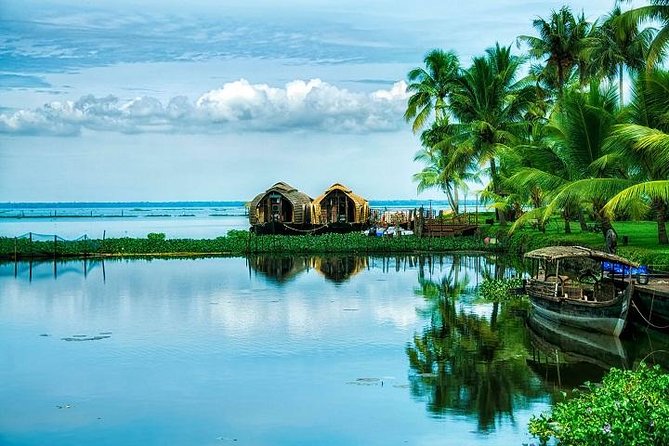
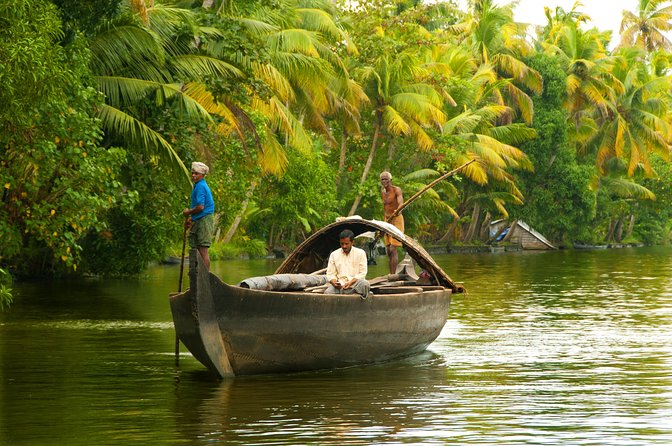
Day 12 moves you to Alappuzha (Alleppey) and you board the houseboat. This is where your Kerala story becomes personal and slow.
Here’s how the houseboat experience is described in the tour details:
- The boat is anchored near rice paddies for lunch, then resumes cruising.
- In the evening, tea/coffee and snacks are served.
- The boat is anchored for the night, because cruising isn’t possible at night since fishermen put their nets.
- Dinner is served onboard.
Also, the tour notes that houseboat cruising is subjected to weather conditions, so it’s smart to plan mentally for small schedule changes.
Why this portion feels different from a hotel stay
A 3-star hotel is predictable. A houseboat is not trying to be. The value is the change of rhythm: you’ll see villages and paddies from the water, and you’ll feel the evening settle in a way you don’t get in a car.
What’s included with the houseboat
Your tour includes a room with all meals during stay on the houseboat. That matters for value. You’re less likely to spend extra money on standalone meals on the water.
Kochi departure: wrap-up in one easy transfer
On Day 13, you get transferred to Cochin International Airport for your flight back home. The plan lists about 3 hours for that day’s final step.
This last-day simplicity is helpful. After 12 nights on the move, you want your airport transfer to be straightforward. You don’t want a last-minute squeeze to find taxis or hunt down the correct terminal.
Price and value: where the $1,750 per person makes sense
At $1,750 per person for about 13 days / 12 nights, you’re paying for two things: logistics and time-saving comfort. This isn’t a DIY route. It includes:
- 12 nights accommodation in 3-star hotels
- Dinner and lunch, plus breakfast (12)
- Houseboat accommodation with meals
- Airport transfers with assistance in Chennai and Cochin
- All sightseeing in an air-conditioned private vehicle
- English-speaking guide
- One boat ride in Thekkady
Money question: are monument fees included? Not fully. The tour says any monument fees are not included, and Periyar entry is also marked as not included. But many scheduled sightseeing items are marked with free admission in the day plan. So your total “out of pocket” can stay reasonable, especially if the paid areas are limited to a few sites.
The other value driver is the guide + private vehicle combination. In places with big temple footprints and active religious spaces, it helps to have someone explain what you’re looking at instead of doing it alone.
Service quality: planning that earns trust
The overall rating is high, and the pattern in feedback is consistent: people highlight the planning team’s professionalism and the way issues are handled smoothly. In particular, Santosh and Azhar are named for exceptional planning, with praise for being professional and patient when requests are specific or complicated.
There’s also mention of strong on-the-ground operations—like a safe driver and high satisfaction with hotels and food. That’s exactly what you want on a route with a lot of moving parts. Even the best itinerary can wobble if transfers or timing go off—so the service reputation matters here.
Should you book this South India Temple and Backwaters tour?
You’ll probably like this tour if:
- You want Tamil Nadu temples and Kerala backwaters in one trip without trying to stitch routes together yourself.
- You prefer a private vehicle + guide style of travel.
- You want a houseboat experience with structure, including meals and a clear schedule for daylight cruising and night anchoring.
Skip it (or at least temper expectations) if:
- You dislike constant changes of base and prefer fewer hotels.
- You strongly need specific wildlife/boat moments to go exactly as planned, since Periyar boat ride access and houseboat cruising depend on accessibility/weather.
One last check before you commit: this is marked non-refundable and cannot be changed, so only book once your dates are solid.
If your goal is a clean, well-paced south India sampler—stone temples by day, water life at night—this route is a strong match for that exact craving.
FAQ
What cities and regions does this tour cover?
You’ll be based around Chennai, Mahabalipuram (Mamallapuram), Pondicherry, Thanjavur (Tanjore), Tiruchirappalli (Trichy), Chettinad, Madurai, Munnar, Thekkady, Kumarakom, Alappuzha (Alleppey), and Kochi (Cochin).
How much does the tour cost, and how long is it?
The price is $1,750.00 per person and the duration is 13 days (about 12 nights).
What’s included in the price?
Included are 12 nights in 3-star hotels, dinner, lunch, breakfast (12), houseboat accommodation with all meals during the houseboat stay, airport transfers with assistance in Chennai and Cochin, all sightseeing in an air-conditioned private vehicle, and an English-speaking guide, plus one boat ride in Thekkady.
Are monument fees or entrance tickets included?
The tour states any monument fees are not included. In the day-by-day plan, many sightseeing items are marked as admission ticket free, but paid fees can still apply at specific monuments.
Does the tour include a boat ride on the Periyar lake and a houseboat?
Yes. You get one boat ride in Thekkady (Periyar lake), and you’ll board a houseboat in Alappuzha (Alleppey) with a room and meals included. The boat ride/park ride is subject to accessibility, and houseboat cruising depends on weather.
Where does the houseboat cruise at night?
The houseboat is described as anchored near a village for the night stay, because cruising is not possible at night due to local fishermen putting their nets.
What time does the tour start each day?
The tour start time is listed as 8:00 am.