REVIEW · CHICAGO
Best of Chicago: Architecture & Highlights City Private Tour
Book on Viator →Operated by WeVenture · Bookable on Viator
Chicago architecture has a way of grabbing you fast. This private walking tour strings together the skyline’s best stories with practical route choices, so you’re not just snapping photos at random corners. I like that it moves at a human pace, with plenty of street-level context from a real Chicago guide.
What I love most is the private-group setup (up to 12), which makes it easy to ask questions and get custom attention without slowing everyone down. I also really value the mix of famous landmarks and “look up” details that you’d miss on your own, from the Chicago Theatre neon sign to the city’s big art and business landmarks. One thing to consider: the schedule depends on weather for the Chicago Riverwalk portion, and winter months can change that stop.
This is the kind of tour that helps you understand Downtown Chicago in a couple of hours. You’ll leave with names, angles, and a sense of why the city looks the way it does, not just what it’s called.
In This Review
- Key Highlights Worth Prioritizing
- Meeting Under the Chicago Theatre Neon: Where the Tour Gets Real
- Pedway Weather-Proofing: Walking Chicago Without Freezing
- Looking Up at City Government and Famous Public Art
- Chicago Riverwalk: Best Views, With a Weather Check
- Wrigley Building: Clocktower Landmark With Modern Reality
- Tribune Tower: Where Architecture Meets Journalism
- Magnificent Mile Stroll to Millennium Park and Cloud Gate
- Snacks, Train Pass, and the Real Value of a Private Tour
- Who This Tour Fits Best (and Who Might Want Another Option)
- Practical Tips to Make the Most of Your 2 Hours
- Should You Book This Chicago Architecture & Highlights Private Tour?
- FAQ
- How long is the Best of Chicago: Architecture & Highlights City Private Tour?
- What’s the group size and price?
- Where do we meet and where does the tour end?
- Is a guide included and what’s included with the tour?
- Are admission tickets included for the stops?
- Is the Riverwalk stop part of the tour in winter?
Key Highlights Worth Prioritizing
- Chicago Pedway: indoor tunnels and bridges built to keep you moving during winter weather
- Picasso Statue context: public art with a story about how it landed in Chicago and how people reacted
- Tribune and journalism-by-design: a stop that ties Chicago’s newspaper world to its architecture
- Wrigley Building clocktower: classic landmark views tied to what the building does (and doesn’t) do today
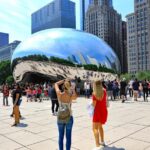
- Millennium Park and Cloud Gate: a built-in photo moment with time to linger at the end
Meeting Under the Chicago Theatre Neon: Where the Tour Gets Real
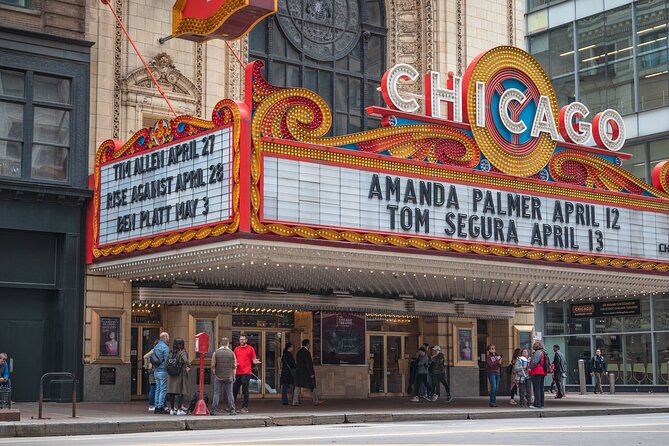
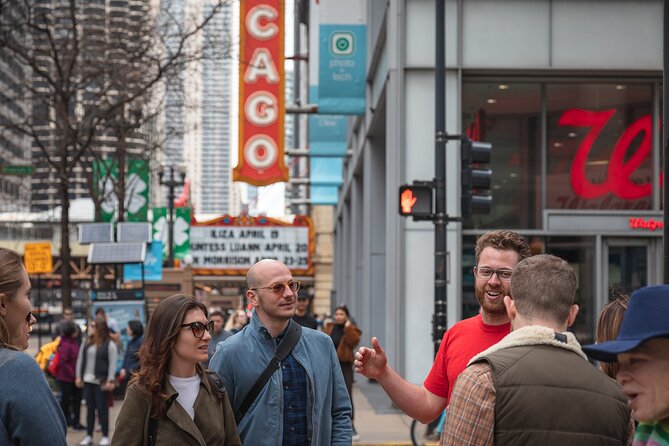
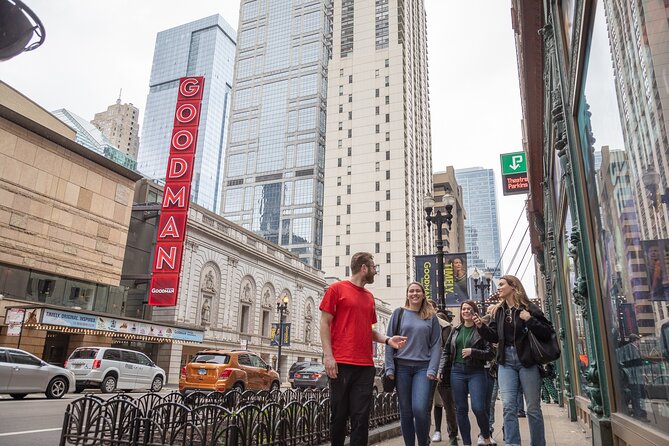
Your tour starts at the Chicago Theatre, right under that famous neon sign people recognize from Chicago pop culture. It’s a solid choice for a first day because you’re dropped right into the Downtown flow of streets, crowds, and history-making buildings.
I like this start because it gives you momentum. You don’t begin with a lecture in a classroom. You begin with the city in front of you, then your guide turns what you see into something you understand. Expect that your guide will set the tone fast: how to read the skyline, what to notice at street level, and where the city’s big ideas show up in stone, steel, and design.
If you’re thinking about logistics, this area is also easy to reach. The tour notes that you’ll be near public transportation, and pickup is offered for some bookings. Either way, plan to arrive a bit early so you can settle in and start on time.
You can also read our reviews of more tours and experiences in Chicago.
Pedway Weather-Proofing: Walking Chicago Without Freezing
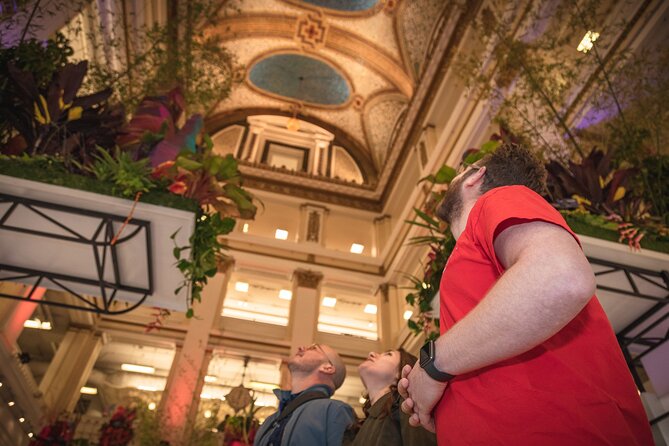
One of the most practical stops is the Chicago Pedway. This is the city’s network of connected tunnels and bridges between buildings, and it’s especially useful when the weather turns sharp. Even if you’re visiting in mild months, the Pedway changes how you experience Downtown because you see how people move when the sidewalk gets crowded.
I love that this part of the tour is more than a novelty. It shows Chicago as a working city, not just a postcard city. You get to understand why certain buildings feel connected, how commuters and shoppers navigate, and how design can shape daily life.
The Pedway also brings fun energy. In at least one guided experience I reviewed, the guide even added music to the walk through the Pedway, which turns a practical tunnel route into something you actually remember.
Looking Up at City Government and Famous Public Art
As you move through Downtown, you’ll pass the 10-story building that houses Chicago’s city government offices. This stop is short, but it’s useful. The guide uses it to connect architecture to public life, which helps you notice that Chicago’s architecture isn’t only about glamour. It’s also about function, civic identity, and how a city declares itself through its buildings.
Then comes one of the most eye-catching stops: the Picasso Statue. The guide explains how this public art piece came to Chicago and how it was received. That matters because statues in public spaces don’t just sit there. They spark conversations, and Chicago’s story includes art that people argue about, debate, and eventually absorb into the landscape.
If you’re the type who likes context, you’ll appreciate how the guide connects art to place. If you’re just here for photos, you still get a strong visual anchor, plus an explanation that makes it more than a quick snapshot.
Chicago Riverwalk: Best Views, With a Weather Check
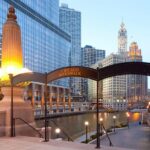
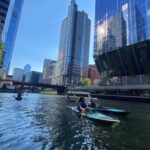
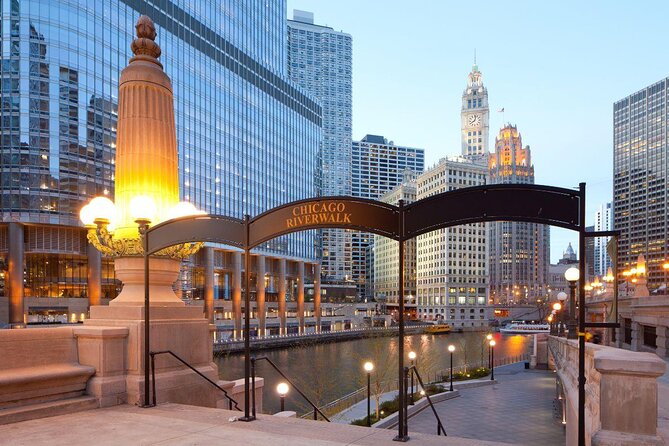
The Chicago Riverwalk is one of those spots where Chicago suddenly feels wide open. Your guide will take you toward the river area so you can soak in views that show off the city’s waterfront relationship to the skyline.
Here’s the practical part: the tour notes that the Riverwalk stop is not part of the tour during winter months. So if you’re traveling in colder weather, you’ll still get plenty of highlights, but you may not get this specific waterfront walk.
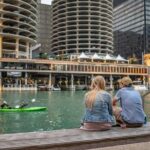
When it is included, you’ll be seeing landmarks such as Marina Towers and the Britannica Building from the river area. That’s a big deal for first-time visitors because you get the city’s design in two dimensions: building fronts up close, then the bigger panorama from along the water.
Wrigley Building: Clocktower Landmark With Modern Reality
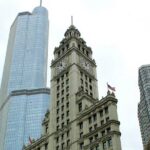
You’ll get a close look at the Wrigley Building, known for its central clocktower. The key value of this stop isn’t just the look. It’s what the guide brings to it—how the building fits into Chicago’s earlier business era and what it does now.
The tour info is clear: the Wrigley Company no longer occupies the building, but it still hosts significant businesses and consulates. I like that this stop has a built-in reality check. Cities change. Buildings adapt. Chicago’s architecture lets you see that shift without pretending the past didn’t matter.
Expect photo-friendly angles around the clocktower area and a chance to understand why this kind of iconic tower design is such a strong Chicago signature.




Tribune Tower: Where Architecture Meets Journalism
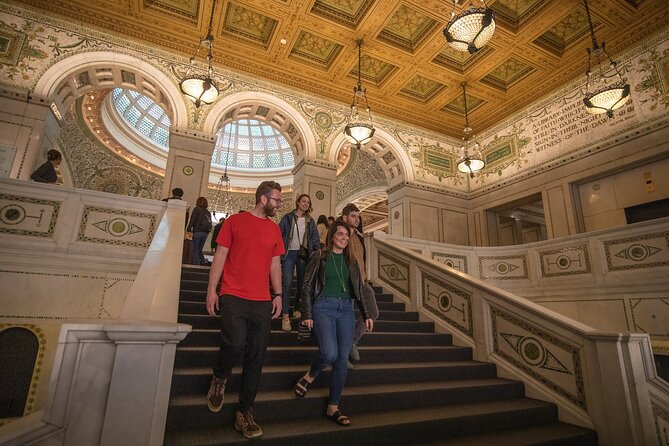
This is one of the stops that makes the tour feel distinctly Chicago. You visit a building representing the core of journalism in the city, home to the Chicago Tribune.
What I like about this part is the way the guide links two big forces: architecture and journalism. You don’t just learn the name of a building; you learn why it was designed to matter, and why the newspaper world was worth building a landmark for.
The views from this stop help too. It’s a pretty building, and seeing it in the flow of Downtown makes it easier to connect it to the streets around it. If you like to understand cities through their industries—how money, media, design, and civic life all connect—this is a high-value segment.
Magnificent Mile Stroll to Millennium Park and Cloud Gate
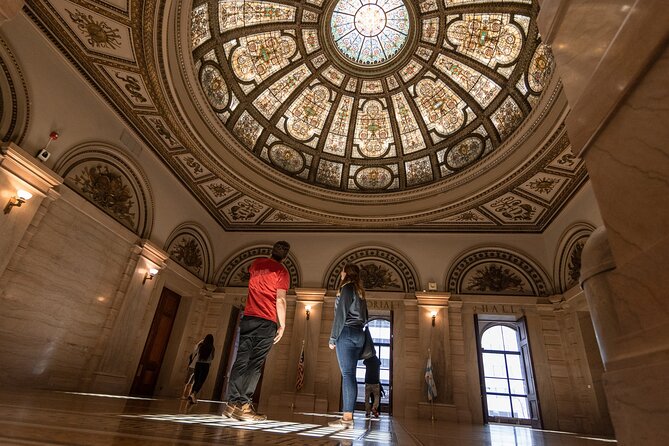
By the time you reach the Magnificent Mile, the tour shifts into a more relaxed sightseeing rhythm. This is where the walk leans into the vibe of the city—big-name streets, lakefront park views (when conditions allow), and the feeling of Chicago as a place people actually enjoy.
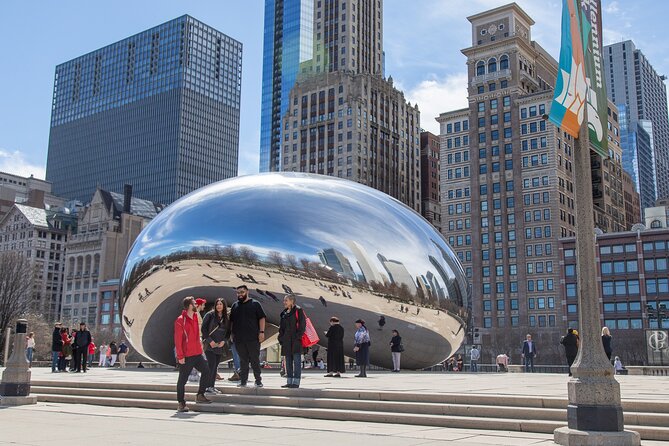
Then you end at Millennium Park, where you get time to visit The Cloud Gate, better known by its nickname, and you can linger. Your guide also provides recommendations for what to do next—restaurants, bars, and attractions in the area—so the tour ends with a plan, not just a finish line.
I find this ending location smart for practical reasons. Millennium Park is central, easy to keep exploring from, and it gives you a natural stopping point if you’re building the rest of your trip around neighborhoods.
Snacks, Train Pass, and the Real Value of a Private Tour
This tour includes snacks and a train pass, which sounds small until you’re walking. You get popcorn tasting and a chocolate tasting as part of the experience, plus the train pass helps you move around the city without having to figure out transit mid-day.
Let’s talk about the price in a way that helps you decide. At $245 per group (up to 12 people), you’re not paying per person. That can be strong value if you’re traveling as a small group of friends, a family with older kids, or coworkers. Two hours of a guide plus included snacks and transit support can be a good bargain compared with paying separately for a bunch of people.
The other value is personal attention. Since it’s private, the guide can tailor the walk when possible. In at least one experience, the guide adjusted to the group’s interests, which is exactly what makes private tours worth paying for. You’re not stuck in a generic script, and you can ask follow-up questions as you notice things.
Also, the guide can be a bit quirky in a good way. One guided experience mentioned songs and music during the Pedway portion, which is a reminder that architecture tours don’t have to be stiff.
Who This Tour Fits Best (and Who Might Want Another Option)
This is ideal if you’re here for the first time or you want a fast, guided way to make Downtown Chicago “click.” You’ll see major landmarks like the Chicago Theatre, the Pedway, Millennium Park, and business-and-media architecture like the Tribune Tower and Wrigley Building.
It also fits well if you enjoy a city tour that teaches you how to look. Several guides on similar routes seem to steer people toward details you’d miss—one example includes getting people to look up at Macy’s and notice something they otherwise would pass by without thinking.
You might consider skipping this exact tour if:
- You already know Downtown Chicago well and don’t need orientation.
- You’re visiting in winter and Riverwalk is a must-have for your photos (it’s not part of the tour in winter months).
- You prefer long museum stops, because this is built around walking and short landmark moments.
Practical Tips to Make the Most of Your 2 Hours
A walking architecture tour works best when you plan for comfort:
- Wear shoes you can stand in for a couple of hours.
- Bring layers. Chicago weather can shift quickly.
- Have your phone charged for photos at Millennium Park and for using your mobile ticket.
- If you have specific interests—architecture style, business history, public art—tell your guide early. Private tours give you more room to steer.
Also, watch the guide for what they point out. The most memorable moments often come from the small directional tips: where to look, what to compare, and how to connect one building’s design to another part of the city.
Should You Book This Chicago Architecture & Highlights Private Tour?
I’d book it if you want an efficient, high-impact intro to Downtown Chicago. The private group setup, the included snacks and train pass, and the mix of architecture, public art, and recognizable landmarks make it feel like more than a basic walk.
If your trip depends on the Riverwalk, check your travel dates and be flexible about weather. When Riverwalk is not included, you still get a strong architecture-and-highlights route through the Pedway and major Downtown icons.
If you’re a first-timer, this tour helps you build a mental map of Chicago fast. And if you’re traveling with others, the per-group pricing can make it a smarter splurge than solo tours.
FAQ
How long is the Best of Chicago: Architecture & Highlights City Private Tour?
It runs about 2 hours.
What’s the group size and price?
It’s $245 per group, for up to 12 people.
Where do we meet and where does the tour end?
You meet outside the Chicago Theatre at 175 N State St, Chicago, IL 60601. The tour ends at Millennium Park.
Is a guide included and what’s included with the tour?
Yes, there’s a local English-speaking guide. The tour includes a train pass and snacks (popcorn tasting and chocolate tasting).
Are admission tickets included for the stops?
Not for everything. The Chicago Theatre stop notes an admission ticket is not included. The Pedway and Riverwalk stops are listed as free, and other included stops are shown as free as well.
Is the Riverwalk stop part of the tour in winter?
No. The Riverwalk stop is not part of the tour during the winter months.