REVIEW · CHICAGO
Total Chicago: Food, History and Architecture Tour
Book on GetYourGuide →Operated by Intrepid Urban Adventures · Bookable on GetYourGuide
Chicago has a food-and-architecture secret tunnel. This tour stitches together the Chicago Pedway and the big-name skyline views, with a guide who turns buildings into stories you can actually picture. I also like that you stop at major landmarks in a smart order, not just a random walk list.
The other big win is the payoff at the end: 4 included food stops (hot dog, deep-dish pizza, Italian beef, plus popcorn). You get personalized attention too, since it caps at 12 people. One consideration: plan on about 3 to 4 miles of walking, rain or snow, so comfortable shoes are not optional.
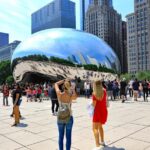
By the time you reach Millennium Park and the Bean (Cloud Gate), the day clicks into place: history, architecture, and Chicago food all in one tight circuit. If you’re the type who likes your vacation with both visuals and snacks, this one fits.
In This Review
- Key highlights worth circling
- The Chicago Theatre to Millennium Park route: why it feels efficient
- Pedway walk: the underground move locals swear by
- Chicago City Hall and the Prohibition-era thread you’ll actually remember
- The Chicago Riverwalk section: views plus guided stops that make sense
- Wrigley Building and Tribune Tower: classic exteriors with story fuel
- Millennium Park and Cloud Gate: the moment the city turns playful
- River North food break: exactly what you get (and why it works)
- Chicago Water Tower and the Chicago Loop wrap-up: finishing with a sense of place
- Small-group touring (max 12) and guide energy: what you should expect
- Walking distance, shoes, and weather: how to prep so the day feels good
- Value check: is $99 worth it for food plus architecture?
- Should you book Total Chicago Food, History and Architecture?
Key highlights worth circling
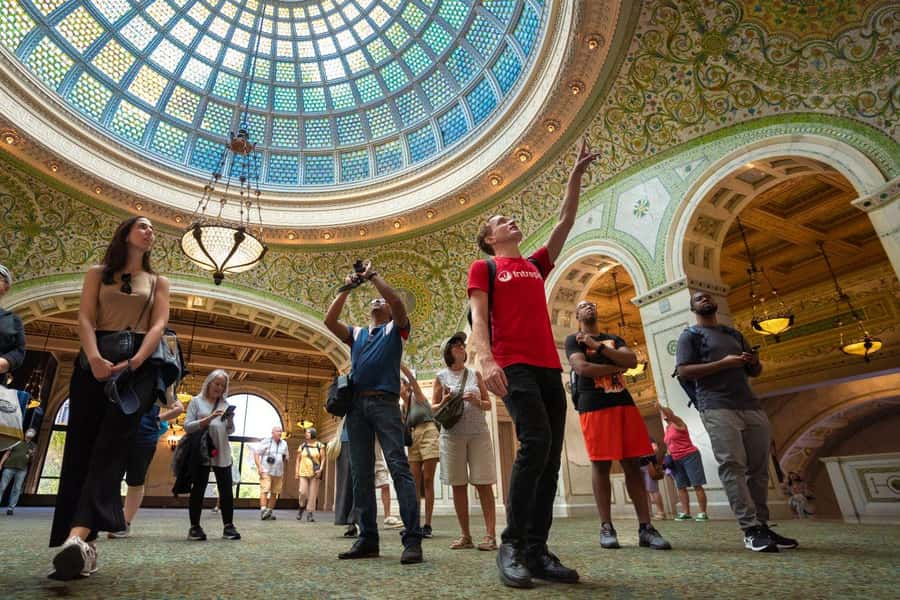
- Pedway time: walk underground tunnels Chicago locals use to beat weather and crowds
- Architecture hits in order: City Hall, the Chicago River area, the Wrigley Building, and Tribune Tower
- Prohibition-era context: you’ll connect the era to the buildings and landmarks you see
- Millennium Park finish: Cloud Gate and the Bean are the emotional payoff of the walk
- Small-group energy: max 12 people means you can hear and ask questions
- Food as part of the route: 4 tastings that add up to a full meal
The Chicago Theatre to Millennium Park route: why it feels efficient
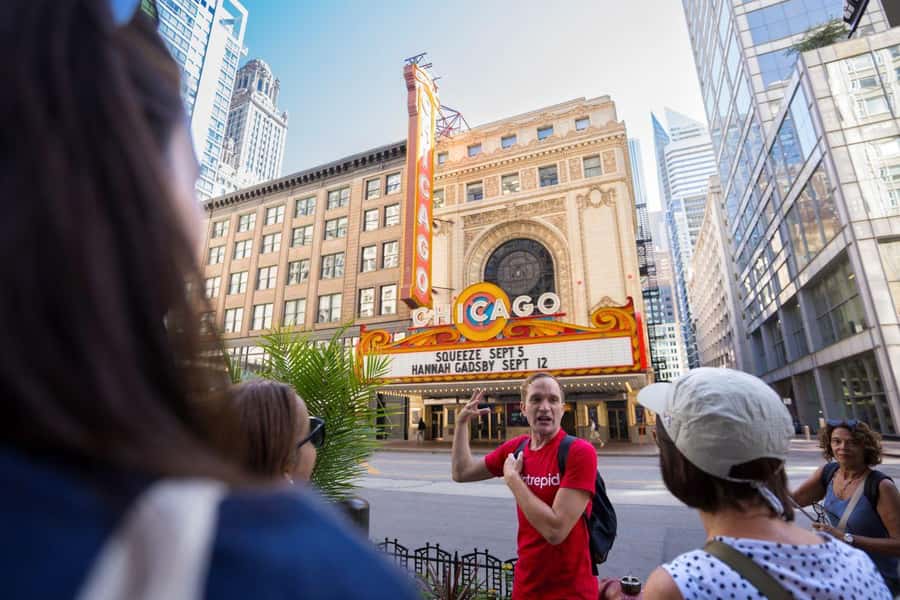
I love when an architecture tour doesn’t act like you’re just looking at facades. Here, the route is built to keep you moving through “Chicago moments” in a clear storyline: downtown power buildings, riverfront views, and then the park icon everyone posts.
You start under the marquee at the Chicago Theatre (175 N. State Street). From there, the day ramps up quickly, with guided stops that explain what you’re seeing and why it matters. Even if you only have one day to get your bearings, this route gives you a strong mental map: where downtown’s big money sits, how the river shapes city life, and why Millennium Park became the modern gathering place.
You can also read our reviews of more tours and experiences in Chicago.
Pedway walk: the underground move locals swear by
One of the most Chicago parts of the whole experience is the Pedway. You’ll walk through underground tunnels used by locals, and it’s more than a gimmick. It’s how the city works when winter shows up, when it’s too cold or too wet to enjoy surfaces, and when people need to get from point A to point B without “weather drama.”
You’ll spend about 20 minutes here, which is long enough to feel the change in atmosphere. The Pedway also sets you up well for the rest of downtown: it’s a reminder that Chicago is a city of layers—street-level above, city infrastructure below.
If you’re someone who likes practical city knowledge (not just photos), this is a great inclusion.
Chicago City Hall and the Prohibition-era thread you’ll actually remember
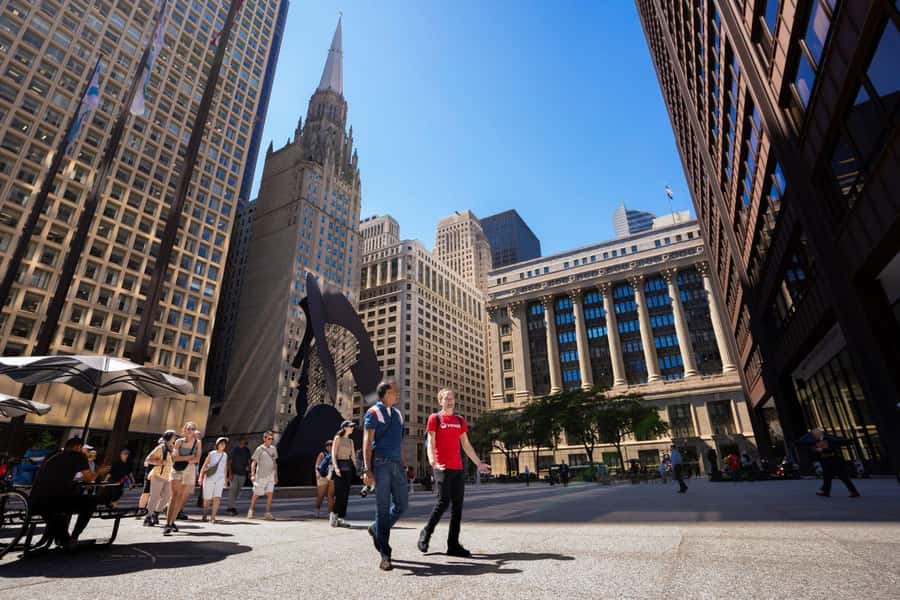
After the Pedway, you head to City Hall for a guided stop. This is where the tour shifts from “look at the building” to “understand the era.” Chicago’s Prohibition-era legacy comes up as part of the bigger picture, tied to how the city grew and how certain landmarks became part of that story.
You’ll also learn about iconic downtown landmarks along the way, including the Chicago Theater area you start from and major skyline-adjacent names like Willis Tower. The guide’s job is to make the timeline feel logical, so you don’t leave with random facts that melt the second you check your phone.
A practical tip: this part of the day is where your brain is learning. If you tend to get distracted while walking, slow down for a few seconds at each stop so you catch the key “why this exists” explanations.
The Chicago Riverwalk section: views plus guided stops that make sense
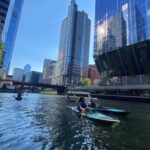
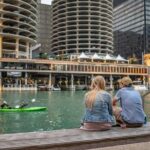
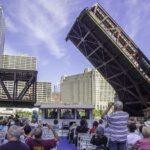
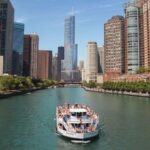
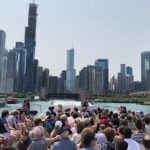
Next up is the Chicago River area, with guided time and walking around the river. You’ll get scenic views along the Chicago Riverwalk, with passes that typically include landmarks like the Marina Towers and the Wrigley Building.
The river is a perfect stage for architecture lessons because it forces perspective. You can see how buildings relate to each other, how the skyline was shaped by space and distance, and how the city uses the water frontage for movement and identity.
One reason I like this approach: the guide isn’t only pointing at buildings. They’re helping you connect the route’s geography to the stories—why you’re seeing certain styles here, and how downtown’s design evolved over time.
Wrigley Building and Tribune Tower: classic exteriors with story fuel
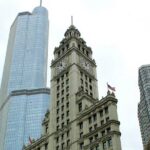
Then you hit the Wrigley Building and Tribune Tower with guided stops. These aren’t “blink and move on” moments. The guide ties what’s visible—style, prominence, and placement—into the bigger Chicago narrative.
If you care about architecture, this is a sweet spot because these buildings are the kind you’ll recognize even if you’ve never been. They also help you understand why people love taking skyline photos from downtown. You’re not just capturing height; you’re capturing identity.
Photo-wise, give yourself a couple seconds for each stop. The day moves at a walk-tour pace, not museum-garden pace, so it’s smart to grab pictures right as the guide is setting context.
Millennium Park and Cloud Gate: the moment the city turns playful
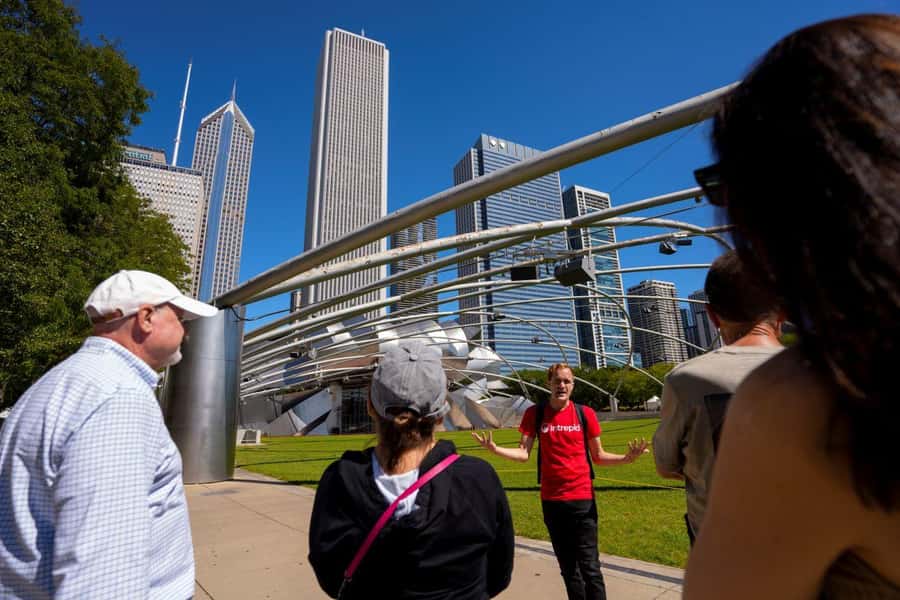
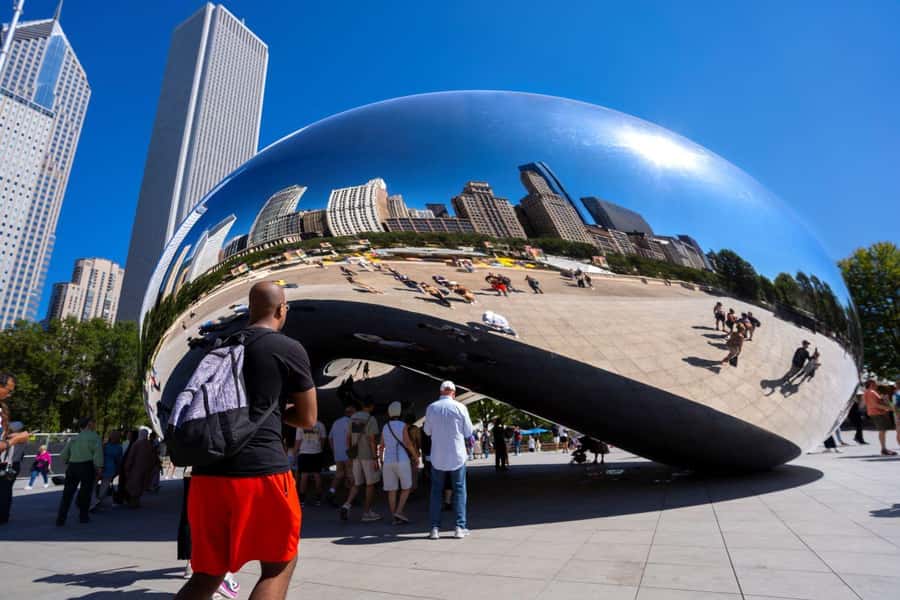
Millennium Park is where the tour shifts from “historic downtown” to “modern Chicago.” You’ll get guided time and then reach Cloud Gate, the famous Bean.
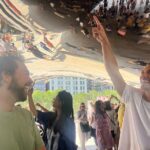
This stop matters because it’s iconic for a reason: it’s modern public art that became a social magnet. You’ll see how the skyline frames the sculpture and how people use the park space. Even if you’ve seen it in photos before, it’s a different experience in person because of scale and reflections.
If weather is rough, you’ll still appreciate the stop because it’s a landmark you can plan around. Cold snaps, rain, or snow don’t change that this park area is a centerpiece.
River North food break: exactly what you get (and why it works)
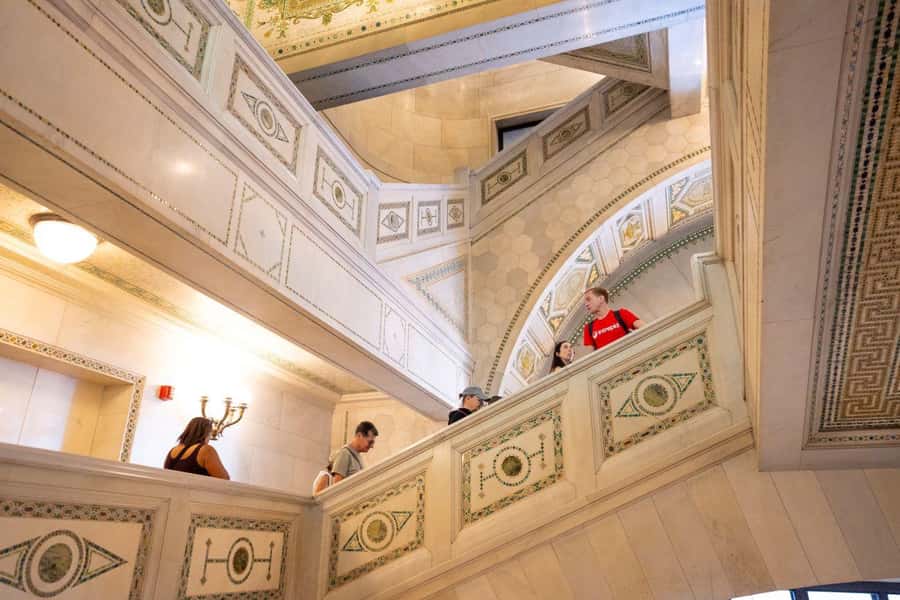
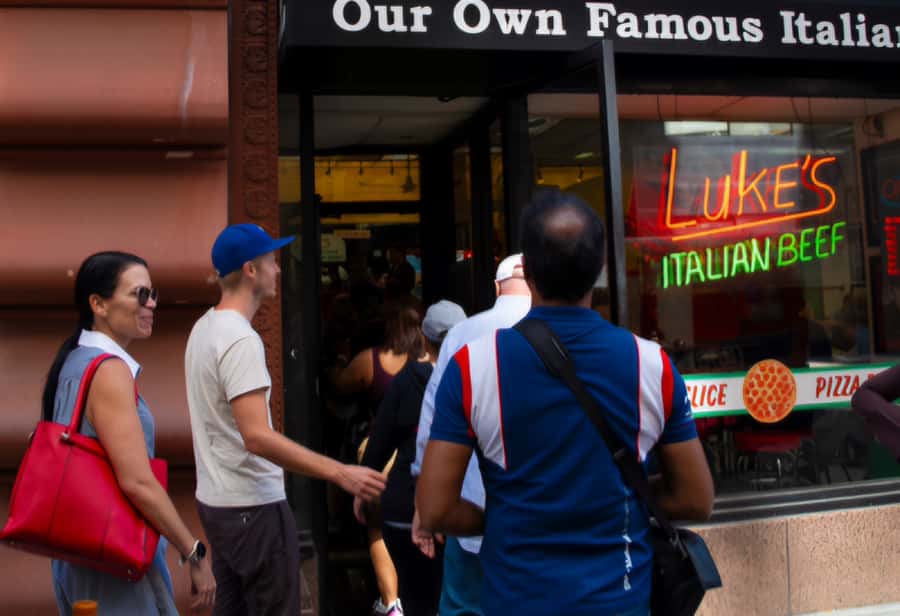
After the architecture and landmark portion, there’s a break in River North with food tasting. This is where the tour turns into a full Chicago meal, not just a few bites.
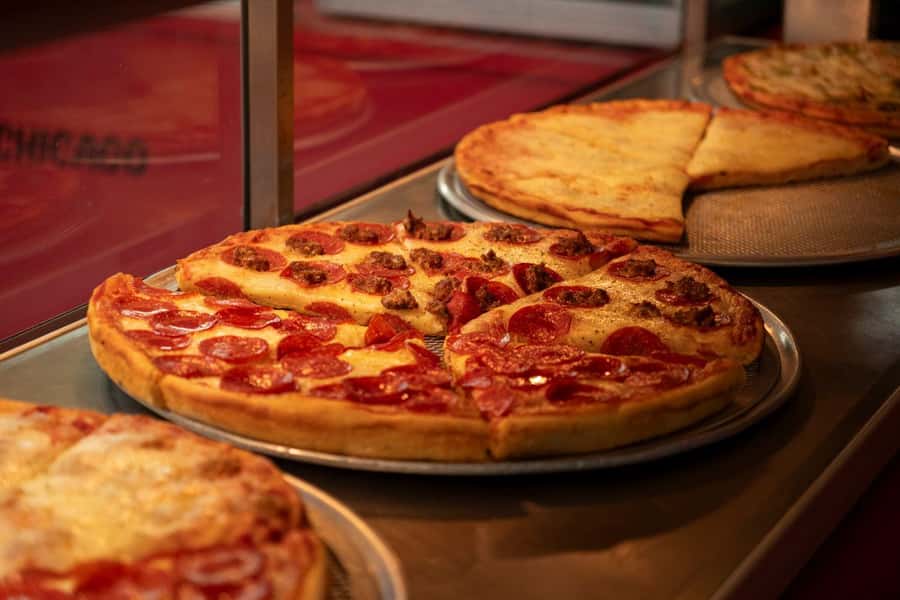
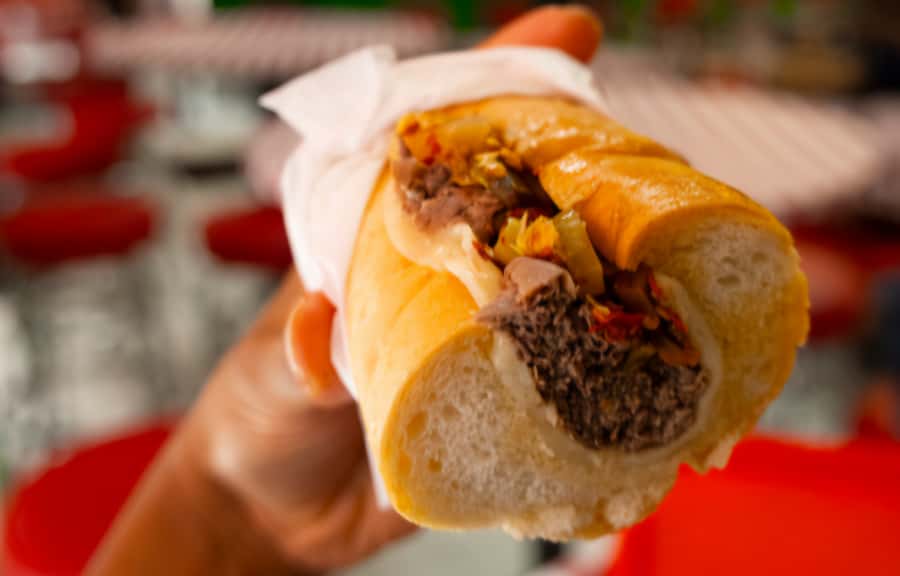
You get 4 food samples across the meal stops:
- Chicago-style hot dog
- Deep-dish pizza
- Italian beef (Chicago-style sandwich)
- Popcorn tasting
The total food included is meant to equal a full meal. Portions and specific options can vary by season and where you stop, but you shouldn’t feel like you’re being shorted on value.
Why I like this layout: it prevents the classic mistake of food-first fatigue. You walk, you learn, you see the city, and then you eat. If you’re the type who struggles with waiting, it still helps to know that many departures schedule the tastings after the morning architecture. If you didn’t eat much before the tour, consider bringing a tiny snack for later in the day—just in case.
Also, you’ll get insider guide tips at the end about where to explore next. That part is gold if you don’t want to spend your evenings guessing which neighborhood is the best fit.
Chicago Water Tower and the Chicago Loop wrap-up: finishing with a sense of place
The Chicago Water Tower is one of those landmarks that feels calmer than the surrounding skyscrapers. It adds variety to the day’s architecture tempo, and it’s a good “reset” stop before the final Loop section.
Then you move through the Chicago Loop with guided time. The Loop walk is the closing act that ties everything together. By the end, you understand how the tour’s earlier stops connect: where the skyline anchors you, where pedestrian movement is designed for speed, and how the riverfront and downtown core function as one system.
And you’ll finish back in the downtown area after the Loop portion, right where you can keep wandering or grab the next thing to eat.
Small-group touring (max 12) and guide energy: what you should expect
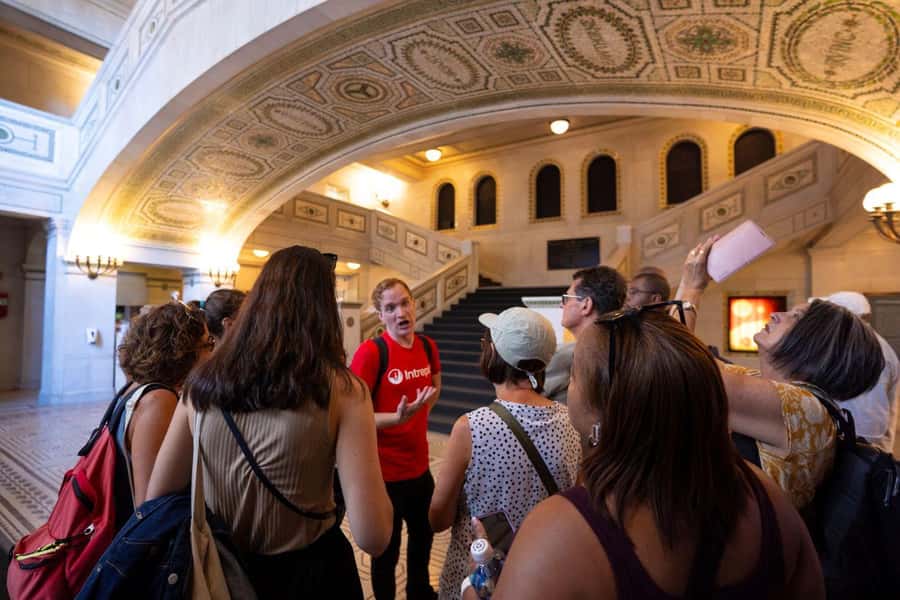
This is a small-group walk tour with a maximum of 12 travelers. That small size changes the whole day. You can actually hear the guide, you’re more likely to get questions answered, and the pace stays human.
The guides are a big reason people love this tour. Names like Dash and Rich Berry show up in feedback for a reason: the storytelling style tends to be animated, clear, and tuned to the group. Other guides you might meet, depending on the day, include Chicago Dave, Tall Dave, Kevin, Lara, Kelly, and Wallach. The shared pattern is strong pacing and clear explanations at each stop.
One practical note: in busy downtown areas, construction noise and street sound can make it harder to hear from the back. If you care about audio, choose a spot closer to the guide when you can.
Walking distance, shoes, and weather: how to prep so the day feels good
This tour covers about 4.8 to 6.4 km (3 to 4 miles). That’s very doable for most people, but it’s still a real walk. If you’re traveling with someone who gets tired quickly, it’s worth planning for breaks and moving slowly at each stop.
Bring:
- comfortable shoes
- weather-appropriate clothing
The tour runs rain, shine, or snow, so dress for the conditions you’ll actually face on the day. If it’s cold, pack layers. If it’s wet, expect puddles and slick sidewalks near the river.
Good to know on food: vegetarian options can be accommodated, but the tour cannot accommodate other food allergies or dietary preferences. If that’s relevant for you, notify in advance so you can plan safely.
Value check: is $99 worth it for food plus architecture?
At $99 per person for 5 hours, the value depends on what you want from Chicago. If you only came for views, you’d probably pay less for a basic skyline walk. If you only came for food, you can always find a hot dog and pizza on your own.
What makes this one a good deal is the combination: guided architecture time plus tastings that add up to a full meal. You also get transportation between tour halves included, which matters in a city where a straight walk can become a long slog.
The other value factor is group size and guide quality. In a small group, you get more than “standing near a landmark.” You get context as you go, and that makes your day feel smarter, not just longer.
For $99, you’re basically buying:
- a guided downtown architecture and landmark loop
- plus four food tastings as a planned part of the itinerary
- plus a guide who ends with next-step recommendations
If that matches your style, it’s a strong value.
Should you book Total Chicago Food, History and Architecture?
Book this tour if you want a fast, guided orientation to downtown Chicago with real food stops built in. It’s especially good for first-timers who want structure, and for people who like their sightseeing tied to a story and a taste.
Skip it if walking 3 to 4 miles is a struggle for you, or if you need strict allergy accommodation beyond vegetarian options. Also, if you’re the kind of person who needs food early in the day, know that the tastings typically happen later after the architecture run—plan accordingly.
If you’re choosing between “just architecture” and “just food,” this is the rare option that gives you both in one smooth, small-group day.