REVIEW · VIENNA
Private Vienna Art Nouveau Walking Tour
Book on Viator →Operated by Insight Cities · Bookable on Viator
Art Nouveau hides in Vienna’s transit. This private Vienna Art Nouveau walking tour strings together metro stations and landmark facades, with the big payoff of Klimt’s Beethoven Frieze at the Secession Building. The main thing to watch is that key entry tickets (like the Secession and, seasonally, the Otto Wagner Pavillon) are not included.
You’ll start near Operngasse and walk your way through Jugendstil-era architecture tied to real civic life: exhibitions, transport hubs, a postal bank, and apartment houses by Otto Wagner. Along the route, the guide’s job isn’t just naming styles—it’s explaining why these buildings look the way they do and what Vienna was trying to prove at the time.
One more consideration: it’s a focused 3-hour walk on and around stations and public spaces, so build in time for a slower pace if you need breaks. If you’re hoping for hotel-to-hotel pickup, double-check what’s actually included for your departure, since pickup is described as offered but hotel pickup/drop-off is listed as not included.
In This Review
- Key highlights you should know
- Art Nouveau you can read on a street, not just a postcard
- Private route details: where you start and how the 3 hours works
- Secession Building: the manifesto stop and Klimt’s Beethoven Frieze
- Stadtpark and Karlsplatz Stadtbahn: Jugendstil in plain sight
- Otto Wagner Pavillon: a modernist station that deserves the attention
- Postsparkasse: when a postal bank becomes Art Nouveau statement
- Naschmarkt stop: market atmosphere without turning it into a food tour
- Otto Wagner apartment houses and the metro finale
- Price and ticket reality: is $490 per group worth it?
- Who should book this tour (and who might skip it)
- Should you book this Vienna Art Nouveau walking tour?
- FAQ
- What’s the duration of the private Vienna Art Nouveau walking tour?
- How many people are included in the private group?
- Where do we meet, and where does the tour end?
- Is hotel pickup included?
- Do we need to pay any entrance fees during the tour?
- What if the tour day is Tuesday through Sunday?
Key highlights you should know
- Klimt’s Beethoven Frieze at the Vienna Secession Building: a famous interior you’ll learn how to look at.
- Otto Wagner architecture tied to transit: city transport buildings, not just museum blocks.
- A seasonal stop at the Otto Wagner Pavillon: extra admission can apply from April to October.
- Free stops built into the route: Stadtpark, Postsparkasse, and the Naschmarkt area keep costs down.
- A smart private format: you can ask questions and move at a pace that fits your group.
- Metro as the ending theme: including a tiny Emperor-related stop and a pair of elegant stations.
Art Nouveau you can read on a street, not just a postcard
Vienna’s Art Nouveau (Jugendstil) is often taught like a fashion trend. On this tour, it feels more like city infrastructure and attitude. You’ll see Art Nouveau working in very practical places—exhibition halls, stations, bank buildings, and housing—where design had to survive daily use.
What makes this route especially satisfying is that it keeps snapping you back to cause and effect. Why do the forms look so geometric and crisp? What did the Vienna Secession group think they were fighting for? And how did Otto Wagner’s ideas show up where people commute, send mail, and live their lives?
It’s a great fit if you love the look of Art Nouveau but also want the stories behind it. The tour leans into architecture and design, with a guide who can handle follow-up questions about Vienna’s past and present—something you’ll notice if your group ranges from true design nerds to curious first-timers. Guides such as Barbara, Wolfgang, and Annelie have been singled out for turning the topic into something you can actually talk about while walking.
You can also read our reviews of more tours and experiences in Vienna.
Private route details: where you start and how the 3 hours works
This is a private experience, priced per group (up to 10). That matters because you’re not squeezed into a large crowd rhythm. You’ll get a 3-hour route that stays fairly tight, built around metro stations and nearby architecture, with a personal guide leading the timing.
You’ll meet at Operngasse 7, 1010 Wien. The tour ends in Vienna at a pair of metro stations, including a tiny stop tied to the Emperor. Expect a finish that feels like part of the tour’s point: design isn’t just for plazas and palaces—it’s inside the transport system too.
The tour uses a mobile ticket, and it’s near public transportation, so you don’t have to build your whole day around driving or long transfers. If your group wants to tack on other sights afterward, the ending near metro stations makes that easier.
One practical tip: plan comfy shoes. The schedule includes short stops that still add up to a lot of walking between transit points and building entrances. This is not an all-car, all-seated kind of tour.
Secession Building: the manifesto stop and Klimt’s Beethoven Frieze
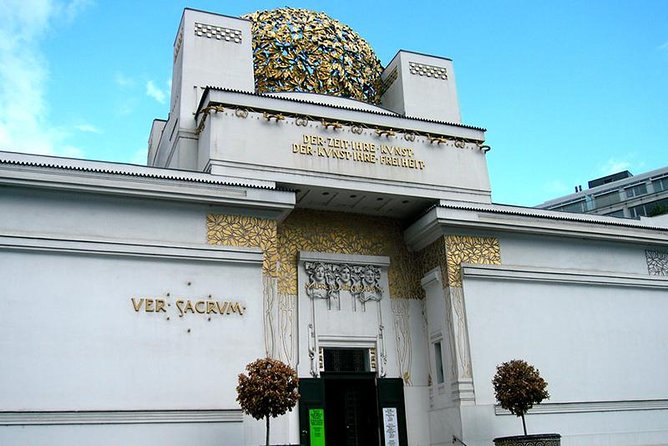
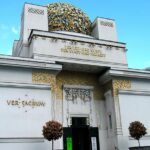
Your first big architectural moment is the Secession Building (Secessionsgebaude). It’s an exhibition hall completed in 1898 by Joseph Maria Olbrich, created as a manifesto for the Vienna Secession—an artist group that broke away from the older, established fine arts institution. Even if you only know the movement from posters, you’ll feel the rebel energy here. The building wasn’t made to play it safe.
Plan for about 30 minutes here. You’re aiming at the famous interior: the Beethoven Frieze painted by Gustav Klimt for an early Secession exhibition. This is the kind of artwork that changes how you see the style. Klimt’s approach isn’t just decorative; it’s visual storytelling tied to the Secession’s cultural mission.
Important cost reality: admission to the Secession Building isn’t included. If you tour from Tuesday to Sunday, adult admission is €9.50 and student/senior admission is €6, and your guide will help you handle payment. If you’re traveling with a Vienna Card, students, or anyone with a disability, the pricing note indicates there are categories that may qualify for reduced admission—worth mentioning to your guide so you don’t overpay.
The payoff here is huge. If you care about Art Nouveau at all, this is the moment that makes the rest of the walk click.
Stadtpark and Karlsplatz Stadtbahn: Jugendstil in plain sight
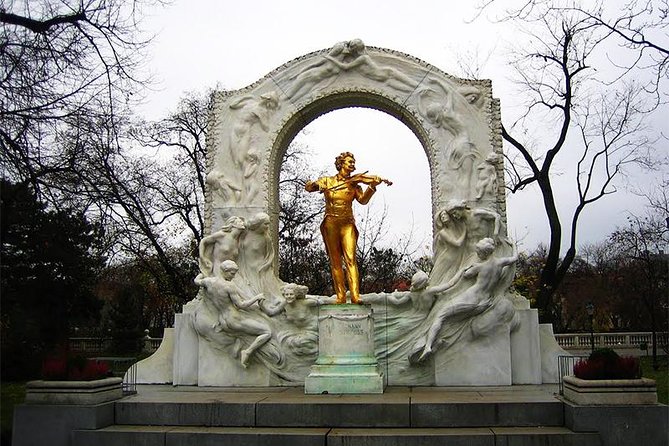
After the Secession Building, the route shifts from an exhibition mindset to the city’s everyday rhythm. You’ll pause at Stadtpark (15 minutes). It’s a municipal park stretching from the Ringstraße area up toward Heumarkt. This stop isn’t just a breather—it’s a reminder that Art Nouveau Vienna wasn’t locked away in buildings. It was part of how people moved through the city and met in public spaces.
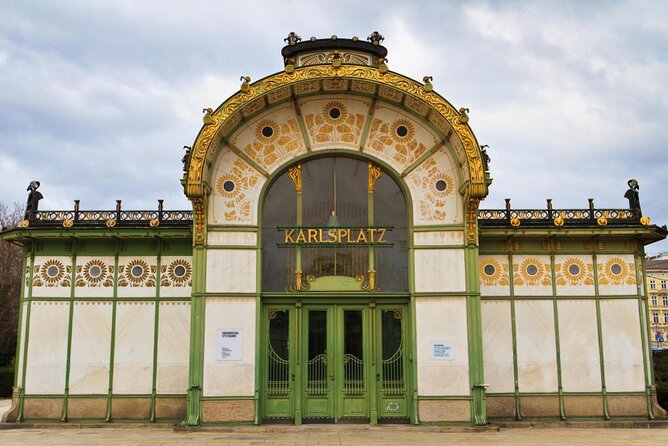
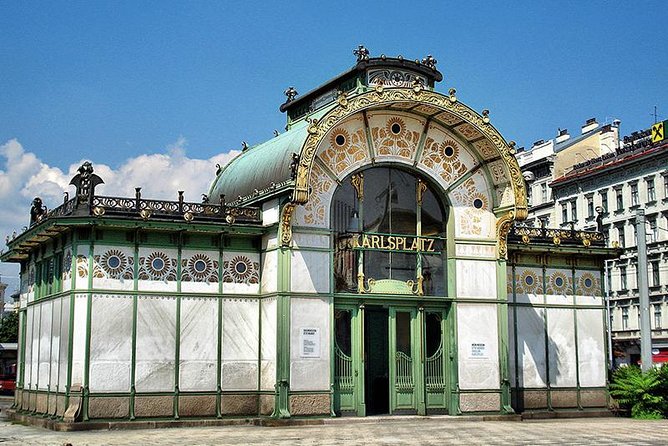
Then comes Karlsplatz, one of the stops that makes this tour feel different from typical “stand and pose” architecture walks. At Karlsplatz Stadtbahn Station, the above-ground structures are a well-known example of Jugendstil architecture designed by Otto Wagner, with Joseph Maria Olbrich involved as well. This is where Art Nouveau meets the realities of transport design.
You’ll spend about 20 minutes in this area. Even if you don’t memorize every detail, focus on the overall concept: the building elements aren’t just ornaments. They’re part of a transport system’s identity—public-facing, formal, and meant to be recognized.
The drawback here is simple: if your group is expecting an inside-the-building museum style experience at every stop, Karlsplatz is more about external architecture and station design. It’s still worthwhile, just a different kind of viewing.
Otto Wagner Pavillon: a modernist station that deserves the attention
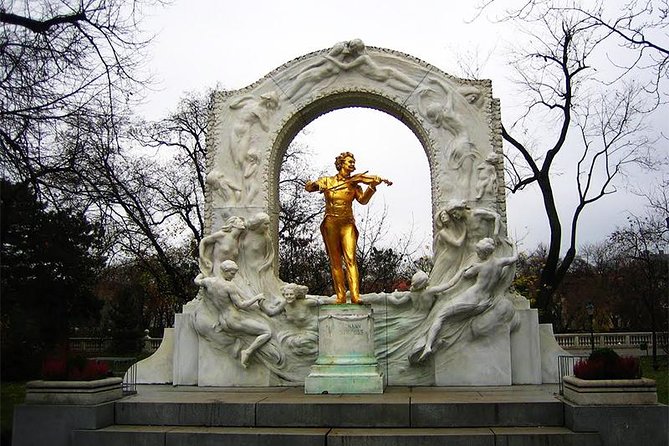
Next up is the Otto Wagner Pavillon Karlsplatz. This is described as an exhibit on Otto Wagner’s life and work housed in an 1898 Art Nouveau station building he designed.
You’ll spend about 15 minutes here. This is a key bridge between the earlier Secession ideas and the wider Wagner story—how one architect’s thinking helped shape the look of public Vienna.
Here’s the ticket catch: entry for the Pavillon is not included, and it only fits into the tour when the museum is open from April to October. The admission listed is €5 for general admission and €4 for senior citizens, students, people holding the Vienna Card, and persons with disabilities. If you’re traveling in shoulder season, you’ll want to be flexible about whether this stop can happen as described.
If you love architecture, this segment is a great chance to translate what you saw earlier into something more structured: the shapes, materials, and design logic become easier to spot when the guide connects them to the man behind them.
Postsparkasse: when a postal bank becomes Art Nouveau statement
Postsparkasse (Austrian Postal Savings Bank) is one of the easiest stops to love, because it shows how serious Vienna was about design even for bureaucratic life. Otto Wagner designed and built it, and it’s regarded as an important work connected to the Vienna Secession branch of Art Nouveau.
You’ll spend about 25 minutes here, and the admission is listed as free. That’s a rare gift on architecture tours: time inside or at a landmark without extra fees.
Even without a deep lecture, this is the kind of building that makes you look twice. The reason is simple: the architecture treats the public face of everyday services like it deserves beauty and clarity. It’s Art Nouveau that wants to be part of the city’s functioning, not just a special occasion backdrop.
If your group has mixed interests, this is also a good meeting point—design fans get plenty, and anyone who just wants to see what Vienna looks like beyond the big postcard sites still leaves satisfied.
Naschmarkt stop: market atmosphere without turning it into a food tour
The route includes Naschmarkt for about 10 minutes. Admission here is free, and the market is Vienna’s best-known culinary market, with around 120 stands and restaurants.
This stop is short on purpose. It gives you a sensory reset after architectural concentration. More than that, it puts the tour’s design ideas into a lived-in context: Art Nouveau Vienna existed among markets, errands, and street life.
Since food and drinks aren’t included, you’re free to do what fits your day—grab a quick snack if you want, or just enjoy the scene from the edges of the market area. If you’re not a shopper, don’t worry. This stop works as a “see Vienna as people see it” moment, not a mandatory tasting.
One caution: if your group wants to linger for photos or snacks, keep an eye on the guide’s timing. The walking route is built around short segments that connect to the next architecture beat.
Otto Wagner apartment houses and the metro finale
The tour wraps with a strong finish theme: metro stations plus Otto Wagner apartment houses. The concept here is smart—Vienna’s design story isn’t complete unless you see it where people actually live and move.
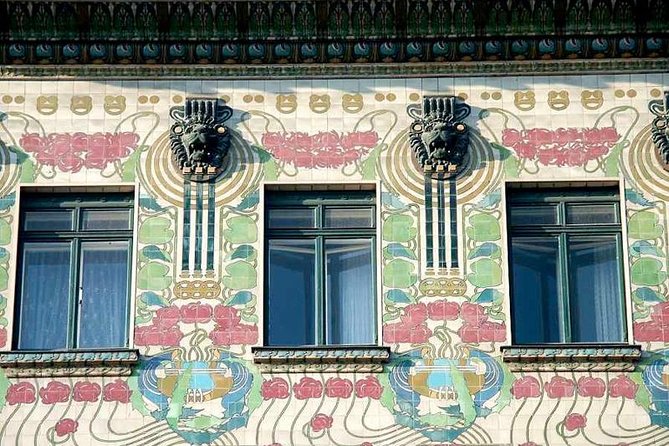
You’ll see two apartment houses designed by Otto Wagner. Around the area near Naschmarkt, you may also catch notable Wagner residential examples such as the Majolikahaus (Majolikahouses) and the Zacherl-house, both referenced as standout sights that match the tour’s focus on housing design.
Then comes the metro ending: a pair of beautiful metro stations, including a tiny stop built just for the Emperor. You might not catch every symbolic detail just by looking, but the guide’s job is to connect the design choices to the political and social reality behind them—why a special stop existed, and how Vienna expressed power and ceremony through public infrastructure.
If you love architecture, this finale is the payoff: the tour starts with a Secession manifesto and ends with transport architecture shaped by status, planning, and aesthetics. You’ll finish with a clearer sense of what “Art Nouveau in Vienna” really means.
Price and ticket reality: is $490 per group worth it?
At $490 per group for up to 10 people, the cost structure is simple: you’re paying for a private guide and a tight, designed route. If you fill the group, the per-person price drops quickly. If it’s just a couple, it’s more of a splurge—but still can be a good value when you compare it to paying full ticket prices and joining larger tours where you get less attention.
What you should factor in:
- Entrance fees are not included for the Secession Building, and the tour notes the specific pricing for Tuesday to Sunday.
- The Otto Wagner Pavillon stop is included only when open from April to October and has separate admission prices.
- Some stops are free (Stadtpark, Postsparkasse, and the Naschmarkt area), which helps offset the ticket moments.
So the real “value math” depends on the days you travel and whether you’re likely to want those indoor moments. If seeing Klimt’s Beethoven Frieze is a must, this tour makes that visit part of a broader architectural story rather than a quick detour.
One more small practical note: hotel pickup and drop-off are listed as not included, even though pickup is mentioned as offered. If that matters to you, confirm what pickup looks like for your exact booking.
Who should book this tour (and who might skip it)
Book this if:
- You like architecture and design more than pure history trivia.
- You want a private format that moves at your pace and encourages questions.
- You’re curious about Vienna’s Art Nouveau beyond the obvious highlights.
Skip it if:
- You want a long, relaxed stroll with minimal ticket stops.
- Your group doesn’t care about Otto Wagner or the Secession movement.
- You’re traveling with a strict budget that can’t flex for separate admissions.
Should you book this Vienna Art Nouveau walking tour?
If your idea of a great Vienna day includes metro-station facades, Otto Wagner buildings, and an inside look at Klimt’s Beethoven Frieze, this is a strong choice. The private format helps a lot: you’re not fighting for space, and you can ask the questions you actually care about.
I’d book it if you’re the kind of person who notices details—shapes, materials, and how design shapes daily life. Just budget for the ticket items that aren’t included and wear shoes ready for a focused 3-hour walk.
FAQ
What’s the duration of the private Vienna Art Nouveau walking tour?
The tour lasts about 3 hours.
How many people are included in the private group?
The tour price is per group, up to 10 people.
Where do we meet, and where does the tour end?
You meet at Operngasse 7, 1010 Wien, Austria. The tour ends in Vienna.
Is hotel pickup included?
Hotel pickup and drop-off are listed as not included, even though pickup is mentioned as offered. It’s smart to confirm what’s available for your booking.
Do we need to pay any entrance fees during the tour?
Yes. Admission is not included for the Secession Building, and the Otto Wagner Pavillon has separate admission when it’s included (April to October). Some other stops are free.
What if the tour day is Tuesday through Sunday?
For Tuesday through Sunday, the Secession House admission prices listed are €9.50 for adults and €6 for students and seniors, with the guide helping you pay.