REVIEW · VIENNA
Vienna Art Nouveau Walking Tour
Book on GetYourGuide →Operated by insightcities.com · Bookable on GetYourGuide
Vienna Art Nouveau is easier to spot when it rides the trains. This Vienna Art Nouveau walking tour lets you see Otto Wagner’s metro design ideas in real life, and it also pulls you toward the Secession House to connect Jugendstil style with Vienna’s big cultural debates. I love the way the tour makes you read the city like a design puzzle, and I love that the best-preserved stations are part of the route. One thing to consider: two major indoor stops can require extra tickets, including the Secession House (and the Otto Wagner Pavillon).
If you like architecture, this is a practical tour, not a lecture. You’ll mix walking with short metro rides, and you’ll learn why Vienna’s leaders pushed for a modern transit system just as the city was rapidly growing in the late 1800s.
The tour is priced at $176 per person for about 3 hours with a historian guide, and that’s a fair value when you consider you’re getting focused expert time plus access to the metro-station design story. Past groups have praised guides by name, like Wolfgang and Peter, for being energetic and responsive.
In This Review
- Key Points Worth Your Time
- Vienna Art Nouveau on Rails: Why Otto Wagner’s Metro Matters
- Café Museum and the Otto Wagner Pavillon at Karlsplatz
- Stadtpark Station: The Best-Preserved Wagner Stop
- Walking to Kettenbrücke: Secession House and Jugendstil Details
- Metro Ride to the Imperial Station Near Schönbrunn
- Otto Wagner Hofpavillon Hietzing and the Austrian Postsparkasse
- What You’ll Learn About Art Nouveau Symbols and Materials
- Price and Value: Is $176 Fair for 3 Hours?
- Who This Tour Fits Best (and Who Might Skip It)
- Should You Book the Vienna Art Nouveau Walking Tour?
- FAQ
- How long is the Vienna Art Nouveau walking tour?
- Where does the tour start?
- What is the price per person?
- Is admission to the Otto Wagner Pavillon included?
- Is admission to the Secession House included?
- Does the tour include Klimt’s Beethoven Frieze?
- What language is the guide?
- Are private or small groups available?
- FAQ
- Is the guide a historian?
- Can I cancel for a full refund?
- Can I reserve without paying right away?
- What should I bring for a walking and metro tour?
Key Points Worth Your Time
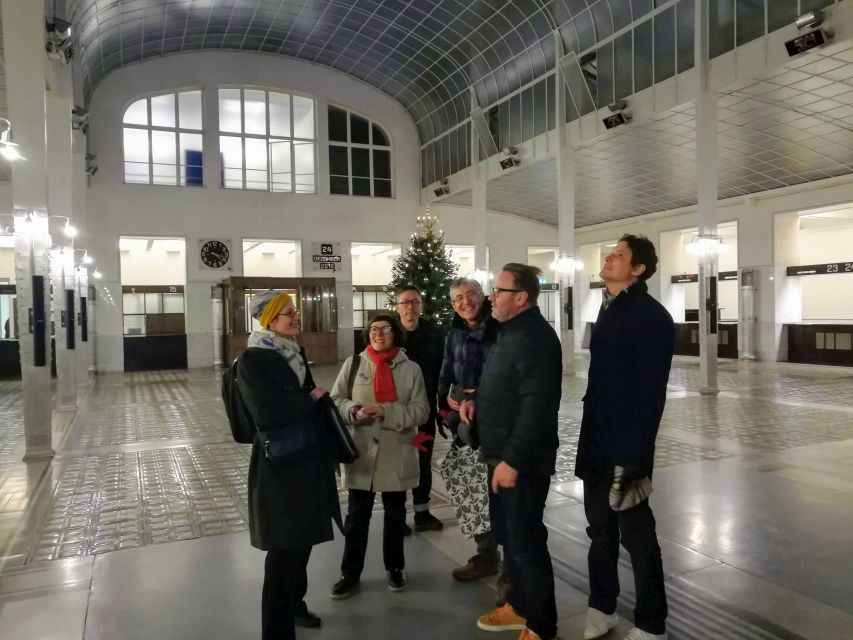
- Otto Wagner’s metro as a design statement, not just transportation
- Art Nouveau station interiors you can still recognize today, including Stadtpark
- Secession House stop tied to Gustav Klimt’s Beethoven Frieze on Tue–Sun
- Walk-and-ride pacing that keeps you actually looking at details instead of rushing
- Small-group feel, with guides like Wolfgang tailoring the tour when groups are tiny
Vienna Art Nouveau on Rails: Why Otto Wagner’s Metro Matters
Vienna didn’t build its metro because it was bored with walking. It built it because the city exploded in population during the late 19th century, and connecting suburbs to the center along the Ringstrasse became urgent. That’s where Otto Wagner enters the story—he wasn’t asked to just design stations, he was asked to create something iconic and instantly recognizable.
What makes this tour compelling is that it treats the metro as public art. Wagner wanted a design that looked unmistakable and helped Vienna project a cosmopolitan, modern identity. The result is Jugendstil in a very specific mode: bold materials, clean visual logic, and decoration that works with function instead of hiding behind it.
You’ll also get the ideological angle—how Art Nouveau was more than pretty curves. In Vienna, it carried ideas about culture, progress, and who the city was for. Your guide nudges you to look at symbols and materials like they’re clues. Once you start seeing that, the stations stop being background and start being the show.
You can also read our reviews of more tours and experiences in Vienna.
Café Museum and the Otto Wagner Pavillon at Karlsplatz
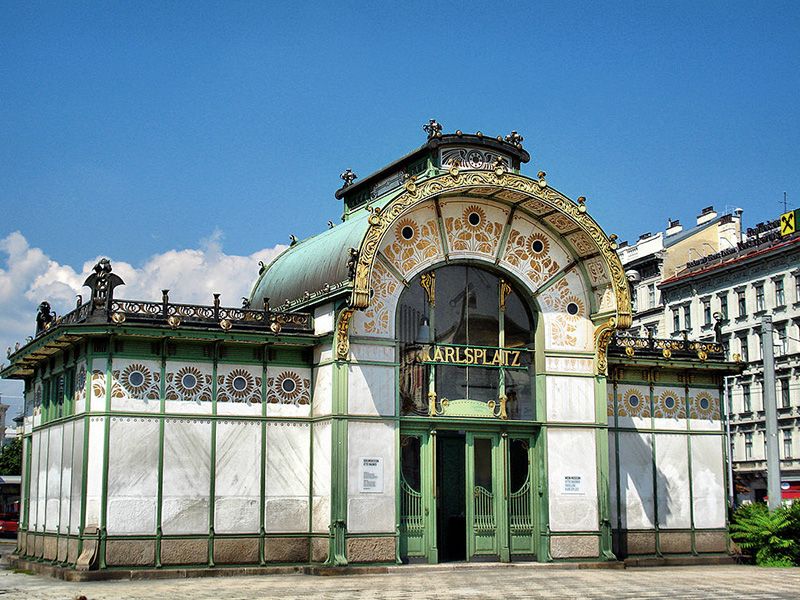
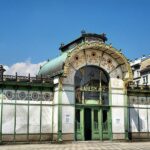
Your tour begins at Café Museum on Operngasse, a convenient starting point that sets the tone: this is a cultural route, not a marathon of random photos. From there, you head to the Wien Museum Otto Wagner Pavillon Karlsplatz, where you’ll get guided context before you start spotting Art Nouveau details on the street and in transit architecture.
Even if you’re only casually interested in design, this first segment helps you get your bearings. You’ll learn the basic premise: Wagner’s work wasn’t about copying nature for decoration’s sake—it was about creating a style that matched Vienna’s modern ambitions.
One practical note: admission to the Otto Wagner Pavillon isn’t included. If the extra ticket isn’t your thing, you can still enjoy what you learn outdoors, but you’ll likely miss some of the indoor framing that makes the rest of the route click.
Stadtpark Station: The Best-Preserved Wagner Stop
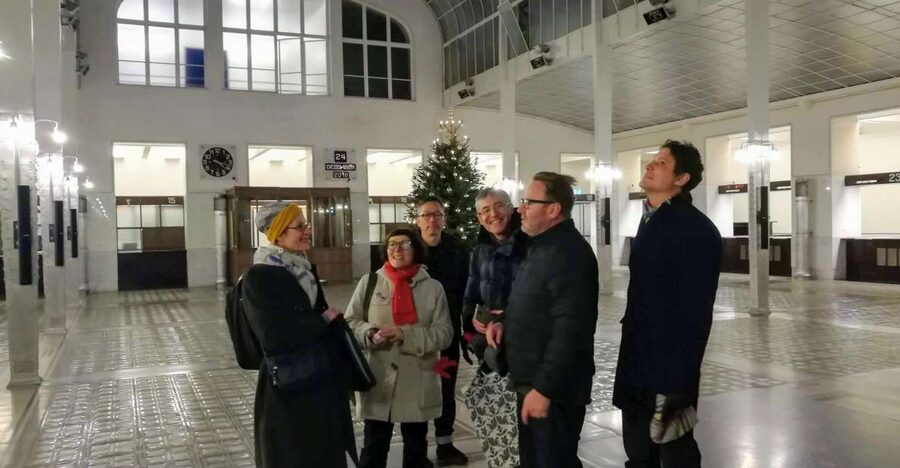
The walk to Stadtpark station is one of the smartest moves on this tour. It links the early “museum talk” feeling with the real thing—architecture you can see up close and understand without guessing.
Stadtpark is especially important because it’s described as the best-preserved original metro station still in use. That matters more than it sounds. When a structure survives with most of its character intact, you can compare what you’re seeing today with what the design meant back then. You’re not just looking at a historical shell. You’re looking at a working example.
Expect your guide to point out how Wagner translated general Art Nouveau tendencies into something that reads as confident and public-facing. In other words: this isn’t delicate wallpaper art. It’s built to be recognized by the crowd passing through every day.
If you’re the kind of person who likes to understand what you’re looking at, Stadtpark is the moment the tour starts paying back your attention.
Walking to Kettenbrücke: Secession House and Jugendstil Details
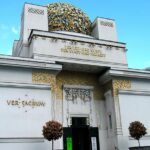
From the area around Kettenbrücke, the tour leans into one of Vienna’s icons: the Secession Building. This is the part where the style becomes unmistakable, especially for anyone who has seen Klimt photos online.
On Tuesday to Sunday, the tour includes a stop to see Gustav Klimt’s Beethoven Frieze at the Secession House. The ticket isn’t included in the tour price, so plan on extra cost (listed as €9.50 for adults and €6 for students and seniors). Your guide helps you handle it.
Even if you only know Secession as a name, you’ll learn why it became the symbol of Viennese Jugendstil. Your guide also connects it back to the broader Art Nouveau ideology—how designers and architects were trying to remake culture for a modern age.
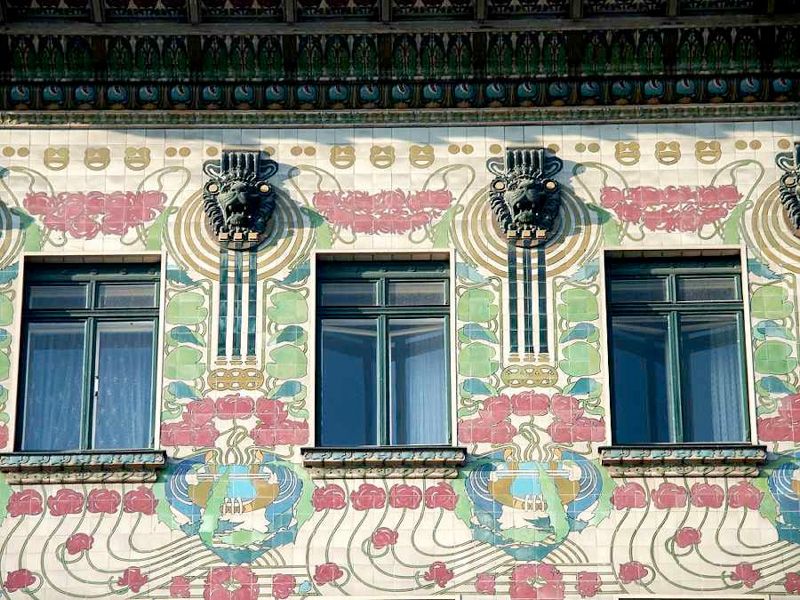
Along the way, you’ll also see examples of Otto Wagner apartment houses. These aren’t just pretty backdrops. They help you spot how he treated everyday buildings with the same design seriousness as civic projects. That’s a big part of why Wagner feels modern, even now.
Metro Ride to the Imperial Station Near Schönbrunn
The metro portion ends with a stop described as the imperial station, built outside Schönbrunn solely for the emperor to use. That fact alone makes it memorable. This wasn’t designed for convenience the way a station today would be—it was designed for power, access, and symbolism.
The tour also gives you the political layer. This station had meaning beyond architecture: it was intended to show critics that the emperor supported the metro line. In practical terms, that means the building becomes part of the argument for the whole project.
Your guide points out methods Wagner used to translate a generally bourgeois Art Nouveau style into something with imperial grandiosity. Translation: you’ll see how details and materials shift when the client changes. It’s design as messaging, not design as decoration.
If you like your architecture stories with stakes, this is where the tour turns from pretty to persuasive.
Otto Wagner Hofpavillon Hietzing and the Austrian Postsparkasse
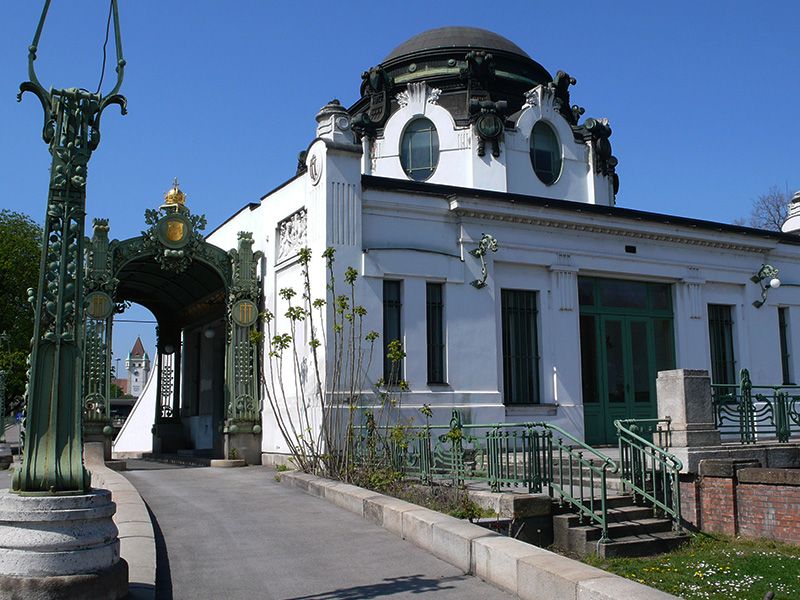
After the imperial-station moment, the route continues with more Wagner-linked sights and another major Art Nouveau landmark: the Otto Wagner Hofpavillon Hietzing and the Österreichische Postsparkasse.
The Hofpavillon matters because it keeps the focus on Wagner’s approach to identity through architecture—again, not only beauty, but who the building is for and what it signals. Your guide ties it back to the guiding theme of the day: Art Nouveau as a public language.
Then comes Österreichische Postsparkasse, a building people often recognize by reputation even if they can’t place it immediately. Here, your guide’s job is to get you looking at how the facade and interior logic express modern institutions—clear, structured, and made to feel authoritative.
This stretch is also a good “re-setting” moment. You’ve just done the emotionally loaded imperial story; now you see how the same style principles show up in everyday systems and public services.
What You’ll Learn About Art Nouveau Symbols and Materials
A big reason this tour gets good marks is that it doesn’t treat Jugendstil like a static style. It treats it like a set of choices. You’ll be asked to notice symbols and materials favored by Art Nouveau practitioners and then connect those choices to the ideology behind the movement in Vienna.
You’ll also hear about the metro’s transformation effect—how the system helped connect suburbs and the city center along the Ringstrasse, which is basically Vienna’s grand urban spine. The architecture isn’t just pretty; it’s part of the city’s growth story.
Guides praised in prior groups (like Wolfgang and Peter) were described as energetic, accessible, and willing to answer questions. That matters because Art Nouveau can feel abstract until someone helps you read it. If you ask questions during the walk—about Vienna’s politics, design philosophy, or why Wagner made certain choices—your guide can steer the conversation.
In a few cases, guides have also been ready to point out lesser-seen religious architecture in the old-city fabric, including hidden worship spaces like synagogues. Don’t assume that’s guaranteed, but it’s a good sign that these guides think beyond the checklist when time allows.
Price and Value: Is $176 Fair for 3 Hours?
At $176 per person for about 3 hours (with guided time described as around 2.5 hours), this is not a bargain-basement walking tour. The value comes from three things:
First, you’re getting historian-led context. Art Nouveau in Vienna isn’t just decoration—it’s ideas, politics, and modern identity. A guide helps you connect those dots fast.
Second, you’re seeing multiple architectural “anchors” tied to one architect and one movement: Karlsplatz’s Wagner-area context, Stadtpark, Kettenbrücke, the Secession Building, and then more Wagner and institutional Art Nouveau through Hietzing and the Postsparkasse.
Third, the tour uses the metro route itself as the teaching tool. That’s hard to replicate on your own without knowing what to look for at each station.
The only built-in cost surprise is admissions not included: the Otto Wagner Pavillon and the Secession House ticket (especially relevant Tue–Sun for the Klimt Beethoven Frieze). If you plan to enter those sites anyway, the price feels more reasonable.
Who This Tour Fits Best (and Who Might Skip It)
This tour is ideal if you:
- care about architecture and want practical ways to “read” buildings
- like Vienna’s turn-of-the-century art scene, especially Otto Wagner and Jugendstil
- prefer a small-group pace, where you can ask questions and get clear explanations
- enjoy a mix of walking plus short metro rides
It may be less ideal if you:
- only want a long museum day and don’t care about transit design
- hate paying extra for entrances at key indoor stops
- dislike guided walking routes and want total freedom with no planned sights
One more simple match test: if you enjoy figuring out how a city tells stories through design, this route will feel satisfying.
Should You Book the Vienna Art Nouveau Walking Tour?
I’d book it if you want Vienna Art Nouveau with real structure. You’re not just seeing famous facades—you’re learning the logic behind them, using the metro stations as your backbone. The route is timed well for attention: enough stops to feel full, not so many that you’re rushing every two minutes.
I’d also consider it if you like small-group energy. Reviews highlight guides such as Wolfgang and Peter for tailoring and answering questions, and that difference shows up in how much you get out of each station detail.
If you’re budget-sensitive, do the math early: add the Secession House ticket if your day includes the Beethoven Frieze, plus the Otto Wagner Pavillon admission if you want the indoor context. Once you factor that in, the tour’s focus on one clear theme makes the price feel earned.
FAQ
How long is the Vienna Art Nouveau walking tour?
The tour lasts about 3 hours.
Where does the tour start?
The meeting point is Café Museum, Operngasse 7, A-1010 Vienna.
What is the price per person?
The price is listed as $176 per person.
Is admission to the Otto Wagner Pavillon included?
No. Admission to the Otto Wagner Pavillon is not included.
Is admission to the Secession House included?
No. Admission to the Secession House is not included, with listed prices of €9.50 for adults and €6 for students and seniors.
Does the tour include Klimt’s Beethoven Frieze?
On Tuesday to Sunday, the tour visits the Secession House to see Klimt’s Beethoven Frieze, and you’ll need to pay the entrance fee separately.
What language is the guide?
The tour is guided in English.
Are private or small groups available?
Yes. Private or small groups are available.
FAQ
Is the guide a historian?
Yes, the tour includes a historian guide.
Can I cancel for a full refund?
You can cancel up to 24 hours in advance for a full refund.
Can I reserve without paying right away?
Yes. You can reserve now and pay later.
What should I bring for a walking and metro tour?
Wear comfortable shoes since the tour includes walking and metro segments over several stops.