
REVIEW · AMSTERDAM
Amsterdam Architecture Tour
Book on Viator →Operated by Historical Amsterdam Tours · Bookable on Viator
Canals, houses, and stories in two and a half hours. This private architecture walk helps you read the Amsterdam canal ring—how the buildings sit along the water and why the skyline looks the way it does. I especially like the one-on-one-style pacing that lets you ask questions without feeling rushed or blended into a crowd.
Second big win: you get inside Huis Bartolotti, with admission included, and that interior visit adds real meaning to what you’re seeing from the street. The tour also ties architecture to everyday life, so details like gardens and house design stop being trivia and start making sense.
One thing to consider: it’s a walking tour for about 2 hours 30 minutes, and it calls for moderate physical fitness. If you’re hoping for mostly sitting breaks or step-free touring, plan carefully.
In This Review
- Key highlights to know before you go
- Reading the canal ring like a local street-level detective
- Your start point on Brouwersgracht: where the story begins
- Stop 1: The canal ring structure and waterline architecture
- Late 17th-century architecture built around religious limits
- Huis Bartolotti: stepping into a canal house and its hidden gardens
- Westerkerk and early 17th-century context you’ll actually use
- The House with the Heads and a UNESCO-listed library
- How the timing and walking feel in real life
- Why the price can be smart value, depending on your group
- Who this tour is best for (and who should pass)
- Should you book this Amsterdam Architecture Tour?
- FAQ
- How long is the Amsterdam Architecture Tour?
- Is this tour private?
- What’s the group size?
- What language is the tour offered in?
- Where do we meet, and where does it end?
- Is there a ticket or entry included for any stops?
- Do I get a mobile ticket?
- How physically demanding is it?
- Can I choose a start time?
- Can I cancel for a full refund?
Key highlights to know before you go
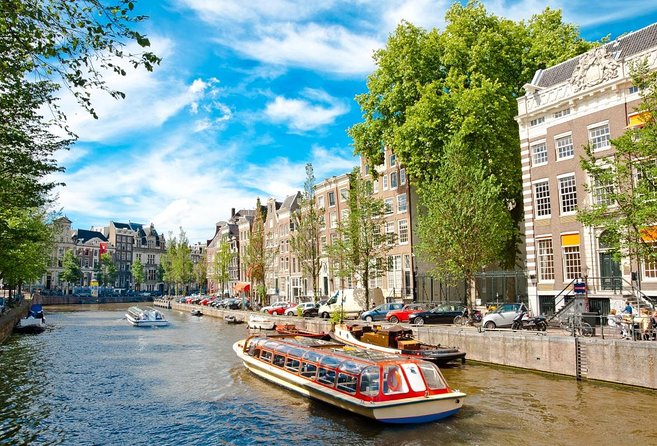
- Private tour for up to 8 people so the guide can pace the walk for your group
- Huis Bartolotti interior access with admission included (about 15 minutes inside)
- Canal ring and waterline architecture explained so the city looks different afterward
- Westerkerk and early 17th-century design context to connect buildings to time and purpose
- The House with the Heads visit plus its UNESCO-listed library inside
- Flexible start times to fit your vacation schedule
Reading the canal ring like a local street-level detective
Amsterdam’s canal ring can feel pretty at first glance. But once someone points out the patterns—how houses face the water, how façades were designed for visibility, and how the city’s defenses shaped what got built—you start noticing the logic behind the look. That’s the best part of this tour: you’re not just looking, you’re learning how to interpret.
You’ll walk through the architecture along the canal water, learning what makes these buildings distinct from one another. Expect the guide to connect shape and style to practical constraints, including how Amsterdam expanded rapidly as trade grew. The tour is set up so you’re constantly moving between “what am I looking at?” and “why did they build it this way?”
And since it’s private, the conversation can follow your interests. If you care more about houses, ask about the details on gable ends and building widths. If you care more about city planning, ask how canal fortifications mattered for keeping the city functional. The point isn’t to turn you into an architect. It’s to help you get your bearings fast.
You can also read our reviews of more tours and experiences in Amsterdam.

Your start point on Brouwersgracht: where the story begins
The meeting point is at Design Amsterdam, on Brouwersgracht 64. That matters because you’re starting inside the canal zone rather than at some far-off plaza where the buildings feel like a drive-by view. From the beginning, the walk is designed to keep you close to the water and the architectural front doors.
You’ll also appreciate that the route is planned to be easy to reach by public transportation. I like when a tour doesn’t make you guess at how to get there. With this one, you can usually plan a simple route from your hotel, arrive without stress, and then focus on the architecture right away.
The tour also ends back at the meeting point, which keeps the logistics clean. No hunting for a tram at the end of a long walk.
Stop 1: The canal ring structure and waterline architecture
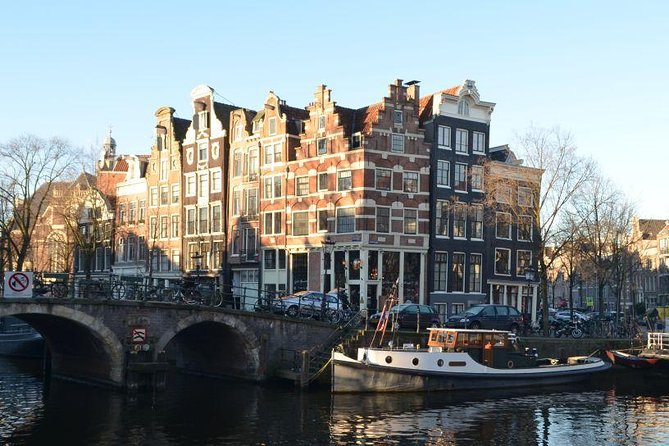
Your early stop is all about understanding the structure of the canal ring and the different kinds of architecture along the water. This is the “setup chapter” for the whole experience. Once you get the basic framework—what the canal ring represents, how buildings relate to the canals, and why different eras can look distinct—the rest of the stops land much harder.
A good guide will point out that Amsterdam’s look isn’t random. Even things that seem purely decorative often connect to function: who lived where, how prominent the façade needed to be, and how the city’s growth changed what could be built. One of the most useful parts of this stop is the way it links buildings to expansion. You’ll hear how the city grew from medieval times onward as trade developed, and how that growth shaped the streets and canal layout you see today.
If you’re the kind of traveler who loves skyline photos but hates vague explanations, this is where you’ll start getting specific. You’ll come away with a clearer mental map of the canal world, not just a list of names.
Late 17th-century architecture built around religious limits
Another highlight is a unique late 17th-century architectural example tied to the physical restrictions faced by religious minorities. Even if you’ve seen the building before, you’ll get a better understanding of the constraints behind its form. That’s what turns architecture from a style contest into human history.
Here’s why this stop is valuable: Amsterdam is known for tolerance, but tolerance had real-world limits and rules. Buildings can show those limits in plain sight—through placement, design, or practical decisions that reflect what was and wasn’t possible at the time.
This is the kind of stop where questions are encouraged. If you’re curious about how “freedom” played out in daily life, ask. A private guide can tailor the explanation, so you’re not stuck with a generic script.
Huis Bartolotti: stepping into a canal house and its hidden gardens
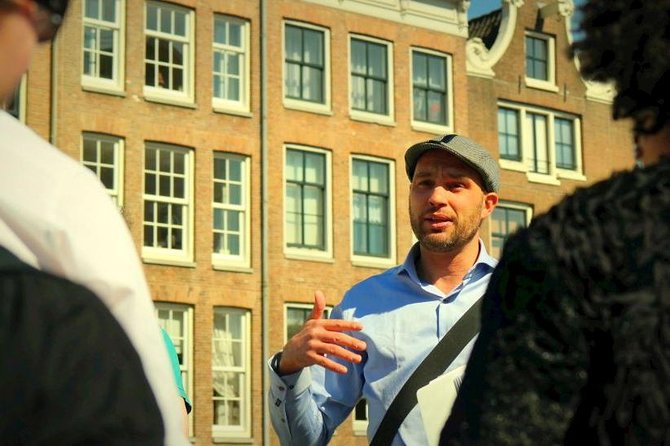
The visit to Huis Bartolotti is where the tour quietly wins fans. It’s described as the most beautiful canal house in Amsterdam, and more importantly, you don’t just look at it from the outside. You get about 15 minutes inside, and admission is included.
What I think makes this stop work for so many people is the way it reframes the canal ring itself. The tour’s message is simple: the canal house story isn’t only about the façade. You’ll discover secrets tied to the Canal Ring, especially the idea of its gardens—how private outdoor space and interior layout supported life behind the street-facing showpiece.
There’s usually a short window in places like this where you can take in the rooms without feeling rushed. Make the most of it by slowing down, not speeding up. Look at how light enters, how rooms connect, and how the interior design complements the exterior style you saw earlier.
Possible drawback: the interior time is limited by design. If you’re hoping for a long museum-style wandering session, you’ll need to plan extra time separately. But for an architecture-focused walking tour, the timing keeps the day moving.
Westerkerk and early 17th-century context you’ll actually use
After Huis Bartolotti, the tour shifts into early 17th-century context, including a special focus on Westerkerk. This stop helps you place what you’ve seen into a broader timeline. You’ll learn more about early 17th-century architecture in general, and why Westerkerk is a key piece of the city’s story.
One of the coolest details you might hear is the explanation of a swan perched on a Protestant domed church. Small symbolic elements like that can be easy to miss from street level. A guide’s job is to notice what you’d otherwise walk right past.
This stop also supports the bigger theme of the tour: Amsterdam’s skyline didn’t just happen. It evolved alongside trade, religion, and the city’s need to stay stable. As you connect the dots, you’ll start to understand why certain building features show up again and again across the canal ring.
If you’re a photo person, take a moment here to plan one good shot and then one “I learned something” shot. The second kind is often the one you remember later.
The House with the Heads and a UNESCO-listed library
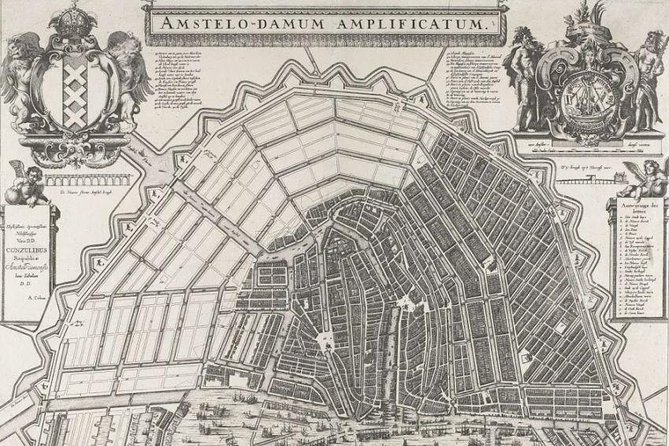
Another standout is an extravagant early 17th-century canal house in Dutch Renaissance style, known as the House with the Heads. The tour frames it as once home to influential residents, and it’s now home to a special UNESCO-listed library.
This is a strong pairing with the rest of the tour because it shows the other side of canal house life. Some canal houses are about private gardens and careful living. Others are more like a public statement—an architectural brag that signals status, wealth, and taste.
You might think you know what a canal house is until you see one like this. The name alone is memorable, and once you understand the style and purpose, the building becomes more than a pretty exterior. It becomes a symbol of the city’s early-wealth era.
The UNESCO connection also adds weight. Even if you’re not a formal museum visitor, it’s a reminder that Amsterdam’s architecture isn’t just local charm—it’s part of a recognized world story.
How the timing and walking feel in real life
The tour lasts about 2 hours 30 minutes and stays focused, without turning into a marathon. That duration is long enough to cover multiple architectural “chapters,” but short enough that you’re still able to enjoy Amsterdam afterward.
The route includes walking and a few stops, so you’ll want comfortable shoes. Amsterdam isn’t made for stiff soles and regret. Also, the tour is designed for travelers with moderate physical fitness. If you’re managing a mobility issue, the right move is to confirm how the pace and sidewalks will work for your situation before booking.
Because it’s a private group experience (up to 8 people), you’re less likely to feel like you’re chasing a guide. Still, private tours don’t erase the fact that you’re outside for a good chunk of time.
Why the price can be smart value, depending on your group
The tour costs $384.63 per group (up to 8). That might look steep if you’re comparing to per-person group tours. But private architecture tours are priced for the guide time and the smaller group format, and this one is doing a specific set of things well.
The main value boost is that admission is included for Huis Bartolotti. If you’d otherwise pay separately, that helps offset part of the total. The other value boost is the format: you’re not stuck listening while people drift away. You can ask questions. You can change focus mid-walk. You can ask for clearer explanations of what you’re looking at, instead of just nodding.
For a couple or a small family, this pricing is often easier to justify. For a single traveler, it’s less of a bargain, but still can be worth it if you want the flexibility of pacing and conversation.
My practical suggestion: do a quick “cost per person” math based on who’s actually going with you. With a full group, it starts to feel like a good deal. With one person, it becomes a more deliberate choice.
Who this tour is best for (and who should pass)
This is an excellent fit if you want:
- Private guiding instead of big-group herding
- Architecture context you can carry into the rest of your trip
- Interior time at Huis Bartolotti rather than only exterior views
- Clear explanations of why Amsterdam looks the way it does
It’s also a solid pick for first-timers who want to get oriented fast, but it works just as well for return visitors who want to notice details they’ve been skipping.
Who might want to consider another option: if you dislike walking, or you want deep museum-level time inside multiple buildings, this tour may feel too “mobile” and too short inside each site.
Should you book this Amsterdam Architecture Tour?
Book it if you like architecture that has a human story attached. You’ll get a structured walk through the canal ring, plus interior access at Huis Bartolotti, and you’ll end up understanding Westerkerk and the House with the Heads in a way that makes future sightseeing easier.
Skip it if your ideal tour is mostly seated, quiet, and long-form inside buildings. This experience is built for motion and conversation. The best outcome happens when you ask questions and pay attention to details along the water.
If your schedule is flexible, choose a start time that matches your energy. Do it when you’re fresh enough to enjoy a good walk and absorb what you’re seeing.
FAQ
How long is the Amsterdam Architecture Tour?
It runs for about 2 hours 30 minutes.
Is this tour private?
Yes. It’s a private tour/activity, and only your group participates.
What’s the group size?
The tour is priced per group up to 8 people.
What language is the tour offered in?
The tour is offered in English.
Where do we meet, and where does it end?
Meet at Design Amsterdam, Brouwersgracht 64, 1013 GX Amsterdam. The tour ends back at the meeting point.
Is there a ticket or entry included for any stops?
Yes. Admission is included for the Huis Bartolotti stop.
Do I get a mobile ticket?
Yes. The tour includes a mobile ticket.
How physically demanding is it?
It’s designed for travelers with moderate physical fitness level, since it’s a walking tour.
Can I choose a start time?
Yes. You can choose from a section of start times that fit your plans.
Can I cancel for a full refund?
You can cancel up to 24 hours in advance for a full refund.