REVIEW · VIENNA
Vienna Art Nouveau Walking Tour
Book on Viator →Operated by Insight Cities · Bookable on Viator
A quick subway ride can teach you architecture fast. This Vienna Art Nouveau walking tour uses historic metro stations and landmark buildings to show how Jugendstil ideas became real, street-level design. I love the way you learn to spot details like symbols, materials, and design logic as you move from stop to stop. I also love the small-group feel, limited to a maximum of 8 people, which keeps questions and pacing realistic even when the weather is miserable.
One thing to consider: part of the fun involves indoor sites and short paid add-ons depending on the day and season, so check whether you’ll want Klimt’s Beethoven Frieze at the Secession House (extra ticket). If rain shows up, expect the walk to feel extra brisk, so bring a warm layer and waterproof shoes.
In This Review
- Key things you’ll notice on this tour
- Why Vienna’s Art Nouveau shows up in unexpected places
- Where you start at Operngasse 7, and how the tour actually moves
- Otto Wagner Pavillon at Karlsplatz: start with the designer’s mindset
- Stadtpark station and the little Vienna riverbed you can’t miss
- Kettenbrücke, the Secession building, and Klimt’s Beethoven Frieze option
- The imperial station: where Wagner meets politics and power
- Guides make the difference: pacing, personality, and smart problem-solving
- Price and value: what you pay for, and what may cost extra
- Who should book this Art Nouveau route (and who might skip it)
- Should you book this Vienna Art Nouveau tour?
- FAQ
- How long is the Vienna Art Nouveau walking tour?
- Is the tour offered in English?
- Where do I meet, and is it near public transportation?
- What’s included in the price?
- Are there entrance fees for the stops?
- Can I see Klimt’s Beethoven Frieze on this tour?
- How many people are in a group?
- Can I cancel and get a full refund?
Key things you’ll notice on this tour
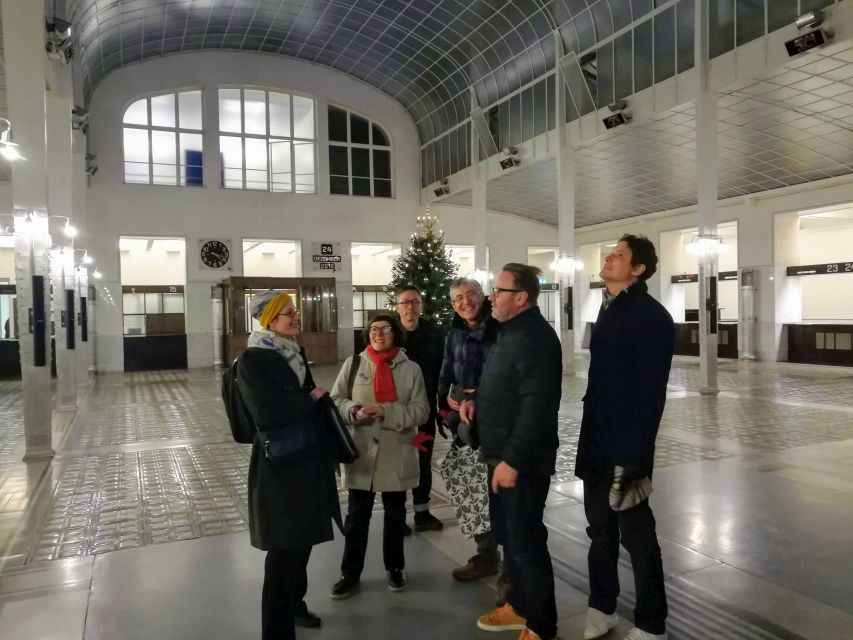
- Historic stations still in use make the Art Nouveau story feel practical, not museum-only
- Otto Wagner’s influence shows up again and again, from pavilions to apartment buildings
- The Secession building anchors the Jugendstil philosophy with strong visual symbols
- Klimt’s Beethoven Frieze can be included for an extra admission fee depending on the day
- A small group of up to 8 keeps the guide’s explanations focused and interactive
Why Vienna’s Art Nouveau shows up in unexpected places
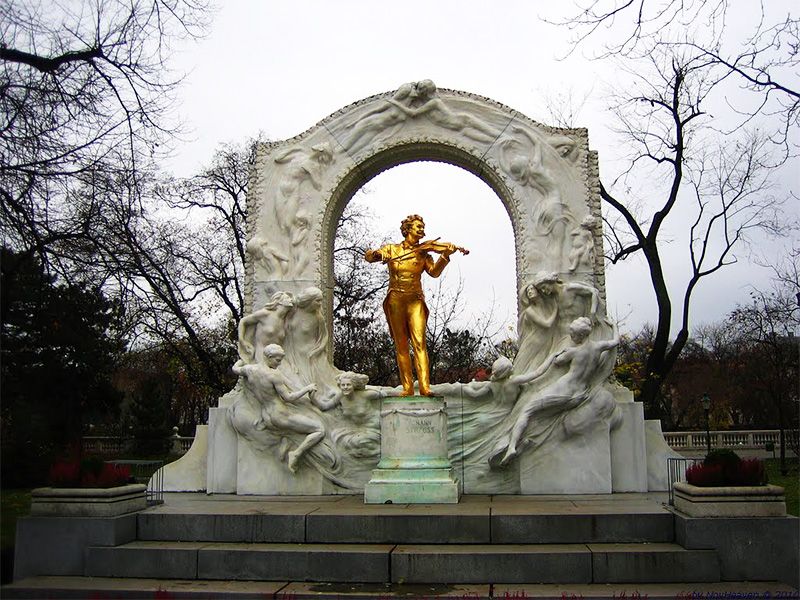
Vienna Art Nouveau isn’t just about pretty façades. On this tour, the design shows up where you actually go every day: metro stations, platforms, station-adjacent structures, and city buildings built for specific purposes. That matters because it turns Jugendstil from a distant art label into something you can read in real space.
You’ll start to connect the dots between style and intention. Otto Wagner’s approach is part engineering, part elegance. The Secession movement adds another layer: a clear break from older rules, expressed through layout, ornament, and the way buildings frame meaning.
Even if you’ve seen a few Art Nouveau highlights before, this kind of route helps you build a sharper mental map. You’ll come away with a way to recognize the style quickly across Vienna—and later, in other cities with similar timelines.
You can also read our reviews of more tours and experiences in Vienna.
Where you start at Operngasse 7, and how the tour actually moves
The meeting point is Operngasse 7 in central Vienna (1010 Wien). You’ll be near public transportation, which is a big deal when you’re doing a 2.5-hour plan that includes both walking and metro segments.
The total time is about 2 hours 30 minutes, and the group size stays small (up to 8). That combination helps you keep momentum. The guide can adjust the pace when people need a breather, and it also makes it easier to ask follow-up questions without the classic tour-group rush.
If you’re the type who likes to use the city’s transit system confidently, this is a nice way to do it. You’ll see what the lines feel like in practice, not just in a guidebook.
Otto Wagner Pavillon at Karlsplatz: start with the designer’s mindset
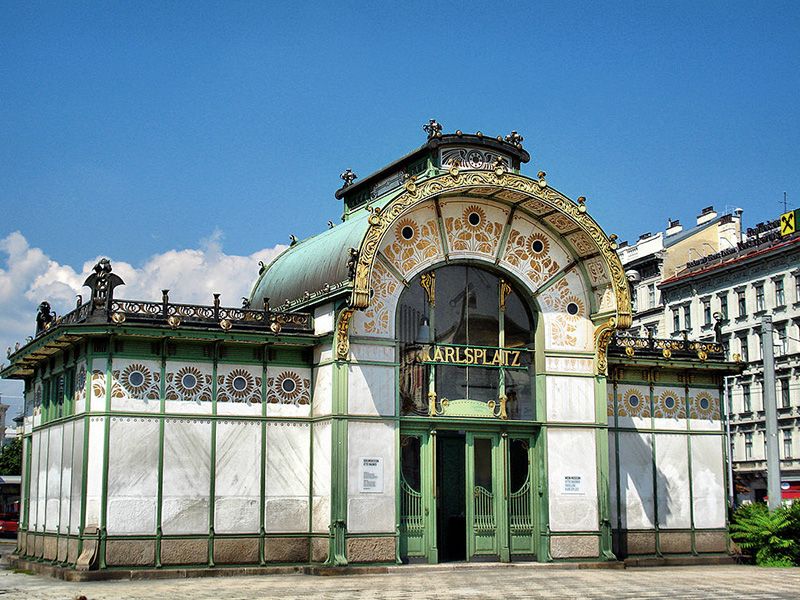
You begin at the Otto Wagner Pavillon at Karlsplatz. This is a fitting start because Wagner wasn’t a decorative stylist who happened to like curves—his work mixes function, structure, and refined aesthetics. You also visit a small Wagner Museum at the start, which sets up the rest of the walk by giving you context for the buildings you’re about to see.
Depending on when you tour, the Wagner Pavilion portion may involve a small admission fee when the museum is open (notably April to October). The listed prices are €5 for general admission and €4 for senior citizens, students, Vienna Card holders, and persons with disabilities. On other days, the stop can be free, so check the date you’re choosing.
Even when you’re only seeing a small slice of Wagner, the payoff is clarity. You’ll understand why his Art Nouveau style doesn’t look like a single visual theme. It’s a design method.
Practical tip: after this stop, pay attention to how often Wagner shows up later. The tour structure is built to repeat motifs—so your eyes learn faster.
Stadtpark station and the little Vienna riverbed you can’t miss
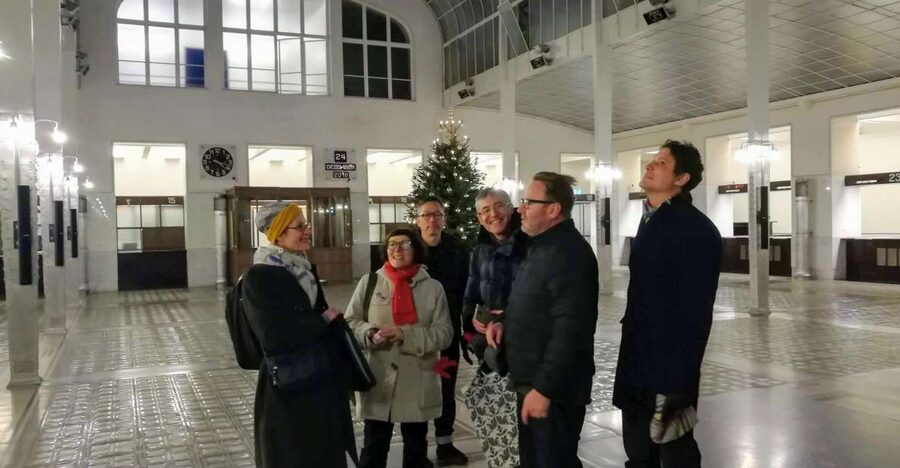
Next you head toward Stadtpark station, described as the best preserved of the original metro stations still in use. This is where the tour shifts from buildings-as-icons to stations-as-real infrastructure.
One standout feature here is the adjoining artificial riverbed made for the little Vienna river. The waterway had to be rechanneled when the city train was built, and the design problem was how to integrate that realigned river into the new city landscape. That’s a very Vienna problem—engineering meets aesthetics—and it’s exactly why this tour route makes sense.
Admission for this station stop is free. So you’re getting a strong story without extra costs.
What I like about this part: it teaches you to look beyond ornament. You start asking why the station is shaped the way it is, and what problem it solved for the city. When you do that, the later Jugendstil details feel more meaningful.
Kettenbrücke, the Secession building, and Klimt’s Beethoven Frieze option
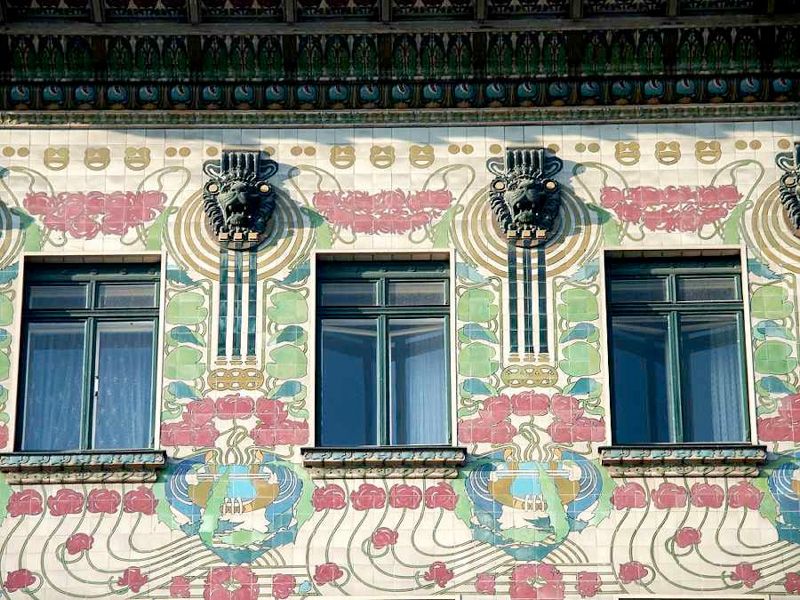
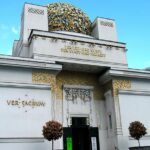
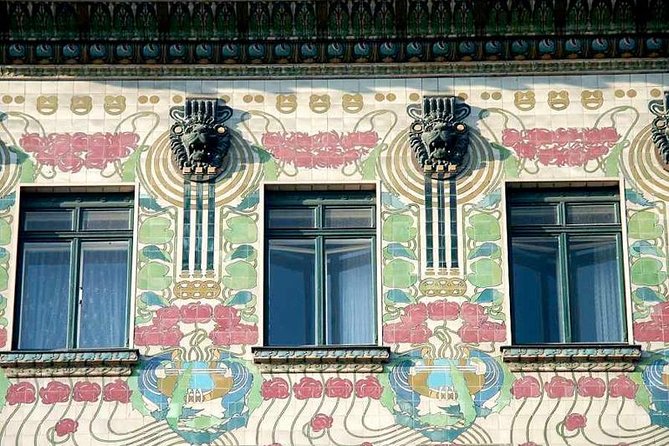
The tour’s Art Nouveau heartbeat is the Secession building, also tied to the Kettenbrücke station area. This is a major icon of Viennese Jugendstil, and you also visit two apartment houses by Otto Wagner nearby. Seeing the apartments alongside the Secession site is a smart move because it shows how similar design thinking could serve different purposes: public art culture versus everyday living.
Your guide’s focus here is practical: you’ll consider the philosophy behind Jugendstil and how practitioners used symbols and materials. That helps you understand the style as a language, not a checklist.
From Kettenbrücke, you then go to the imperial station for the final big station moment. Before that, there’s also a potential add-on that many people care about: the Secession House and Gustav Klimt’s famous Beethoven Frieze.
Here’s the key: if you tour Tuesday to Sunday, admission to Secession House is €9.50 for adults and €6 for students and seniors. The guide helps you pay if you choose to see it. Tuesday through Sunday is the only window with the listed ticket prices, so your day selection affects your total out-of-pocket costs.
If you’re coming for Klimt, this is likely the main reason to book. If you’re more of an architecture person, it still pays off, because Klimt is used here as a way to understand how art movements communicated ideas in built form.
The imperial station: where Wagner meets politics and power
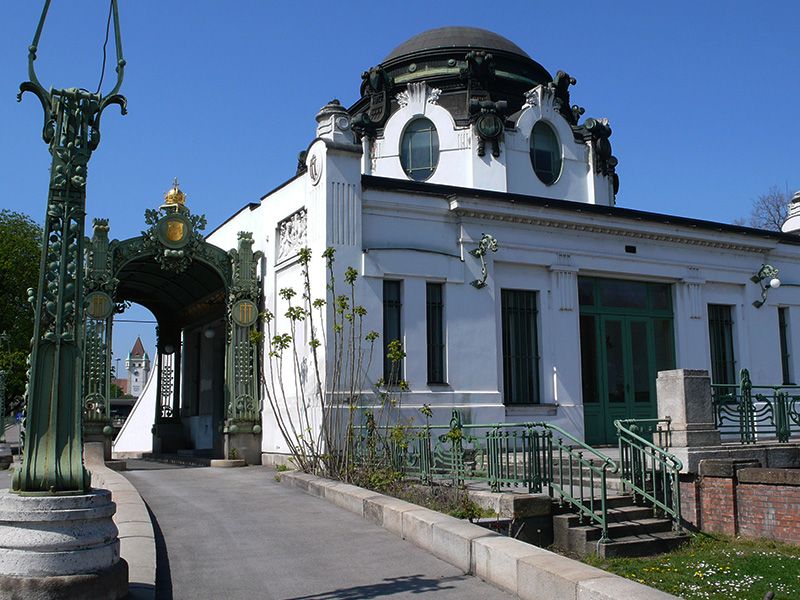
The last stop is the imperial station, reached by metro from the Kettenbrücke area. This is described as an outstanding building erected outside Schönbrunn castle for the Emperor’s use. That imperial connection isn’t a throwaway detail; the station’s design and meaning connect to how Vienna wanted to frame the metro’s legitimacy.
The symbolic point was to show critics that the emperor supported the line. It’s a reminder that city infrastructure often comes with messaging, and architecture can be part of public persuasion.
Inside this small but dynamic building, you’ll recognize the design elements you saw earlier in the walk. The guide also points out how Wagner translated a more bourgeois Art Nouveau style into something with imperial grandiosity. In plain terms: the same design ideas get scaled up and re-aimed to fit a different power context.
This is a strong finale because it ties together the tour’s themes: design, function, and meaning. You don’t just end with pretty views. You end with a better theory of how Vienna built culture into everyday movement.
Guides make the difference: pacing, personality, and smart problem-solving
This tour is led by a professional guide, and the guide quality is a huge part of why the experience lands so well. The guides named in the experiences include people like Jan, Stephan, Suzanne, Angelina, Ilse, and Wolfgang Augsten. Across these different personalities, the common thread is clear: the explanations are tailored, and the energy is high.
I especially like how guides handle weather and pace. On a cold or rainy day, you don’t have to white-knuckle the full walk with no adjustments. The tour can include practical changes, like using metro lines to warm up or reduce walking time, depending on the group’s needs.
Another real-world benefit: guides can help you navigate Vienna’s transit with confidence. When you learn the system through a short, guided route, you’re less likely to feel lost later when you’re on your own.
The overall effect is simple. You get facts, but you also get an easier day in the city.
Price and value: what you pay for, and what may cost extra
At $180.04 per person for about 2.5 hours, you’re paying mainly for a trained guide and a tight route that links design ideas across multiple sites. The small group size (maximum 8) supports that value, because the experience doesn’t feel like standing in a crowd listening at a distance.
Most of what you see is tied to free entry stops—starting points like the Wagner Museum portion and station stops such as Stadtpark are listed as free. The potential extra costs are the timed museum/access pieces.
The two extra-cost areas you should plan around are:
- Otto Wagner Pavilion during April to October when the museum is open (listed admission €5 general, €4 for seniors/students/Vienna Card holders/persons with disabilities)
- Secession House for Klimt’s Beethoven Frieze, with listed Tuesday to Sunday admission €9.50 adults and €6 for students and seniors
Food and drinks aren’t included, so budget for a snack or a warm drink afterward if you need it. Hotel pickup and drop-off also aren’t included, which is normal for a city-center walking and transit experience.
For me, the value case is strongest if you care about art movements and architecture ideas, not just photos. This tour is built to teach you how to read the city, and that’s what makes it feel worth the price.
Who should book this Art Nouveau route (and who might skip it)
This tour is a great match if you’re into art, architecture, and culture—especially Vienna around the turn of the 1900s, when Jugendstil and Otto Wagner shaped what the city felt like. It also works well if you’re the type who likes transit because you’ll see how the metro connects to the story.
It’s less ideal if you want a pure sightseeing parade with minimal interpretation. The best part here is the explanation: symbols, materials, and why buildings were designed as they were. If that sounds fun, you’ll enjoy it.
If you’ve already done a few Vienna highlights, you might still find it useful. It can add a fresh angle by focusing on metro stations and design logic rather than only the usual palaces and churches.
Should you book this Vienna Art Nouveau tour?
Book it if you want a compact, focused route that makes Jugendstil easier to recognize and understand. The small group size, the guided station-and-building mix, and the option to see Klimt’s Beethoven Frieze (if you choose the Secession House add-on) are the main reasons to commit.
Skip it only if you’re on a tight schedule and need something purely free-form. This is a structured 2.5-hour experience, and the payoff comes from following the guide’s story from one design clue to the next.
If you want a Vienna day that feels smarter by the end—like you’re leaving with a new way to see the city—this is a strong choice.
FAQ
How long is the Vienna Art Nouveau walking tour?
It runs for about 2 hours 30 minutes.
Is the tour offered in English?
Yes. The tour is offered in English.
Where do I meet, and is it near public transportation?
Meet at Operngasse 7, 1010 Wien. The start location is near public transportation.
What’s included in the price?
The tour includes a 2.5-hour guided experience focused on Vienna Art Nouveau metro stations and iconic buildings, plus a professional guide. A mobile ticket is included.
Are there entrance fees for the stops?
Some stops are listed with free admission, but the Otto Wagner Pavilion visit during April to October may have admission fees (€5 general, €4 for seniors/students/Vienna Card holders/persons with disabilities). The Secession House for Klimt’s Beethoven Frieze has admission fees Tuesday to Sunday (listed as €9.50 adults and €6 students and seniors), and your guide helps you pay.
Can I see Klimt’s Beethoven Frieze on this tour?
You can, via an admission ticket to the Secession House that applies Tuesday to Sunday, with the listed prices. Your guide helps with payment.
How many people are in a group?
The maximum is 8 travelers per booking.
Can I cancel and get a full refund?
Yes. Free cancellation is available if you cancel at least 24 hours before the experience start time for a full refund.