REVIEW · NEW ORLEANS
Creole Architecture of the Marigny Tour
Book on Viator →Operated by NOLA Tours · Bookable on Viator
Creole architecture tells stories in plain sight. This Marigny tour strings together a Greek Revival landmark, a ridge of 19th-century mansions, and the home styles of a neighborhood shaped by multiple cultures. You get a local walk plan that helps you see New Orleans beyond the busiest blocks.
I love the way the guide turns buildings into clues you can actually use. One standout is the Old Mint connection: you learn what the New Orleans Jazz Museum building is and why its architecture matters, then you connect that to the downriver neighborhood story you’re about to walk into.
I also like that the tour keeps the pace friendly and the group small, with guides who bring personal color. Names like Guy, Kelsey, and Karen show up in guide styles you may experience—clear explanations, visual aids, and even practical lunch tips from the neighborhood. One possible drawback: this is a walking tour, so if your legs struggle with steady city walking, you’ll want to plan for frequent breaks and comfortable shoes.
In This Review
- Key Points You’ll Care About
- Creole Architecture in Marigny: What You’re Really Learning
- Stop 1: New Orleans Jazz Museum in the Old Mint (Greek Revival Start)
- Stop 2: Esplanade Avenue and the Mansion Ridge
- Stop 3: Faubourg Marigny, Where Cultures Show Up in House Styles
- Stop 4: Frenchmen Street for Your Next Evening Plan
- Price and Time: Why $40 for Two Hours Feels Fair
- Logistics That Actually Matter: Shoes, Weather, and Getting There
- Who Should Book This Marigny Creole Architecture Tour
- Should You Book It?
- FAQ
- How long is the Creole Architecture of the Marigny Tour?
- Where does the tour start and end?
- What is the price?
- What language is the tour offered in?
- How many people are in a group?
- What stops are included on the tour?
- Is a mobile ticket provided?
- Is the tour affected by weather?
- Are there any admission fees mentioned?
- What should I wear for the tour?
Key Points You’ll Care About
- Greek Revival architecture at the Old Mint sets the tone fast, with history you can follow even if you’re new to the city
- Esplanade Avenue ridge views and mansion scale help you understand how elevation shaped who built where
- Faubourg Marigny culture mix is explained through real home types and construction choices
- Small group size (max 14) keeps the conversation going instead of turning into a lecture
- Frenchmen Street stop gives you a smart starting point for planning your evening out
- Mobile ticket and English make it easy to show up ready to walk
Creole Architecture in Marigny: What You’re Really Learning
This tour isn’t just about taking photos of interesting doors and balconies. The goal is to teach you how New Orleans neighborhoods grow, layer, and change—then show you the physical results in the architecture.
You’ll walk into Marigny with a new set of questions. Why is a building placed where it is? Why do certain houses look like they belong to a particular era or community? And how do migration and culture show up in materials, layouts, and street patterns? By the time you reach the Faubourg Marigny segment, you should feel like you can “read” the neighborhood instead of just visiting it.
And that’s where the value kicks in. At $40 for about two hours, you’re paying for guided interpretation—someone connecting the dots between Greek Revival, ridge-top wealth, and the housing variety that grew in the Marigny/Faubourg Marigny area.
You can also read our reviews of more tours and experiences in New Orleans.



Stop 1: New Orleans Jazz Museum in the Old Mint (Greek Revival Start)
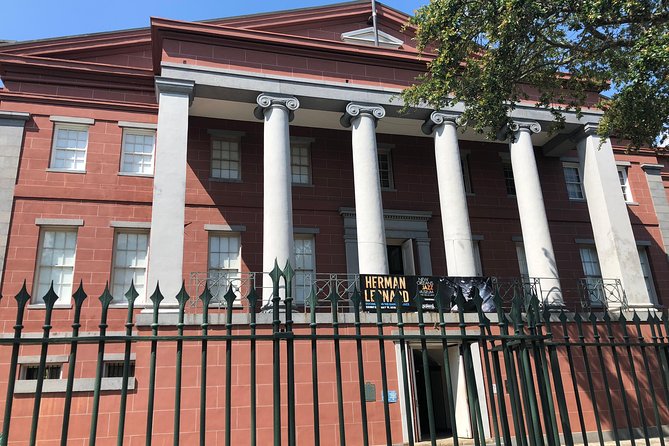
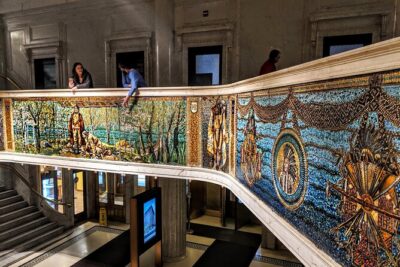
The walk begins with the New Orleans Jazz Museum housed in the Old Mint. The big appeal here is the contrast: a major, structured Greek Revival building right at the start of a story that later moves into more local, downriver neighborhood life.
Here’s what you’ll get during this first stop:
- A quick look at the building’s Greek Revival architecture and why it stands out in New Orleans
- A brief history of New Orleans that ties back to the downriver neighborhood you’re headed toward
- A short, focused orientation so you don’t feel lost once you leave the museum area
Why this stop is smart: it gives you a visual anchor. Many architecture tours start with “pretty streets.” This one starts with a landmark building type that helps you understand how big civic or institutional architecture showed up in the city—then you compare that to the homes you’ll see later.
Potential downside: time here is brief. You’re not walking through a long exhibition stretch as part of the scheduled stop length, so if you want lots of museum time, you’ll still want to plan that separately after the tour.
Stop 2: Esplanade Avenue and the Mansion Ridge
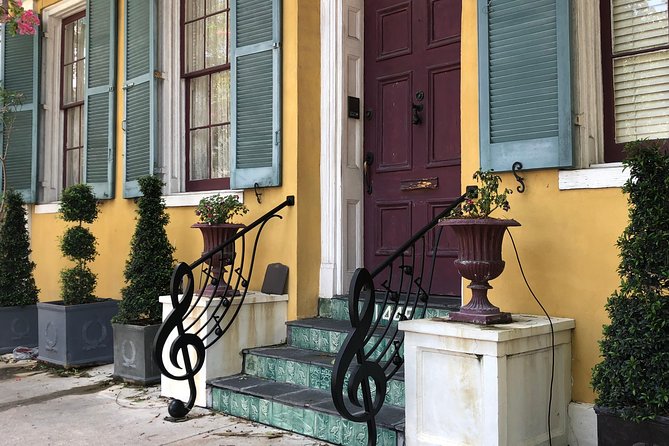
Next comes Esplanade Avenue, where you’ll stroll and learn about the early to mid 19th-century mansions built along the ridge. This part works best because it’s not just “look at that house.” The guide focuses on who built there and what the ridge setting meant.
What you’ll take away:
- The scale and style of those mansions, tied to the time period
- How elevation and location influenced settlement patterns
- Stories about the people who made their homes on the ridge
This segment is especially useful if you’ve only seen French Quarter streets where everything feels packed together. On the ridge, you see how the street and view create a different kind of neighborhood geometry. You can almost feel the planning decisions in the street layout.
A consideration: the stop is short. Plan to enjoy the stroll and absorb the explanations, but don’t expect this to replace a full day of historic mansions study.
Stop 3: Faubourg Marigny, Where Cultures Show Up in House Styles
This is the heart of the tour, and it’s long for a reason. Once you head into Faubourg Marigny, the story shifts from architecture as an isolated object to architecture as a living result of community building.
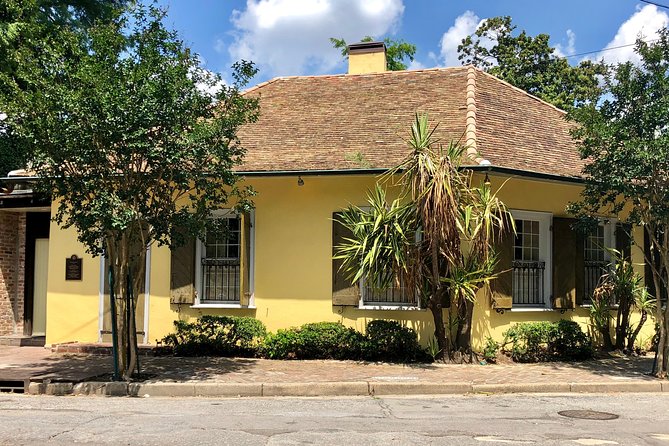
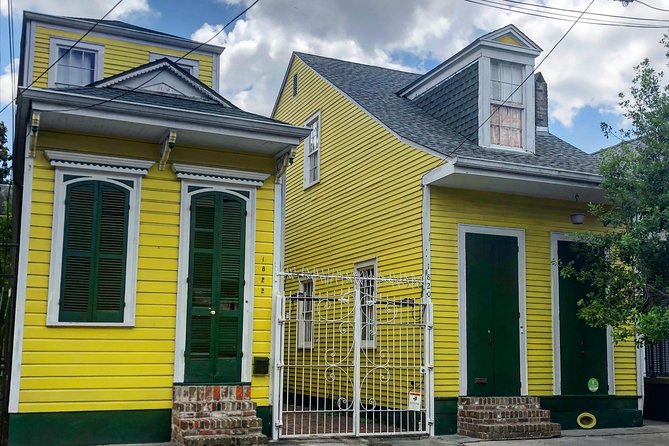
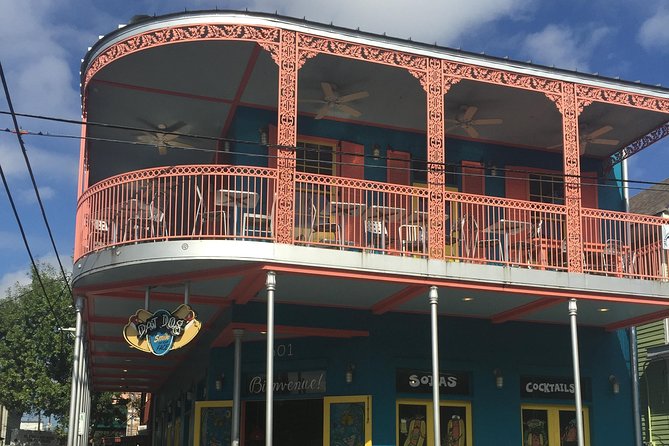
During this stretch, you’ll learn about the cultures that made up the area, including Creoles, Irish, Germans, and Haitians. Then you’ll see how local builders and architects produced a variety of home types and styles that you won’t easily find in one-place-only, one-era neighborhoods.
Expect the guide to do three practical things for you here:
- Explain how culture and migration connect to building choices
- Point out variety in house form—how different homes reflect different influences
- Tie the street walking to geography and neighborhood development
One of the strongest signals from the tour experience is how guides use visual aids and geography-style thinking. In particular, one guide named Guy is described as bringing personal anecdotes and local color, plus visual helps that make the social migration and architecture easier to grasp. Another guide, Karen, is noted for explaining different architecture styles and periods with visual aids.
So what does that mean for you? It means you’re likely to come away with mental models, not just names. You’ll be able to look at a house and at least guess what era or influence might have shaped it, because the guide gives you the comparison framework.
Small caution: the core portion is 1 hour 20 minutes. If you’re prone to getting tired on walking tours, this is where you’ll want to pace yourself. Bring water, stick to the route, and don’t be shy about asking for a slower moment.
Stop 4: Frenchmen Street for Your Next Evening Plan
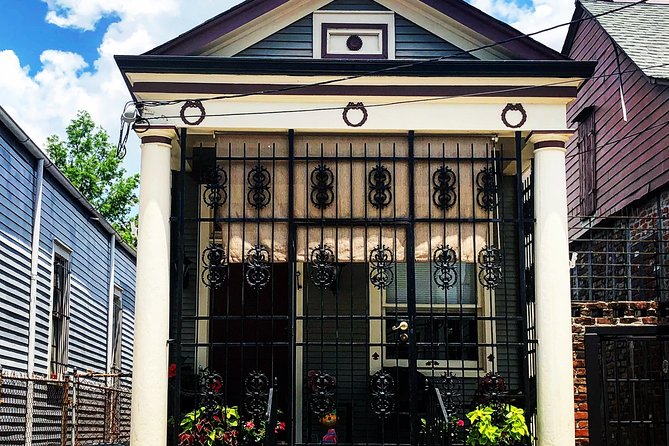
After the architectural heavy lifting, you get a quick stroll down Frenchmen Street. This stop works like a practical handoff: you finish learning, then the guide shows you where the action is.
What you can expect:
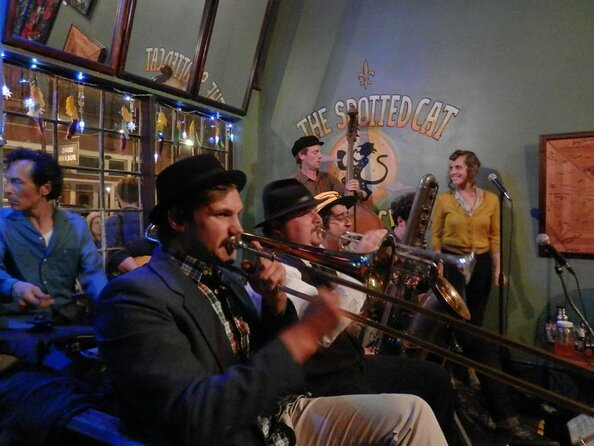
- A quick walk-through of Frenchmen Street’s entertainment corridor
- A sense of the street’s lineup—clubs, dance-halls, and restaurants
- A nudge to plan an evening here based on what you’ve seen
This is less about historical architecture and more about helping you use your time. By the end of the tour, you’ll know the neighborhood context. Then you can choose where to spend your night with more confidence, instead of wandering randomly and second-guessing which block is worth your time.
Consideration: because it’s a “quick stroll” stop, don’t expect a long bar-hop plan. Use it as direction. If you want food and music, plan to return later.


Price and Time: Why $40 for Two Hours Feels Fair
At $40 per person for about 2 hours, this tour is positioned as a high-value intro to Marigny. Two things make that price feel reasonable:
- The tour includes multiple educational stops, not just a single landmark
- The scheduled admissions at the stops are marked free, including the New Orleans Jazz Museum stop and the other segments in the plan
Also, you’re not paying for a huge group experience. The maximum group size is 14 travelers, which is important. In a small group, you actually hear the explanation, and the guide has a better chance of answering questions as you walk.
Booking time matters too. The experience is often booked about 10 days in advance on average, so if you’re traveling during busier weeks, it’s wise to lock in a spot early. That’s especially true because weather plays a role.
Logistics That Actually Matter: Shoes, Weather, and Getting There
This is a walking tour, and the basics are worth taking seriously:
- Comfortable walking shoes are recommended
- It’s subject to favorable weather conditions
- If weather causes cancellation, you’re offered an alternative date or a full refund
- Service animals are allowed, and most travelers can participate
- It’s near public transportation, and it starts and ends back at the meeting point in the French Quarter
Here’s the practical takeaway: Marigny streets can be uneven, and even short walks add up when you’re stopping for explanations. Shoes matter more than you’d think—especially if you plan to keep exploring afterward.
If you want the smoothest experience, aim for a day when walking feels comfortable. If the forecast looks rough, consider scheduling with a bit of flexibility so you’re not stuck rearranging your whole itinerary.
Who Should Book This Marigny Creole Architecture Tour
This tour fits best if you want:
- A compact way to learn Marigny architecture and neighborhood culture in one block of time
- A guided interpretation that helps you connect buildings to community history
- Off-the-radar feel compared with the most crowded French Quarter loops
- A plan that ends with a practical suggestion for where to go for music and food
It’s also a good choice if you like conversation and visual explanations. The guide styles described—friendly storytelling, visual aids, and personal neighborhood color—suggest you’ll get more than facts on a clipboard.
If you’re the type who wants to stay strictly in museums the whole day, you might find the “quick stroll” format too brief. But if you enjoy walking as part of the learning, you’ll likely find this tour satisfying.
Should You Book It?
Yes, I think you should book this tour if your goal is to understand Marigny instead of just passing through it. The Creole architecture focus plus the cultural breakdown tied to home styles gives you a way to keep seeing the neighborhood long after the tour ends.
Book it especially if you:
- Want a structured route that still leaves room for wandering
- Enjoy guides who explain architecture with visual help and local context
- Want a head start on planning an evening on Frenchmen Street
Skip it or swap it for a different plan only if you strongly dislike walking or you need a full-length museum experience. This is a smart two-hour orientation that sets you up to explore on your own—so use it as the first chapter, not the entire book.
FAQ
How long is the Creole Architecture of the Marigny Tour?
It runs for about 2 hours (approx.).
Where does the tour start and end?
It starts in the French Quarter (New Orleans, LA 70116, USA) and ends back at the meeting point.
What is the price?
The tour costs $40.00 per person.
What language is the tour offered in?
The tour is offered in English.
How many people are in a group?
The tour has a maximum of 14 travelers.
What stops are included on the tour?
You’ll visit the New Orleans Jazz Museum (Old Mint), walk along Esplanade Avenue, explore Faubourg Marigny, and take a quick stroll on Frenchmen Street.
Is a mobile ticket provided?
Yes, the tour uses a mobile ticket.
Is the tour affected by weather?
Yes. It requires favorable weather conditions. If canceled due to poor weather, you’ll be offered an alternative date or a full refund.
Are there any admission fees mentioned?
Admission is listed as free for the scheduled stops, including the New Orleans Jazz Museum stop.
What should I wear for the tour?
Comfortable walking shoes are recommended.