Munich changes when you walk south. This guided winter tour focuses on south Munich architecture and the Isar river, with stops in Giesing and a special look at the Alte Utting boat moment on a bridge.
What I like most is how the route mixes festive scenery with real urban history, and how Philipp connects the dots between buildings, art, and everyday neighborhood life. A possible drawback: it’s a winter walking tour and it isn’t a fit for wheelchair users or people with mobility impairments.
In This Review
- Key things I’d zero in on
- Winter South Munich: What this tour is really good at
- Where you start: Piazza Zenetti, the easy subway plan
- Stop-by-stop: from Münchner Volkstheater to Giesing’s river edge
- 1) Piazza Zenetti: get your bearings fast
- 2) Münchner Volkstheater: culture before the streets
- 3) Bahnwärter Thiel: history with a neighborhood name
- 4) MS Utting on Lagerhausstrasse bridge: the Alte Utting highlight
- 5) Dreimühlenstraße: street-level atmosphere
- 6) Wittelsbacherbrücke: another bridge, another way to see the Isar
- 7) Claude-Lorrain-Straße: a look at the city’s layers
- 8) Little Venice: water views with a Munich nickname
- 9) Finish at Gans Woanders: wrap-up in the right mood
- Christmas markets: alternative, not just another checklist
- The Isar river angle and the willow island moment
- Price and value: why $36 makes sense here
- Who should book (and who should skip it)
- Booking this: my straight answer
- FAQ
- How much does Munich’s Hidden Architecture Guided Tour cost?
- How long is the tour?
- Where is the meeting point?
- What’s the best subway stop to use?
- Which languages are available for the tour?
- Are food and drinks included?
- Does the tour visit Christmas markets?
- Is the tour suitable for wheelchair users?
- Is smoking allowed during the tour?
- Can I cancel for a refund?
Key things I’d zero in on
- Philipp’s architect eye: you’ll get clear explanations that turn small details into big meaning.
- Three alternative Christmas markets: you’re not stuck with just the main squares.
- Isar River at night: cool air, streetlights, and the river feel different after dark.
- Giesing’s neighborhood charm: an area with its own character south of the center.
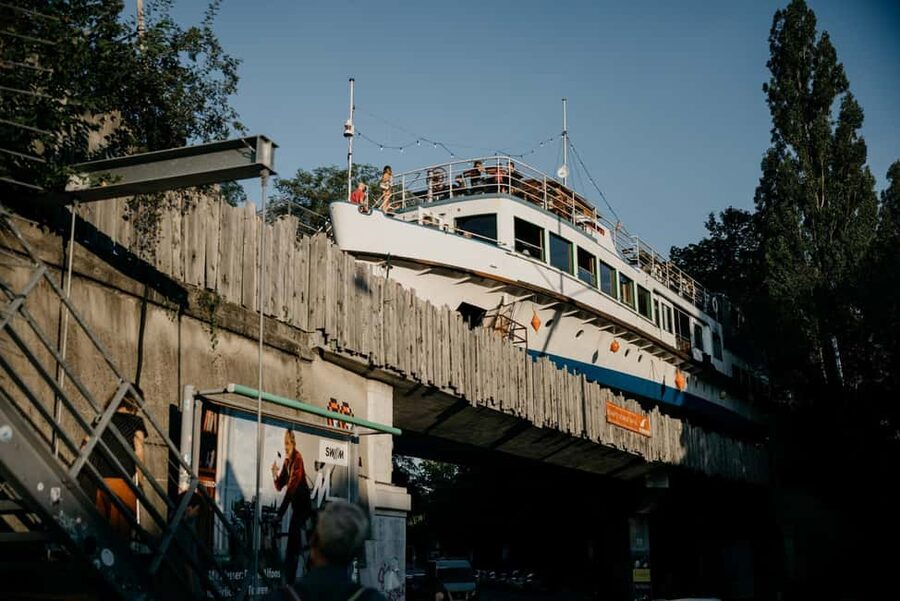
- Alte Utting on the bridge: the kind of photo point you’ll remember.
- Street art + creative cultural hubs: including places made from shipping containers and wood.
Winter South Munich: What this tour is really good at
This isn’t a sightseeing sprint through Munich’s postcard core. It’s a focused walk that leans into the city’s layers: architecture, street art, and neighborhood history—then tops it off with winter market stops. If you like your travel with some curiosity built in, this format works well.
The big win for me is the balance. You get festive stops (not just one), but the main thread is how Munich grew and changed across centuries. You also get an “after dark” feel, since the tour explicitly includes time to see parts of the city and the Isar river by night.
At 2 hours, it’s short enough to stay comfortable in winter, but still long enough for a guide to explain what you’re seeing as you move. Price is $36 per person, and the value is in the guided content plus the market time—food and drinks are not included, so you’ll want to plan on buying your own snacks or calling it a pre-meal walk.
You can also read our reviews of more tours and experiences in Munich.
Where you start: Piazza Zenetti, the easy subway plan
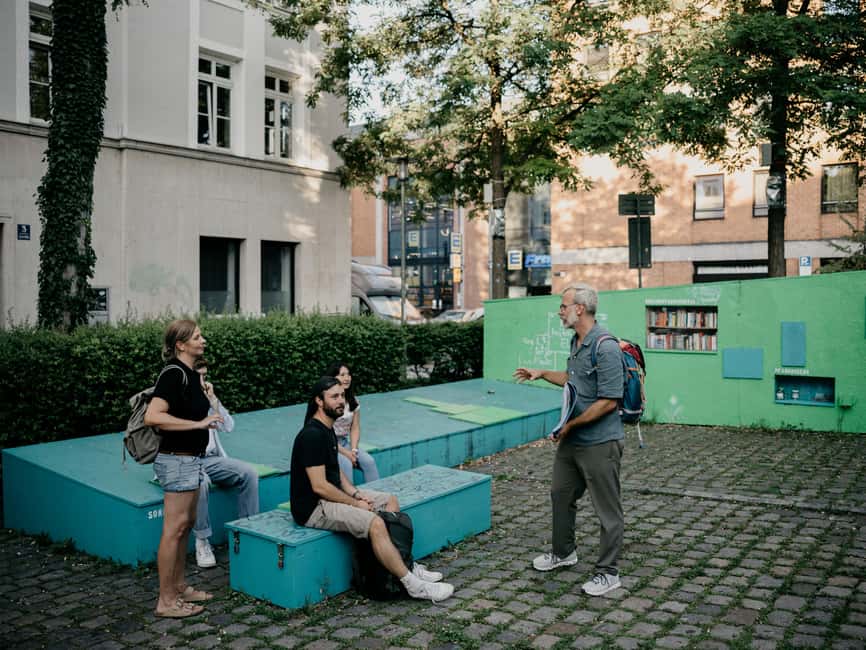
You’ll meet on Piazza Zenetti, at the intersection of Tumblingerstrasse and Zenettistrasse. Look for the turquoise and green outdoor furniture plus small trees in boxes—that’s a big visual cue.
For transit, the easiest approach is to get off at the subway station U3/U6 Goetheplatz, then walk about 10 minutes to Zenettiplatz. That walk is manageable for most people with decent winter boots, and it helps you warm up before the tour begins.
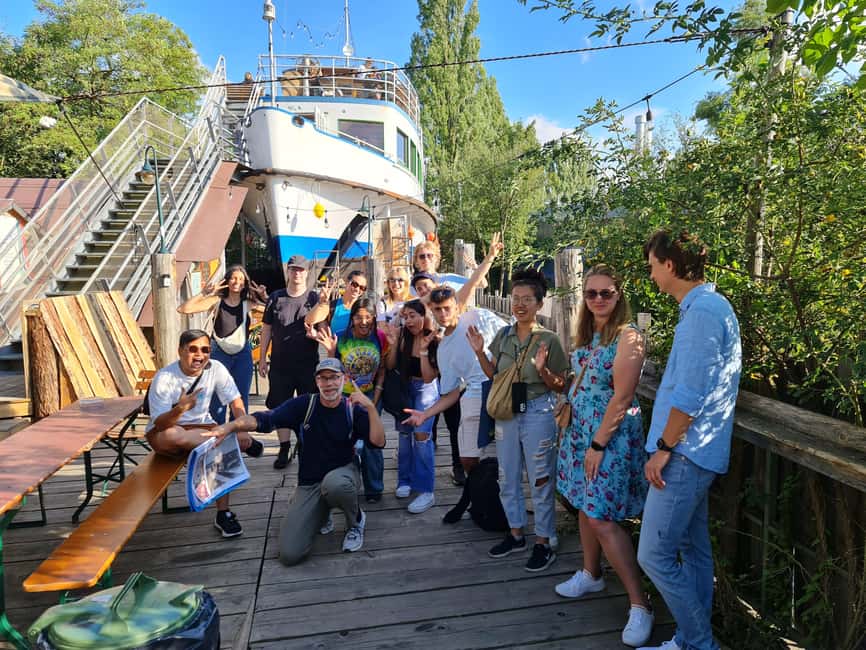
Philipp’s tour style is hands-on and easy to spot. He’s described as wearing a colorful backpack and holding a blue folder, so you shouldn’t be guessing where to stand.
Stop-by-stop: from Münchner Volkstheater to Giesing’s river edge
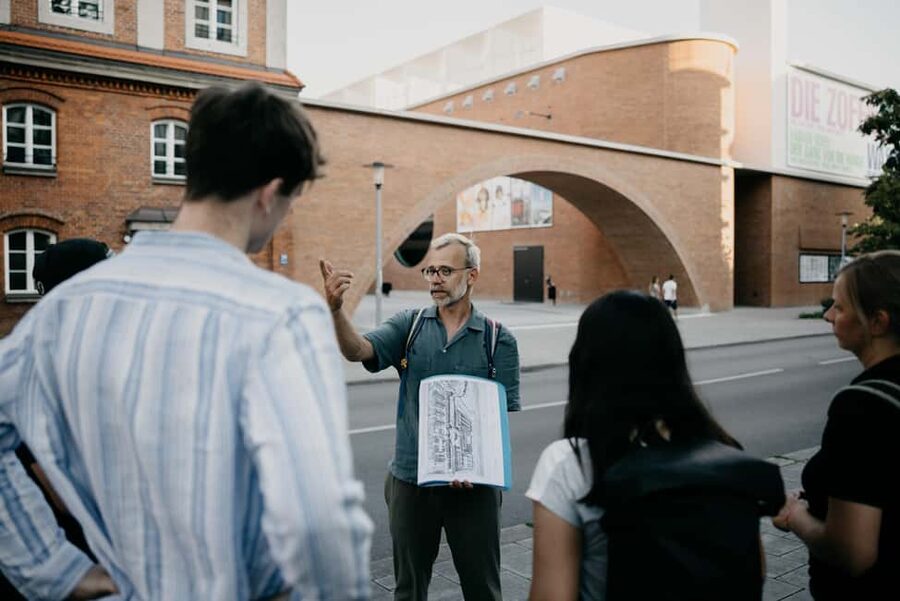
The itinerary is designed like a slow arc through south Munich. Each stop is a guided moment, so you’re not just passing by named locations—you’re meant to notice the details the guide points out. Below is what to expect at each part, and what’s likely to be most interesting (or not) for you.
1) Piazza Zenetti: get your bearings fast
You start in a small public space that feels more local than touristy. It’s a good place to reset and get oriented, especially in winter when landmarks can blur together.
Practical tip: wear shoes that handle slippery sidewalks. This tour works best when you can keep a steady pace.
2) Münchner Volkstheater: culture before the streets
Next you’ll head to Münchner Volkstheater for a guided look. A theater building is a useful early stop: it gives you a sense of how Munich supports arts in everyday neighborhoods, not just in grand showpieces.
If you enjoy architecture and how public buildings shape a district, this is a strong start. If you’re mostly chasing photo stops and don’t care about context, you may find it slower than a pure market crawl—but the pacing matters later when you transition to river views.

3) Bahnwärter Thiel: history with a neighborhood name
Then comes Bahnwärter Thiel, also with a guided segment. This stop’s value is less about a single object and more about what a name can tell you: how neighborhoods remember work, routes, and past uses.
I like these types of stops because they prevent the tour from feeling like a random walk. You’re learning why the city’s layout and buildings make sense.
4) MS Utting on Lagerhausstrasse bridge: the Alte Utting highlight
This is one of the tour’s signature moments. You’ll visit MS Utting from the bridge area on Lagerhausstrasse, which sets up the iconic photo idea: the guide specifically points out the boat sight from the bridge.
The tour description ties this directly to attention from outside Munich, with Is Munich getting cool? Look for the boat on the bridge linked to the New York Times praise. Translation for you: this stop is meant to create that quick “wait, that’s Munich?” reaction.
Camera matters here. Bring it ready, since winter light can change fast, and bridges give you angled views you can’t always recreate from street level.
5) Dreimühlenstraße: street-level atmosphere
At Dreimühlenstraße, you’ll get another guided pass through the district’s fabric. Street names like this tend to anchor you in the geography of how people moved through the area over time.
This is a good place to slow down mentally. Let the guide’s architecture-and-art lens shape how you look at everyday streets.
6) Wittelsbacherbrücke: another bridge, another way to see the Isar
You’ll then reach Wittelsbacherbrücke, which is a key viewing point in the route. Bridges in a river city are where you understand the whole system: water, movement, and how buildings face inward to the neighborhood.
This is also where the “by night” element starts to feel real. Even if you’ve seen river photos before, the combination of winter darkness and guided commentary changes what you notice.
7) Claude-Lorrain-Straße: a look at the city’s layers
Next is Claude-Lorrain-Straße, with guided time built in. Streets like this are where you start noticing the contrast that makes this tour different: not just old vs new, but how practical spaces can become cultural ones.
This is also where the guide’s “small details and nuances” approach really pays off. You’ll likely start spotting patterns in how the city’s edges are shaped.
8) Little Venice: water views with a Munich nickname
You’ll make a stop at Little Venice. The name tells you what to look for: a water-centric feel that feels different from the rest of the city blocks you walked through.
If you like unusual place names and the way they steer your eyes, you’ll enjoy this part. If you’re only in Munich for “the must-see” list, you might treat it as a fun detour—but on this tour it fits the Isar and neighborhood theme tightly.
9) Finish at Gans Woanders: wrap-up in the right mood
The tour ends at Gans Woanders, and you finish back at the Piazza Zenetti area. It’s a good way to close the loop: you start in a recognizable meeting place, and you end with a neighborhood-feeling stop rather than a return to a central transit chaos.
If you’re hungry, plan to grab your own food and drinks after the tour. Those aren’t included.
Christmas markets: alternative, not just another checklist
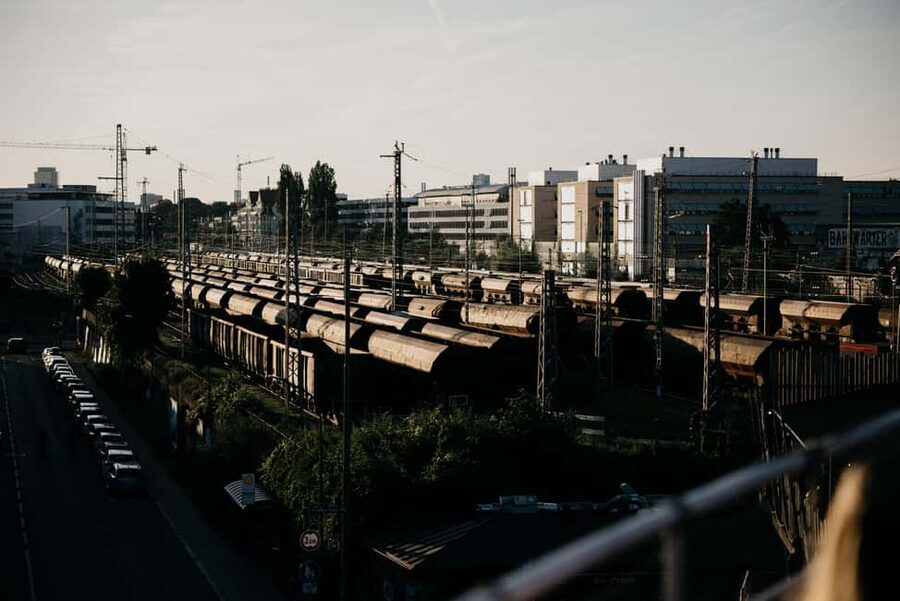
The tour includes visits to three Christmas markets. That’s a big deal in a short, 2-hour window. It means you’re not gambling on whether one market is good—you get multiple bites of the season.
What makes these market stops feel different is the surrounding context. Instead of treating markets as separate attractions, the tour threads them into the architecture and neighborhood story. You also get festive pacing: a few minutes of looking, then walking, then looking again.
A small practical note: food isn’t included. So if you want the full “market meal” experience, you’ll need to budget separately. The value here is time with the guide plus places you might not find on your own.
The Isar river angle and the willow island moment
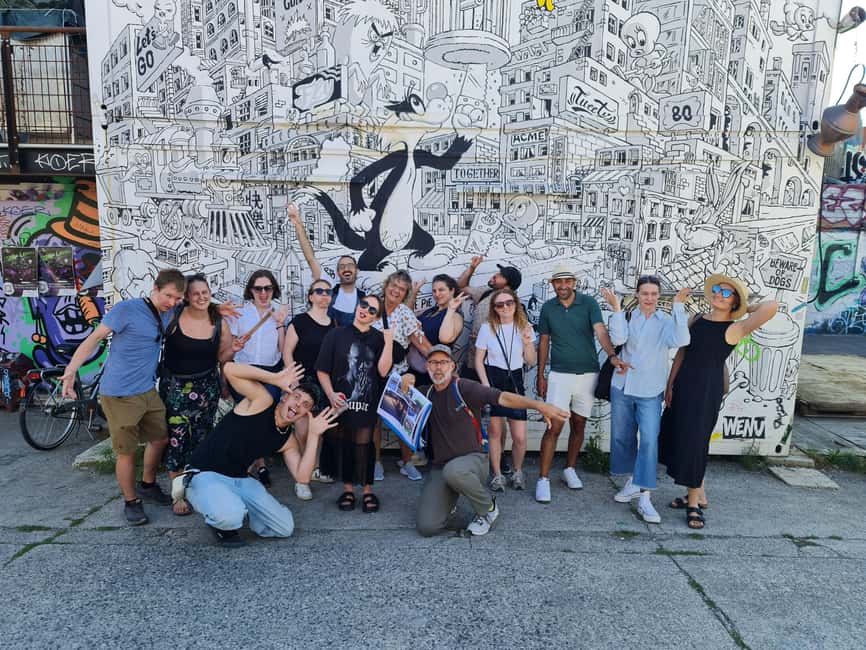
One of the tour highlights is moving along the Isar River, including nature elements like the willow island. This matters because it adds variety beyond street corners and market stalls. Winter makes the river feel sharper, quieter, and more dramatic—especially when the tour includes evening viewing.
This part is also where the route stops feeling purely historical. You’re getting a sense of Munich’s natural shape: water edges, tree cover, and the way the city frames outdoor spaces.
If you’re the type who likes photos, plan on using bridges and river viewpoints for your best shots. If you’re more into walking and chatting, the river segments offer a calm break in the middle of the itinerary.
Price and value: why $36 makes sense here
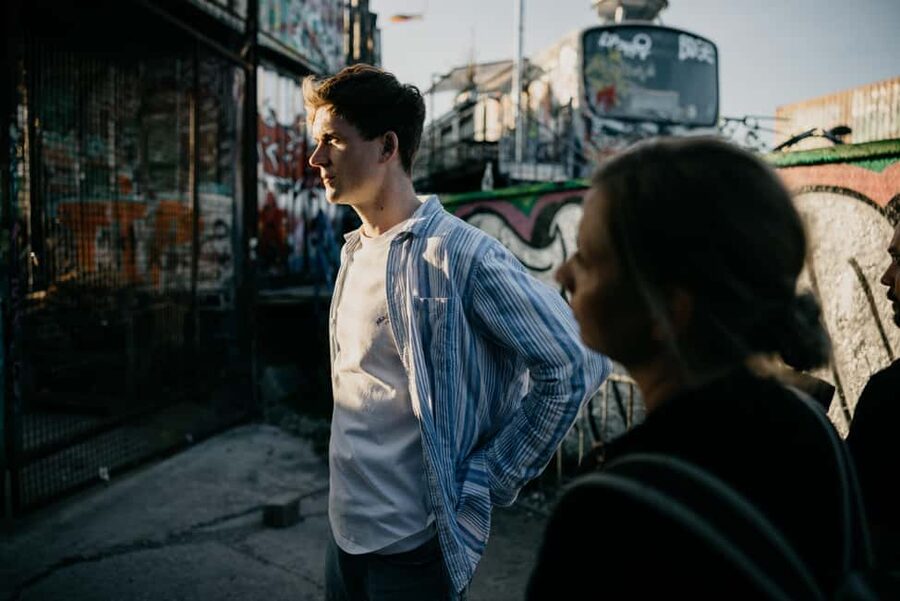
Let’s be blunt: $36 for 2 hours is only a good deal if you’re getting more than “someone walks you between sights.” Here, you are.
You pay for:
- A live guide in English or German
- Guided stops tied to architecture, history, and art details
- Time at three alternative Christmas markets
- A tour route built around the Isar and nighttime city viewing
Because food and drinks and transportation to/from the meeting point aren’t included, you should treat this as a guided experience plus scenic stops—not as a meal plan. The money you’re spending is for interpretation, not just entrance fees.
In other words: if you love context, you’ll feel it. If you only want to stroll and shop, you may prefer to DIY the Christmas markets and pick one river viewpoint.
Who should book (and who should skip it)
This tour fits well if you:
- enjoy architecture, art, and street-level history
- want a winter walk that includes markets plus river views
- like being shown places you wouldn’t randomly choose on your own
- want a guide who can explain what you’re looking at in plain language
It’s not a good match if you:
- need wheelchair access or have mobility limitations (it’s not suitable for wheelchair users)
- struggle with winter walking distances and footing
- are sensitive to winter cold and haven’t got warm layers
It also isn’t suitable for people over 95 years, which is a strong reminder that this tour is built for physical participation.
Booking this: my straight answer
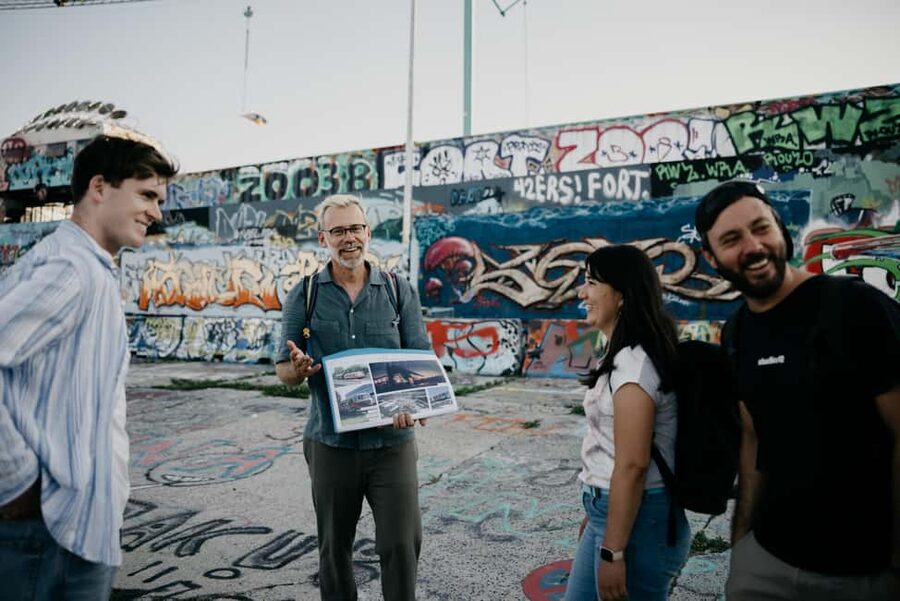
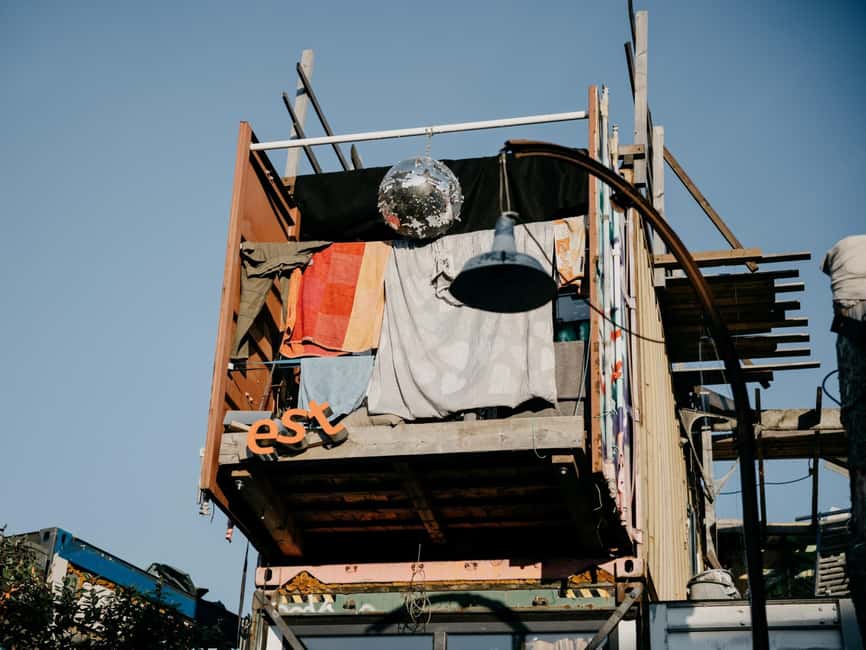
I’d book this if you want a Munich winter experience that’s more than markets and more than museums. The strongest promise is the mix: street art and creative spaces, 700+ years of history, and a very specific highlight tied to MS Utting / Alte Utting on the bridge.
If you hate walking in winter or need step-free access, skip it. And if you mainly want to eat, drink, and shop without stopping for guided explanations, you’ll probably feel restrained by the 2-hour structure.
Otherwise, this is the kind of tour that changes how you see Munich—because you don’t just look at places, you learn how they connect.
FAQ
How much does Munich’s Hidden Architecture Guided Tour cost?
It’s listed at $36 per person.
How long is the tour?
The duration is 2 hours.
Where is the meeting point?
You meet at Piazza Zenetti, at the street intersection of Tumblingerstrasse and Zenettistrasse.
What’s the best subway stop to use?
It’s best to get off at U3/U6 Goetheplatz, then walk about 10 minutes to Zenettiplatz.
Which languages are available for the tour?
The live guide is available in English and German.
Are food and drinks included?
No. Food and drinks are not included.
Does the tour visit Christmas markets?
Yes. It includes visits to three cool and alternative Christmas markets.
Is the tour suitable for wheelchair users?
No. It is not suitable for wheelchair users and also not suitable for people with mobility impairments.
Is smoking allowed during the tour?
No. Smoking is not allowed.
Can I cancel for a refund?
Yes. You can cancel up to 24 hours in advance for a full refund.