REVIEW · EL ALTO
La Paz: Andean Architecture Tour in El Alto
Book on GetYourGuide →Operated by Red Cap Walking Tours · Bookable on GetYourGuide
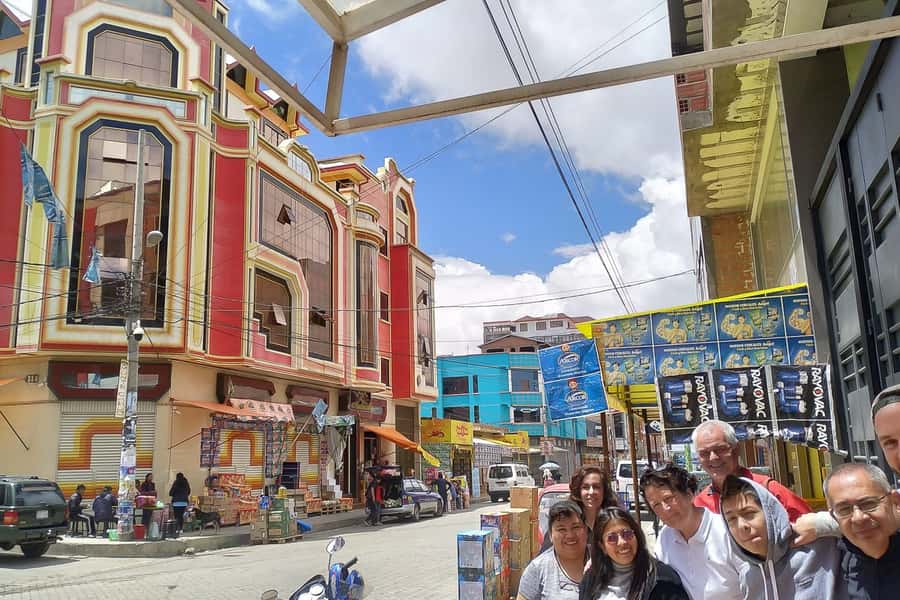
El Alto surprises you before you even start. This 3-hour Andean architecture tour takes you into cholets (color-heavy mansions), then up to the skies on the cable car, and even lets you step inside one. I love the contrast of old Andean roots showing up in very modern, almost theatrical building design, and I also like how the guide makes the neighborhood feel understandable, not just pretty. One drawback: it’s a walking tour at high altitude, so you’ll need comfortable shoes and a slower pace if you get winded.
You meet at the Michelline café by the purple Teleférico station, and the guide shows up in a red cap. Expect local snacks, bilingual commentary (English/Spanish), and a route that aims for parts of El Alto that most visitors miss. If you want architecture with context—how people live, what they value, and why the style is so bold—this is a solid fit.
In This Review
- Key highlights (the stuff you’ll remember)
- Cholets in El Alto: why the architecture looks so futuristic
- How the meeting point and cable car station set the tone
- Walking at high altitude without turning it into a slog
- The teleférico ride: fast orientation with real city views
- Beyond the postcard: seeing El Alto where tourists don’t usually go
- Entering a cholet: the inside view most people never get
- The guide’s role: how the stories make the buildings click
- Culture, class, and party life: the cholet meaning behind the color
- Price and value: what you get for $25 in 3 hours
- Who should book this (and who should skip it)
- Should you book La Paz: Andean Architecture Tour in El Alto?
- FAQ
- How long is the La Paz Andean Architecture Tour in El Alto?
- How much does the tour cost?
- Where do I meet for the tour?
- What languages are available?
- What is included in the price?
- Is hotel pickup or drop-off included?
- Is the tour suitable for people with limited mobility?
- What should I bring, and is luggage allowed?
Key highlights (the stuff you’ll remember)
- Step inside a cholet to see how the design continues from the street into the rooms
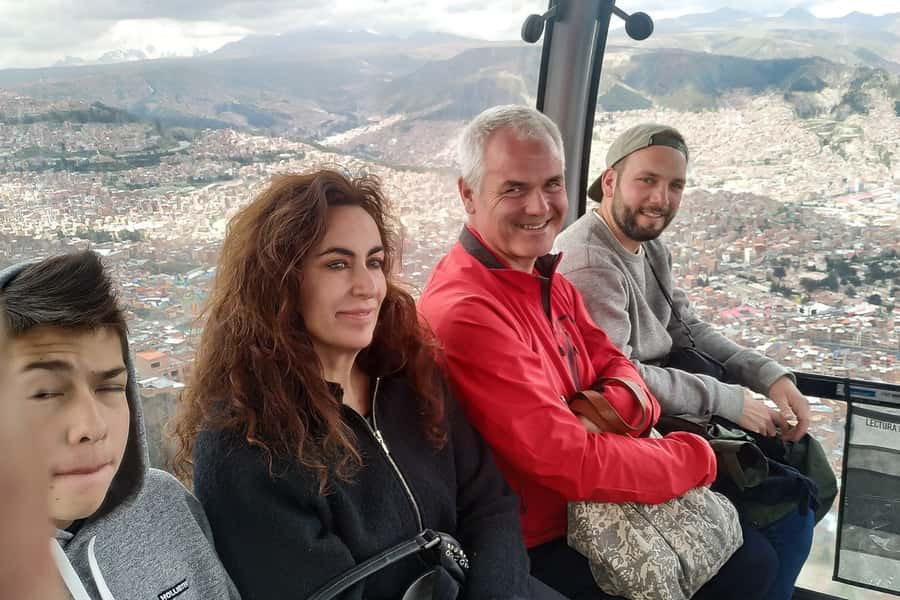
- Teleférico/cable car viewpoints that make it easier to understand how El Alto sits over La Paz
- Freddy Mamani’s cholet influence explained in a way that connects design to identity
- Off-the-beaten-track neighborhood walking beyond the usual tourist loop
- Colorful textile culture, explained through the shapes and patterns you see on buildings
- Bilingual guides plus local snacks to keep the 3 hours moving comfortably
Cholets in El Alto: why the architecture looks so futuristic
If cholets had a slogan, it would be: why choose just one style? In El Alto, these big mansions wear their personality on the outside—sharp shapes, lots of color, and design that feels more like modern fantasy than plain housing. Then you step inside (on this tour) and the story continues: the details aren’t just a facade. You get a rare chance to connect the exterior look with the interior feel, so you understand what’s being communicated, not just what’s being photographed.
The cholet phenomenon is tied to people who wanted their homes to project status—bourgeois wealth, but also pride in a distinctly local visual language. And that’s where the architecture stops being a museum subject. It becomes social commentary you can walk past and see with your own eyes.
How the meeting point and cable car station set the tone
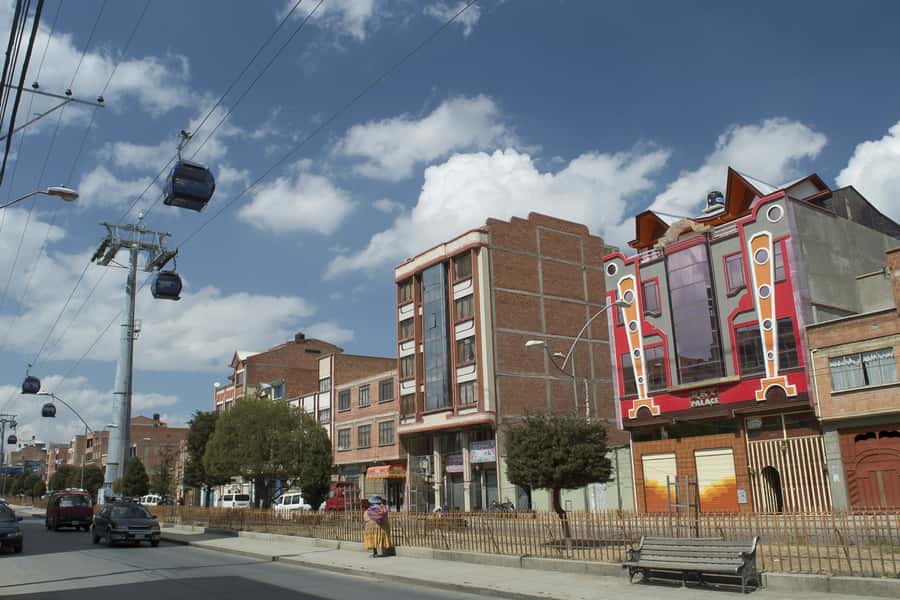
You’ll meet at the doors to the Michelline café, right next to the entrance to the purple Teleférico station (Estación Teleferico Morado) in the center of La Paz. The guide wears a red cap, so it’s usually easy to spot the start of the group.
This setup matters. Beginning near the Teleférico makes the whole day feel practical and efficient. Instead of staring at a map and guessing distances, the cable car gives you a quick “how the city layers work” perspective. You’ll also spend less time stuck in traffic and more time seeing the neighborhoods that actually make El Alto interesting.
Walking at high altitude without turning it into a slog
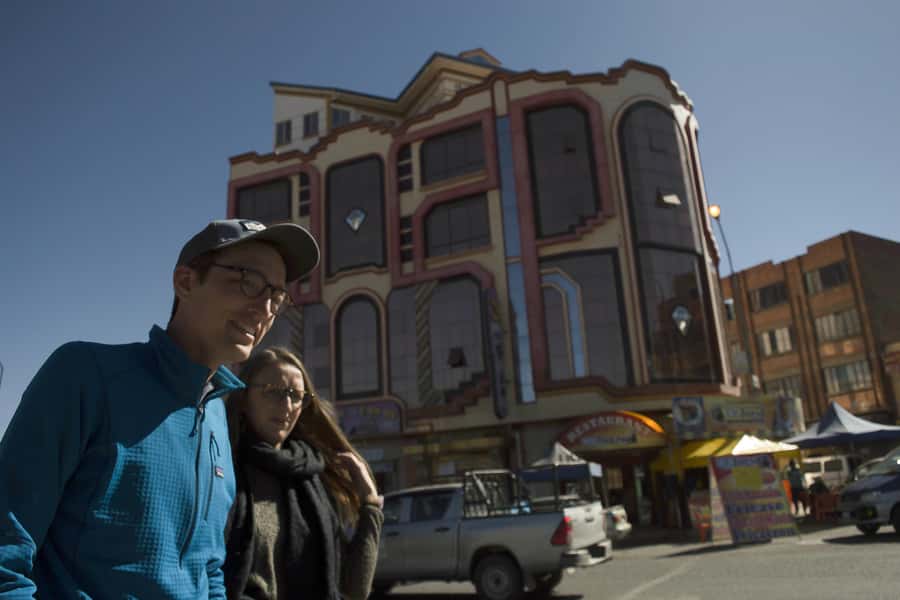
This tour is short—3 hours—but it’s still a walking tour at altitude. That changes the rhythm. Plan for slower steps, occasional pauses, and layers that you can adjust when the weather shifts.
The practical advice is simple:
- Wear comfortable shoes that won’t punish your ankles on uneven ground
- Dress for rapidly changing conditions, since La Paz weather can flip fast (a rainjacket helps)
- If you need to rest, tell the guide right away
One more logistics note that can save stress: you shouldn’t bring luggage or large bags. If you’re traveling light already, you’re set. If not, think of this tour as a “daypack only” kind of outing.
The teleférico ride: fast orientation with real city views
A traditional cable car ride is built into the tour, and it’s one of the smartest ways to understand El Alto quickly. From up in the air, you get a better sense of how neighborhoods connect, how the terrain shapes what people build, and why the architecture looks the way it does when viewed from different angles.
It also turns the day from pure street-walking into something with breathing room. Even if you’re not chasing photos, the ride helps you build a mental map. And once you’re back on foot, you’ll understand what you’re walking through instead of just following directions.
Beyond the postcard: seeing El Alto where tourists don’t usually go
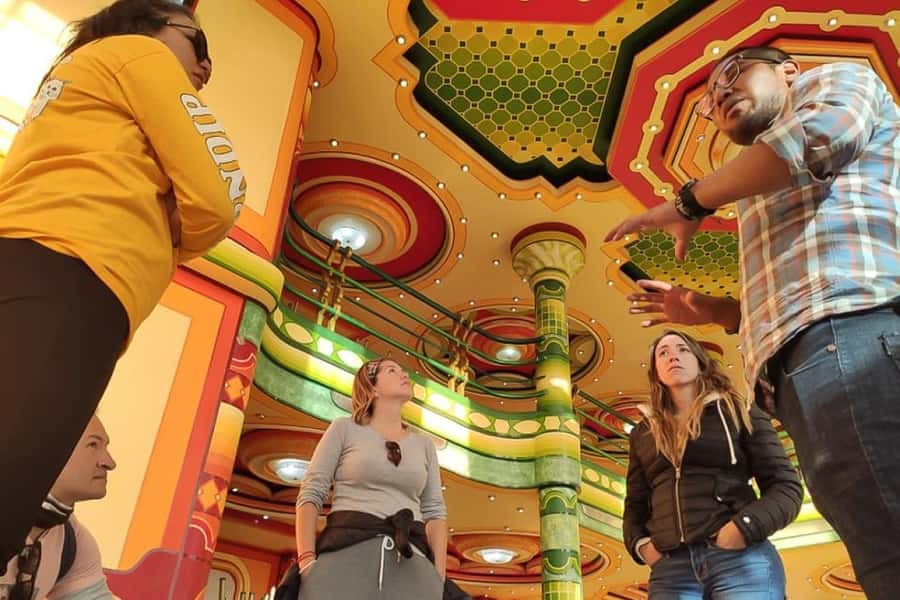
One of the tour’s main strengths is that it takes you away from the most obvious tourist patterns. El Alto is big, expressive, and very particular—so the difference between a generic sightseeing walk and a meaningful one is where you spend your time.
On this tour, you’re walking through a neighborhood where cholets and luxury homes are part of everyday reality. That means you’re not just spotting architecture from a distance; you’re seeing it in context—streets, blocks, and the way buildings sit in the local fabric.
If your goal is to understand how people shape their environment, this is exactly the kind of route you want. It’s less about checking boxes and more about reading a place.
Entering a cholet: the inside view most people never get
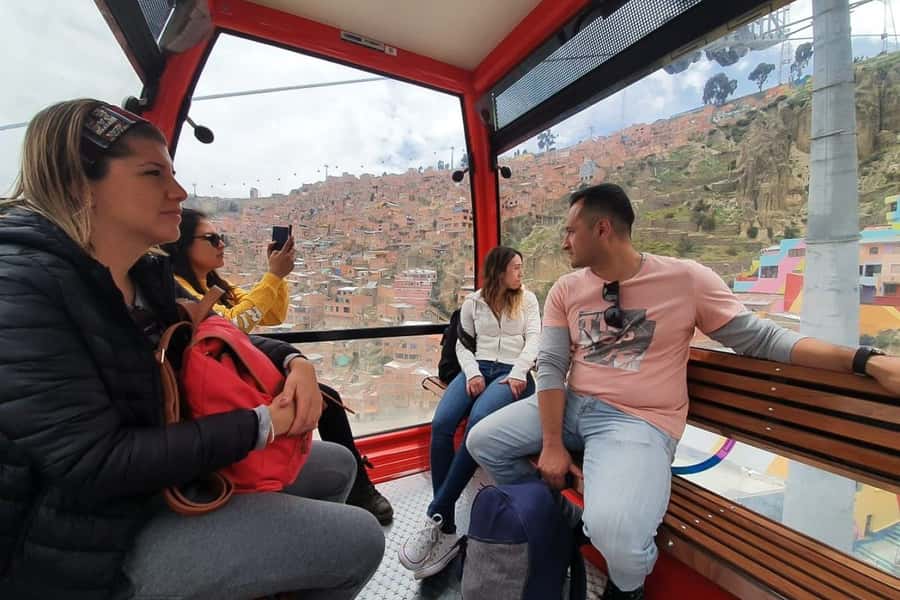
Yes, you’ll see cholets from the outside. But the real payoff is going inside one. That’s where the design logic becomes clearer.
From the street, cholets can look like bold statements—shapes and textures meant to announce taste, ambition, and modern identity. Inside, you can spot how the aesthetic continues in the details. It turns the buildings into something more personal: a record of what the residents wanted their home to feel like, not just what it should look like from across the street.
This is also where you get the human context. You’ll hear about the traditions and cultural meanings behind the look—how modern design connects with Andean roots, plus how textiles and color language show up in the buildings. You’re not only learning “what a cholet is.” You’re learning why someone would build one.
The guide’s role: how the stories make the buildings click
A good architecture tour lives or dies with interpretation. And on this one, the guide is central. Different guides bring different strengths, but the common theme is clear: they explain what you’re seeing in plain language and connect it to life in La Paz and El Alto.
Some examples from the guides you may run into:
- Amara, who’s praised for history and traditions behind the buildings
- Jose, who shares broad insights into El Alto and La Paz and answers questions
- Denise, highlighted for making the design and urban planning side feel detailed
- Chris and Daniel, who keep the focus on El Alto and what the architecture represents
- Remberto, noted for linking the cholet story and the teleférico ride into a coherent picture
Even if you’re not an architecture nerd, you’ll still benefit. When someone can explain what you’re looking at—and why it matters—it turns “cool buildings” into a place you actually understand.
Culture, class, and party life: the cholet meaning behind the color

The tour doesn’t treat cholets like neutral art objects. It frames them as statements of wealth and identity—bourgeois residents who use architecture to display success and host lavish events.
That part can feel surprising if you’re expecting a purely traditional story. But it’s also what makes the tour honest. El Alto isn’t stuck in the past, and cholets aren’t just craft. They’re a modern expression of status and belonging, using color, shape, and design language that feels both Andean and future-facing.
There’s also a design origin thread you’ll hear about, including Freddy Mamani and his role in starting cholet-style designs. When that’s explained well, it helps you see the buildings as part of an evolving movement—not random one-off houses.
Price and value: what you get for $25 in 3 hours
At about $25 per person for a 3-hour outing, this is priced like a straightforward local experience—not a luxury sightseeing add-on. And it’s not just “walk and look.”
You’re getting:
- Transportation
- A bilingual guide (English/Spanish)
- Local snacks
- Cable car time as part of the experience
- Access to enter at least one cholet
Value is about what you can’t easily do on your own. In El Alto, the hard part isn’t finding architecture—it’s understanding the meaning and knowing where to go safely and efficiently. Paying for a guide here buys you clarity and access (including inside entry), and that’s the difference between a casual photo walk and a real “I learned something” tour.
Who should book this (and who should skip it)
You’ll like this tour if:
- You enjoy architecture and design with social meaning
- You want a short outing with a cable car ride built in
- You’d rather walk through real neighborhoods than only visit formal attractions
- You like having a bilingual guide to answer questions as you go
You should probably skip it if:
- You have mobility impairments or limited mobility (the tour isn’t recommended for that)
- You struggle with walking at high altitude and don’t have a way to pace yourself
If you’re unsure, think of it this way: it’s a compact, high-altitude city walk with one big payoff—entering a cholet. If that matches your comfort level and interests, you’re in the sweet spot.
Should you book La Paz: Andean Architecture Tour in El Alto?
Book it if your “must see” list includes cholets and you want more than exterior photos. I like that the tour combines architecture, teleférico orientation, and inside access in just 3 hours. At $25, it also feels like a fair deal because you’re not paying only for directions—you’re paying for context and access.
Pass if altitude walking is a problem for you, or if you prefer fully seated experiences. Also, if you hate unpredictable weather, plan to dress like you might get a quick surprise rain shower.
If you go, bring sturdy shoes, a rain layer, and a curious mindset. El Alto delivers on style, and the guide helps you read it like a story.
FAQ
How long is the La Paz Andean Architecture Tour in El Alto?
It lasts 3 hours.
How much does the tour cost?
The price is $25 per person.
Where do I meet for the tour?
Meet at the doors to the Michelline cafe, next to the entrance to the purple Teleférico station (Estación Teleferico Morado). Your guide will be wearing a red cap.
What languages are available?
The tour guide speaks English and Spanish.
What is included in the price?
Transportation, a bilingual guide, and local snacks are included.
Is hotel pickup or drop-off included?
No. Hotel pickup and drop-off are not included.
Is the tour suitable for people with limited mobility?
No. It is not recommended for people with limited mobility and is described as not suitable for people with mobility impairments.
What should I bring, and is luggage allowed?
Wear comfortable shoes and weather-appropriate clothing (a rainjacket is recommended). Luggage or large bags are not allowed. You’ll also be walking at high altitude, so take your time and let the guide know if you need to rest.