REVIEW · MUNICH
Munich’s 500 Years of Architecture Guided Tour
Book on GetYourGuide →Operated by Philipp's Munich Tours · Bookable on GetYourGuide
Munich wears five centuries on its face. This guided walk through the city’s buildings makes history feel close and easy to follow, from Frauenkirche to Art Nouveau. I like the clear timeline (you’re not just sightseeing) and the mix of famous landmarks plus real local atmosphere.
I love the chronological approach, where Gothic, Renaissance, Baroque, Neo-Classicism, and Historicism show up as you move along. I also love that the tour breaks Old Town energy with a tram ride toward the Isar River, where you get calmer views and stops that feel more everyday—plus the famous Alte Utting, highlighted by The New York Times.
One drawback to plan for: it’s a winter walking tour, and it isn’t designed for people with mobility issues or wheelchair users. If you’re sensitive to cold or long standing, bring layers and plan for slower stretches at the churches.
In This Review
- Key points before you go
- A 500-Year Timeline You Can Actually Walk
- Meeting Philipp at Frauenkirche: Easy Start, Clear Direction
- Old Town Icons: Frauenkirche and the Gothic-to-Renaissance Jump
- Trinity, Theatine, and the Streets That Explain Power
- Guided Stops Like St. Lukas and Müllersche Volksbad
- A Tram to the Isar: The Alte Utting and the Calm Reset
- Jugendstil, Street Art, and the Modern Finish at Sudetendeutsches Museum
- Christmas Markets on the Route: Winter Mood, Plan Your Eating
- Price and Value: What $36 Gets You in Two Hours
- What to Bring (and What to Skip)
- Should You Book Munich’s 500 Years of Architecture Guided Tour?
- FAQ
- How long is the Munich 500 Years of Architecture Guided Tour?
- How much does the tour cost?
- Where does the tour start?
- How do I get to the meeting point using public transportation?
- Where does the tour end?
- What languages are available?
- Is the tour private?
- What is included in the price?
- What’s not included?
- What should I bring and wear?
- Is the tour suitable for people with mobility impairments or wheelchairs?
Key points before you go
- A 500-year architecture storyline you can track block by block, not just a list of sights.
- Up to three interior visits so you can actually see details, not only facades.
- Tram to the Isar River to get that calmer contrast to the Old Town.
- Old Town plus modern endings, including Jugendstil and a museum finish.
- Christmas markets in the route, including a medieval-style market in a special setting.
A 500-Year Timeline You Can Actually Walk
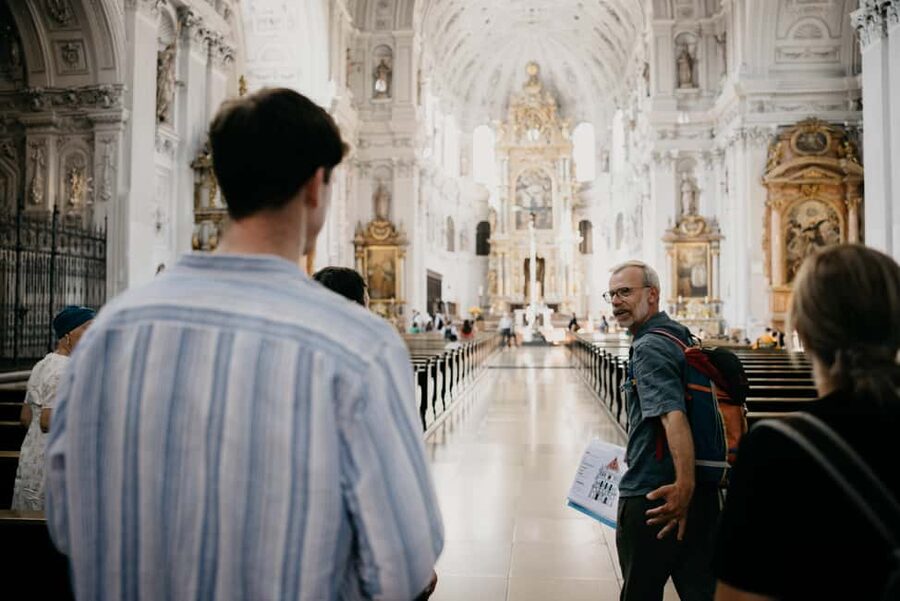
This tour is built like a guided time machine, but it’s still practical: you walk, you look up, and you connect styles to stories. You start in late-15th-century Munich with Frauenkirche, then move forward through the eras—each step helps you understand why the city looks the way it does.
What I like is that the guide doesn’t treat architecture like museum glass. You hear about royal connections, amusing legends, and the darker turns in the city’s past. It makes the buildings feel less like background and more like characters in the same long story.
You also get variety in a short window. You’ll see big-name religious landmarks, a major civic-performance venue, grand streets, and then the tour shifts toward modern design and street art. That blend is why this works even if you think you’re not an architecture person.
You can also read our reviews of more tours and experiences in Munich.

Meeting Philipp at Frauenkirche: Easy Start, Clear Direction
The meeting point is outside the main entrance to Frauenkirche at Frauenplatz 1. The guide—Philipp from Philipp’s Munich Tours—will be easy to spot: a yellow winter hat, a yellow backpack, and a large blue presentation folder.
Getting there is straightforward. If you’re coming by transit, get off at S-Bahn/U-Bahn station U3/6 Marienplatz and walk about 5 minutes. From Hauptbahnhof München, plan on about a 15-minute walk.
This tour is set for about 2 hours, so you’ll want to show up a few minutes early. In winter, that extra buffer helps you settle in, warm up a bit, and avoid stressing about the start.
Old Town Icons: Frauenkirche and the Gothic-to-Renaissance Jump
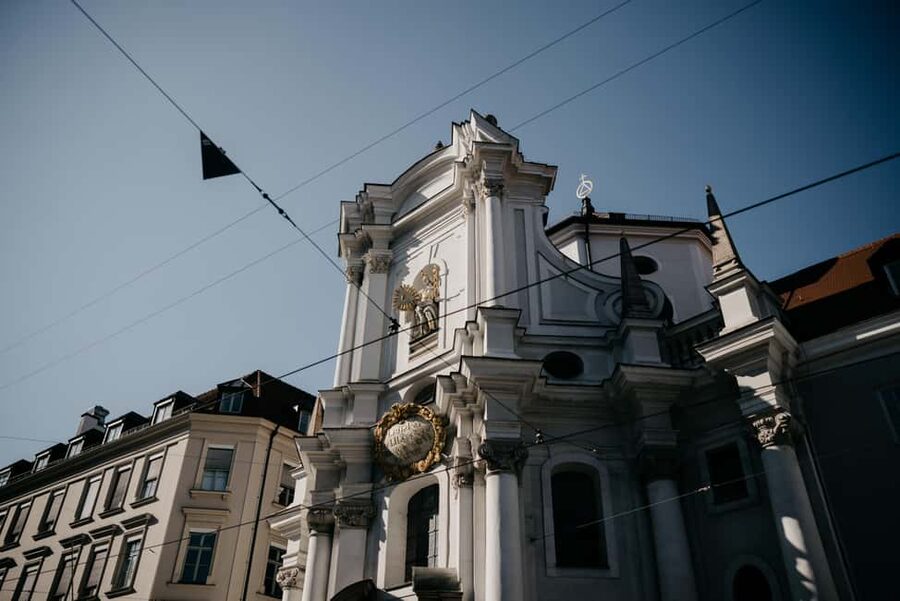
The first major stop is Munich Frauenkirche, right at Frauenplatz. This is a perfect “anchor” building because it instantly sets the tone: you’re looking at a landmark that defines the Old Town’s skyline and gives you a starting point for Gothic-era storytelling.
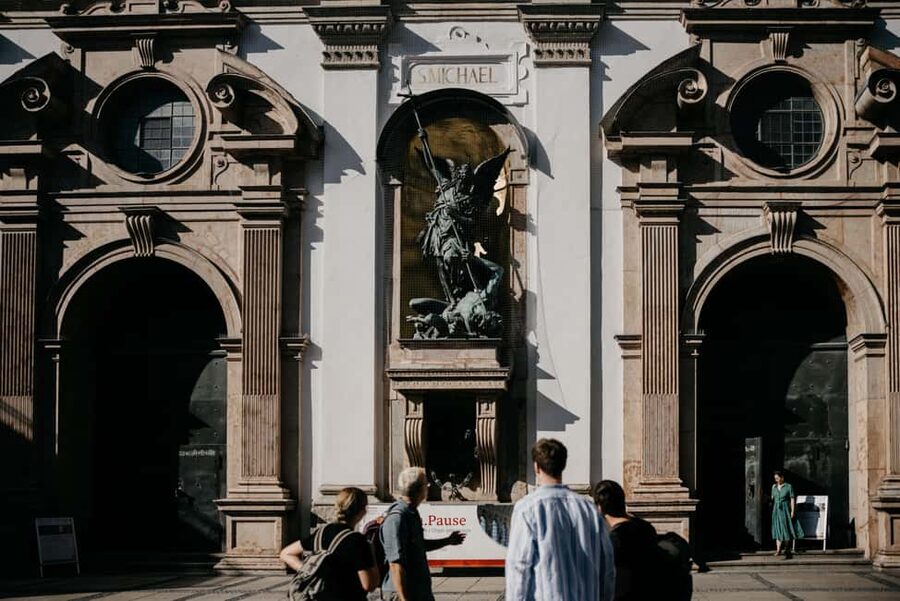
From there, the route keeps moving chronologically and focuses on how styles change as Munich grows. The big moment in the Renaissance segment is St. Michael’s Church, described as a world-record-holding masterpiece. Even if you don’t know what record you’re looking for, the guide’s framing helps you notice the details that matter in that era.
At church stops, listen for what the guide points out about structure and style. Those cues are what turn photos from random screenshots into an actual “why this looks like this” memory.
Trinity, Theatine, and the Streets That Explain Power
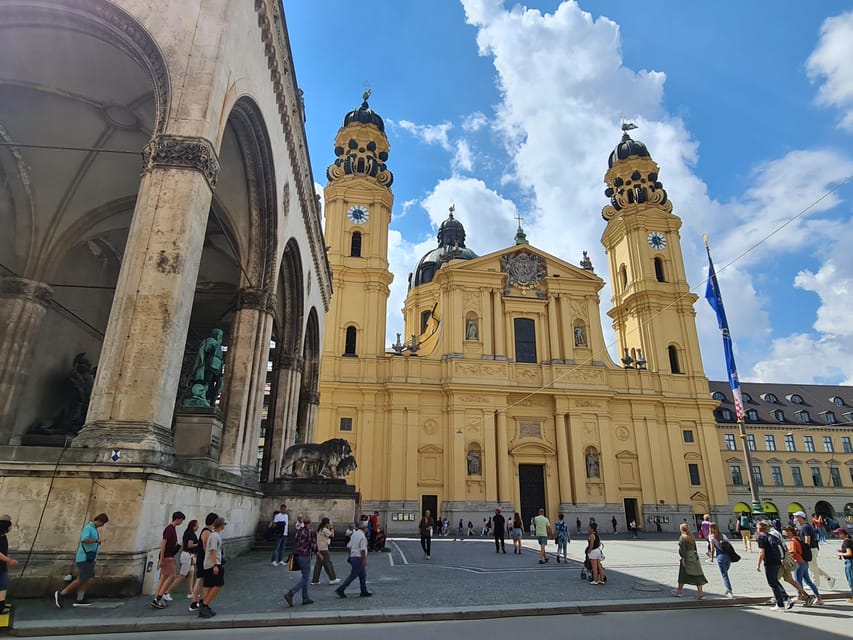
After the Renaissance stop, the tour keeps your eyes busy with more historic church architecture, including Trinity Church and Theatine Church. These aren’t just place-markers. The value here is how the guide links what you see to the city’s social and political life—so the buildings feel connected rather than scattered.
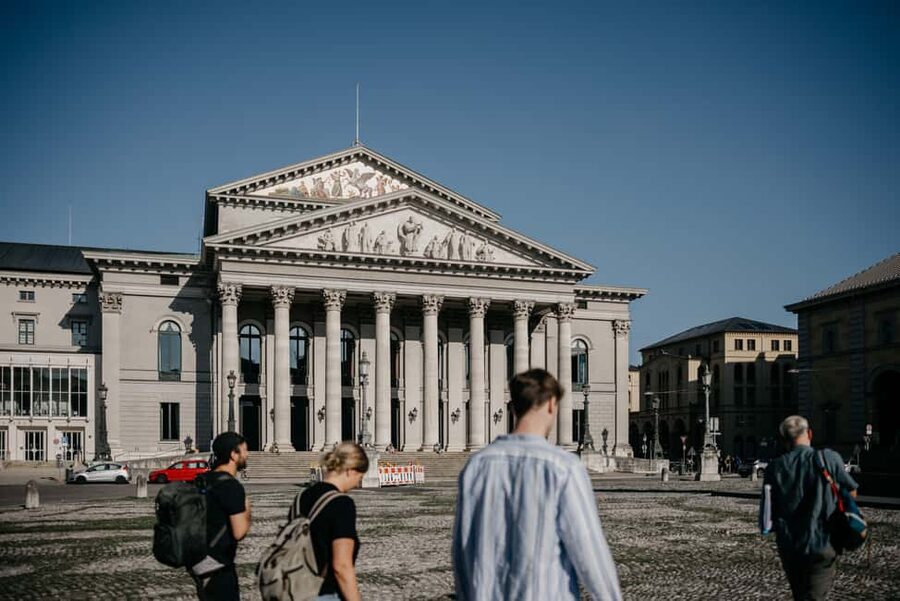
Next up is a change of pace: Bavarian State Opera. You’ll get context for how power, culture, and design meet in central Munich. Even if opera isn’t your thing, it’s one of those buildings that teaches you how the city decided to spend money—and where it wanted attention to land.
Then you move into Maximilianstraße, with a guided stretch that helps you read the city like a plan. This is where the tour’s “architecture walk” becomes a “city walk.” You start noticing the street layout, frontage styles, and how the urban design supports status and movement.
Guided Stops Like St. Lukas and Müllersche Volksbad
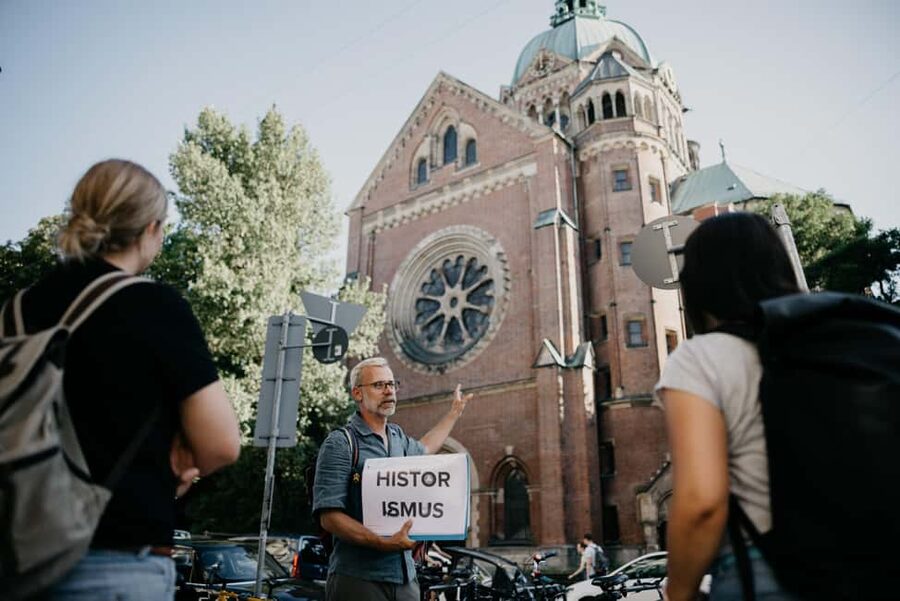
Two stops in the middle are guided-focused: St. Lukas and Müllersche Volksbad. The tour uses these to show that architecture isn’t only about palaces and cathedrals.
This is one of my favorite parts because it broadens your idea of what counts as important architecture. You’re not only chasing the most photographed buildings; you’re also seeing spaces that relate to daily life and civic identity. The guide’s stories help those stops feel purposeful rather than random.
A practical note: at these points, slow down and listen. The tour stays on track, but the guide’s best insights usually come in the small observations—what to notice in stonework, the layout of the space, or the reason the building sits where it does.

A Tram to the Isar: The Alte Utting and the Calm Reset
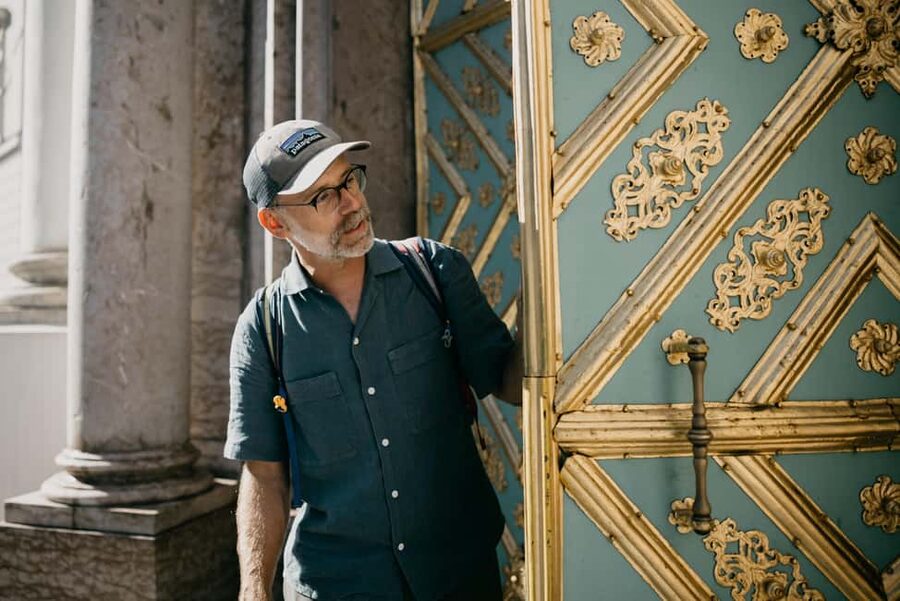
The tour deliberately shifts away from Old Town crowds. You hop on a tram toward the Isar River, which is a smart move for two reasons: the scenery changes fast, and your walking rhythm resets.
This is also where the route promises more world-record attention—two more, connected to what you’ll see along the river stretch. It doesn’t list what those records are in the information you have, so your best strategy is simple: keep your eyes open and let the guide explain them on the spot.
And yes, this is the moment that locals and architecture fans love: you’ll see the Alte Utting, a building that The New York Times has praised. What you’ll get from it on this tour is not just a photo opportunity; it’s the story around how Munich keeps old structures in the city’s ongoing life.
You’ll also benefit from the contrast. Old Town can feel like nonstop stimulation, with lively squares and Christmas stalls. The Isar side gives you space to breathe—and your photos look better too.
Jugendstil, Street Art, and the Modern Finish at Sudetendeutsches Museum
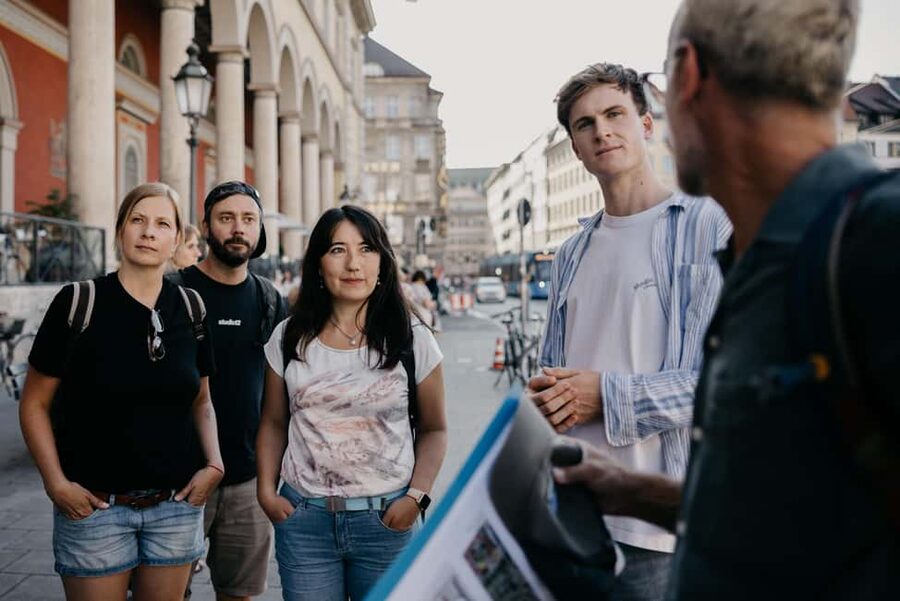
After the river stretch, the tour moves into Jugendstil (Art Nouveau), focusing on that playful, curving style that feels like design turning into personality. This is a great transition because it makes you connect the dots between historic styles and later creative movements.
You’ll also notice street art on the way, which helps explain how modern Munich expresses itself visually. This isn’t only about old stones; it’s about the city’s ongoing design identity.
The tour wraps at the Sudetendeutsches Museum. Ending with a modern museum is a strong choice for a walking tour like this. It gives you a place to land after two hours of architecture cues, so you leave with a clearer mental timeline instead of a head full of details.
Christmas Markets on the Route: Winter Mood, Plan Your Eating
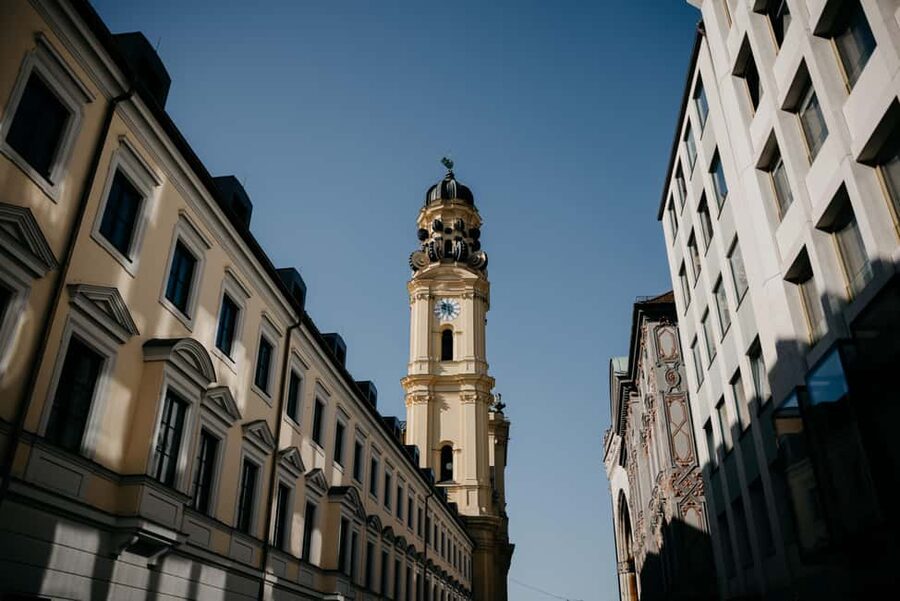
One of the standout features is that the route includes multiple Christmas markets, plus a unique medieval Christmas market in a magical setting. This matters because it changes the feel of your architecture walk. You’re not only learning styles; you’re experiencing how Munich performs in winter.
That said, check your expectations: food and drinks aren’t included. You’ll be near plenty of stalls, so you can grab something if you want, but you should budget for it.
If you’re sensitive to cold, treat market stops as your warm-up and pause points. That’s also when you’ll want to ask quick questions of the guide—Christmas market time is often when people relax their pace, and the guide usually has good answers ready.
Price and Value: What $36 Gets You in Two Hours
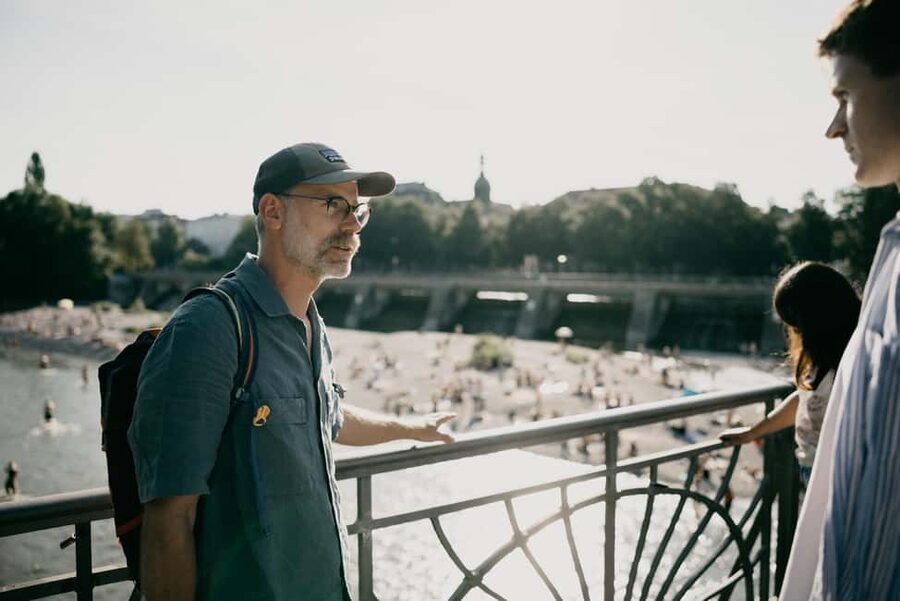
At $36 per person for a 2-hour guided tour, the value is mostly in three places: the guided interpretation, the efficient routing, and the chance for interior access.
Here’s the practical way to judge it. You’re paying for someone to point out what you’d miss on your own—especially with a tour structured around centuries of style changes. You’re also paying for time efficiency: stops are grouped so you see multiple eras without wasting the afternoon figuring out a route.
Finally, the tour includes a chance to visit up to three buildings from the inside. That’s the difference between reading about architecture and actually seeing what the interior design changes across eras look like.
If you want only a quick exterior photo walk, you might skip this. If you want the city to make sense—why styles look the way they do—this pricing is hard to beat for Munich.
What to Bring (and What to Skip)
Bring comfortable shoes and warm clothing. This tour is built on walking, and winter Munich can be cold enough to make standing feel longer than it looks on paper.
Also bring a camera, since you’ll be photographing everything from classic facades to Art Nouveau details and modern design at the end.
Skip smoking. That’s listed as not allowed. And keep in mind the tour is not suitable for wheelchair users and not suitable for people with mobility impairments.
Should You Book Munich’s 500 Years of Architecture Guided Tour?
If you like cities that make sense through design, I’d book it. This is one of those tours where the guide’s stories help you see patterns fast—Gothic to Renaissance to Baroque to Art Nouveau—without you needing an architecture degree or a printed guidebook.
It’s especially worth it if you’re pairing Old Town with something more thoughtful, and you want a winter break that still feels meaningful. The tram ride to the Isar and the modern museum finish are the kind of smart pacing that keeps the tour from turning into one long church parade.
Only pass if you know you’ll struggle with cold weather walking or you need wheelchair-friendly access. Otherwise, this is a fun, story-driven way to understand Munich’s buildings in a short, focused time window.
FAQ
How long is the Munich 500 Years of Architecture Guided Tour?
The tour lasts about 2 hours.
How much does the tour cost?
It’s $36 per person.
Where does the tour start?
You meet outside the main entrance to Frauenkirche at Frauenplatz 1.
How do I get to the meeting point using public transportation?
A good option is to get off at Marienplatz on the S-Bahn/subway lines U3/6 and walk about 5 minutes. From Hauptbahnhof München, it’s about a 15-minute walk.
Where does the tour end?
The tour ends back at the meeting point.
What languages are available?
The live tour guide offers English and German.
Is the tour private?
Yes, a private group option is available.
What is included in the price?
The tour includes a guided tour of Munich’s historic Old Town & Isar river, visits to multiple Christmas markets, and a chance to visit up to three buildings from the inside.
What’s not included?
Food and drinks are not included, and transportation to and from the meeting point is not included.
What should I bring and wear?
Wear comfortable walking shoes and warm clothing. A camera is recommended for the sights.
Is the tour suitable for people with mobility impairments or wheelchairs?
No. It is not suitable for people with mobility impairments or wheelchair users.