REVIEW · CHICAGO
Chicago Architecture Tour: Underground Pedway and the Loop
Book on Viator →Operated by Inside Chicago Walking Tours · Bookable on Viator
Chicago’s underground shortcuts are a story. This small-group architecture walk takes you through downtown’s Pedway tunnels and stairs, with a local guide explaining what you’re seeing as you go. I especially like that it works when the weather is rough, because a big chunk of the tour is off-street.
I also love the way the route mixes famous names with the stuff most people miss—City Hall interiors via the Pedway, a close-up of Picasso, and then retail and public buildings tucked into the network. One thing to consider: you’ll be walking and climbing stairs, so bring a steady pace (moderate fitness helps).
In This Review
- Key things that make this Pedway + Loop tour worth your time
- Why the Pedway + Loop combo is smart for Chicago days
- Price and value: $35 for 2 hours of architecture storytelling
- Getting started at 120 N LaSalle and ending near Millennium Park
- Stop 1: The Pedway corridors that lead to City Hall details
- Stop 2: A close Picasso moment before you head back underground
- Stop 3: Macy’s on State Street and the old Marshall Field’s sections
- Stop 4: Chicago Cultural Center near Millennium Park (weekend interior access)
- Stop 5: Block 37—big commercial complex energy through the Pedway
- The final wrap-up the guide keeps under wraps
- How to get the most from a Pedway architecture tour
- Who should book this Underground Pedway and Loop architecture tour?
- Should you book this tour? My straight answer
- FAQ
- How long is the Chicago Underground Pedway and Loop tour?
- How much does the tour cost?
- What’s included in the tour?
- Where does the tour start and end?
- Does it run in bad weather?
- Can I cancel for free?
Key things that make this Pedway + Loop tour worth your time
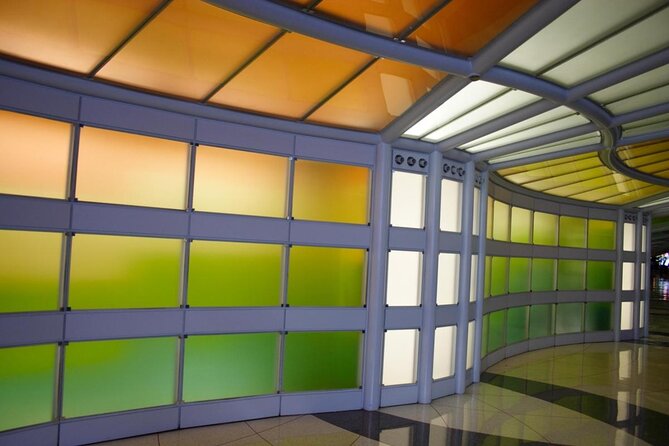
- Small group (max 15): you get more attention than on giant walking tours.
- Most of it is indoors: a lifesaver for cold, windy, or rainy days.
- Big-name stops, but off the usual path: City Hall access, Picasso, Macy’s on State, Cultural Center.
- Practical downtown navigation: you learn shortcuts and how the Pedway connects blocks.
- Strong guide energy: names like Heath, Adam, Kaylee, Henry, Colleen, Jessica, and Hillary show up in recent tours.
- A final segment kept under wraps: the last piece stays surprising right up to the end.
Why the Pedway + Loop combo is smart for Chicago days

Chicago has plenty of architecture tours. Most of them are above ground, which is great—until it’s freezing, raining, or both. This tour’s whole idea is to let you experience downtown without being at the mercy of the elements. You still get city context, but you spend far less time exposed.
The Pedway network also changes how you see buildings. Instead of just spotting facades from the sidewalk, you learn the “in-between” parts: entrances, interior details, and the way different properties connect below street level. That’s why this tour feels useful, not just scenic.
I like that it’s pitched to architecture lovers, but it’s not only for architecture majors. The guide’s job is to translate what you’re looking at into plain stories you can remember later. In recent tours, guides brought enthusiasm and clear explanations, and some even used simple visual aids while walking—like drawing points on paper with a marker—to make structures easier to picture.
There’s also a clear practical angle: this is how you start feeling like you know downtown. After 2 hours, you’re not just entertained. You’re better equipped to move around the Loop when the city gets crowded or weather turns ugly.
You can also read our reviews of more tours and experiences in Chicago.



Price and value: $35 for 2 hours of architecture storytelling
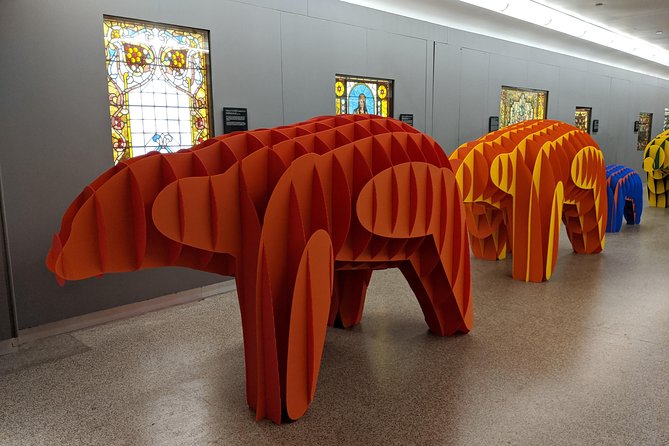
At $35 per person for about 2 hours, this is one of the more approachable architecture options in downtown. The value comes from three places:
First, you’re paying for a guide. The tour includes a local guide, and the best guides here don’t just name buildings—they explain how the Pedway makes downtown function as a connected indoor city.
Second, you get admission included for key segments of the walk. The itinerary notes admission is included at the Pedway stop where you access buildings like City Hall, and admission is also included for Block 37. Even if you’re only planning to “window shop” architecture, having paid entry parts folded into the experience helps.
Third, you’re getting a small-group format. With a maximum of 15 travelers, the tour can slow down enough to answer questions and keep the energy up. That matters because the Pedway is easy to lose track of if you’re alone.
You should also think about the day you’re booking. If you’re visiting in winter or just want an easier time of it, this tour can feel like paying for time saved. When you’re not constantly bundling up and finding detours, the whole city experience is less stressful.
Getting started at 120 N LaSalle and ending near Millennium Park
The tour meets at 120 N LaSalle St, Chicago, IL 60602. That’s a solid downtown starting point, and the tour is listed as near public transportation. If you’re already staying in the Loop, you’ll likely find it easy to get to before the walk begins.
The tour ends just north of Millennium Park, at Aqua, 225 N Columbus Dr, Chicago, IL 60601. That’s a convenient ending zone because Millennium Park is an easy anchor for your next plan—whether you’re heading toward museums, grabbing coffee, or just continuing your walk above ground when you want daylight views.
One practical note: you’ll be moving indoors and underground for long stretches. That makes meeting time and footwear choices more important than usual. Wear comfortable shoes with good grip—your day will be more about pacing and stairs than sightseeing stops.
Stop 1: The Pedway corridors that lead to City Hall details
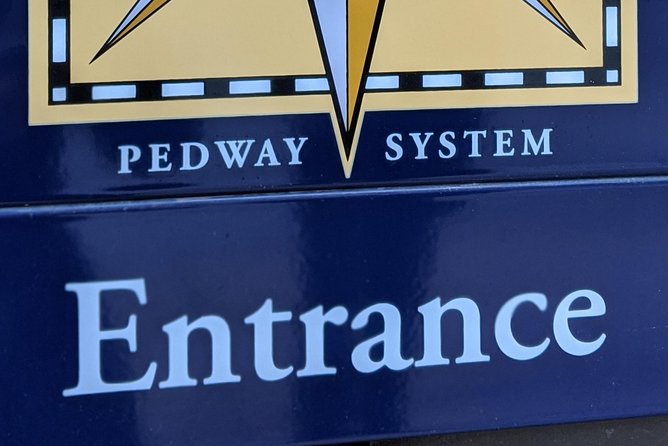
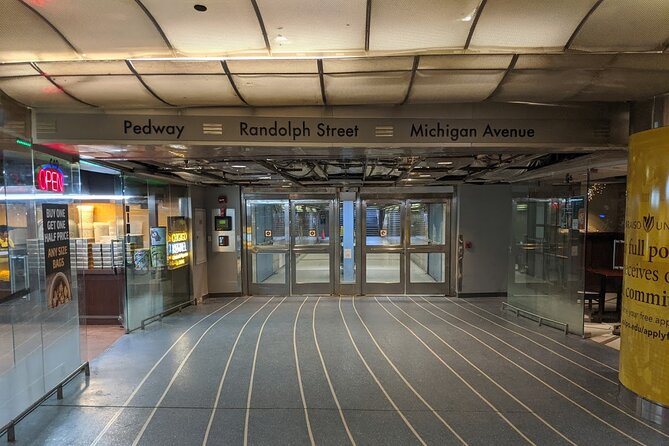
Stop 1 is Chicago Pedway, and it’s the anchor of the tour (about 45 minutes). You follow tunnels and stairs under many downtown blocks, reaching buildings like City Hall with interior details worth seeing.
What makes this part special is the access and the framing. From street level, City Hall and downtown buildings can feel like separate islands. Through the Pedway, they feel connected. You begin to understand the logic of downtown planning: people needed a way to move efficiently between places, especially when weather or crowds made outdoor walks annoying.
You’ll also learn what to look for as you walk—signs, connections, and the way stairways and hallways link up. The goal isn’t just to be impressed. It’s to leave with the knowledge of how to find your way later.
Drawback to consider: this is a lot of walking in a corridor-style setting. It’s fascinating, but your legs do the work. If you’re someone who gets restless in long hallways, plan to rely on the guide’s pacing and keep your focus on the stories.
Stop 2: A close Picasso moment before you head back underground
Next is The Picasso (about 10 minutes). You get a close-up view of the famous public artwork, and the tour notes that it was gifted by Picasso to the city of Chicago.
Then you go back into the Pedway again. That sequence matters. You’re not just repeating the same indoor pattern. You get a quick visual “breather” with a well-known name, then the tour returns to the underground system and keeps building the bigger picture of how downtown links people and places.
One consideration: because this is brief, come ready to actually look. Spend the full 10 minutes. Try not to rush for photos at the expense of the details the guide points out.



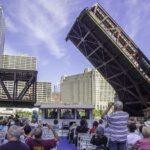


Stop 3: Macy’s on State Street and the old Marshall Field’s sections
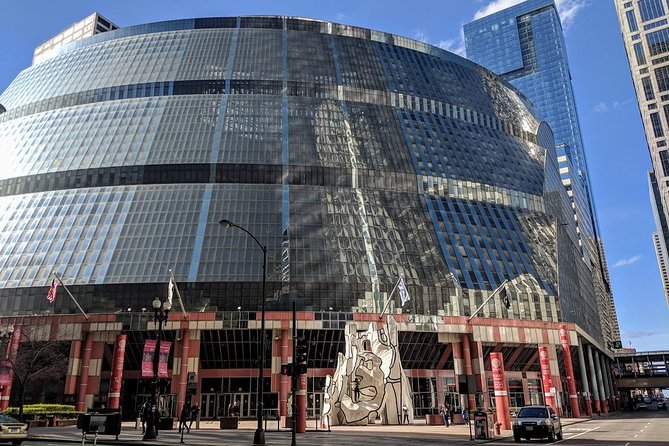
Stop 3 is Macy’s on State Street (about 10 minutes), accessed through the Pedway. The walk focuses on a favorite section under the old Marshall Field’s building—now Macy’s.
This stop is where the tour shifts from “icon buildings” to how real retail spaces connect with real commuter paths. The Pedway isn’t just about architecture in the abstract. It’s part of everyday downtown movement, and seeing how a major department store ties into it helps you understand why Chicago’s indoor network became such a big deal.
Timing can affect what you see. On weekends, the tour may include some interior views of this area. On weekdays, it may skip that interior for a different one. So if you’re the type who wants maximum interior access, plan your visit for a weekend if your schedule allows. Either way, the focus here is the connection through the Pedway and the feel of downtown as a connected system.
Stop 4: Chicago Cultural Center near Millennium Park (weekend interior access)
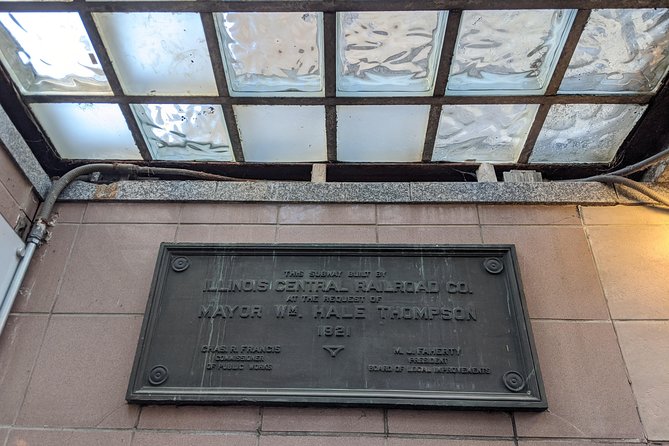
Stop 4 is Chicago Cultural Center (about 10 minutes). On weekend tours, you’ll see the interior of this 19th-century building near Millennium Park.
This is your “public space” moment. Pedway walks can be mostly movement and corridors, so stepping into a historic interior gives your brain a change of pace. It also ties into the ending zone near Millennium Park, which can make the whole experience feel like one continuous downtown loop—from underground shortcuts to significant public spaces.
Weekday tours may handle this differently since the interior is specifically noted for weekend offerings. If you care about interiors, check what day you’re booking.
Stop 5: Block 37—big commercial complex energy through the Pedway
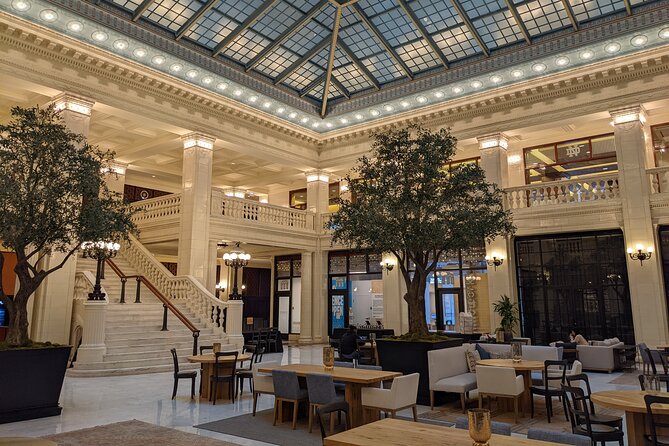
Stop 5 is Block 37, reached via the Pedway (about 10 minutes). This is listed as an admission-included stop.
This portion gives you scale. After seeing specific buildings and art, Block 37 shows how the Pedway network serves larger commercial operations. It’s the kind of place where, even if you’ve walked the Loop before, you might not realize how much connectivity sits below street level.
From a reader’s perspective, this is also a practical stop. It helps you learn that the Pedway isn’t just a single walkway. It’s a system, and Block 37 is one of the nodes you can recognize later when you’re on your own.
A small drawback: because the tour is time-boxed, you won’t have long to wander. Think of Block 37 as a guided orientation, not free exploration.
The final wrap-up the guide keeps under wraps
The tour ends with an extra segment that’s intentionally kept secret until you’re there. That’s not a gimmick to me—it’s a good way to keep momentum high when you’re walking through a system that can start to feel repetitive.
Here’s how I’d approach it: treat the final segment as your “extra credit.” If you’ve been paying attention to connections, signage, and how the guide routes you, the last part will make even more sense. You’ll be able to connect dots faster.
Also, this kind of unknown ending helps the guide keep the experience feeling fresh. Pedway tours can be highly similar in structure elsewhere, so staying flexible avoids the sameness trap.
How to get the most from a Pedway architecture tour
If you want this to feel like an upgrade to your Chicago trip, do a few simple things:
- Wear shoes you trust on stairs and smooth indoor surfaces.
- Pay attention to turns and intersections. The guide is basically teaching you wayfinding.
- Ask questions if you have them. With a maximum of 15 people, you’re not just another number.
- Stay curious about small details. The best part of this tour is often the “why is this here” thinking—why a hallway exists, why this connection matters, why certain spaces were made.
Guide quality seems to be a major reason this tour earns a 4.9 rating from hundreds of people. In the stories I’ve seen, guides like Heath (often described with huge enthusiasm for Chicago history), Adam (fun and informative), Kaylee (friendly and deeply into the system), Henry, Colleen, Jessica, and Hillary show up in different runs—and the common thread is energy plus clarity.
If you’re new to Chicago architecture, you’ll likely appreciate the explanations and the way the guide makes the city feel less overwhelming. If you’re a local or longtime visitor, you’ll still get value because the Pedway layout and interior connections are not the same thing as what you learn from street-level walking.
Who should book this Underground Pedway and Loop architecture tour?
This tour is a great match if you:
- Love architecture and want context you can’t easily get from outside photos.
- Need an indoor plan for cold, windy, rainy, or otherwise unpleasant weather.
- Want a practical way to learn downtown navigation without doing it the hard way.
- Like walking at a moderate pace with some stair climbing.
- Are okay with a guided experience that’s structured and time-focused.
It’s also a nice option for families with teens, as long as everyone can handle stairs and comfortable walking time. It’s not described as an extreme hike, but it does expect you to move.
Should you book this tour? My straight answer
Yes, I’d book it if you want a Chicago experience that’s both fun and useful. The biggest win is simple: you get architecture and city storytelling while avoiding the worst parts of being outdoors. For $35 and about 2 hours, the combination of Pedway access, major art, and notable buildings adds up fast—especially when you consider that admission is included for key stops.
I’d think twice only if stairs and corridor-style walking are a real problem for you. The tour includes stair routes under many blocks, and the physical requirement is listed as moderate fitness. If you’re comfortable with that, you’re in the right place.
If you want to use this tour to plan the rest of your trip, you’ll like it even more. You’ll finish near Millennium Park, with a better sense of downtown connections—so you can spend less time wandering and more time choosing what you want to see next.
FAQ
How long is the Chicago Underground Pedway and Loop tour?
It’s listed as about 2 hours.
How much does the tour cost?
The price is $35.00 per person.
What’s included in the tour?
A local guide is included. Admission ticket details are also specified for certain stops in the itinerary (with some stops noted as free).
Where does the tour start and end?
It starts at 120 N LaSalle St, Chicago, IL 60602 and ends just north of Millennium Park at Aqua, 225 N Columbus Dr, Chicago, IL 60601.
Does it run in bad weather?
Yes. It operates in all weather conditions, and you should dress appropriately.
Can I cancel for free?
Yes. You can cancel for a full refund up to 24 hours in advance. If you cancel less than 24 hours before the start time, the amount paid won’t be refunded.