REVIEW · KANCHIPURAM
Kanchipuram: Temple Architecture & Silk Weaving from Chennai
Book on GetYourGuide →Operated by 5 Senses Tours · Bookable on GetYourGuide
Silk and stone temples in one day. Kanchipuram makes that combo feel natural, with Pallava temple architecture and a hands-on stop to meet local silk weavers. I like that the tour leans into how the temples were built (not just what they look like) and then follows that with how a saree is actually made. One possible drawback: you’ll have temple rules to follow, like removing footwear and covering knees and shoulders.
A private group format helps here. You get an English live guide, AC car hotel pickup, and a planned pace across two major temple visits plus lunch. I also appreciate that this is hosted by a ministry of tourism approved tour operator, which tends to make the logistics feel smoother. The day runs tight at 8 hours, so plan to go in ready to walk and keep your camera handy—but remember flash photography isn’t allowed inside.
In This Review
- Key things I’d pin on this day trip
- Kanchipuram in a single 8-hour swing from Chennai
- Pallava temple stops at Ekambareswarar and Kailasanathar
- Why the Pallava transition is more than trivia
- The silk-weaver visit: what you’ll actually learn
- Temple economy meets craft: why the community story is real
- Timing, lunch, and how to pace a temple-heavy day
- Price and value: what $109 buys you (and what it doesn’t)
- Rules that catch people off guard: dress code, footwear, flash
- Who should book this Kanchipuram tour (and who should reconsider)
- Should you book this Kanchipuram day trip?
- FAQ
- What temples are included in the Kanchipuram tour?
- How long is the tour from Chennai?
- What’s included in the price?
- Is flash photography allowed in the temples?
- What should I wear for temple visits?
- Is the tour refundable if plans change?
Key things I’d pin on this day trip
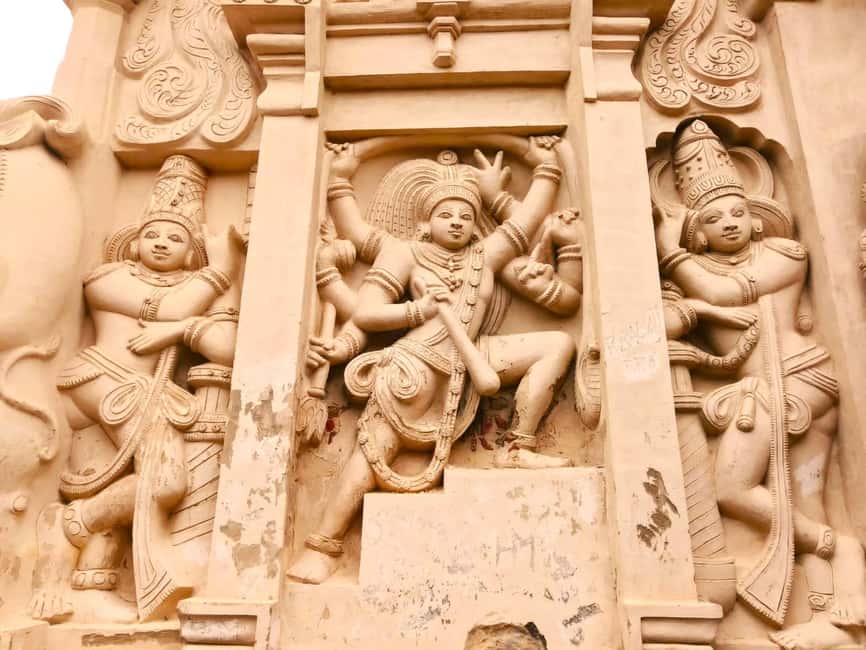
- Pallava temples built around 600 AD: you’ll visit the Ekambareswarar and Kailasanathar temples tied to that era
- A real weaver meet: learn what goes into silk sarees by watching the process up close
- Silk details that matter: mulberry silk thread and saree length between 6 and 9 yards come up in the explanation
- Temple economy in action: weaving and small temple-related shops are part of everyday local livelihood
- Guiding that turns sights into understanding: one guest specifically praised Kannan for making the temples easier to grasp
Kanchipuram in a single 8-hour swing from Chennai
This is the kind of trip that works when you want a big cultural hit without spending days on the road. You’ll start with hotel pickup in Chennai, then head to Kanchipuram and spend the main chunk of time on the ground there. The schedule is structured: about 3 hours guided exploring, then an hour for lunch, and you return to Chennai afterward.
Why that structure matters: temple days can wander fast. With a set guided window, you’re more likely to see what’s important (and understand it) instead of just collecting photos. Since this is a private group, you also get less pressure to rush through holy spaces and more chance to ask practical questions in English.
I also like that the tour includes entrance charges and hotel pick and drop. Those little extras add up, and having them handled saves you from budgeting stress once you arrive.
Pallava temple stops at Ekambareswarar and Kailasanathar
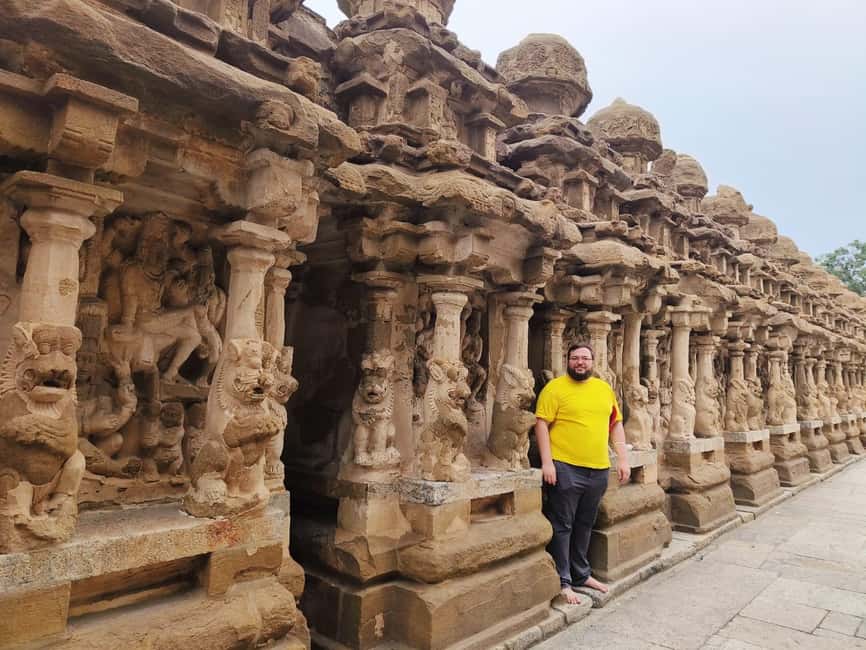
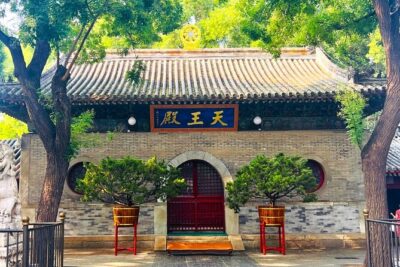
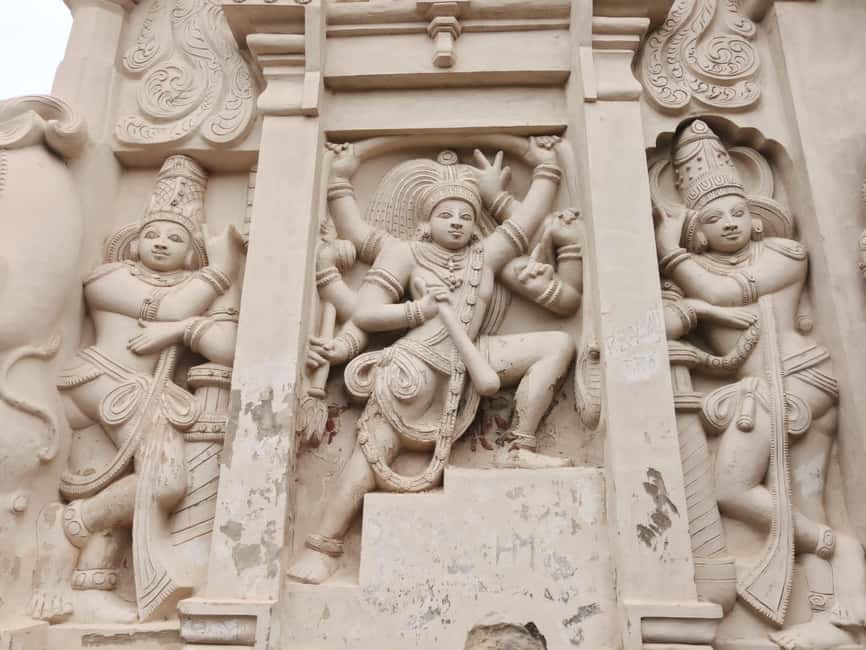
Your temple portion centers on two major sites: Ekambareswarar and Kailasanathar. Both connect you to the Pallava dynasty, known for shaping the shift from earlier rock-cut forms toward more durable stone temple architecture.
At Ekambareswarar, the value is in the guidance. The tour isn’t just a quick look at carvings; you’re meant to learn the history and see Pallava style architecture as a system—how the pieces fit into a longer story of South Indian temple building. That matters because without context, temple details can blur together.
Then comes Kailasanathar. This is where the explanation of Pallava design style becomes even more useful. You’ll be looking at stone temple work that traces back to the time when these architectural ideas were taking clearer form, around 600 AD. If you like architecture, this is the moment where you’ll start noticing patterns instead of treating everything as one big stone mass.
A quick practical note: you’ll be walking around temple grounds, so comfortable shoes are not optional. Also, inside temples, footwear is removed, and you’ll want to follow dress rules closely.
Why the Pallava transition is more than trivia
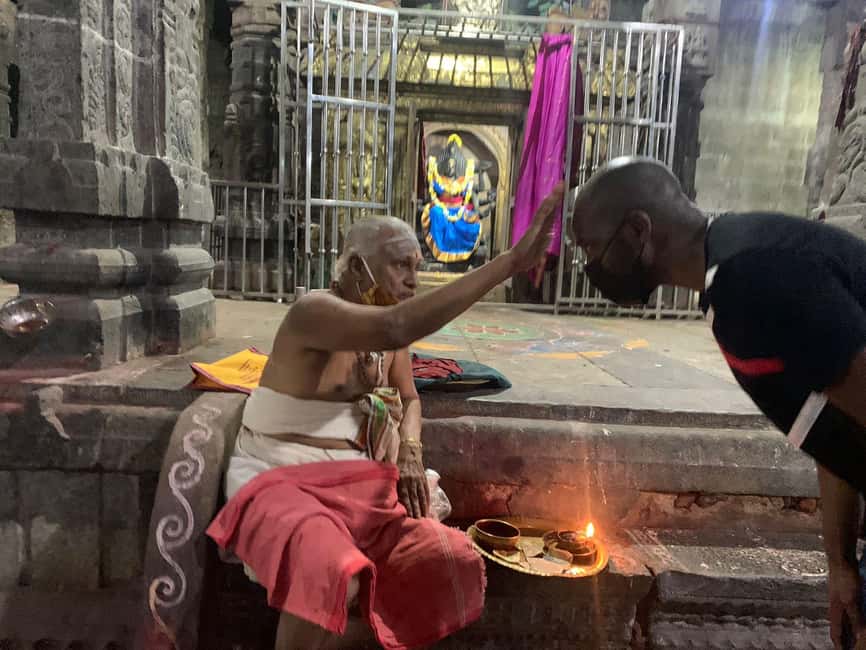
The tour’s big teaching thread is the Pallavas as the bridge between rock-cut architecture and stone temples. That’s not just a fact to memorize—it helps you interpret what you see.
Rock-cut architecture is literally shaped out of the earth or rock itself. Stone temples, on the other hand, represent a different kind of building logic: bringing materials together, shaping structural forms, and creating spaces intended for centuries of worship. When your guide frames this transition, the temple stops start making more sense as engineering plus ritual space.
You also get a clear geographic anchor: Kanchipuram was the Pallavas’ capital during the medieval period. That helps explain why the temple scene here feels so concentrated. You’re not just visiting random monuments; you’re visiting a place that held power and patronage, which means more attention went into building styles and temple economies.
If you’re the type who likes your sightseeing with a reason behind it, this framing is one of the strongest parts of the day. It gives you a way to look slowly even when the schedule stays brisk.
The silk-weaver visit: what you’ll actually learn
Kanchipuram is famous for silk sarees, and this tour doesn’t treat that as a side note. It builds the day around a visit to a weaver so you can see how silk sarees are made—up close, not through a sales pitch alone.
You’ll learn about the art of making silk sarees and meet people working in the trade. The details in the explanation include:
- sarees are worn for auspicious occasions like weddings and birthdays
- a saree length typically runs from 6 to 9 yards
- the thread comes from pure mulberry silk
- silk weaving supports a large number of families locally (the tour info cites 5000+ families)
This is the kind of stop that changes the way you shop later. Instead of viewing a saree as just fabric, you start thinking about the material and the craft decisions behind it. Even if you don’t buy anything, you’ll come away knowing what to look for and why the process takes time.
It also helps that the local context is part of the story. The tour notes that the community depends on the temple economy for livelihood, with many running small shops or stalls selling prayer-related goods. Silk weaving is another livelihood, and many weavers use handlooms. That gives the day a grounded feel: you’re seeing craft as work that connects to daily life, not as a museum stunt.
Temple economy meets craft: why the community story is real
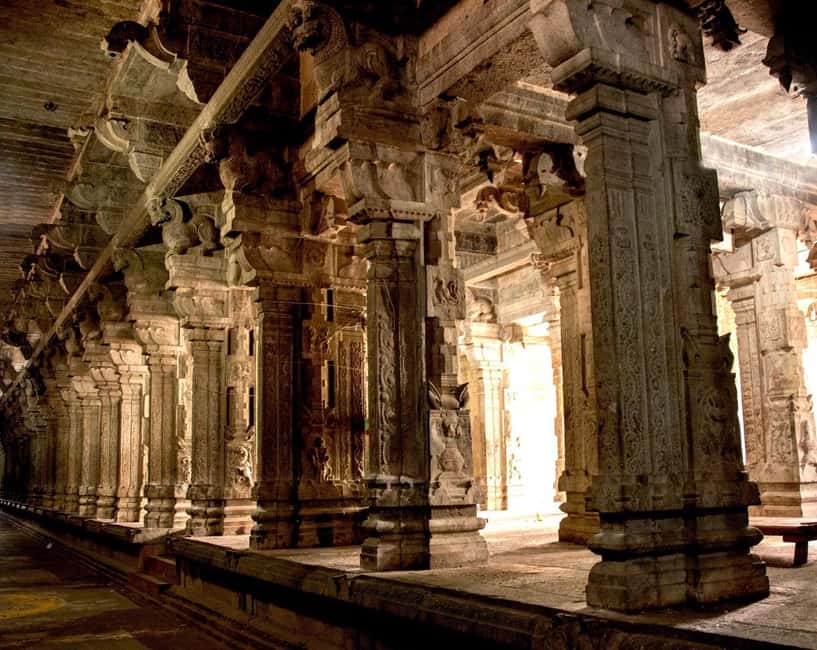
This part of the tour is easy to skip when it’s told quickly—but here it’s spelled out. Kanchipuram isn’t just temples and tourists. The tour info explains that local livelihood is tied to the temple economy, and silk weaving is also part of that income stream.
That matters for you because it changes how you interpret what you see around the temples. When you notice small stalls near temple areas, you’ll understand they’re part of the same ecosystem that keeps communities running. When you see handloom weaving, it won’t feel like a separate attraction; it’ll feel like another thread in the same fabric.
The tour also states that the company is helping the community by training and employing local guides and procuring their wares to strengthen livelihood. That doesn’t make the story perfect or problem-free, but it does give you a practical reason to pay attention to who benefits from your purchase.
If you’re someone who wants travel with a conscience, this stop gives you more than aesthetics. You’ll leave with a clearer sense of why silk and temples are intertwined here.
Timing, lunch, and how to pace a temple-heavy day
The day is laid out to keep you from burning out. After pickup in Chennai, you get a guided tour window of about 3 hours in Kanchipuram. Then there’s lunch for about 1 hour, followed by the return to Chennai.
Lunch is included and is described as South Indian vegetarian. That’s useful because it reduces the chance you’ll end up eating whatever is closest at a random time. The downside is simple: if you’re picky about spice level or you want specific dietary options beyond vegetarian, you’ll want to manage expectations. And since only the included meal is covered, any extra food you order would be on you.
Your pacing trick: keep water with you. The tour suggests bringing water, and on a temple day, that’s good advice. Also, don’t plan to cram extra sightseeing right after you get back. You’ll want a calm evening in Chennai.
Price and value: what $109 buys you (and what it doesn’t)
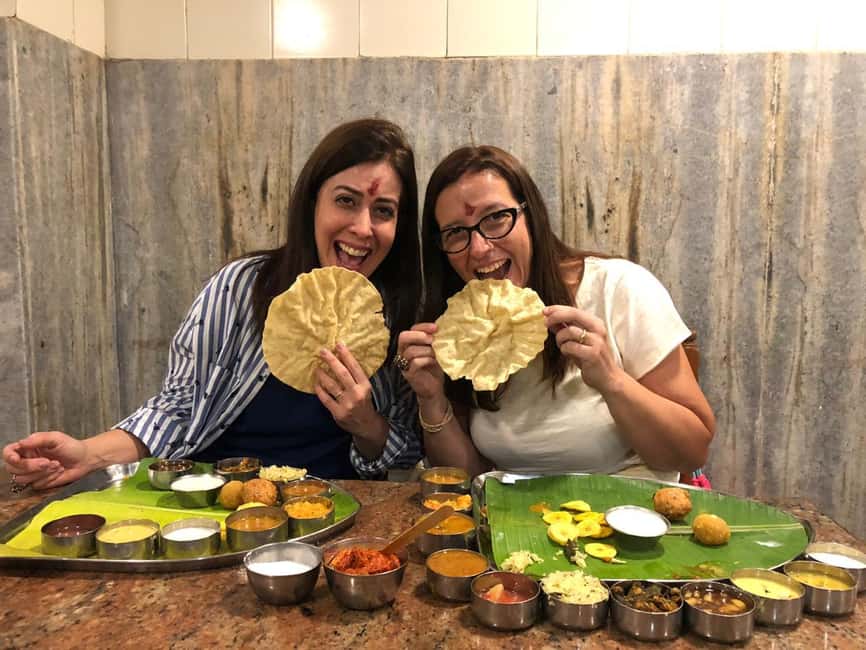
At $109 per person, you’re paying for more than transportation. The included items are the big ones:
- hotel pick and drop
- AC car
- guide
- entrance charges
- South Indian vegetarian lunch
When you compare that to piecing together your own day (car rental, guide, site tickets, and food), the value starts to make sense. You’re effectively paying for a guided, pre-planned day that handles the parts that usually eat time and cause confusion.
What’s not included is also straightforward: any food ordered other than the included meals. So if you love snacks or you want drinks beyond what’s served with lunch, factor that into your budget. If you stick to the included lunch and keep your spending tight, the price feels more predictable.
One more value note: private group. That means you’re not sharing attention with a huge crowd, and you’re more likely to get better interaction with your guide’s explanations.
Rules that catch people off guard: dress code, footwear, flash
Temple etiquette is a real part of the experience here, not an afterthought. The tour info says:
- footwear needs to be removed while entering temples
- dress code requires covering knees and shoulders
- flash photography is not allowed
This is worth planning for before you leave your hotel. For clothing, you’ll want something breathable that still covers your knees and shoulders. If you show up in shorts and a tank top, you might end up scrambling for a workaround, and that kills momentum.
For shoes: wear easy slip-on or slip-off footwear, since you’ll be removing them at temple entries. For photos: bring a camera, but plan to use normal lighting and settings without flash. Indoors, that can mean slower shutter speeds, so steady your hands.
If you follow these rules, the day feels smoother. If you ignore them, you’ll spend time waiting and adjusting instead of learning.
Who should book this Kanchipuram tour (and who should reconsider)
This day trip makes the most sense if you want a guided architecture and craft day. It’s especially good for:
- people who like temple architecture and want historical context tied to what they see
- anyone curious about silk sarees beyond the shopping experience
- visitors who want an English guide and a structured schedule from Chennai
It’s a private group, so you’ll likely feel less rushed than on big bus tours. And the guide-led explanation is a highlight, with one verified booking specifically praising Kannan for clear temple understanding.
Who should reconsider: the tour is not suitable for wheelchair users and people with back problems. Since temple walking and time on your feet are part of the plan, if mobility is a concern, you should choose a different format.
Also, if you hate following dress rules at religious sites, this may feel restrictive. If you can handle simple coverage and footwear removal, you’ll be fine.
Should you book this Kanchipuram day trip?
If you want one strong day that combines Pallava temples with a hands-on silk-weaver experience, I think this is a smart choice. The best part is how the tour connects the dots: stone temples built in the Pallava period, then the living craft tradition that Kanchipuram is known for today.
Book it if:
- you want guided temple history in English
- you care about understanding craft process, not just buying souvenirs
- you’d rather pay for a planned day than solve logistics yourself
Skip it if:
- you need wheelchair access or have significant back issues
- you’re hoping for a fully relaxed day with minimal walking
- you don’t want to deal with dress code and footwear removal
Bottom line: for $109, you get a tight but meaningful day—temple architecture plus silk weaving, with a guide and meals handled. If that combo matches your travel style, this is worth putting on your Chennai-to-Tamil Nadu itinerary.
FAQ
What temples are included in the Kanchipuram tour?
You’ll visit the Ekambareswarar and Kailasanathar temples of the Pallava dynasty.
How long is the tour from Chennai?
The full experience runs for 8 hours, including travel time and the guided portion in Kanchipuram.
What’s included in the price?
The package includes hotel pick and drop, an AC car, a guide, entrance charges, and a South Indian vegetarian lunch.
Is flash photography allowed in the temples?
No. Flash photography is not allowed.
What should I wear for temple visits?
You’ll need to cover your knees and shoulders to enter the temples.
Is the tour refundable if plans change?
Yes. Free cancellation is available up to 24 hours in advance for a full refund.