REVIEW · TARANTO
Martina Franca: Baroque and Rococo Architecture Walking Tour
Book on GetYourGuide →Operated by Italygonia Travel T.O. · Bookable on GetYourGuide
Martina Franca is what ornate architecture feels like. You’ll spend two hours following a licensed guide through the town’s Baroque and Rococo buildings, from grand frescoed rooms to quieter chapels tucked along old streets. I especially like how the route keeps moving, so you’re never staring at the same view for too long.
My second favorite part is the payoff per stop: each piazza and church connects to what you’re seeing next, so the details start to make sense. One thing to consider: it’s a walking tour, so if you’re sensitive to uneven old-town sidewalks, plan for slower moments and comfy shoes.
In This Review
- Key Stops and What You’ll Notice
- Why Martina Franca’s Baroque and Rococo Looks Feel So Personal
- Meeting at Piazza XX Settembre and Stepping Through Gate Santo Stefano
- Piazza Roma’s Dolphin Fountain and the Fresco Rooms of Palazzo Ducale
- From Old Town Alleys to Piazza del Plebiscito and St. Martin’s Basilica
- Immaculate Square, St. Nicholas of the Greeks, and San Domenico
- The Licensed Guide Factor: Why Clear Explanations Matter Here
- Price and Value: What $326.26 Per Private Group Really Buys
- Walking Time, Pacing, and How to Plan Your Day
- Who This Tour Is Best For in Martina Franca
- Should You Book This Martina Franca Baroque and Rococo Architecture Walk?
- FAQ
- How long is the Martina Franca Baroque and Rococo walking tour?
- Where does the tour start?
- What are the main stops during the walk?
- Is there a licensed guide included?
- Which languages are available for the live guide?
- Is food and drinks included?
- Is hotel pickup and drop-off included?
- Is this tour private?
Key Stops and What You’ll Notice
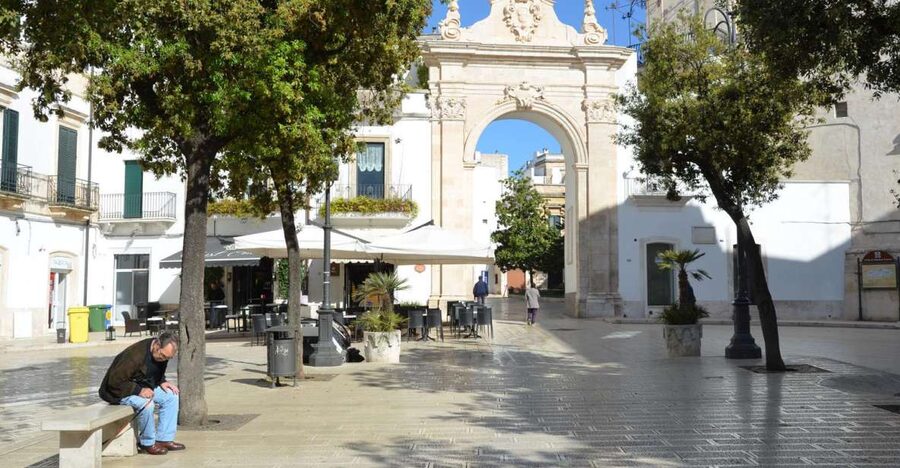
- Piazza XX Settembre start under the arch: a clear kickoff point that helps you meet up fast.
- Gate Santo Stefano: your first taste of the Itria Valley town’s historic structure.
- Fountain of the Dolphins in Piazza Roma: a fun landmark before you head into palazzo and church interiors.
- Palazzo Ducale with 18th-century frescoes: the kind of place where you’ll want your camera ready, but your guide ready too.
- Piazza del Plebiscito and St. Martin’s Basilica: a major Baroque moment with a dedicated church stop.
- Immaculate Square, St. Nicholas of the Greeks, and San Domenico: the tour closes strong with multiple religious highlights.
Why Martina Franca’s Baroque and Rococo Looks Feel So Personal
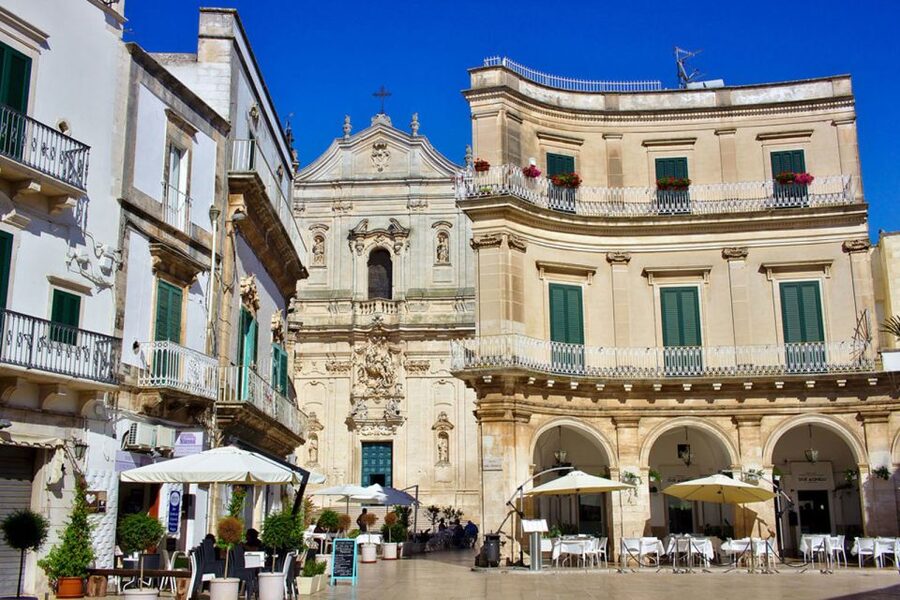
If you’ve ever wondered why southern Italian towns can look like they were designed for drama, Martina Franca is a great answer. The town is one of the key spots in the Itria Valley, and its streets and churches show Baroque and Rococo styles in a way that feels lived-in, not staged.
What I like about this kind of architecture walk is that it doesn’t treat buildings like museum objects behind ropes. You’re seeing them in context—piazzas, alleyways, and church fronts that belong to daily town life. That matters. The details feel more meaningful when you understand where they sit and how people move around them.
And yes, there are plenty of religious and civic landmarks here—but the tour also tries to keep things human-scale. Two hours is long enough for real impressions, short enough that you don’t end the day exhausted.
Meeting at Piazza XX Settembre and Stepping Through Gate Santo Stefano
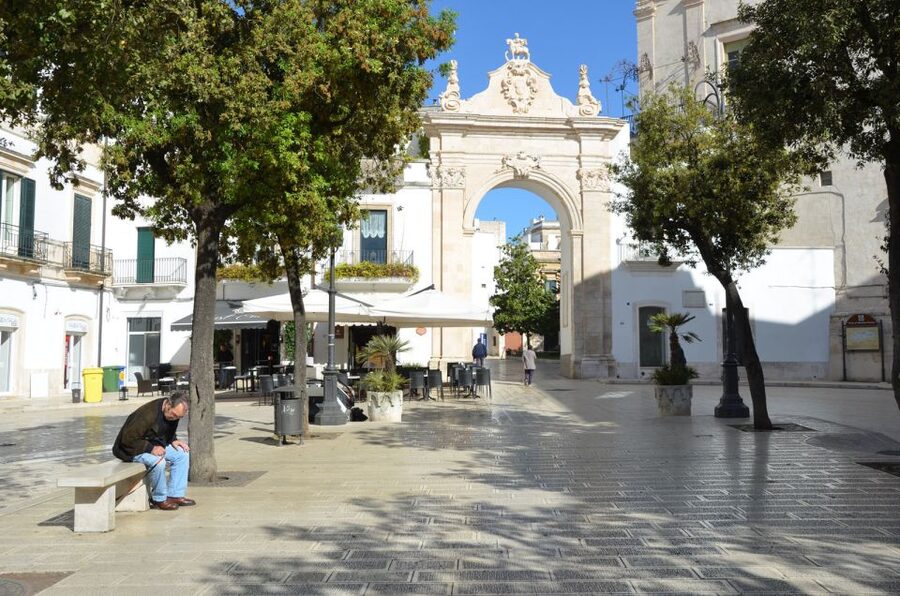
The tour starts in Piazza XX Settembre, under the arch. That’s helpful because it’s a very specific meeting point, and you won’t waste time wandering in the wrong square.
From there, you head toward Gate Santo Stefano. This early section is more than a warm-up. It gives you a sense of the town’s structure before you start hitting the most ornate façades and interiors. In other words, you’re getting your bearings fast—so later, when you’re standing in a piazza with major churches, you understand how the town flows around them.
Practical tip: since this is a walking itinerary, I’d assume the route includes some uneven pavement. Your best friend is a good walking shoe, not a fashion boot.
Piazza Roma’s Dolphin Fountain and the Fresco Rooms of Palazzo Ducale
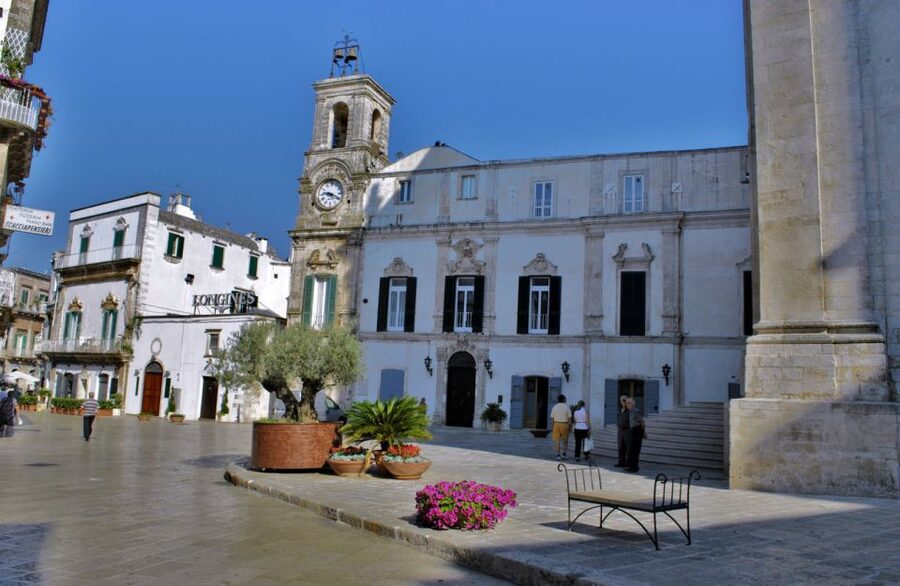
After the gate area, the tour moves to Piazza Roma, where you’ll see the fountain of the dolphins. It’s a small landmark, but it works as an easy visual anchor. You can remember the square, then build the rest of the route in your head around it.
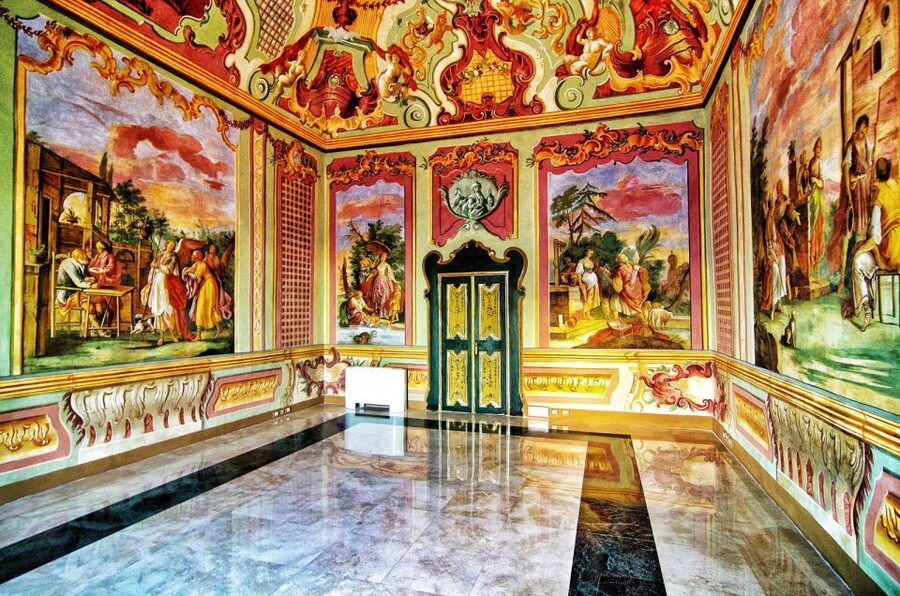
Next comes Palazzo Ducale, which is a highlight for architecture lovers. You’ll visit and focus on the 18th-century frescoes and the stately rooms. This is where the tour stops being only about façades and turns into a real “look closely” moment.
Why that matters for you: Baroque and Rococo design isn’t just about what’s on the outside. Frescoes and interior decoration are often where the style’s personality shows up most—movement, illusion, ornament. Even if you’re not the type who reads every architectural term, you’ll still feel the difference when your guide points out what you’re looking at.
Possible drawback: palazzi and church visits can depend on how spaces are used and what’s accessible at the moment. The tour is designed around specific stops, but if you’re hoping for a long, slow indoor exploration, remember the overall tour time is only two hours.
From Old Town Alleys to Piazza del Plebiscito and St. Martin’s Basilica
One of the best parts of this tour is the middle stretch through the alleyways of the old town. This is where Martina Franca stops being a collection of big sights and becomes a place with rhythm. Narrow streets and turns make each next reveal feel earned.
Then you arrive in Piazza del Plebiscito, and the tone shifts to a major church moment: you’ll visit the basilica dedicated to St. Martin, an exceptional example of Baroque architecture.
This is the stop where you’ll probably start noticing how Baroque design guides your eyes. Think: emphasis on grandeur, dramatic detail, and a sense of theatrical framing. A guide helps because they can point out what to prioritize without turning the experience into a lecture.
Also, this is a good place to slow down. If you take even a couple of minutes to stand back and observe the overall church presence, you’ll get more out of the details later—either within the church area or as you move on.
Immaculate Square, St. Nicholas of the Greeks, and San Domenico
After St. Martin’s Basilica, the itinerary continues through more stops that feel like they deepen the story rather than repeat it.
First is Immaculate Square, followed by the Chapel of St. Nicholas of the Greeks. The naming alone tells you this isn’t just one-style sightseeing. You’re seeing a specific religious landmark tied to the town’s layers of influence.
Then the tour ends at the Church of San Domenico. This final church stop is a strong closer because it leaves you with a last, memorable visual before the walk returns to the meeting point area.
How to get the most out of the last stretch: as you approach the final church, try to think less about ticking off a checklist and more about comparing. Look back at earlier stops—palazzo frescoes, Baroque basilica, then this closing church. You’ll start to see how the town’s architecture changes in character, even when it’s all under the broad umbrella of ornate styles.
The Licensed Guide Factor: Why Clear Explanations Matter Here
This tour includes a licensed guide, and the guide element is where you feel the value most. You’re not just following a route; you’re getting interpretation.
The experience is offered in multiple languages—Spanish, English, French, German, and Italian—so you can choose what fits you. That matters in a walking architecture tour because your best moments often come from a single pointed explanation: what a detail means, why a room was decorated a certain way, or what to notice first.
Two guide names that stand out for praise include Lucia and Silvia. Lucia is described as wonderful, with strong knowledge, insight, and a sense of perspective plus humor. Silvia is praised for clear English and for helping make Martina Franca feel like a city you shouldn’t skip.
Even if your guide isn’t the same person, the structure of the tour is built for people who want understanding, not just photos.
Price and Value: What $326.26 Per Private Group Really Buys
The price shown is $326.26 per group, with a group size of up to 25, for a 2-hour guided walking tour. Because it’s private, you’re paying for a guided experience tailored to your group, not a crowded public bus situation.
Here’s how I’d judge value for you:
- If you care about architecture details and want someone to point out what matters, the licensed guide turns those stops into a guided “seeing” experience.
- If you’re traveling with friends or family who like walking and photos, the per-group pricing can feel reasonable compared to buying separate guide time.
- If your group is smaller than 25, you’ll still have the same guided structure, so the value is likely strongest when you split the cost among several people.
One consideration: since food and drinks aren’t included, you’ll likely want to plan an easy post-tour gelato stop or snack nearby, rather than expecting a meal to be part of the package.
Walking Time, Pacing, and How to Plan Your Day
You’re looking at 2 hours total, and the tour runs on starting times you’ll need to check for availability. This timing is ideal if you want a focused architecture hit without sacrificing the rest of your day.
The route moves through piazzas and alleyways and includes multiple church-related stops and a palazzo visit. That’s a lot to pack into two hours, so the pacing is likely brisk.
My advice:
- Wear shoes you can stand in for longer than you expect.
- Bring water if you’re touring in warm months, since refreshments aren’t part of the tour.
- If you’re combining this with other sightseeing, schedule it earlier when your attention span is at its best.
Who This Tour Is Best For in Martina Franca
This is a good fit if you want:
- A Baroque and Rococo focus without having to plan every stop on your own
- A guide-led route through major piazzas plus smaller alley connections
- A structured way to understand Martina Franca’s standout architectural moments in a short window
It’s also a nice choice for people who like cultural walks but don’t want museum-level pacing. You get civic landmarks like Palazzo Ducale and major church highlights like St. Martin’s Basilica, plus smaller identity stops like the Chapel of St. Nicholas of the Greeks.
If you’re the kind of visitor who wants long, slow time in one building, you might feel the time squeeze. But if you like variety and quick interpretation, this fits well.
Should You Book This Martina Franca Baroque and Rococo Architecture Walk?
I’d book it if you want the most architecture impact in the least time. The route hits key Martina Franca anchors—Piazza XX Settembre, Gate Santo Stefano, Piazza Roma, Palazzo Ducale, Piazza del Plebiscito, then multiple church stops—so you get both civic and religious expressions of the Baroque/Rococo look.
I’d skip or rethink if you dislike walking or if you need a lot of time inside each stop. With only two hours, you’ll move on before you could fully linger.
If your goal is a guided, well-structured architecture overview you can actually finish in one morning or afternoon block, this one is a solid choice.
FAQ
How long is the Martina Franca Baroque and Rococo walking tour?
It lasts 2 hours.
Where does the tour start?
The tour starts at Piazza XX Settembre, under the arch.
What are the main stops during the walk?
You’ll see Piazza Roma (including the fountain of the dolphins), Palazzo Ducale, Piazza del Plebiscito (St. Martin’s Basilica), Immaculate Square, the Chapel of St. Nicholas of the Greeks, and the Church of San Domenico.
Is there a licensed guide included?
Yes. The tour includes a 2-hour walking tour with a licensed guide.
Which languages are available for the live guide?
The live tour guide is available in Spanish, English, French, German, and Italian.
Is food and drinks included?
No. Food and drinks aren’t included.
Is hotel pickup and drop-off included?
No. Hotel pickup and drop-off aren’t included.
Is this tour private?
Yes. It’s listed as a private group experience.