REVIEW · RIO DE JANEIRO
Historic Petrópolis From Rio: The Imperial City –Palaces, Architecture & Culture
Book on Viator →Operated by Gregtur Turismo · Bookable on Viator
Petrópolis feels like a shortcut to another century. You get a private tour that swaps Rio’s energy for imperial palaces, French-gothic cathedral art, Santos Dumont’s aviation legacy, and a proper brewery visit with tastings—all while you enjoy complimentary admission at most stops. I especially like how the day blends big sights with real story-telling (you’ll hear guide names like Bruno and Newton mentioned for a reason), and I love that transportation is handled door-to-door. One thing to consider: meals and drinks aren’t included, and Quitandinha Palace lists the ticket as not included.
With pickup and drop-off available anywhere within the city of Rio, this is an easy way to reach Petrópolis without stressing about timing. The full day runs about 10 hours, and you’ll hit major highlights plus Rua Teresa for shopping time in an open-air street market. I’d file this under best for people who like architecture, history, and food-and-drink breaks.
In This Review
- Key highlights you’ll care about
- Why Petrópolis Is Such a Smart Break From Rio
- Private Transport and Guide: The Real Comfort Factor
- Stop 1: Quitandinha Palace’s Gambling-Era Details You’ll Notice
- Imperial Museum and Pedro II: The Summer Residence Feeling
- Cathedral of São Pedro de Alcântara: French Gothic + Carrara Marble
- Santos Dumont’s House: Engineering Pride in a Summer Setting
- Crystal Palace: Cast-Iron Wonder From France
- Cervejaria Bohemia: The Brewery Tour That Actually Gives You Stuff to Know
- Rua Teresa: Shopping Time Without Getting Lost
- Price and Value: What $296 Buys You in a 10-Hour Day
- Who This Tour Fits Best (and Who Might Want Something Else)
- Should You Book This Historic Petrópolis Imperial City Tour?
- FAQ
- How long is the Petrópolis from Rio tour?
- Is this tour private?
- What’s included in the price?
- Are meals and drinks included?
- Is admission included for every stop?
- Can I cancel for a full refund?
Key highlights you’ll care about
- Private group experience with a licensed guide and all-inclusive transport so the day flows.
- Marble, stained glass, and Carrara sculptures inside São Pedro de Alcântara Cathedral, plus Pedro II’s mausoleum.
- Santos Dumont’s house and his aviation story, told in the space where he planned a summer escape.
- Crystal Palace in cast iron (shipped from France, installed in Petrópolis) for an unusual engineering-and-design stop.
- Brewery Bohemia with a full brewing tour and tastings, not just a quick look.
- Rua Teresa shopping time with more than 1,200 stores if you want souvenirs or a snack stop.
Why Petrópolis Is Such a Smart Break From Rio
Petrópolis is the kind of place you visit once and then keep thinking about. It’s not just “pretty buildings”—it’s a whole set of choices the Brazilian empire made about where power should live. From Rio, it also works as a pressure release. You get out of the city hustle and into cooler, calmer streets.
What I like most is that the day isn’t built around one museum or one viewpoint. It strings together palaces, a cathedral, engineering, and beer in a way that feels varied but still focused on theme: imperial-era culture and what came after.
Private Transport and Guide: The Real Comfort Factor
This tour is private, which changes everything about pace and questions. You’re not waiting for other groups to catch up, and you can ask for clarifications as you go—especially useful when you’re looking at architecture and symbols that otherwise fly over your head.
Transport is handled in fully equipped vehicles with pickup and drop-off at your address in Rio. If you’re traveling with a group bigger than 4, you’ll also have a private driver; otherwise the guide drives the vehicle themselves. That detail matters more than it sounds, because it keeps the guide’s attention on narration instead of traffic.
And the guide component is the big praise magnet. In past experiences, people highlighted guides like Bruno for amazing conversation and practical tips, including where to eat and even hike ideas. Others singled out Newton for careful attention and strong knowledge of Petrópolis, architecture, and wider Brazil context. The lesson for you: this is the kind of tour where the guide can seriously shape your day.
Stop 1: Quitandinha Palace’s Gambling-Era Details You’ll Notice
Quitandinha Palace is the kind of stop that makes you look twice. The building was built in 1944 and once positioned itself as the gambling capital of Brazil, which gives it a very particular story flavor—this wasn’t meant to be quiet.
You’ll see the over-the-top design decisions: marble bathrooms, chandeliers with crystal pendants, and lighting described as powerful enough to light up a city of 60,000 people. There’s also a lake shaped like a map of Brazil, and the halls were designed to hold up to 10,000 people at the same time.
One practical note: Quitandinha’s admission ticket isn’t included in the stop details. So if you’re budget-minded, check the total cost at booking or before you go. The good news is that even without leaning into the gambling history, the architecture is visually memorable.
Imperial Museum and Pedro II: The Summer Residence Feeling
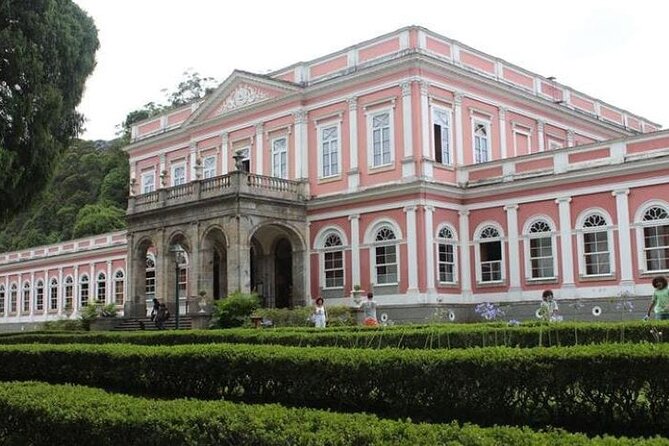
Then you shift into the true “Imperial City” mood. At the Imperial Museum, you’ll step into the story of Pedro II, who made this marvellous building his summer residence. That personal connection is the point: this is where you see how power lived day-to-day, not just how it posed for portraits.
The museum preserves relics associated with the royal family, and it’s described as the most visited museum in Brazil today. You also get time in the garden and inside spaces where objects of the royal family and other historical pieces are displayed.
The best way to get value here is simple: slow down and look for symbols and materials. Museums like this aren’t only about what’s inside glass cases. They’re about how the building itself supports the idea of prestige—layout, light, and how rooms are used.
Cathedral of São Pedro de Alcântara: French Gothic + Carrara Marble
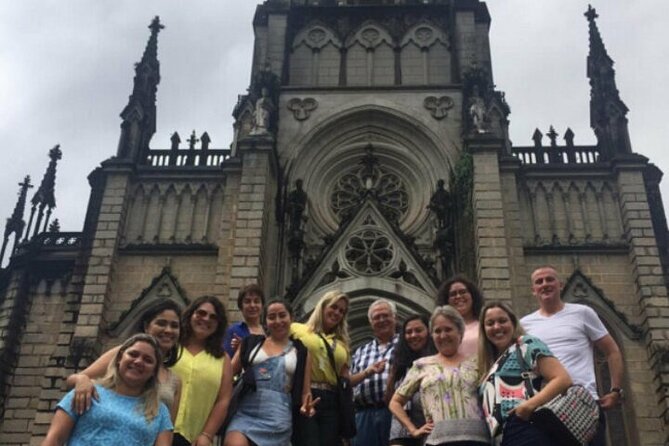
If you love churches that feel like art galleries, this is a key stop. The São Pedro de Alcântara Cathedral is known for its new-gothic French style, with marble sculptures in Carrara and stained glass details that help the interior glow.
But the headline is the imperial mausoleum. In the center, there’s a double sarcophagus holding the remains of Emperor D. Pedro II and Empress Tereza Cristina. That means you’re not just admiring a building—you’re standing in a place tied directly to Brazil’s imperial story.
This stop is also listed as free admission, which makes it a strong value add. Thirty minutes is usually enough to see the main features without rushing your eyes. If you’re the type who likes to read everything, you might want to take a slower approach and accept you’ll skim some side details.
Santos Dumont’s House: Engineering Pride in a Summer Setting
Next comes a different kind of Brazilian legend: aviation. The Museu Casa de Santos Dumont is dedicated to Alberto Santos Dumont, often called the father of aviation because of his early flight achievements in motor-powered aircraft without needing launch ramps.
What makes this stop more than a “history poster” is that it’s his house, designed by Santos Dumont as a summer residence. That gives the day another layer: you’re not only touring imperial monarchy culture—you’re also seeing innovation and national pride through an inventor’s personal space.
You’ll learn how the house preserves and disseminates the memory of Santos Dumont and his engineering genius. If you like architecture that has a human scale, this is a good counterpoint to the larger palaces and cathedral interiors.
Crystal Palace: Cast-Iron Wonder From France
Crystal Palace in Petrópolis sounds playful, but it’s also deeply technical. The structure is described as precast and built in cast iron, ordered in France by Conde D’Eu—Princess Isabel’s husband.
It took five years to be ready, then the structure was set up in Petrópolis and opened in 1884. Back then it hosted exhibitions of flowers, birds, and agricultural products. Today, it still serves culture, with events and exhibitions happening in the space.
I like this stop because it breaks the pattern. You’re used to “big stone buildings” in historic cities, but this one is about industrial craft and design. When you’re standing in a cast-iron structure, it’s easier to appreciate how ambitious construction was—even when the goal wasn’t skyscrapers.
Cervejaria Bohemia: The Brewery Tour That Actually Gives You Stuff to Know
Now for a stop that many people consider a highlight: Brewery Bohemia. Once you enter, you get pulled into the beer universe quickly, because the visit isn’t presented as a quick photo opportunity. It’s described as the most complete brewing experience in Latin America.
The tour covers the history of beer, the brewing process, and the ingredients that shape the sensory experience. And yes—you get tastings. That last part is what keeps the visit from feeling like a lecture. The goal is to connect what you learn to what you taste.
One detail from real-world experiences: some groups even traded the brewery stop for time elsewhere, like a drive and a quick hike in Tijuca forest, if the group preferred an alternative day flow. If you love beer, keep the tasting. If you don’t, ask your guide if there’s flexibility on the day—but don’t assume. The brewery is one of the most time-anchored parts of the program.
Practical tip: if you’re sensitive to alcohol, pace your samples and drink water. You still have Rua Teresa shopping later, and you’ll want your head clear.
Rua Teresa: Shopping Time Without Getting Lost
Rua Teresa is where the tour becomes useful for real life. It’s an open-air mall atmosphere with more than 1,200 stores, and that’s a lot of browsing space in one concentrated area.
This is where you can grab souvenirs, small gifts, and snacks without needing to hunt across town. Since there’s no admission fee listed for this stop, it works as a flexible buffer in the day. If the morning ran long, you’ll still have enough time to do something fun with your energy.
This is also where food-and-drink hunting can happen naturally. One group in a similar experience even mentioned ending with chocolate later in the day, which makes sense when you’ve got so many stores within walking range.
Price and Value: What $296 Buys You in a 10-Hour Day
At $296 per person for about 10 hours, you’re paying for more than sightseeing. You’re paying for a private, guided day that includes transportation, guide time, and admission fees for the attractions listed as included—plus free admission for the cathedral.
Here’s what makes the value math feel fair:
- Door-to-door pickup and drop-off within Rio saves time and hassle.
- The day includes multiple paid attractions, so your cost isn’t only “time spent in buses.”
- You get a licensed private guide, which matters most when you want context for architecture and symbols.
- The group is private, so you’re not sharing your day’s schedule.
The one snag for value is the Quitandinha Palace ticket being listed as not included at the stop level. If you’re strict about total budgeting, factor in a possible extra charge there. Also remember meals and drinks aren’t included, so plan on paying for lunch or snacks along the way.
When this tour really shines is when your group wants structure. If you already love planning your own transport and don’t need guided context, you might be able to do Petrópolis cheaper. But you’ll lose the ease—and you might lose some of the explanations that make these buildings feel meaningful.
Who This Tour Fits Best (and Who Might Want Something Else)
This day trip fits best if you like:
- Imperial and architectural landmarks
- Clear, guided explanations of what you’re seeing
- A comfortable, low-stress day with transportation handled
- One “food or drink” anchor—Brewery Bohemia with tastings
It might not fit as well if you:
- Want meals to be included in the price
- Prefer to spend hours at one place rather than sampling several
- Don’t care about brewing history or royal-era details
Because it’s private, you can also adapt the pace to your group’s energy. That’s a real advantage if you’re traveling with mixed interests.
Should You Book This Historic Petrópolis Imperial City Tour?
I’d book it if you want one day to cover Petrópolis in a way that feels curated but still grounded in real places. The cathedral mausoleum, the Imperial Museum setting connected to Pedro II, and the cast-iron Crystal Palace give you variety without turning the day into random stops.
The strongest selling points are the guide quality and the comfort of the private format. When guides like Bruno and Newton are highlighted for both knowledge and helpful recommendations, that’s your signal that you’ll get more than dates and names. You’ll get context—and a smoother day.
Skip it only if meals and the potential extra cost at Quitandinha Palace are deal-breakers for you, or if you prefer free-form exploration over a guided route.
FAQ
How long is the Petrópolis from Rio tour?
It runs for about 10 hours.
Is this tour private?
Yes. It’s a private tour/activity, and only your group participates.
What’s included in the price?
Transport is included, along with a professional licensed private guide and entrance fees for attractions described in the program. Pickup and drop-off at any address within Rio are also included, along with taxes, parking fees during stops, and handling charges.
Are meals and drinks included?
No. Meals and drinks are not included. Tips are optional.
Is admission included for every stop?
Not every stop is listed the same way. The Imperial Museum, Museu Casa de Santos Dumont, Crystal Palace, and Brewery Bohemia are listed with admission ticket included. The Cathedral of São Pedro de Alcântara is listed as free. Rua Teresa is free. Quitandinha Palace lists the admission ticket as not included.
Can I cancel for a full refund?
Yes. You can cancel up to 24 hours in advance for a full refund. Cancellation less than 24 hours before the start time is not refunded.