REVIEW · CHICAGO
Chicago: Architecture & True Crime History
Book on GetYourGuide →Operated by Local Chicago Tours · Bookable on GetYourGuide
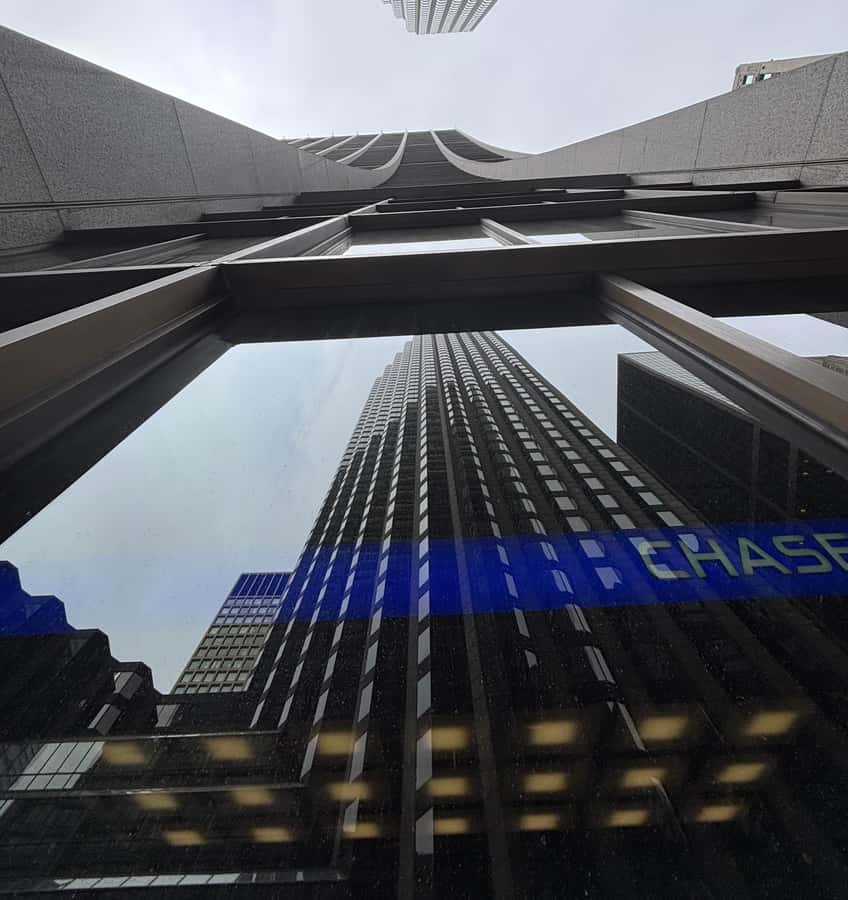
Chicago tells stories in stone and shadow. This tour mixes iconic Chicago architecture with true crime tales, inspired by Devil in the White City style storytelling, so you’re looking up at the skyline and looking at the dark side of how the city grew. I love the way the guide connects building styles like Beaux Arts, Art Deco, and Modernist design to the crimes and corruption hiding in plain sight, and I also love the pacing of the stories, which makes the walk feel like a real narrative.
One possible drawback: the content leans into murder and serial killer history, so it may feel too heavy if you do not want true crime in your sightseeing.
In This Review
- Key highlights to know before you go
- Chicago architecture and true crime: the setup that works
- Where the tour starts at Palmer House (and how to spot it)
- Beaux Arts elegance meets dark stories in the Loop
- Art Deco streets and the feeling of sharp angles
- Modernist Chicago: when the skyline turns into a story clue
- The true crime portion: Gacy, Holmes, and what the guide adds
- Your guide matters: Chicago locals who know how to tell it
- Duration, pace, and who this is best for
- Price and value: why $35 can be a good deal
- What to expect at each moment of the walk
- Practical tips: staying comfortable without dulling the experience
- Should you book this Chicago Architecture and True Crime tour?
- FAQ
- How long is the tour?
- How much does it cost?
- Where do we meet for the tour?
- Is hotel pickup or drop-off included?
- What language is the tour in?
- What kinds of stories will we hear?
- What’s the tour style and inspiration?
- What are the cancellation terms?
Key highlights to know before you go
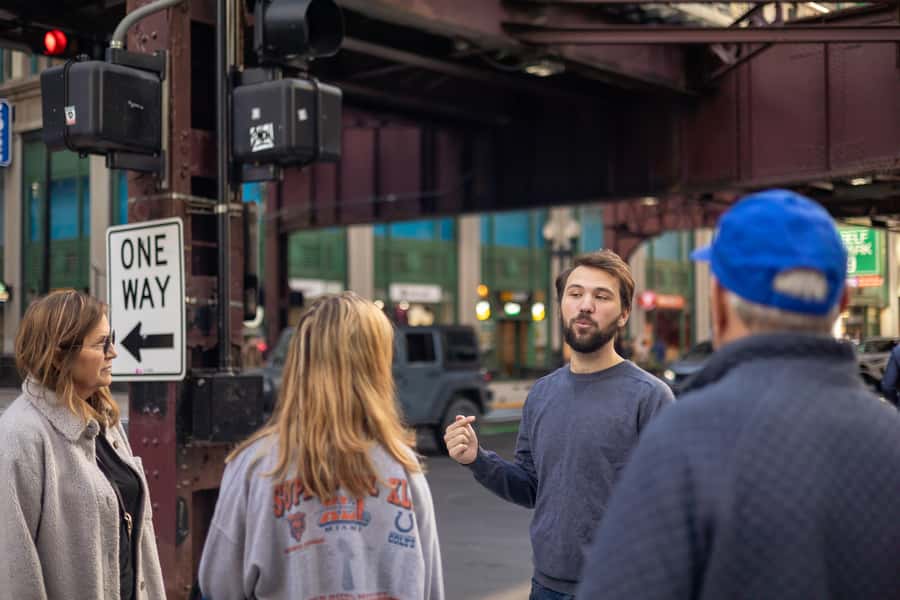
- Local guide energy: led by Chicago locals who are part history buff, part true crime nerd
- Architecture as the map: Beaux Arts, Art Deco, and Modernist styles are built into the story
- Big names and extras: you’ll hear about killers like Gacy and Holmes, plus lesser-known tales
- Devil in the White City vibe: crime-and-architecture storytelling that ties the city together
- Tour can flex with weather: the guide is described as flexible if conditions change
Chicago architecture and true crime: the setup that works
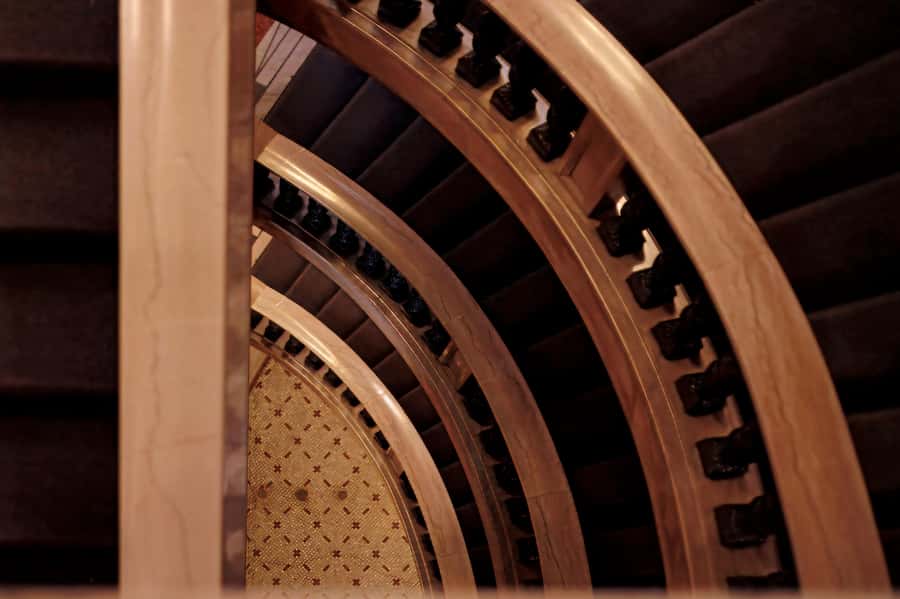
This is not a typical architecture-only walk, and it’s not a crime-only reenactment either. The trick is the blend: you’re learning how Chicago’s buildings look and why they matter, while the guide threads in scandals, corruption, and murder that history left behind.
That pairing makes the city feel more human. Skyscrapers stop being just photos. You start seeing motive, money, and power in the same places you’d normally notice only height and detail. And since the tour is described as Devil in the White City inspired, expect a storytelling tone that links ambition and wrongdoing without turning it into a lecture.
I also like that the tour does not pretend every story is equally famous. Yes, you’ll hear about killers like Gacy and Holmes. But the “lesser known tales too” promise is a big part of the value, because it helps you leave with more than just the headlines.
You can also read our reviews of more tours and experiences in Chicago.


Where the tour starts at Palmer House (and how to spot it)
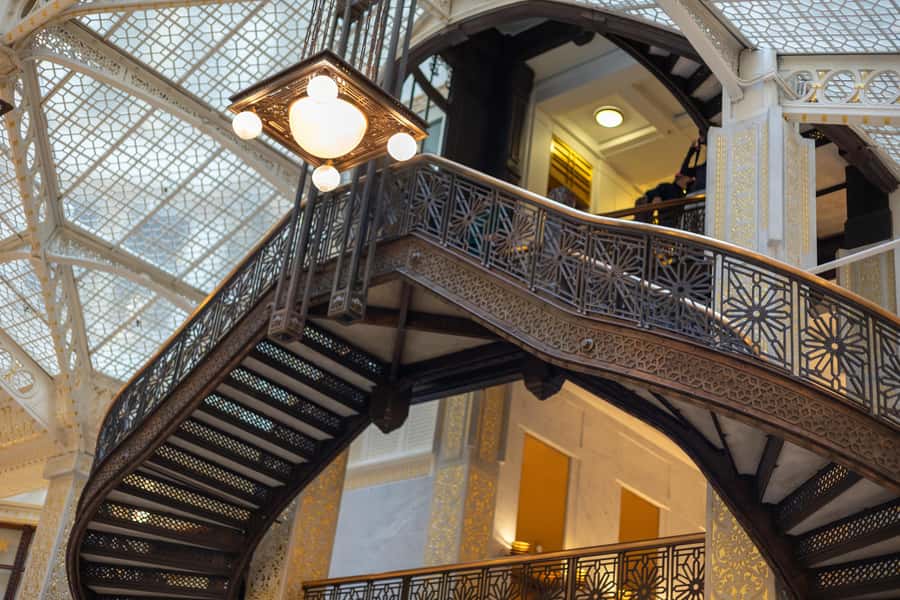
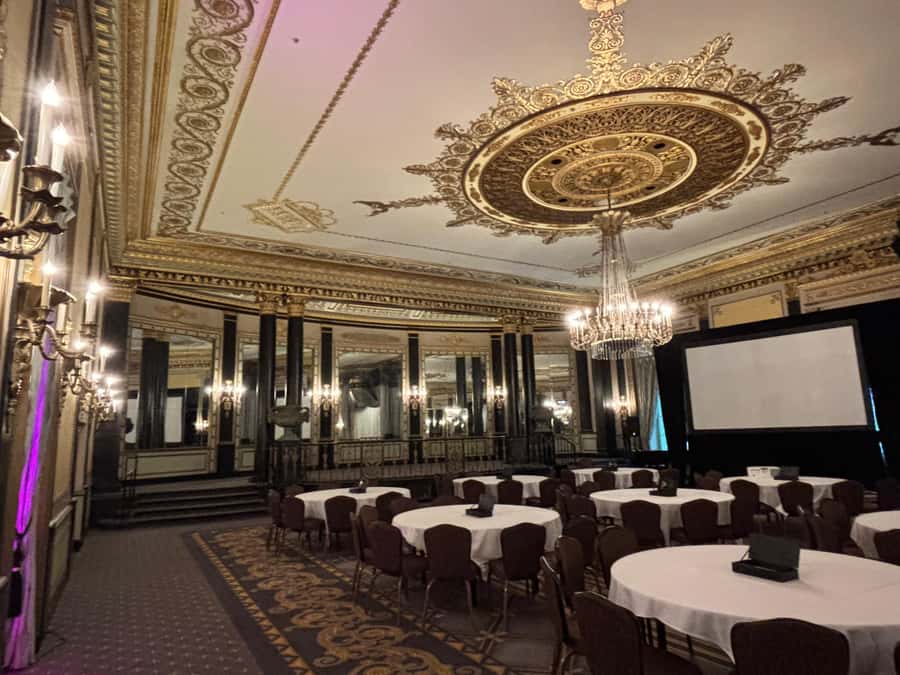
You meet under the Palmer House canopy on the Wabash side, right next to Poké Poké. This matters because the Loop streets can get busy fast, and a clear meeting point saves time and stress.
The canopy gives you a natural way to regroup with your group before you start walking. It’s also a good sign for the tour’s overall vibe: this is centered in the heart of downtown, where you can bounce between architecture styles without long transit detours.
Tip for your first five minutes: take a quick look around the area before the group gathers. If you’ve been staring at skyline pictures online, this is your chance to reset your bearings on the ground.
Beaux Arts elegance meets dark stories in the Loop
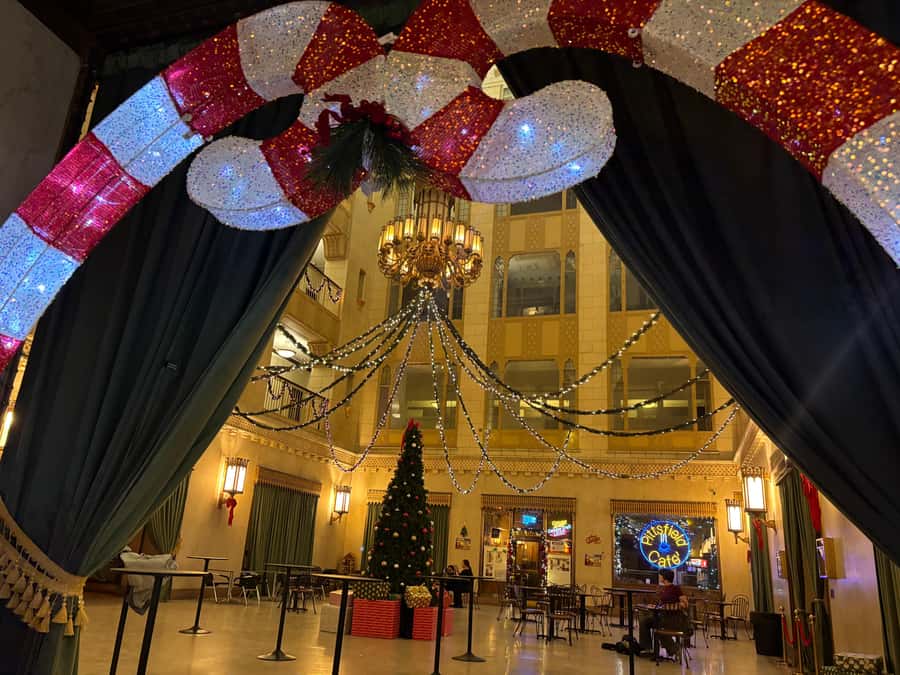
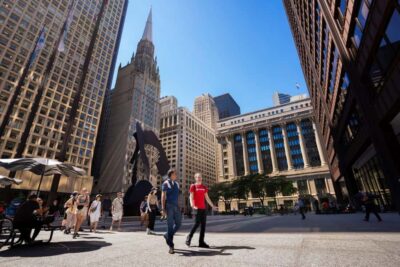
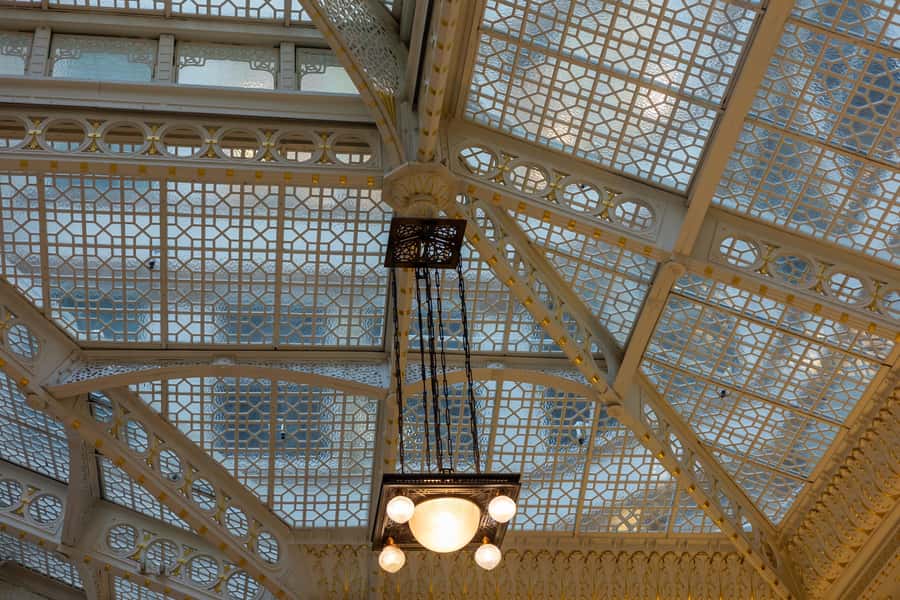
One of the most satisfying parts of the tour is how it uses architecture styles as chapter markers. The description specifically calls out Beaux Arts elegance, bold Art Deco, and sleek Modernist design. In practice, that gives you a simple framework: each time the building language shifts, the story shifts too.
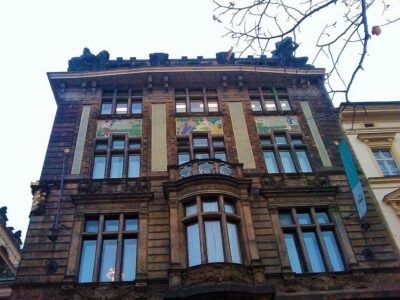
So when the tour leans into Beaux Arts, you’re usually seeing the kind of ornate, grand, turn-of-the-era style that signals wealth and big civic ambitions. That’s a natural setup for crime history, because the guide can connect how money and image mattered—then show what people were willing to hide behind the polish.
What I like about this approach is that it teaches you how to look. Instead of only asking what a building is, you start noticing what it communicates: status, marketing, and power. From there, true crime fits better than you’d think. The stories become commentary on the city, not random shocks inserted for effect.
Art Deco streets and the feeling of sharp angles
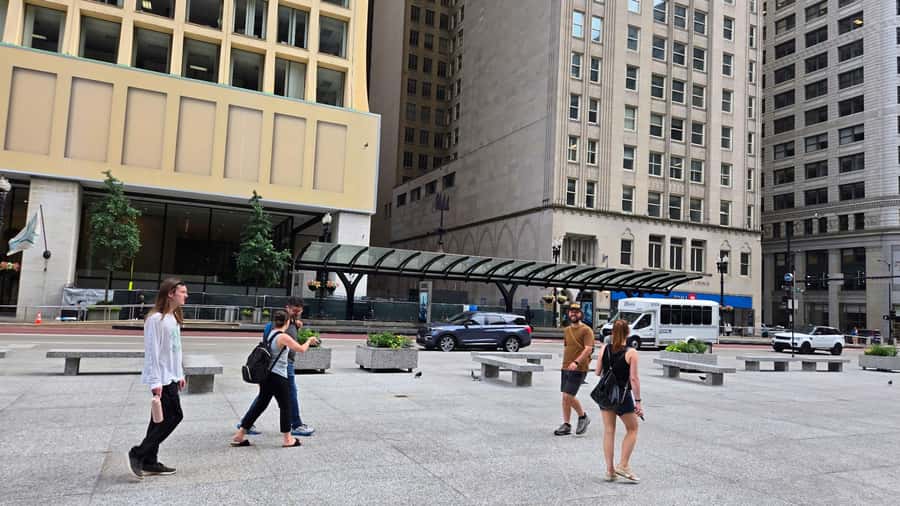
Art Deco is where Chicago can look both glamorous and slightly threatening, depending on how you frame it. The tour leans into that by describing bold Art Deco design as part of the experience, and the guide uses that shift to move you deeper into the darker past.
In a practical sense, Art Deco tends to reward attention. The shapes are often clear. The lines are dramatic. Even when you’re walking quickly, you can catch patterns—vertical emphasis, stylized detailing, and that 1920s-to-1930s confidence in form.
That’s useful for you if you want more than background facts. You end up with a visual checklist in your head: when you see that style language, the guide’s story angle usually tightens too. It keeps the walk from blending together.
And since the tour is described as drawing from Chicago’s corruption, murder, and scandal, Art Deco’s sharp geometry becomes a good metaphor for how the city could be organized, controlled, and exploited.
Modernist Chicago: when the skyline turns into a story clue
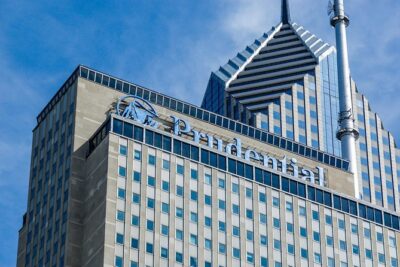
Modernist design is the final big style block mentioned, and it changes the mood. If earlier architecture feels like theater, Modernist often feels like efficiency. You get cleaner lines and a sense of forward motion, even when the city’s past is not pretty.
This is where the tour can feel especially relevant for today’s visitor. You’re looking at the skyline as it exists now, but the guide reminds you that the city’s growth has always been tied to darker human behavior. The “if these buildings could talk” idea in the description is basically telling you to treat the structures like witnesses.
Practical takeaway: you’ll probably start remembering buildings differently. Instead of only remembering landmarks, you’ll remember scenes—ambition, greed, and the long shadows of crime.
That’s also where the lesser-known tales can land well. With a new style backdrop, you’re less likely to tune out, because your brain already expects a new chapter.





The true crime portion: Gacy, Holmes, and what the guide adds
The most famous names in Chicago true crime are mentioned right in the tour description: Gacy and Holmes. That means if you’ve read a couple headlines before your trip, you’ll recognize the anchors.
But the tour’s promise is not limited to just those names. It explicitly says you’ll hear lesser-known tales too. That combination is smart for value. Famous names satisfy curiosity fast. Lesser-known stories add the sense of discovery that makes a tour feel worth the time, not just a recap.
Also, the tone matters. The description frames the stories as hidden in the shadows of iconic buildings. In other words, the guide is not only teaching facts. They’re giving you context—how Chicago’s growth patterns and public image could overlap with wrongdoing.
One more practical point: this is a walk-and-talk format, not a screened documentary. If you want to hear the story clearly, keep your attention on the guide and try not to multitask with your phone. You’ll catch more details when your eyes are up and your ears are open.
Your guide matters: Chicago locals who know how to tell it
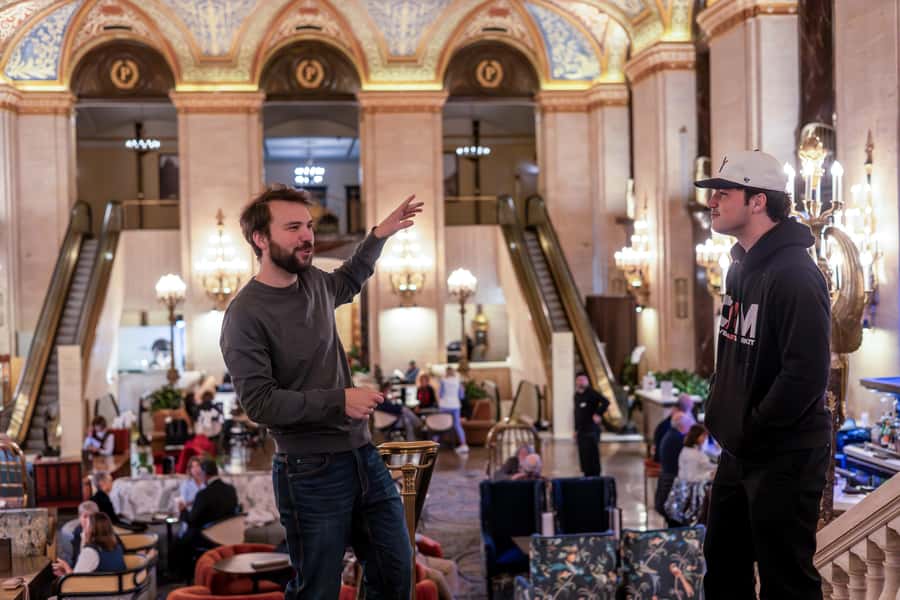
This tour is led by locals who are described as part history buffs and part true crime obsessives. That’s exactly the kind of balance you want, because true crime tours can swing too far into spectacle. History-leaning guides keep you grounded in context, while true crime nerds keep the storytelling sharp.
One review calls out a guide named Joseph as very knowledgeable and personable. Another notes flexibility when thunderstorms interrupted plans, with the guide adjusting the end of the tour. While you cannot count on perfect weather, that flexibility tells you something useful: the tour aims to protect your time and keep the experience flowing.
If you care about tone, this matters. The best guides are good at pacing—knowing when to speed up for a surprising detail, and when to slow down so you actually absorb the connection between crime and city development.
Duration, pace, and who this is best for
The tour runs 1.5 hours, usually available in the morning and afternoon. That length is a sweet spot for two reasons.
First, it’s long enough to cover multiple architectural style zones and build a real story arc. Second, it’s short enough that you’re not stuck doing a long walk if you’re tired or it starts raining.
The description and reviews also point to walking. One guest specifically said the walk was enjoyable and that they learned a lot about Chicago streets and history. So expect a steady stroll where you’re stopping often enough to look closely and listen, but you’re not moving at a crawl either.
Who it fits best:
- If you like architecture but feel bored by purely descriptive tours, this adds a narrative hook.
- If you like true crime but want a city-based angle instead of just case summaries, the building connections make it feel more grounded.
- If you want a “two-in-one” experience without committing to a full day, the 90 minutes makes it manageable.
Price and value: why $35 can be a good deal
The price is $35 per person for 1.5 hours, and the tour includes a live guide (described as a history buff and true crime nerd). For downtown Chicago, that’s not just a low-cost stroll. You’re paying for a trained storyteller who can connect architecture style, city development, and crime history into one thread.
Also, the tour is positioned as equal parts thrilling and informative. That matters for value because you’re not just paying for facts. You’re paying for interpretation—turning what you’d otherwise see in passing into something you remember.
One more value point: there’s no hotel pickup or drop-off. That might sound like a negative on paper, but it’s also common for good walking tours. You can still save time by starting your day at a known central meeting point, which is exactly what the Palmer House location provides.
If you’re deciding between a standard architecture tour and a true crime-heavy option, this sits in the middle. You get skyline detail plus a darker narrative, which is a strong fit if you like variety.
What to expect at each moment of the walk
The tour’s structure is essentially style-first, story-second, with each shift in architecture acting like a beat change.
- At the start, you get oriented fast around the Loop setting near Palmer House, and the guide sets the tone with the idea that buildings hold secrets.
- As the route moves into Beaux Arts, you get ornate detail paired with the city’s power dynamics—how public image and private behavior could collide.
- When you shift into Art Deco, the guide tightens the story pace and leans into sharper, more dramatic themes connected to Chicago’s darker past.
- Toward the end with Modernist design, the mood often feels more future-facing while the stories keep emphasizing corruption, scandal, and murder.
- Along the way, the guide mixes major names like Gacy and Holmes with lesser-known tales so the walk stays surprising instead of repetitive.
What you’ll likely feel by the end: your mental map of downtown gets thicker. You’re no longer just remembering buildings. You’re remembering chapters.
Practical tips: staying comfortable without dulling the experience
Since it’s a walking tour, wear shoes you can handle for 90 minutes. Even if you are not walking far, you’re moving steadily and stopping for short listening moments.
It’s also smart to bring water, especially in warmer months, because the tour description doesn’t mention any breaks or indoor segments.
Finally, mentally prep for the topic. This is true crime, and it includes serial killer history. If you like the idea but worry about how it will feel, consider going earlier in the day when you still have energy to focus.
And if weather turns, keep an open mind. One review specifically mentioned the guide adapting when thunderstorms showed up, so expect flexibility rather than strict rigidity.
Should you book this Chicago Architecture and True Crime tour?
I’d book it if you want a downtown experience that’s more than sightseeing photos. The pairing of Chicago architecture (Beaux Arts, Art Deco, Modernist) with true crime stories like Gacy and Holmes makes the city feel like a real place with real consequences, not a set of buildings frozen in time.
I would skip it if you hate true crime content or you get uncomfortable with murder-centered stories. I’d also think twice if you want a purely academic architecture lecture. This tour is story-led. Facts matter, but the guide’s job is to make the city’s dark past stick to the skyline.
If you’re the type who enjoys walking tours, likes local guides, and wants a 90-minute plan that feels different from the usual, this is an easy yes.
FAQ
How long is the tour?
The tour lasts 1.5 hours.
How much does it cost?
The price is $35 per person.
Where do we meet for the tour?
You meet under the Palmer House canopy on the Wabash side, right next to Poké Poké.
Is hotel pickup or drop-off included?
No. Hotel pickup or drop-off is not included.
What language is the tour in?
The tour guide provides the tour in English.
What kinds of stories will we hear?
You’ll hear true crime stories tied to Chicago, including famous names like Gacy and Holmes, as well as lesser-known tales.
What’s the tour style and inspiration?
The tour is inspired by Devil in the White City and blends architecture with Chicago’s darker history, including corruption, murder, and scandal.
What are the cancellation terms?
There is free cancellation, with cancellation allowed up to 24 hours in advance for a full refund.