REVIEW · PARIS
Bastille’s Architecture & Artisans Self-Guided Walking Tour
Book on Viator →Operated by Vidi Guides · Bookable on Viator
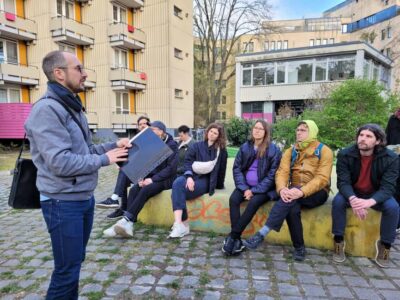
Bastille feels like another Paris. This self-guided audio tour lets you explore the Bastille neighborhood at your pace, with a local historian’s narration as you move from square to street to market. I like that it gives you context for what you’re actually seeing, not just names on a map.
Two things I also really appreciate: the GPS map keeps you oriented even if you’re moving at a slow, sightseeing rhythm, and you can pause, linger, or wrap early without worrying about a group schedule. One possible drawback to watch for: you’ll need to sort out the start point and your audio access ahead of time, because missing the download link or not having earphones can kill the experience.
In This Review
- Key things to know before you go
- Bastille on foot: the smart way to see a neighborhood shortcut
- Price and value: what $17.88 buys you in real-world time
- Navigation and gear: how to avoid the most common frustration
- Stop 1: Place de la Bastille and the story behind the square
- Stop 2: Rue du Faubourg Saint-Antoine and the artisan link
- Stop 3: Passage du Chantier and old architecture you can actually see
- Stop 4: Fontaine de Charonne and the feel of continuity
- Stop 5: Square Trousseau, a green pause with a sense of place
- Stop 6: Bastille Market (Market d’Aligre/Beauvau) for real local texture
- Stop 7: Coulée Verte René-Dumont to close on a calm note
- Timing, group size, and when to schedule it
- Who this tour suits best (and who might want a different plan)
- Final call: should you book this Bastille self-guided audio walk?
- FAQ
- How long is the Bastille Architecture & Artisans self-guided walking tour?
- Is this tour self-guided?
- What language is the audio guide?
- Can I use the tour without Wi-Fi?
- Do I need to bring earphones?
- What device do I need?
- Where does the tour start and end?
- Are there any paid admissions at the stops?
- What is the maximum group size?
- What is the cancellation policy?
- Is it near public transportation?
Key things to know before you go
- 45 minutes to 1 hour keeps this tour realistic, even on a busy Paris day
- English audio by a local historian adds context as you walk
- Offline mode lets you download in advance and listen without Wi‑Fi
- GPS, location-aware mapping reduces the chance you’ll get turned around
- Seven stops connect revolution-era squares, artisan streets, a market, and a green walkway
- Market time is longer (about 10 minutes) so you can actually taste the neighborhood vibe
Bastille on foot: the smart way to see a neighborhood shortcut
If you’re the type who loves Paris, but also likes not cramming everything into one day, this is a strong match. The route stays tight and readable: you start at Place de la Bastille, then work your way through artisanal streets, small architectural details, a local fountain, a leafy square, and finally end by the Coulée Verte René-Dumont.
What makes it feel different from the usual Paris checklist is the theme: artisanship and architecture tied to the neighborhood’s revolutionary story. You’re not just walking past buildings—you’re hearing why these places mattered and how the area evolved.
The “short and practical” format is the big win. You get a guided-style experience without paying for a full guided tour day. And because it’s self-guided, you can slow down at the stops that catch your eye and skip the parts that don’t.
You can also read our reviews of more tours and experiences in Paris.



Price and value: what $17.88 buys you in real-world time
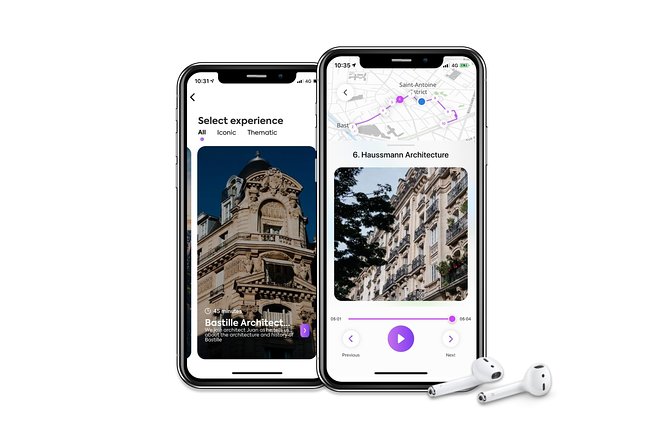
At $17.88 per person for about 45 minutes to 1 hour, this is priced like a budget-friendly add-on that still delivers narrative value. You’re paying mainly for the audio experience: an English recording made for this walk, with navigation support that helps you arrive at each spot without guessing.
Here’s how to think about value in practical terms:
- If you already know where Place de la Bastille is, you’re mostly buying the context and the stop-by-stop guidance.
- If you like walking but hate losing time reading your phone while you’re outside, the GPS + audio combo is exactly the kind of setup that prevents wasted minutes.
- If you’re planning to use offline mode (recommended), you’re also reducing your dependence on spotty Wi‑Fi and roaming charges.
Bottom line: it’s a good deal if you’ll actually listen to the audio and use the map. If you plan to click around and not press play, you’ll probably feel like the price is too high for what it offers.
Navigation and gear: how to avoid the most common frustration
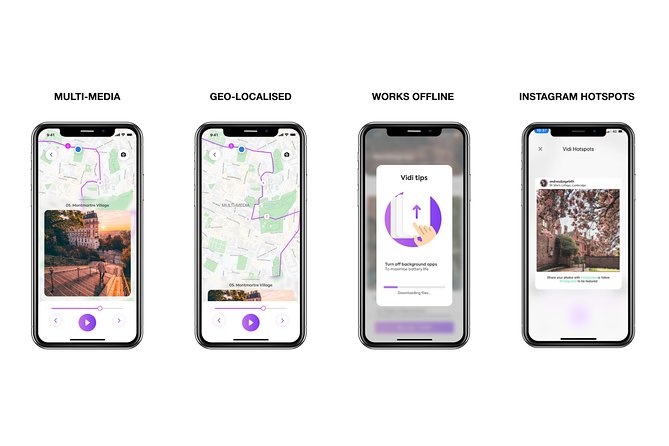
This is a mobile ticket self-guided tour through Vidi Guides. The audio is available in English, and you can download the tour for offline use ahead of time.
Two small gear realities matter a lot:
- Earphones aren’t included, so bring yours or plan to buy some locally.
- You’ll need a mobile device since the ticket and audio live on your phone.
The GPS is one of the strengths. It’s location-aware, so the app helps you follow the route without getting lost between stops. It also includes Instagram hotspot suggestions, which can be fun if you like taking photos, even briefly.
One more tip from the kinds of snags people run into with self-guided audio: check your inbox soon after booking so you’re not scrambling to find the access code at the last minute. If the download links don’t reach you when you expect, you can end up with a dead app on your walking day.
Stop 1: Place de la Bastille and the story behind the square
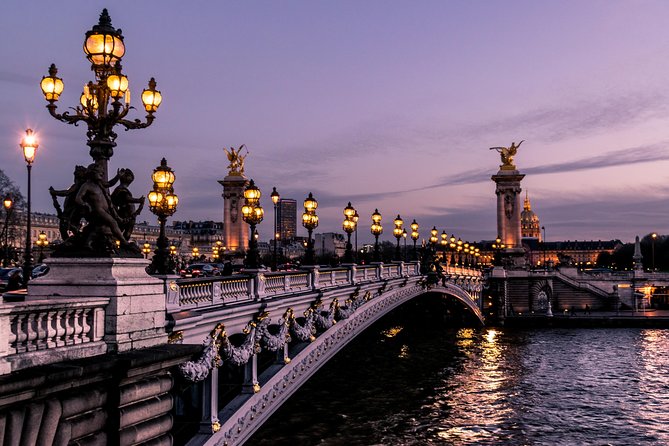
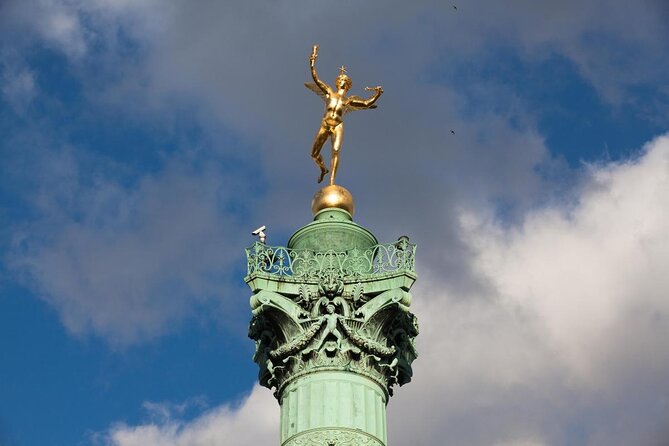
You begin at Place de la Bastille, one of those Paris squares where the geography matters. Even if you’ve passed it before, this stop works best when you slow down for the first audio segment. The narration frames the place as the starting point for the historic French Revolution story, giving you a reason to look past the modern look and focus on what the area symbolized.
Practical tip: stand where you can see multiple lines of street connections. Squares like this make more sense when you understand how people moved in and out.
If you’re the type who loves historical context but gets bored with long explanations, this opener is paced like a walk-through, not a lecture. It’s short (about 5 minutes), which is perfect for getting oriented fast.
Stop 2: Rue du Faubourg Saint-Antoine and the artisan link
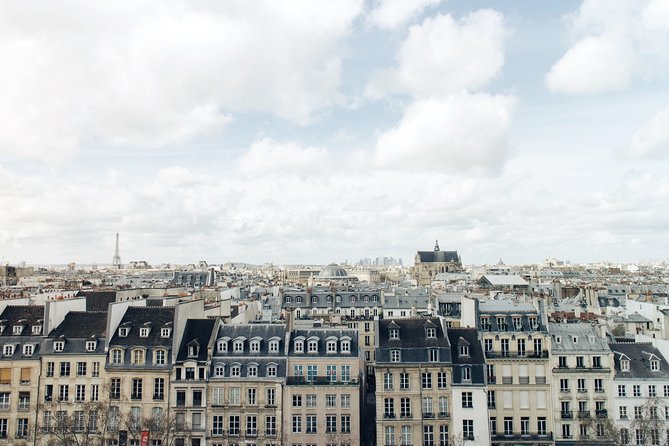
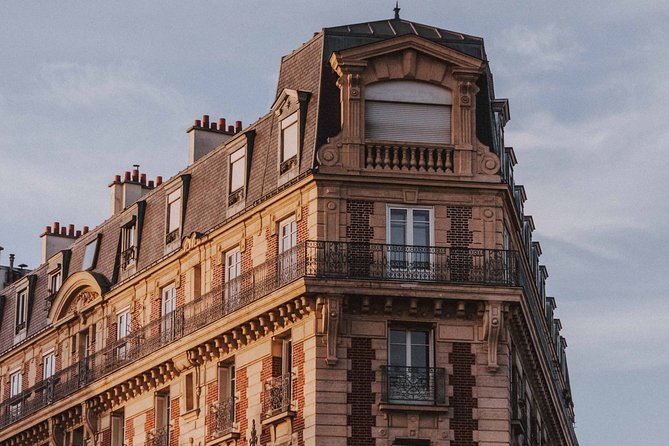
Next comes Rue du Faubourg Saint-Antoine, where the tour shifts from big revolutionary symbolism to something more human: artisan roots. This is the kind of street where the architecture and the trades vibe feel connected, and the audio aims to show how that neighborhood culture fed the revolutionary energy.
Why this stop is worth your attention: Paris has plenty of grand monuments, but this is about the everyday engine of the city—work, craft, and the street life that supported communities. Listening while you walk helps you notice details you might otherwise ignore, like how the street functions and how buildings face the public.
It’s another short stop (about 5 minutes), but it’s positioned early enough that you still have the route fresh in your head.



Stop 3: Passage du Chantier and old architecture you can actually see
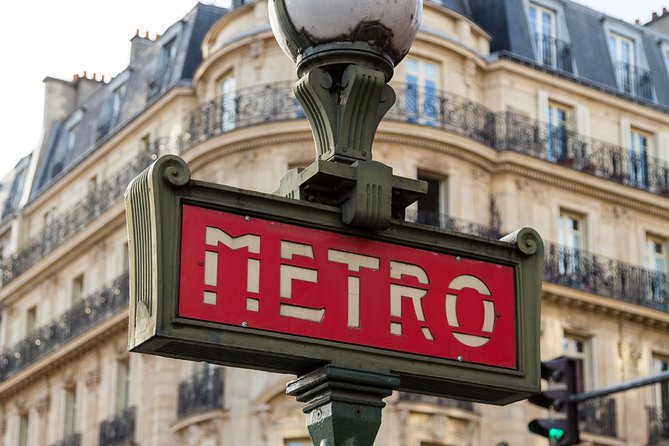
At Passage du Chantier, the audio turns the volume down from big-picture revolution and turns it toward architecture. You’ll hear about the architectural style of the Faubourg Saint-Antoine area and why it still matters.
A “passage” like this is easy to miss if you rush. Take a moment here. The point isn’t just to photograph it—it’s to recognize that Paris has layers: corridors, hidden routes, and built forms that shape how people experience a neighborhood.
This stop is also about 5 minutes, so treat it like a quick guided survey. If you love architectural details, you can always linger after the audio ends.
Stop 4: Fontaine de Charonne and the feel of continuity
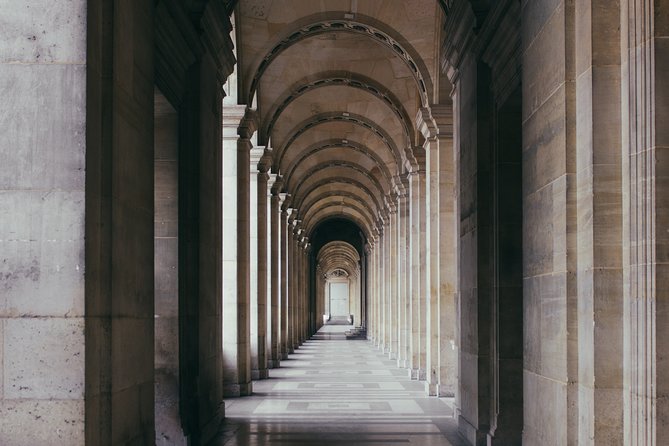
Then you reach Fontaine de Charonne. The focus here is on how the historic fountain remains part of the present-day streetscape—less about spectacle, more about preservation and everyday beauty.
When I want to understand a neighborhood beyond its headline attractions, I like stops like this. A fountain is small enough to notice and specific enough to create a memory. Plus, it’s a nice change of pace from the heavier historical squares and major streets.
This segment is about 5 minutes. If you’re traveling with someone who’s less into history, fountains tend to land well because they’re visually straightforward and easy to appreciate on the spot.
Stop 5: Square Trousseau, a green pause with a sense of place
After the fountain, you get a breather at Square Trousseau. The audio invites you to look at this green space not just as a random patch of trees, but as a meaningful part of the neighborhood’s story.
This stop works especially well if you’ve been walking hard earlier in the day. Paris squares and small gardens are often where you get your bearings again—sound changes, foot traffic shifts, and you can reset without leaving the route.
It’s about 5 minutes, so don’t expect a long hangout. But it’s enough time to sit, catch your breath, and let the audio’s historical framing sink in a little.
Stop 6: Bastille Market (Market d’Aligre/Beauvau) for real local texture
The route’s longest stop is the Bastille Market, labeled with Market d’Aligre/Beauvau. This is where the tour becomes more than architecture and history. The audio encourages you to experience the atmosphere—brocantes (street-style secondhand goods), local food choices, and the day-to-day energy of the market area.
Think of this as your payoff stop. The earlier segments give you context; this one gives you texture. Even if you don’t buy much, just watching how people browse and snack tells you a lot about the neighborhood.
It’s about 10 minutes, which is the right amount of time for:
- grabbing a quick bite,
- scanning for a small keepsake,
- or just people-watching while you keep the audio in the background.
If you want to extend your visit, the self-guided style helps. You’re not forced to move on exactly when the audio ends.
Stop 7: Coulée Verte René-Dumont to close on a calm note
Finally, you end at Coulée Verte René-Dumont, a green line that turns the walk toward a slower, more scenic finish. The audio wraps with a reminder of the space’s past and its poetic present.
This ending matters because it changes the emotional tone of your route. Earlier you’re in streets shaped by industry and history. Here you get a gentler transition—more strolling energy, less timeline energy.
This stop is listed as about 5 minutes, and it’s also a good place to take one last look before you continue on with your day.
Timing, group size, and when to schedule it
The whole tour is designed for short walking blocks, totaling about 45 minutes to 1 hour. That makes it an easy fit for:
- a half-day exploring session in the 12th arrondissement area,
- a break between major sightseeing stops,
- or an evening walk when you want something calmer but still meaningful.
The tour is available from 7:00 AM to 10:00 PM. So you can choose a time that matches your energy level—morning for calmer strolling, later for more street life around the market area.
Even though it’s self-guided, there’s a stated maximum group size of 10 travelers, which usually means the platform is meant to be used in an organized, contained way.
Who this tour suits best (and who might want a different plan)
This tour is a great fit if:
- you like walking and prefer a flexible pace,
- you want local historian context while you see the neighborhood,
- you don’t want to hunt for your own route details (the GPS helps),
- and you’re happy to bring your own earphones.
It may be less ideal if:
- you’re worried about figuring out audio downloads right before you go,
- you dislike any phone-based experience,
- or you want a long, deep, step-by-step guided narration that fills a half-day.
If you’re traveling with kids, it can still work because the stops are short and the market gives a natural interest anchor. Just plan on using breaks to keep everyone moving comfortably.
Final call: should you book this Bastille self-guided audio walk?
I’d book it if you want an easy, budget-friendly way to get meaning out of Bastille. The strongest reasons are the English audio from a local historian, the GPS map that helps you stay on track, and the way the route moves from revolution context to artisan streets, then into a real neighborhood market moment.
I’d think twice if you’re likely to show up without earphones, or if you tend to ignore app access steps. The experience lives and dies by whether you can start the audio and follow the map smoothly.
If you’re prepared—download for offline use, bring earphones, and have your phone ready—this is the kind of Paris walk that makes a neighborhood feel understandable in under an hour.
FAQ
How long is the Bastille Architecture & Artisans self-guided walking tour?
It takes about 45 minutes to 1 hour.
Is this tour self-guided?
Yes. You use an audio guide and follow the route at your own pace.
What language is the audio guide?
The tour is offered in English.
Can I use the tour without Wi-Fi?
Yes. There is an offline mode that lets you download tours in advance.
Do I need to bring earphones?
Yes. Earphones are not included.
What device do I need?
A mobile device is required, since the tour uses a mobile ticket and the app for the audio.
Where does the tour start and end?
It starts at Place de la Bastille and ends at Coulée Verte René-Dumont (75012 Paris).
Are there any paid admissions at the stops?
The listed stops each show admission free.
What is the maximum group size?
The maximum is 10 travelers.
What is the cancellation policy?
You can cancel for a full refund up to 24 hours in advance.
Is it near public transportation?
Yes, it’s listed as near public transportation, and service animals are allowed.