REVIEW · ALESUND
Small Group Tour in Ålesund: Art Nouveau, Sea Views & Insider Tips
Book on GetYourGuide →Operated by Lukas Klein Media · Bookable on GetYourGuide
Art Nouveau starts at sea level. In Ålesund, this 2-hour, small-group tour uses the waterfront as your map, then carries you straight into the city’s famous Art Nouveau story. I really like how the guide turns buildings into context, not just facts. I also like that you get time for questions and real local recommendations, not a rushed checklist.
One thing to keep in mind: it’s still a walking tour with short climbs, stairs, and uneven surfaces. If your mobility is limited, or if you prefer minimal hills, you may want to choose something flatter.
In This Review
- Key Highlights That Matter
- A Relaxed Ålesund Walk That Starts by the Sea
- Why 1904 Matters: Art Nouveau in Its True Context
- Fiskergutten to Apotekertorget: Reading the City from Ground Level
- Ålesundregionens Havnevesen and Harbor Life: From Fish to Megaprojects
- Kongens gate and Museums-parken: Ornate Details and Photo-Ready Stops
- Grimmerhaugen Views Without the Aksla Stair Drama
- Small Group Pace: Why the Conversation Part Feels Worth It
- Price and Value: What $61 Really Buys in Ålesund
- Cruise-Day Practicalities: Starting Near the Port, Ending Near Your Ship
- Who Should Book This Tour, and Who Might Skip It
- Should You Book This Ålesund Small-Group Tour?
- FAQ
- Where does the tour meet?
- How long is the tour?
- What languages are offered?
- What should I bring and wear?
- Is the tour suitable for people with mobility impairments or wheelchair users?
- Are video or audio recordings allowed?
Key Highlights That Matter
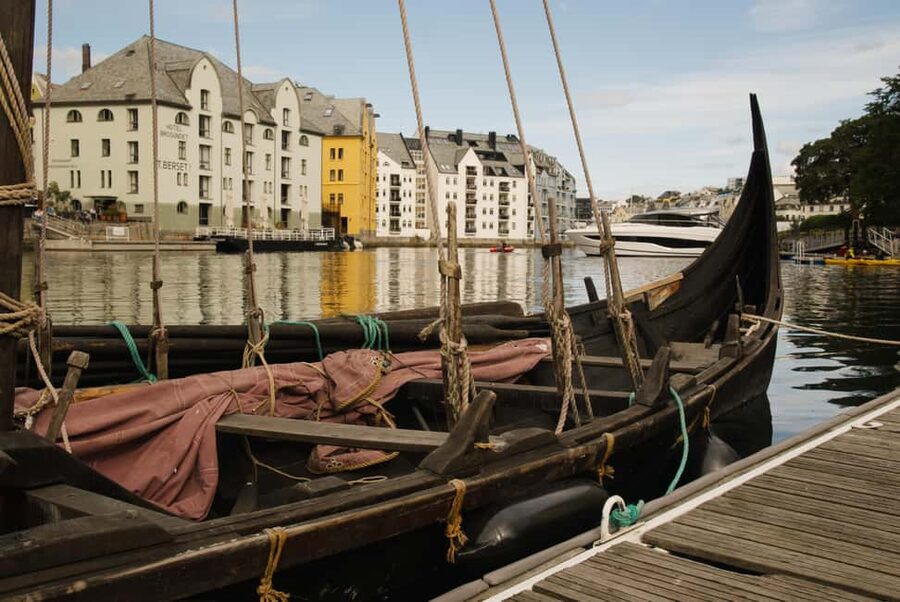
- Fiskergutten meeting point: Right by the bridge and across from the Art Nouveau center, so you get your bearings fast.
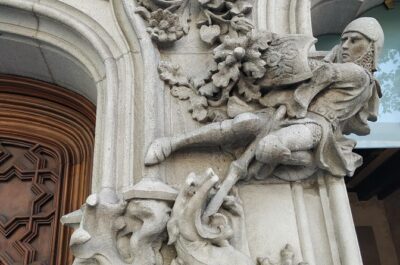
- Art Nouveau focus on Kongens gate: The highest density of ornate facades, turrets, and symbolic details along King’s Street.
- Harbor stories connect past to present: Salted, dried fish trade up to tunnels under the sea and floating bridges.
- Grimmerhaugen viewpoints without the Aksla grind: Great harbor views with far fewer steps than 418-step Aksla.
- Small-group pace for conversation: Your guide actively invites questions and adapts to what you care about.
- Free digital brochure for later: Useful tips for cafés, restaurants, and small shops you might not find on your own.
A Relaxed Ålesund Walk That Starts by the Sea
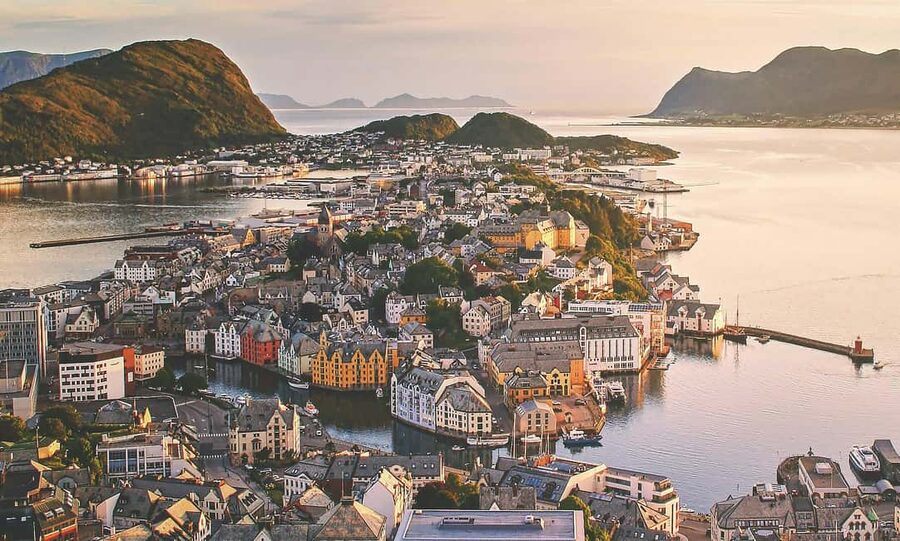
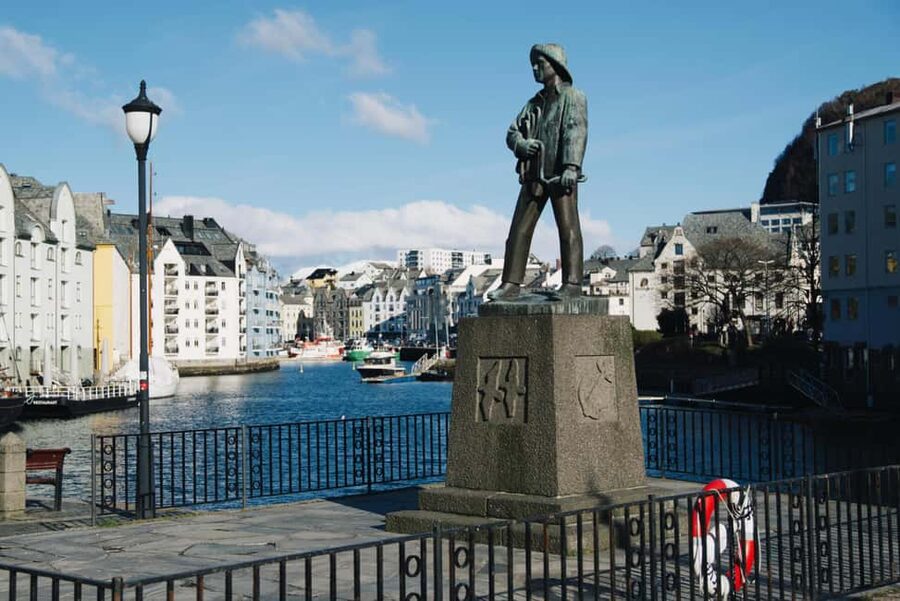
Ålesund is the kind of city where the harbor isn’t scenery. It’s part of daily life. This tour begins at the statue of the fisher boy, Fiskergutten, right in the heart of town near the Art Nouveau center. You’re starting with the city’s core identity: fishing, work, and the sea.
Because it’s an exclusive small group, the experience stays calm. You won’t be squeezed into the kind of crowd where questions die on the spot. I like that the guide sets a discussion-friendly tone early, then keeps it going as you move through the streets and waterfront.
The vibe is relaxed, but don’t mistake that for flat. You’ll do some stairs and short climbs. The good news is that the route is designed for a cruise-friendly finish, not an all-day hike.
You can also read our reviews of more tours and experiences in Alesund.
Why 1904 Matters: Art Nouveau in Its True Context
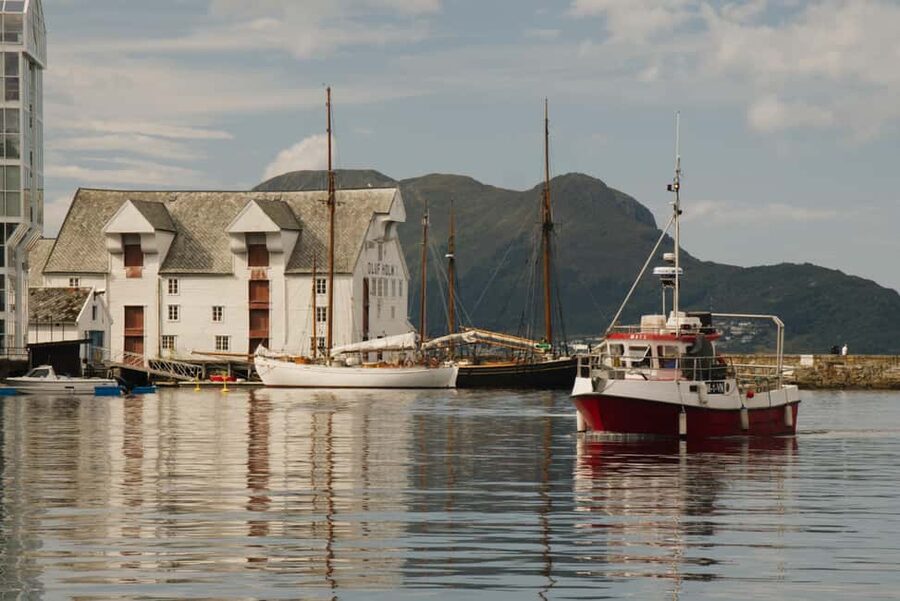
Ålesund’s Art Nouveau didn’t arrive as a random style trend. It followed disaster. After the major city fire in 1904, the rebuilding years produced one of Europe’s most distinctive Art Nouveau cityscapes.
The guide’s best move is to explain the architecture as a response to the moment. You start seeing the details as practical choices and civic pride, not just decoration. That makes it easier to notice turrets, ornamentation, and street-level symbolism as you walk.
You’ll spend special attention on Kongens gate (King’s Street), known for the highest density of ornate facades, turrets, and symbolic ornaments. If you’ve seen Art Nouveau elsewhere, the tour also helps you connect the local version to broader European patterns. That comparison makes the whole neighborhood feel less like a photo stop and more like a living design statement.
Fiskergutten to Apotekertorget: Reading the City from Ground Level
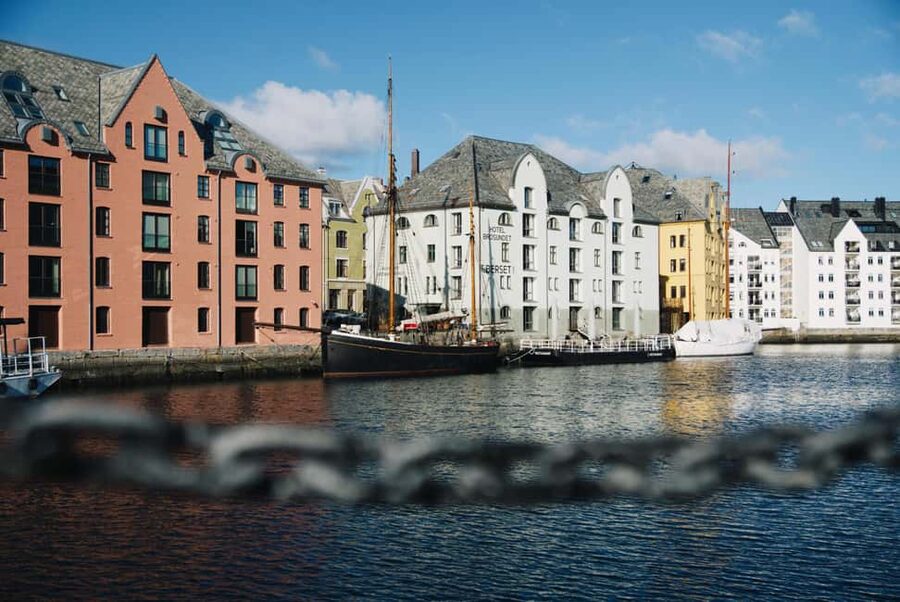
The first stretch is all about orientation. You begin at Fiskergutten, then head toward Apotekertorget, a key city square that helps you understand how the town organizes itself around sea-linked life. From there, you start picking up the stories the guide uses throughout: trade, labor, and the way modern infrastructure now supports the same coastal rhythm.
At this point, you’ll feel the difference between a quick walking tour and one that actually teaches you how to see. The guide ties street layout and building choices to Ålesund’s economy and geography. You end up with a mental picture of the city, not just a list of sights.
Practical note: wear comfortable shoes. Early on, you’re setting your pace for the rest of the walk, and you’ll want your feet to feel good for photo stops later.
Ålesundregionens Havnevesen and Harbor Life: From Fish to Megaprojects
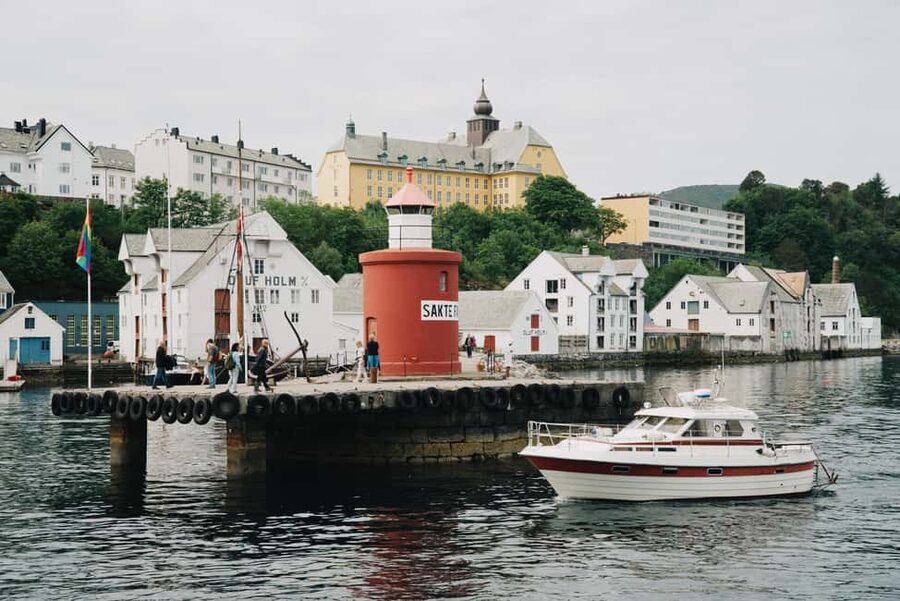
One of the tour’s strongest strengths is how it links old harbor life with modern engineering. Along the waterfront, the guide talks about the salted, dried fish trade and the harbor’s role as the working heart of town. Then the story keeps rolling forward into Norway’s modern infrastructure: tunnels under the sea, floating bridges, and bold visions.
This is where the experience gets especially interesting if you like how countries manage big change. Ålesund isn’t only preserving a look. It’s also connecting islands and communities with infrastructure. The guide’s style is conversational, and it’s easy to ask questions as you go.
If you’ve ever wondered how coastal towns keep functioning while the world changes around them, this is a good place to get that answer. The harbor stops make Norway’s progress feel tangible, not abstract.
Kongens gate and Museums-parken: Ornate Details and Photo-Ready Stops
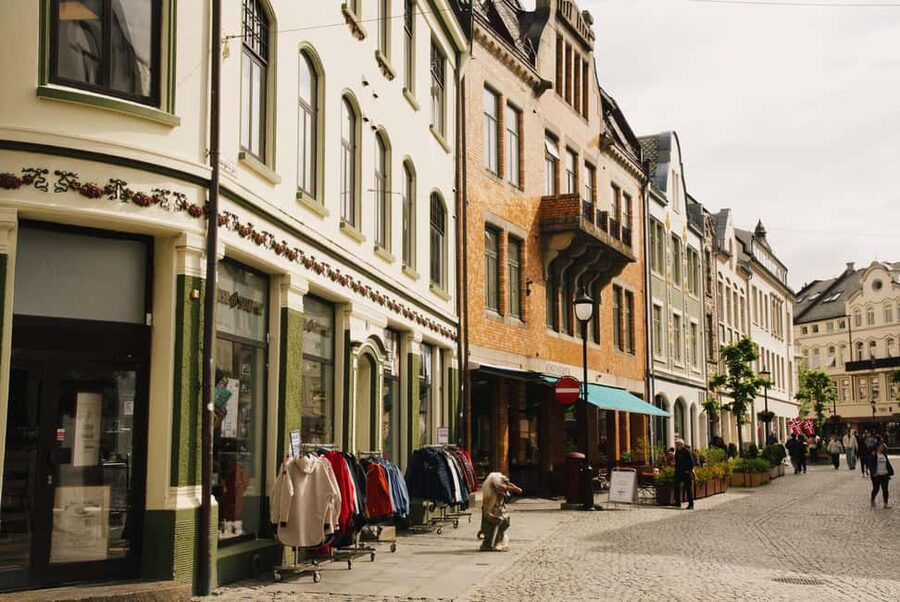
Kongens gate is the architectural centerpiece, and the guide doesn’t treat it like a quick pass-through. You’ll focus on the ornate facades, turrets, and symbolic ornaments that create that dense Art Nouveau city look. The street-level detail matters here. You’ll likely find yourself slowing down just to read what’s on the buildings.
Then you head toward Museums-parken, where the tour includes a photo stop. This is useful even if you don’t consider yourself a photographer. It gives you a chance to frame the city and mountains with the right angle, so your memory later matches what you actually saw.
A small bonus: the guide often shares ideas for where to explore next on your own. So even the photo moments can turn into a “what should we do after this?” list.
Grimmerhaugen Views Without the Aksla Stair Drama
The tour ends at Grimmerhaugen, a viewpoint that gives you a strong view over the harbor and the city. What I like is the trade-off: you get the payoff without the punishing stair count of Aksla, famous for its 418 steps.
This is also where the tour naturally slows down. The guide creates room for questions and discussion, and it’s a good moment to ask things like where to eat, what neighborhoods to wander later, and what’s worth your time if you only have a few hours more.
If you’re on a cruise day, finishing with a viewpoint also helps mentally. You’ve built up the story city by city, then you get to see how all the pieces fit together from above.
Small Group Pace: Why the Conversation Part Feels Worth It
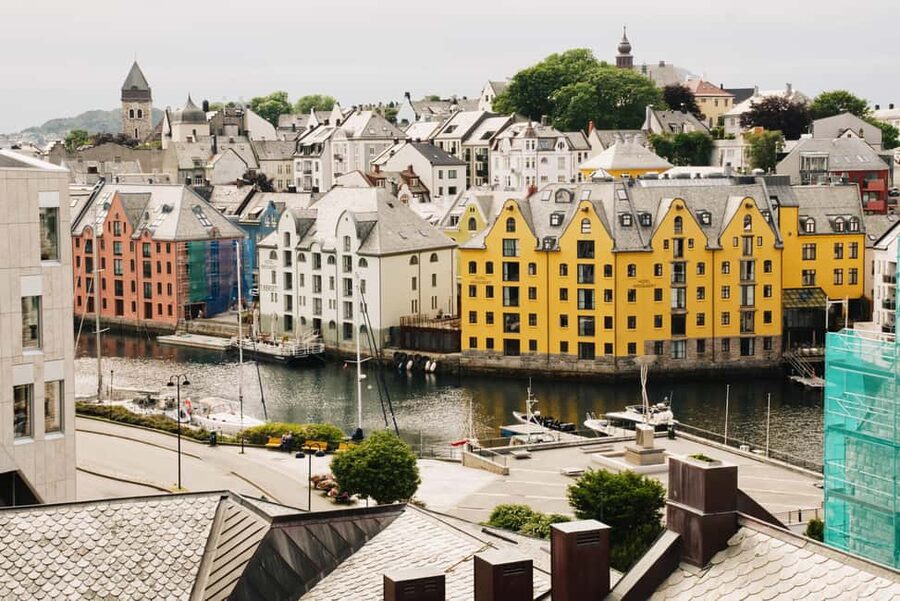
At 2 hours, the tour has to be efficient. But the guide still leaves space for real talk. The structure isn’t just about covering stops. It’s about making sure the architecture, harbor history, and modern infrastructure stories land in a way that makes sense to you.
That’s why questions work here. People consistently get answers with extra context, and you’re encouraged to ask what you’re curious about. In particular, the guide’s comfort with broader topics shines, including economics and the oil & gas story—topics that can sound dry in a museum, but get grounded when paired with coastal infrastructure and everyday life.
Also, since this tour is built for a relaxed group, it doesn’t feel like you’re being marched. The pacing helps you notice details you’d otherwise miss while rushing between postcards.
Price and Value: What $61 Really Buys in Ålesund
$61 for a 2-hour guided walk might sound like a lot at first. But it’s closer to a practical purchase than a souvenir. You’re paying for context, pacing, and a local guide who connects the dots between sea life, rebuilding history, and Art Nouveau design choices.
You also get extras that make the value feel more complete:
- A free digital brochure you can use after the walk
- Direct tips for restaurants, cafés, and small shops that are more local than touristy
- A route that starts near the cruise port area, so you’re not spending half your day on logistics
If you’re short on time in Ålesund, this kind of guided “see more, understand more” format is often the best use of limited hours. You’re not just collecting photos; you’re collecting reasons.
Cruise-Day Practicalities: Starting Near the Port, Ending Near Your Ship
This is one of the more cruise-friendly walking tours in Ålesund. The start and finish are in the immediate vicinity of the cruise port, with only a short walk—about 5 to 10 minutes—to reach the meeting point.
The timing is built around typical ship layover windows. The details matter: from the end point, you can reach your ship by 12:15 PM or 3:45 PM at the latest (depending on your tour schedule). That gives you a real buffer to grab lunch, do a quick self-guided stroll, or shop without stress.
Weather matters here. Ålesund can be dramatic—wind and damp happen. Bring weather-appropriate clothing and plan on a comfortable walking layer. Also, if your day is tight, do your own planning early so you’re not deciding restaurants while your legs are asking questions.
Who Should Book This Tour, and Who Might Skip It
This tour fits best if you want:
- A true feel for Ålesund—sea life, rebuilding history, and how modern infrastructure shows up in daily reality
- Art Nouveau that’s explained in context, especially the dense details around King’s Street
- A small-group experience where questions are welcome and the pace stays calm
It may not fit you if:
- You have mobility impairments or use a wheelchair
- You struggle with stairs and uneven surfaces
- You’re traveling with children under 10 (the tour isn’t suitable for them)
- Low fitness is a concern
If you’re comfortable walking for 2 hours with short climbs, you’ll likely enjoy the mix of architecture and viewpoints without overcommitting.
Should You Book This Ålesund Small-Group Tour?
I’d book it if you want the most meaning out of limited time. The combination of Art Nouveau focus, harbor history that connects past to present, and viewpoint payoff at Grimmerhaugen makes the experience feel efficient without feeling rushed.
Two final reasons to lean yes:
- The guide’s approach is built for discussion, and that makes the city feel more alive.
- You leave with practical tips plus a free digital brochure, so your self-guided time afterward gets better.
If you’re avoiding hills or don’t handle uneven pavement well, then look for a flatter alternative. Otherwise, this is a smart, high-value way to understand Ålesund in a couple of hours.
FAQ
Where does the tour meet?
You meet at the big statue of the fisher boy (Fiskergutten) next to the bridge, across from the Art Nouveau center.
How long is the tour?
The tour lasts 2 hours.
What languages are offered?
The live tour guide offers German and English.
What should I bring and wear?
Wear comfortable shoes and bring weather-appropriate clothing.
Is the tour suitable for people with mobility impairments or wheelchair users?
No. It is not suitable for people with mobility impairments, wheelchair users, or people with low level of fitness. The route includes short climbs, stairs, and passages with uneven surfaces.
Are video or audio recordings allowed?
No. Video recording and audio recording are not allowed.