REVIEW · SAN FRANCISCO
Downtown San Francisco Architecture & Public Art Tour
Book on Viator →Operated by igniTours · Bookable on Viator
SF buildings tell stories fast. This tour links downtown architecture with public art, then finishes at SFMOMA so you can keep going if you want. You can choose a morning or afternoon start, and the pace stays relaxed enough to ask questions without feeling rushed.
What I love most is the way the guide, Jamie, explains buildings like they are readable. You get clear talk on styles, time periods, who owns key properties now, what they’re used for today, and who designed them—plus answers that flow as you ask. The second win is the feel of a small group (max 15 people), which keeps the tour conversational and makes it easier to notice details you’d otherwise speed past.
One consideration: the museum part is optional, and SFMOMA admission is not included. If you only want the guided walk and no extra ticket cost, plan your finish at the museum entry accordingly.
In This Review
- Key moments that make this tour worth your time
- Starting at Mechanics Monument: where the tour clicks
- Downtown architecture that you can actually read
- Salesforce Transit Center: rooftop garden and public art with city-scale views
- SFMOMA as the finish line: brick facade meets modern expansion
- How Jamie turns buildings into a story you’ll follow
- Price and value: what you get for $44
- Morning or afternoon: choosing the best time for your pace
- Who should book this tour, and who might skip it
- Should you book Downtown San Francisco Architecture & Public Art?
- FAQ
- How long is the tour?
- What does it cost?
- Is SFMOMA admission included?
- Are the other stops free to enter?
- Does the tour offer morning and afternoon options?
- How large is the group?
- Where does the tour start and end?
- Is parking included?
- What if the weather is bad?
- Is the tour in English, and can service animals join?
Key moments that make this tour worth your time
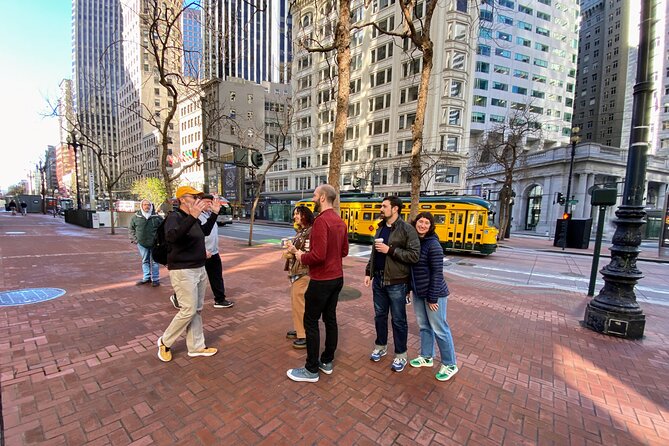
- Historic-meets-modern downtown focus: you’ll learn how styles change block to block
- A guide who answers on the fly: Jamie builds context while you stand in front of the real buildings
- Salesforce Transit Center rooftop views: public art plus a terrace with wide panoramas
- SFMOMA architecture at the finish line: brick facade and modern geometry explained
- Relaxed timing and questions: mild walking pace with time to talk
Starting at Mechanics Monument: where the tour clicks
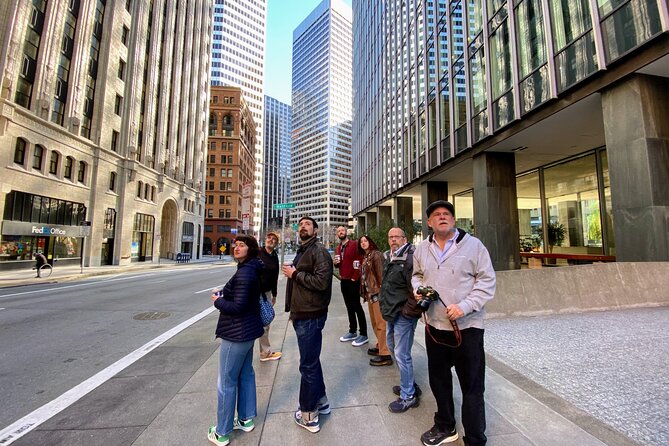
The tour meets at Mechanics Monument, 488 Market St. That location is handy because you’re right in downtown, where public transit options are nearby and easy to reach. If you like being unbothered, this kind of meetup helps you avoid the stress of hunting for a starting point on arrival day.
The total time is about 2 hours 30 minutes. The group stays small (up to 15 people), so the tour doesn’t feel like a herd moving at one speed. If you’re the type who likes to ask why a building looks the way it does, this format helps.
You’ll also have a mobile ticket, and you get confirmation when you book. Booking ahead is smart here since the tour is often reserved in advance (on average, about two weeks out). Bring a phone with enough battery for your ticket, and wear shoes that handle city sidewalks comfortably.
One small practical note: parking isn’t included, so if you’re driving, plan for a separate parking stop before you meet. And yes, it’s designed for most people, but the day still depends on conditions—good weather is required.
You can also read our reviews of more tours and experiences in San Francisco.

Downtown architecture that you can actually read
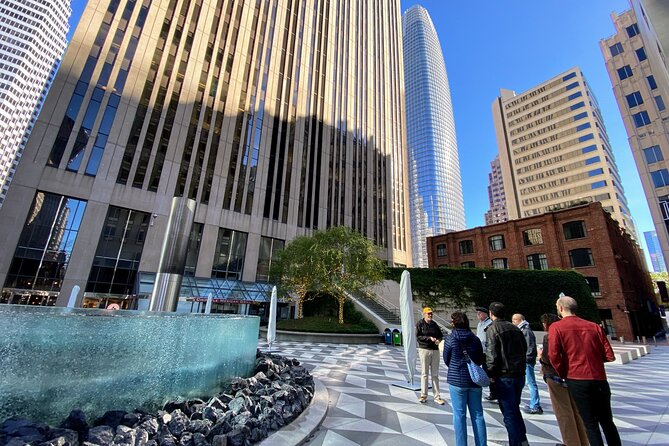
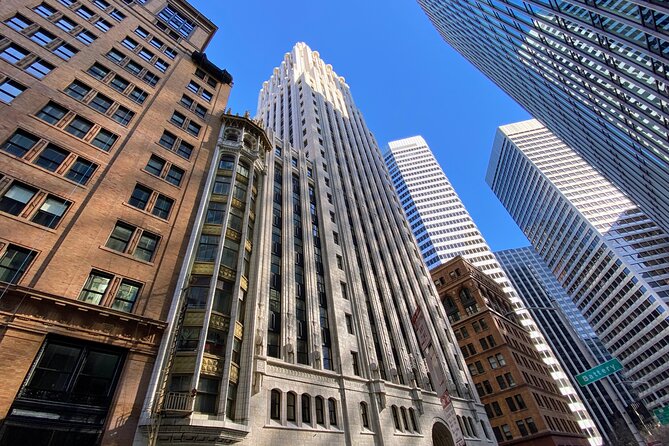
The first stretch takes about 1 hour 40 minutes and centers on downtown San Francisco’s mix of historic and modern buildings. This isn’t a generic list of landmarks. It’s more like learning a visual language: you stand in front of buildings and learn how to spot what signals their era and purpose.
Here’s what’s especially useful: Jamie ties architecture to real life. You’ll hear not just the style, but the timeline—when buildings were constructed, what the spaces are for now, and which architects shaped the look. That context is what turns the walk into something you’ll remember later, because you start connecting shapes and materials to meaning.
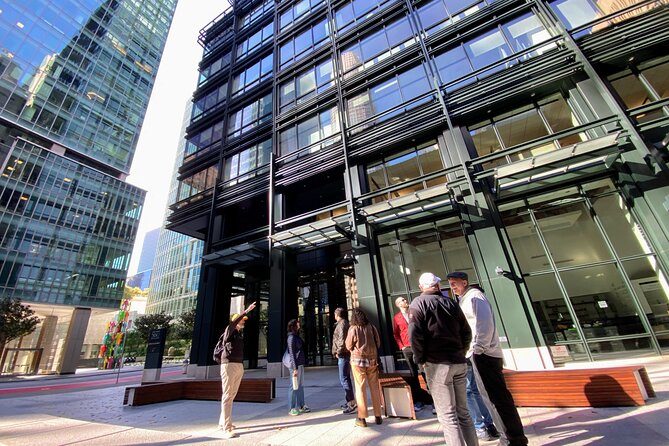
A lot of the value comes from the way the tour points out details most people miss. You’ll notice how street-level design, entrances, massing, and ornament (or the lack of it) reflect the period. You also get guidance for looking at public art and city spaces, not just the big-ticket facades. Even locals can benefit from this approach because it reframes downtown into a sequence you can follow instead of a blur you pass through.
Timing-wise, it stays paced for questions. The walk is described as mild, not exhausting, which matters in San Francisco where weather and hills can drain energy fast. If you’re planning other activities that day, you’re not stuck on a long trek. You should still plan for some outdoor time and bring a layer, since downtown can shift quickly.
Salesforce Transit Center: rooftop garden and public art with city-scale views
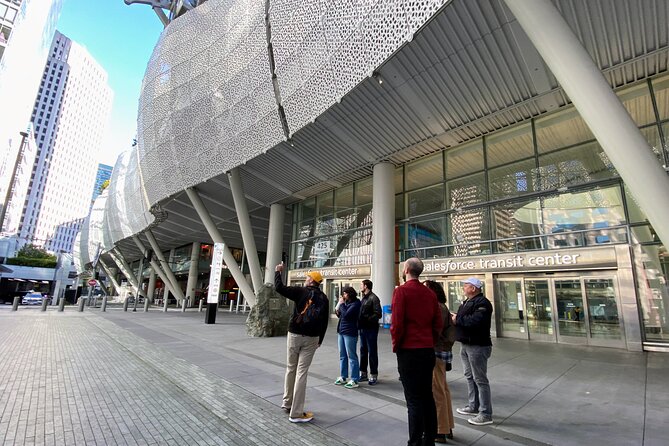
The middle stop is the Salesforce Transit Center, about 30 minutes. This part is focused on the new transit hub as a public space, not just a place to catch a train. You’ll learn how the building works within the city and what the public art installations add to the experience.
Then there’s the rooftop garden, which is a standout here. You’ll see a terrace with trees and flowers, plus panoramic views that make the whole area feel bigger than you expected. This is the kind of stop that resets your brain—after walking street-level architecture, you get height, light, and a clear sense of how downtown layers together.
The best practical takeaway: you’re not spending your time hunting for this view on your own. The tour builds in the right moment for it, and the guide helps you understand what you’re looking at rather than just taking photos.
Admission at this stop is free, so there’s no surprise cost. If the weather is good, this is also a strong chance to take a breather and plan the second half of the day.
SFMOMA as the finish line: brick facade meets modern expansion
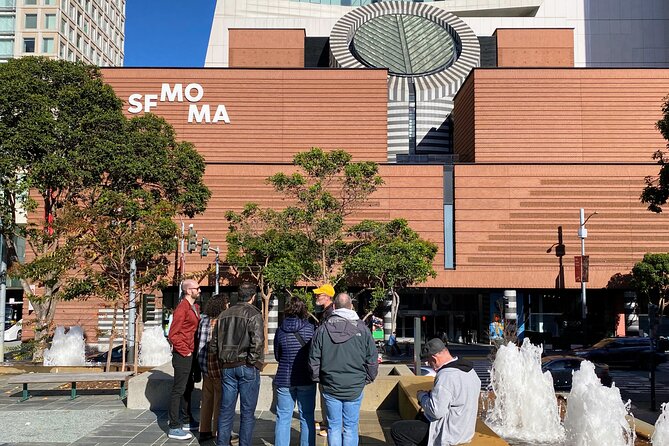
The tour wraps at SFMOMA at 151 3rd St, after the final guided portion. This stop runs about 20 minutes and centers on the museum’s architectural design. You’ll get to admire the striking brick facade and the modern, geometric expansion, with Jamie talking through how the older and newer parts work together.
What I like about this finish is that it gives you a clean segue. If you want to see more, you can do an optional self-guided visit to the galleries right after the tour. If you don’t, you still leave with a concrete understanding of the building, which makes SFMOMA feel less intimidating when you arrive on your own later.
The museum galleries are optional, and SFMOMA admission is not included. So if you’re budget-checking, decide ahead of time whether you want to add museum time. If you do, a short lunch break nearby is an easy next step before you head in.
This ending also saves time on logistics. Instead of ending somewhere vague, you finish at the museum entry area—so you can keep your momentum without figuring out where to go next.
How Jamie turns buildings into a story you’ll follow
The strongest praise in this tour is about the guide’s depth and the way Jamie connects the dots. You’ll be able to ask questions in the moment, and the answers don’t feel scripted. Jamie’s explanations cover style, who designed the buildings, who owns them now, and what their current purpose is—while you’re standing right there looking at the evidence.
That approach matters because architecture is visual and contextual. A building’s features make more sense when you know the era and the intent behind them. Without that, downtown can feel like random blocks of stone and glass. With it, you start noticing patterns: how design choices change over time, how older structures sit next to newer ones, and how public art and civic space shape the walk.
You also get a sense of how SF’s growth shows up in the built environment. From the way the guide frames the timeline to how hidden details are pointed out, the tour helps you see downtown as a living record—not just a backdrop.
And because the group stays small, you’re not forced into silence. The pace supports actual conversation, so you can steer your curiosity. If you’re someone who likes hearing the why behind what you see, this is the part that can feel surprisingly fun.
Price and value: what you get for $44
At $44 per person for about 2.5 hours, this tour sits in a reasonable range for a guided, downtown-focused experience. The biggest value angle is that two major components are free of admission cost: the downtown architecture segment and the Salesforce Transit Center rooftop/public art experience. Your guided time carries the ticket value, and you’re not paying extra to access the core sites.
The one clear extra cost potential is the optional SFMOMA time. The guided portion at SFMOMA is included, but museum admission for galleries is not. If you’re trying to keep costs tight, treat SFMOMA as an architecture stop first, then decide later if gallery time fits your day.
Parking isn’t included, so if you’re driving, budget for that separately. On the plus side, the tour is near public transportation, and the meetup is in a straightforward downtown spot, which makes it easier to do without a car.
Also, note the tone of this experience: it’s not trying to do everything. It’s doing a few things well—downtown architecture, Salesforce Transit Center’s art and views, then museum architecture at the finish. That focus is part of why the price feels fair.
Morning or afternoon: choosing the best time for your pace
You can pick either a morning or afternoon tour, which is great if you’re juggling other plans. In a city like San Francisco, timing can affect comfort more than you’d expect. If you like cooler walking conditions, morning can help. If you want a calmer feel later in the day, afternoon can work too.
Either way, plan for outdoor time because a good chunk of the tour is on foot. It also requires good weather, so if fog or rain hits, you may need to swap dates or adjust your schedule.
The pace is described as mild, not exhausting, so this tour can work even on a day when you also want to explore on your own afterward. Just remember: it ends at SFMOMA, so your next move is easy if you’re continuing into the museum.
Who should book this tour, and who might skip it
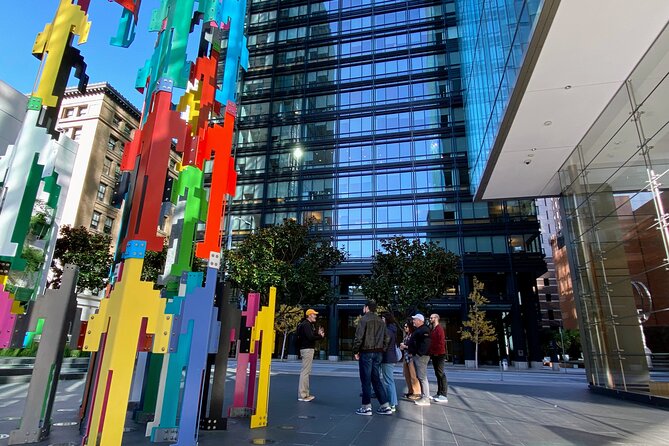
This tour is ideal if you care about architecture and public art and you want a guide to help you interpret what you’re seeing. It also suits people who like a mix of locals-level detail and first-timer context—you don’t need to be an architecture nerd to get value.
If you’re looking for a quick hit of only the most famous sights, this may feel too specific. This walk is built around a focused area and detailed explanation, so it’s more about learning how the city evolved in that zone than checking off icons.
Also, if you don’t plan to enter SFMOMA galleries at all, you’ll still get the architectural overview, but your experience is more about the walk and exterior/design elements. If museum time is a must for you, you may want to plan extra hours around your own ticket.
Should you book Downtown San Francisco Architecture & Public Art?
Yes, if you want a guided architecture-and-art walk with a small-group feel and a guide who can answer real questions while you’re looking at the buildings. It’s a smart value when you consider that you’re not paying admission for the main guided sites, and the tour naturally sets you up for optional museum time at the end.
Skip it if you only want a broad, famous-sights tour with no emphasis on design details. This one rewards curiosity about how the city’s look changed over time.
FAQ
How long is the tour?
The tour lasts about 2 hours 30 minutes.
What does it cost?
It costs $44.00 per person.
Is SFMOMA admission included?
No. The optional self-guided gallery time at SFMOMA is not included.
Are the other stops free to enter?
Yes. The downtown architecture stop and the Salesforce Transit Center stop are listed with free admission tickets.
Does the tour offer morning and afternoon options?
Yes. You can choose a morning or afternoon tour.
How large is the group?
The tour has a maximum of 15 travelers.
Where does the tour start and end?
It starts at Mechanics Monument, 488 Market St, San Francisco. It ends at SFMOMA entry, 151 3rd St.
Is parking included?
No. Parking is not included.
What if the weather is bad?
The experience requires good weather. If it’s canceled due to poor weather, you’ll be offered a different date or a full refund.
Is the tour in English, and can service animals join?
The tour is offered in English, and service animals are allowed.