REVIEW · BUDAPEST
Art Nouveau Tour in Budapest: 3-Hour Private Tour
Book on GetYourGuide →Operated by FUNGARIAN · Bookable on GetYourGuide
Budapest’s facades have stories you can see. This 3-hour private Art Nouveau walk takes you through Pest in the late 1890s and early 20th century, pointing out why those decorative buildings matter. It’s part architecture lesson, part city history, part scavenger hunt for details you’d normally walk right past.
I love the way the guide connects the look of Secession (szecesszió) buildings to Hungarian culture, including folk motifs worked into the designs. I also like that the tour doesn’t stay locked in art books—your guide (often Miklos, if available) brings it to life with clear explanations and room for your own questions.
The main downside to plan for: this is not suitable for people with mobility impairments, since it’s a walking experience.
In This Review
- Key things I think you’ll enjoy most
- Pest’s Art Nouveau: Why Budapest Didn’t Go Vertical
- Your 3-hour private guide: how the tour actually feels
- Secession (szecesszió): how to spot the style in seconds
- Hungarian folk motifs and the meaning behind the details
- Architects, symbolism, and the “hidden treasures” effect
- How the tram and underground fit the Art Nouveau story
- Included extras that help you remember: notes, pens, printouts
- Price and value: is $127 for 3 hours worth it?
- Who this tour suits best (and who should skip it)
- Should you book this Art Nouveau tour in Budapest?
- FAQ
- How long is the Art Nouveau Tour in Budapest?
- How much does the tour cost?
- Is this tour private?
- What languages are offered for the live guide?
- Do you provide pickup from my accommodation?
- What is included in the tour?
- What isn’t included?
- Can I cancel and get a full refund?
- What should I bring or wear?
- Is the tour suitable for people with mobility impairments?
Key things I think you’ll enjoy most
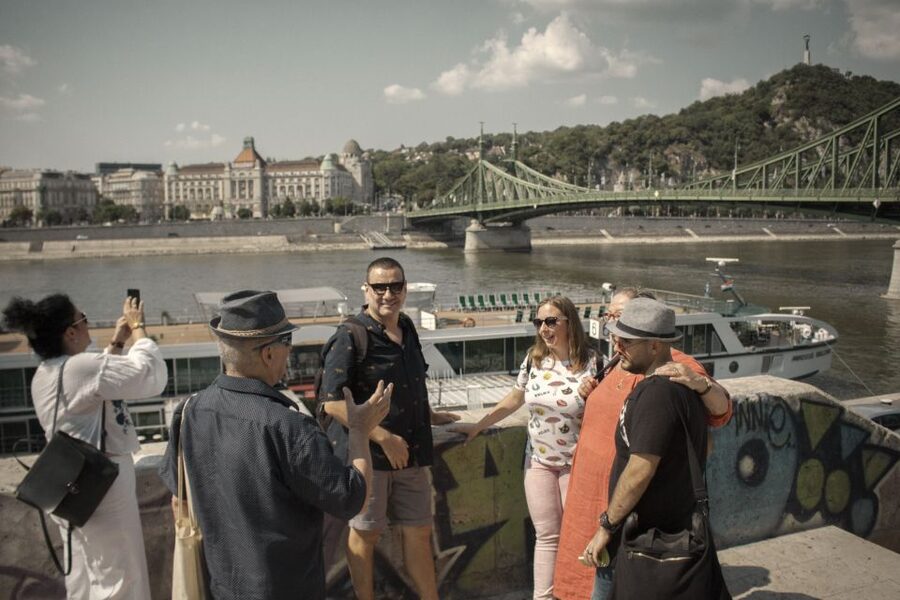
- Secession clues on real facades: you’ll know what to look for and why it was different.
- Hungarian folk motifs in Art Nouveau: patterns become part of the city’s identity.
- Beehive symbolism: a small detail with a big meaning on public buildings.
- Architect stories you’ll remember: design choices traced back to the people behind them.
- Tram and underground context: the guide links transport and city growth to what you see.
Pest’s Art Nouveau: Why Budapest Didn’t Go Vertical
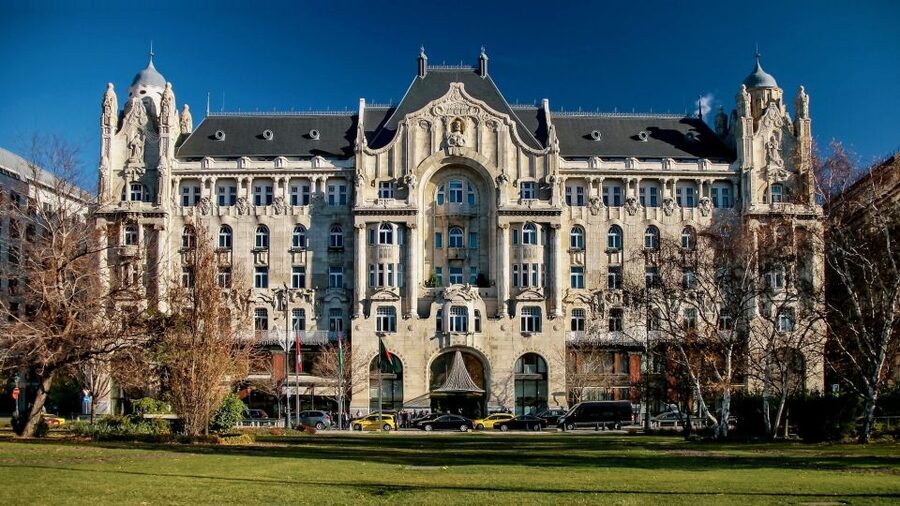
Budapest’s late-19th-century building boom left a very specific kind of “wow” behind. Instead of racing upward with skyscrapers, the city leaned into ornate, human-scale design—facades packed with symbolism, curves, ironwork, and sculptural flourishes. On this tour, you’ll learn the logic behind that look. The decorations aren’t random. They’re meant to communicate status, identity, and modern style at street level where people actually live and walk.
The guide also helps you read the city like a timeline. Pest’s heyday in the late 1890s and early 1900s wasn’t just about pretty buildings. It was about the city defining itself. That’s why Art Nouveau took off here in a distinctive way: it offered a “new” style that still felt rooted in Hungarian culture, not copied from somewhere else.
If you’ve ever wondered why certain blocks feel like an open-air museum, this tour gives you the cause-and-effect story. You’ll start seeing how design trends, national identity, and urban planning all show up in the same streets.
You can also read our reviews of more tours and experiences in Budapest.


Your 3-hour private guide: how the tour actually feels
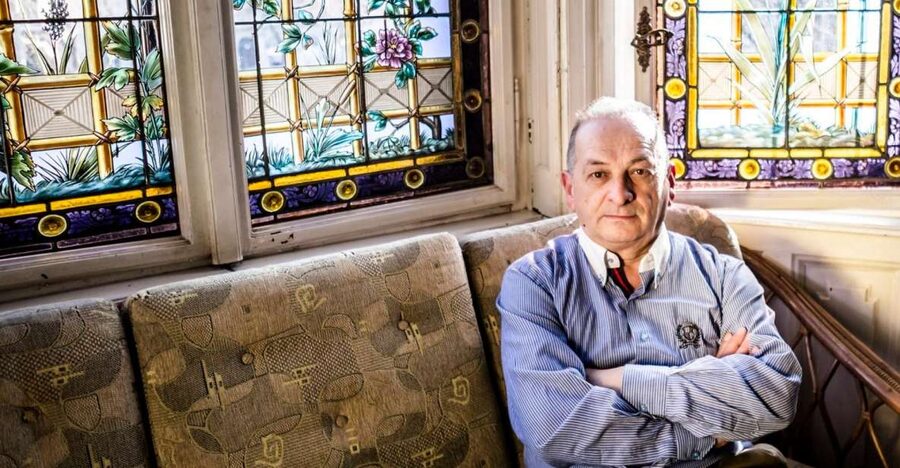
A private tour changes the whole rhythm. You’re not squeezed into a script or competing with other groups for attention. You set the pace with your guide, and you can ask follow-up questions as you go.
This matters on an architecture tour because details work best when they’re explained in context. A face carved into stone, a motif repeated across buildings, or a symbol you only notice when someone points it out—those things click faster when you can ask questions right away. In the experience, the guides are also described as friendly and responsive, with flexibility built into the walkthrough.
The tour also includes notebooks and pens plus printed material. I like this setup because it encourages you to slow down just a bit. Write the names of features you want to remember. Sketch a pattern if you feel like it. Jot down questions for your guide—then use the answers later when you’re wandering on your own.
In practice, your “first impression” of Budapest improves a lot. Instead of seeing a street full of buildings, you start seeing a set of design choices and cultural messages.
Secession (szecesszió): how to spot the style in seconds
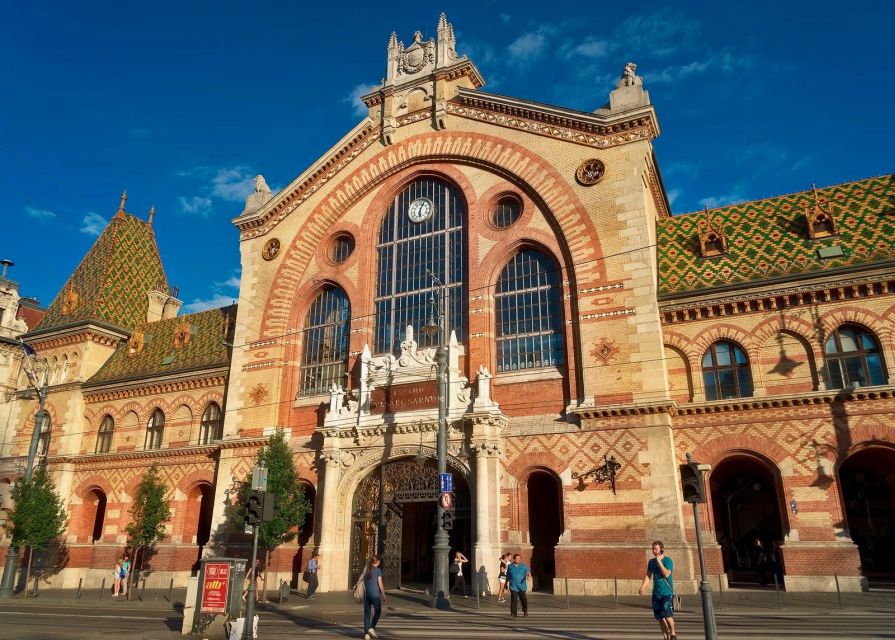
Art Nouveau can look overwhelming at first. Too many curves. Too much ornament. Too many places to look. The tour solves that by teaching you a few high-value markers so you can recognize the style without needing a degree in art history.
You’ll hear why Art Nouveau is called Secession (szecesszió) in Hungarian. That word is the clue to the mindset: artists and architects were “seceding” from older styles and pushing for a fresh look that felt modern. Once you understand the motivation, the decorations stop being just decorative. They become deliberate statements.
Here’s what the guide helps you notice on the facades of late-19th-century buildings:
- Surface storytelling: why so many buildings have elaborate frontages at street level.
- Organic lines: curving forms that feel drawn from nature, not machinery.
- Mixed art: the sense that architecture, metalwork, and sculpture are part of one visual plan.
- Cultural coding: motifs that point back to Hungarian traditions.
And yes, the tour addresses the practical question you’ll probably be thinking while you walk: why you won’t see the same “skyline” approach you might expect from big European cities. The guide explains the city’s building approach and how that helps make Budapest feel distinct.
After a few stops, you’ll start “reading” facades automatically. You’ll spot repeating design features faster, and you’ll understand the difference between general late-19th-century decoration and true Secession-style thinking.
Hungarian folk motifs and the meaning behind the details
One of the most satisfying parts of an architecture tour is when it stops being abstract. This one makes sure that happens, especially with the way it connects design to Hungarian identity.
You’ll learn how Hungarian folk motifs were built into Art Nouveau designs. That means patterns and visual language that feel familiar are not just used for decoration. They’re used to say: this isn’t an imported trend. It’s a Hungarian interpretation of modern style.
The guide also shares fascinating tales about the architects behind these buildings. Even when you can’t pronounce every name or remember every date, you can carry the takeaway: architects weren’t only designing houses. They were shaping how people saw themselves in a changing city.
A standout theme is symbolism. You’ll hear about bee hive imagery on Budapest public buildings and what those symbols were meant to represent. It’s the kind of detail that makes you look twice later, even after the tour ends. That’s the best part: you leave with new eyes.
Architects, symbolism, and the “hidden treasures” effect
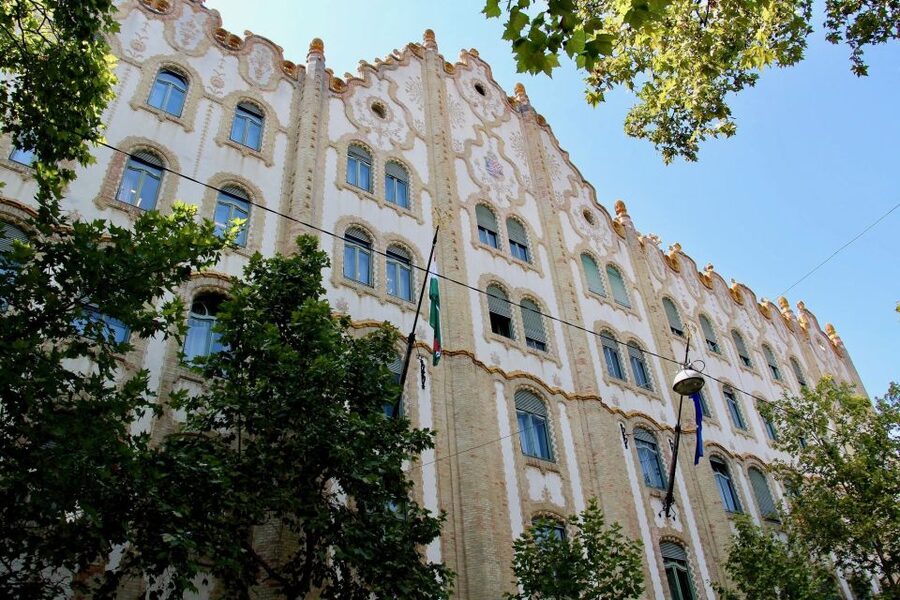
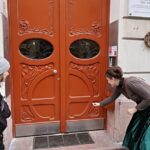
The tour’s promise of hidden treasures isn’t about magic doors or secret rooms. It’s about streets where the details are easy to miss. Without a guide, you might admire a facade in passing and move on. With the guide, you learn where to look and why the building is worth the extra minute.
Expect stories that connect design choices to personalities and to the era. The tour frames decorative facades as part of the city’s public language. Buildings aren’t just shelters; they’re signs. And in Pest during that peak period, the street became a stage for style, identity, and modern ambition.
This is also where the Q&A shines. In the experience, the guides are praised for answering individual questions well. That’s huge for visitors who like to understand rather than just photograph.
If you’re the type who keeps asking why a feature looks the way it does—this tour rewards that habit.
How the tram and underground fit the Art Nouveau story
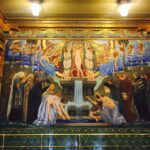
Budapest isn’t just pretty buildings. It’s a city designed for movement—trams, and the underground system, help tie neighborhoods together. One review-style takeaway from the guides: you won’t only talk architecture. You’ll also get an orientation to the city’s tram and underground system while you walk.
That matters because transport changes a city’s feel. Better connections bring more people to the same streets. More foot traffic changes which buildings become “front-facing” landmarks. Over time, what looks like aesthetic choices can also reflect practical urban growth.
So while you’re looking at Secession details, the guide also helps you understand the wider environment that supported the style. It’s how you connect the dots between “what you see” and “why it was there.”
Included extras that help you remember: notes, pens, printouts
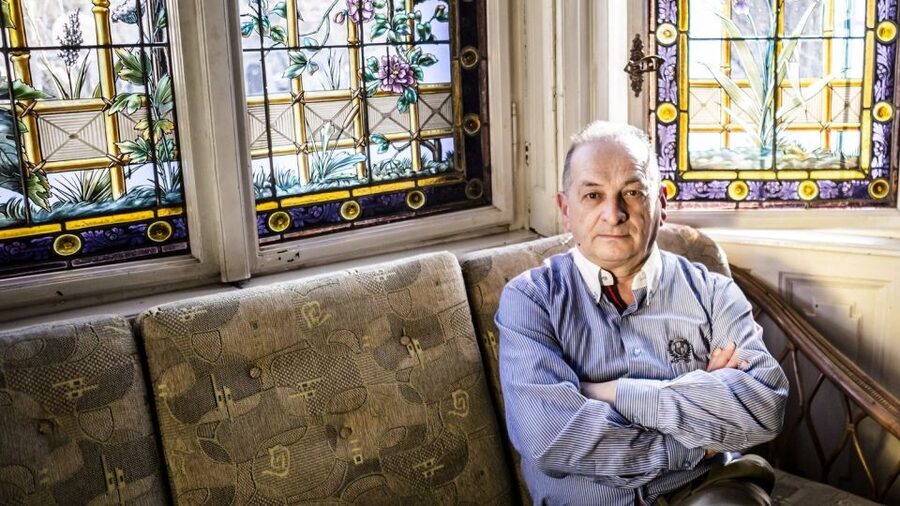
A lot of tours just hand you a quick explanation and move on. This one gives you tools to hold onto the lesson.
Included items:
- Notebooks
- Pens
- Printed material
I think that’s a quietly smart value. It turns your walk into something you can review later—especially if you’re also planning other Budapest neighborhoods. Instead of relying on memory, you build a small personal reference: motifs you want to re-check, symbols you want to recognize, and questions you now know how to ask.
It also makes the tour feel more like a learning experience and less like a rapid sightseeing circuit.
Price and value: is $127 for 3 hours worth it?
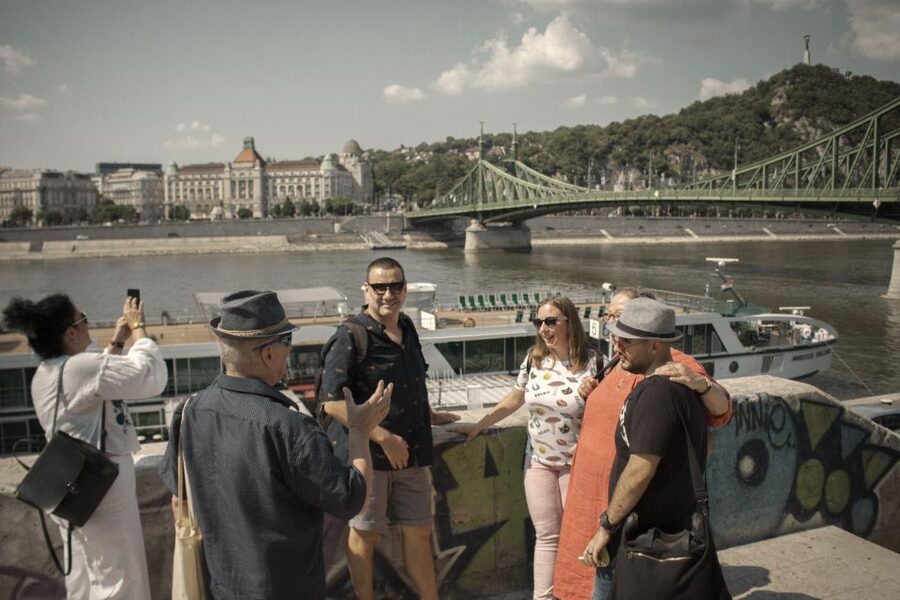
At $127 per person for a 3-hour private tour, you’re paying for three things: a guide who can tailor attention, time spent outdoors pointing out details, and the fact that you’re not sharing with strangers. Private tours usually cost more because you’re buying the guide’s full focus.
You also get printed materials and writing tools, which isn’t a big thing—but it supports the learning style of the tour. And you’re getting coverage of more than one theme: Secession naming, why decorations are so prominent, the role of folk motifs, symbol stories like the beehive, and architect background.
If you like architecture and want to understand what you’re seeing—this price starts to make sense fast. If you just want a quick photo run, you might not get full value from the explanation-heavy format.
The sweet spot is clear: people who enjoy learning at a comfortable pace with a guide who answers your questions.
Who this tour suits best (and who should skip it)
This is a strong fit if you:
- love architecture and want to know what design features mean
- want a focused introduction to Budapest’s Art Nouveau scene in a short window
- enjoy asking questions and getting thoughtful answers
- want a walk that blends city history with what you can actually see
It’s less ideal if you have mobility limitations, since it’s not suitable for people with mobility impairments.
Also consider weather. The tour lasts three hours and centers on exterior viewing. On a cold day, you’ll still likely find the time moves quickly because the content is engaging—but you’ll be happier if you dress for walking outdoors.
Should you book this Art Nouveau tour in Budapest?
If you want Budapest as more than postcard photos, I’d book it. The reason is simple: you learn the logic behind Secession-style decoration, plus Hungarian motifs and symbolism, so the streets become readable. The private format also matters. You get space for your questions, and that turns a guided walk into a real conversation.
Skip it only if you’re not interested in architecture details or if mobility is an issue. Otherwise, this is one of those short, high-impact experiences that changes how you see the city on the very same day.
FAQ
How long is the Art Nouveau Tour in Budapest?
The tour lasts 3 hours.
How much does the tour cost?
The price is $127 per person.
Is this tour private?
Yes. It is a private group experience.
What languages are offered for the live guide?
The guide is available in English, German, and Albanian.
Do you provide pickup from my accommodation?
Yes. Pickup is included, and the guide meets you at your accommodation in Budapest. You need to inform the local partner where you want to be picked up.
What is included in the tour?
The tour includes notebooks, pens, and printed material.
What isn’t included?
Food and drink are not included, and transportation is also not included.
Can I cancel and get a full refund?
You can cancel up to 24 hours in advance for a full refund.
What should I bring or wear?
Wear comfortable shoes and comfortable clothes.
Is the tour suitable for people with mobility impairments?
No. It is not suitable for people with mobility impairments.