REVIEW · MEXICO CITY
Architecture and History of Mexico City – Small Groups
Book on Viator →Bookable on Viator
Mexico City history stacks up fast. In a small group, you follow architecture layers and stories through downtown streets, with Torre Latinoamericana views to set the rhythm. It is paced so you can ask questions as you go, not just stand and listen.
I really like Raul’s style: warm, engaging explanations that connect what you see to the bigger shifts in Mexico’s past. I also love the House of Tiles stop, especially how the balconies turn the building into a viewpoint for the city around it.
The one possible drawback is walking at street level—this is a moderate-fitness route, so wear comfy shoes and don’t plan on taking lots of long breaks.
In This Review
- Key highlights at a glance
- A 3-hour Mexico City architecture walk that stays small
- Mirador Torre Latinoamericana: see Mexico City’s layers before you walk
- El Atrio del Templo de San Francisco: why materials matter
- House of Tiles: artwork, balconies, and nearly 300 years of change
- Palacio de Bellas Artes: a political and artistic setting check
- Palacio Postal: the inside feel depends on the day
- Plaza Tolsa: Charles IV and eclectic architecture in one square
- Museo del Templo Mayor: archaeology right in the center of town
- Zócalo wrap-up: questions, connections, and trip advice
- Price and value: is $83.59 a smart buy?
- How to choose the right day and pace for this walk
- Should you book this Mexico City architecture and history tour?
- FAQ
- How long is the Architecture and History of Mexico City tour?
- What is the group size?
- Is the tour offered in English?
- What is included in the price?
- Is private transportation included?
- Do I need to pay for admission at the stops?
- Where do I meet the guide, and where does it end?
- Is it near public transportation?
- What fitness level is required?
- What if the weather is bad?
Key highlights at a glance
- Mirador Torre Latinoamericana views to spot Mexico City’s architectural layers from above
- Atrium of the Temple of San Francisco focused on building materials and major historical processes
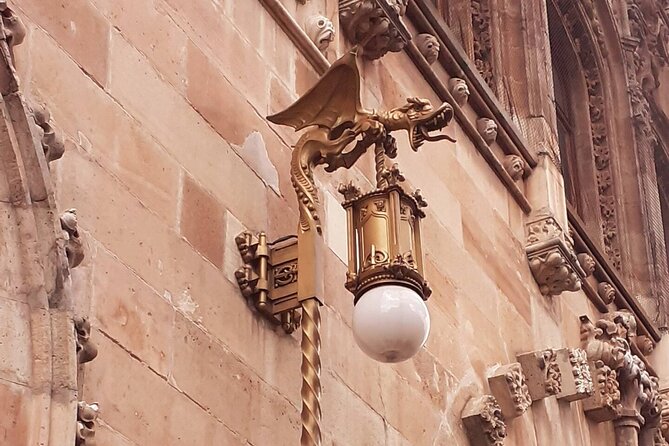
- House of Tiles with a notable artwork and near-300-years of evolution you can see from the balconies
- Palacio Postal and Plaza Tolsa for standout Centro Histórico details beyond the usual postcard stops
- Museo del Templo Mayor site right in the city center, connecting Mexica roots to the modern grid
- Small group (max 6) with English guidance, bottled water, and a finish at the Zócalo for recommendations
A 3-hour Mexico City architecture walk that stays small
This is a 3 to 3.5 hour walking tour in Mexico City’s Centro Histórico area, led in English and capped at six people. That group size matters. You get more back-and-forth with your guide, and you’re less likely to feel like you are being herded.
Logistics are simple: you start at Torre Latinoamericana and finish at the Zócalo / Plaza de la Constitución. A mobile ticket is provided, you get bottled water, and you do not need private transportation because the schedule already accounts for travel time.
One extra practical note: this kind of downtown, guided route is easiest in good light and stable weather. It is also booked fairly ahead of time (on average about 25 days), so if you want a spot on a specific day, plan early.
You can also read our reviews of more tours and experiences in Mexico City.

Mirador Torre Latinoamericana: see Mexico City’s layers before you walk
You kick off at the Mirador corner of Torre Latinoamericana, a spot built for exactly what you need on day one: orientation. In about 30 minutes, you look out over the city and start recognizing how eras stack on top of each other rather than replacing one another.
This is not just a view for views’ sake. Your guide uses the panorama as a mental map. When you later see older structures up close, you understand where they sit in the broader story of Mexico City’s growth.
And because the admission here is free, it is a low-risk start. If you arrive early enough to settle your legs, it helps the whole walk feel less like a sprint and more like a guided lesson.
El Atrio del Templo de San Francisco: why materials matter
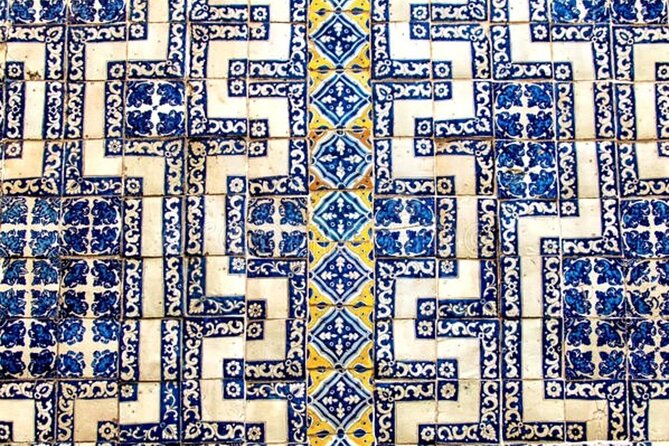
Next comes the atrium of the Temple of San Francisco, where the focus turns to how Mexico City was physically built and rebuilt. In about 25 minutes, you get a clear look at why the construction materials and early processes mattered for the city’s later look and layout.
This stop works well if you like context, not just sightseeing. The best architecture guides do this trick: they explain the choices behind the walls. Here, that means you start thinking about buildings as technology and history, not just decoration.
It is also a good breather. You are outside in the city fabric, but the pace stays calm enough to take in details without feeling rushed.
House of Tiles: artwork, balconies, and nearly 300 years of change
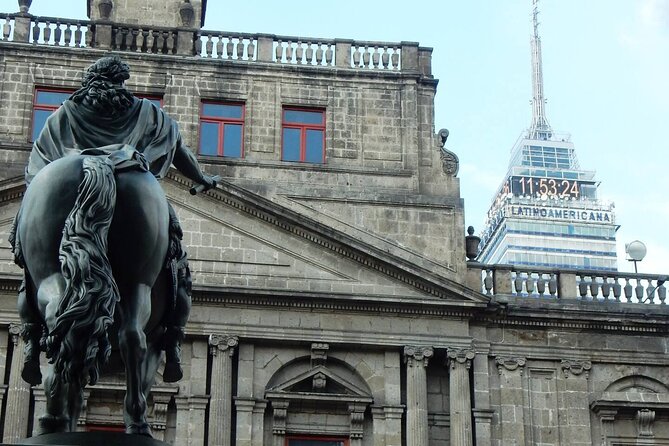
Then you reach one of the most fun stops for anyone who likes architecture details. The House of Tiles is where an artwork inside becomes a reason to look around, not just a thing to glance at.
You spend about 25 minutes, and the big idea is how the building evolved over time—roughly three centuries. Even more useful: you use the balconies as a viewing tool. Instead of treating the landmark as an island, you see how it frames the surrounding streets and neighboring structures.
This is also where the tour’s storytelling style really clicks. Raul is known for connecting symbolism in public art and architecture, including details like mythical creatures such as griffins and mermaids, and tying it to wider cultural movements. That sort of commentary makes tile, stone, and ornament feel meaningful instead of random.
Palacio de Bellas Artes: a political and artistic setting check
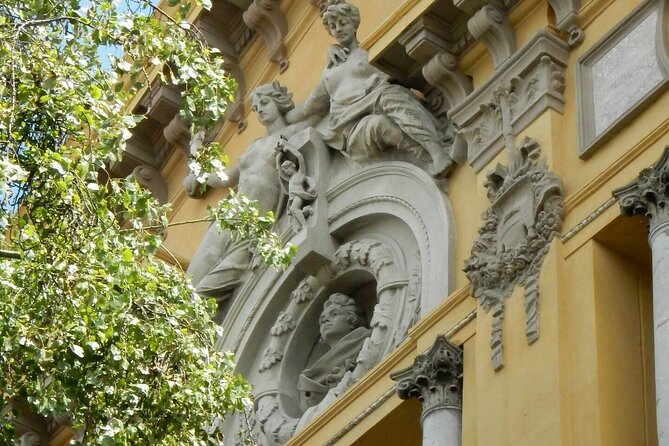
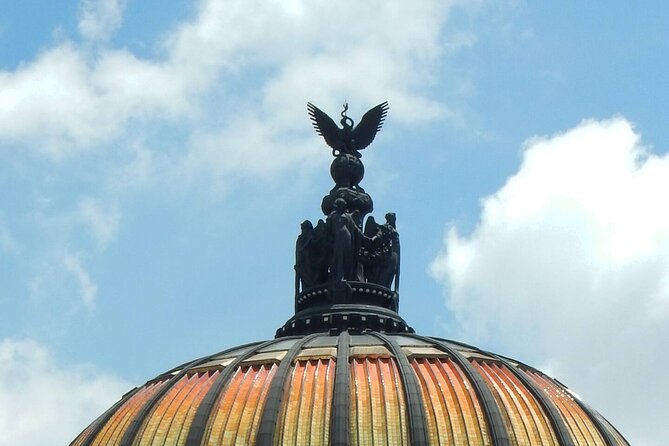
Palacio de Bellas Artes enters the story next, and you get about 20 minutes of big-picture context. The discussion centers on the historical, political, and artistic environment that shaped this building and the area around it.
One catch: admission is not included here. The tour still gives you the framing, but if you plan to go inside beyond the exterior views and talk, you will want to budget for any required ticket cost.
This stop is a great hinge between old-world layering and more modern Mexico City symbolism. If you have been wondering why certain styles look the way they do—why some facades feel monumental and others feel theatrical—this is where the guide helps you connect style to the moment it was built.
Palacio Postal: the inside feel depends on the day
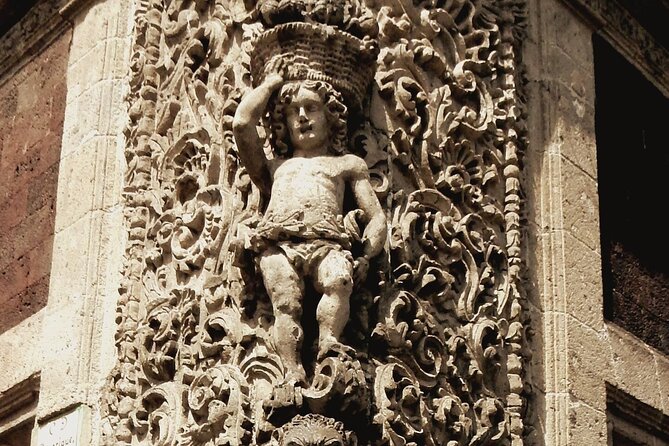
After the arts-focused context, you shift to something practical and surprisingly beautiful: the Palacio Postal. You get about 20 minutes, and the highlight is seeing the interior when it is available.
Admission is listed as free, but the tour notes that what you can see depends on the time of day. That is normal for working historic buildings. The good news is you are not stuck just looking from the outside—you still get a sense of how the postal hall operates as a civic landmark.
If you like architecture that serves daily life—spaces meant for movement, communication, and crowds—this stop tends to land well. It also adds a different texture to the route between palaces and museum sites.
Plaza Tolsa: Charles IV and eclectic architecture in one square
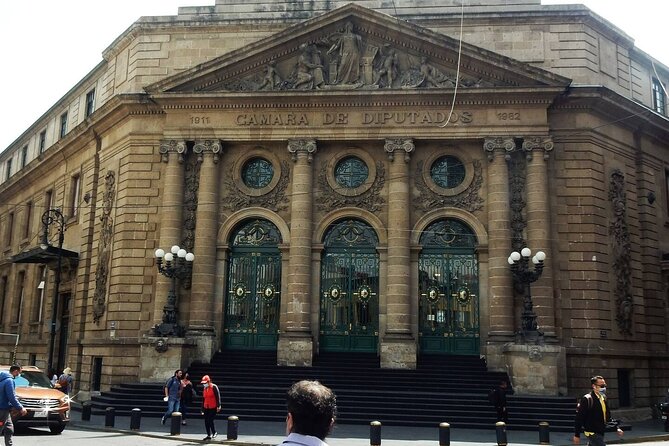
Now you step into Plaza Tolsa, where the architecture changes pace again. Around the statue of Charles IV of Spain, you see an eclectic mix of styles in the buildings surrounding the square.
You spend around 20 minutes here, and the main value is learning how to read a place like this. Squares are not just open space; they are where political messages, colonial memory, and local interpretation all meet. When the guide points out the visual cues, you start noticing patterns you would otherwise walk past.
This is also a useful pause before the archaeological stop. You get a moment to reset your eyes and legs without breaking the flow of the story.
Museo del Templo Mayor: archaeology right in the center of town
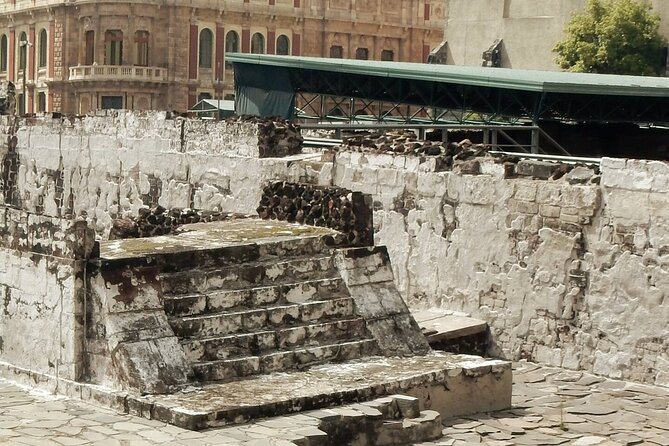
Before the walk ends, you visit Museo del Templo Mayor, with about 20 minutes at the site. This stop brings you to an archaeological setting in the middle of the city, linking modern street life to Mexica foundations.
The advantage of including this here is timing. By the time you reach the Templo Mayor, you have already seen Spanish-era and later styles. That makes the contrast clearer—and it helps explain why Mexico City’s present-day neighborhoods carry older layers beneath them.
Admission is free, so this is one of the easiest stops to justify, especially if you are on a tighter schedule and want more than just museum browsing.
Zócalo wrap-up: questions, connections, and trip advice
Finally, you end at the Zócalo, specifically Plaza de la Constitución. You get around 20 minutes to wrap the stories together, ask questions, and get recommendations for the rest of your trip.
This part matters more than people think. A good downtown architecture tour does not only teach facts; it gives you a framework for what to do next. The guide’s style is often very helpful for planning museum days too—one example from past participants is how this kind of orientation makes a later visit to the National Museum of Anthropology feel easier to follow.
If you finish near the Zócalo, you are also well-positioned for your next move. The area is central, and it gives you choices for food, transport, and additional sights without needing to travel far.
Price and value: is $83.59 a smart buy?
At $83.59 per person, this is not a $20 impulse tour. The value comes from several practical points stacking together.
First, it is small-group (max six), so your guide is not talking into a crowd. Second, most major stops in the route have free admission, including Torre Latinoamericana, the San Francisco atrium area, the House of Tiles, Palacio Postal, Plaza Tolsa, and Templo Mayor. The one notable exception is Palacio de Bellas Artes, where admission is not included.
Third, you are paying for narrative craft. The route is only a few hours, but it connects pre- and post-Spanish Mexico, building materials, political eras, and visual symbolism. Past tours led by Raul are praised for giving people a strong foundation for interpreting what they later see around the city.
Finally, bottled water is included, and the meeting-to-finish plan is set up without private transportation—so you are not wasting paid time juggling logistics.
If you want one guided walk that gives you a mental map of Mexico City’s architecture—fast—this is priced like a reasonable “first-day foundation” rather than a casual stroll.
How to choose the right day and pace for this walk
This tour needs good weather. If conditions are poor, it will be canceled and you will be offered a different date or a full refund. That is important because downtown walking feels longer when rain or harsh sun drains your energy.
Also, plan your body. The physical fitness level is listed as moderate. The route is doable, but it is not the kind of tour where you shuffle slowly from one bench to the next.
I’d suggest showing up with a simple plan:
- wear shoes that handle uneven sidewalks
- bring sun protection if it is bright
- keep your questions ready; the Zócalo Q&A is a perfect moment to ask what to do next
Should you book this Mexico City architecture and history tour?
Yes—this is a strong choice if you want a guided Centro Histórico architecture foundation in only a few hours. I think it is especially good for your first day in Mexico City because the viewpoint at Torre Latinoamericana, the House of Tiles storytelling, and the Templo Mayor connection help you start seeing patterns instead of just collecting photos.
You might skip it if you want a lot of time inside specific buildings with no walking, since the route is built for multiple stops and short, focused visits. Also, because Palacio de Bellas Artes admission is not included, you’ll want to decide ahead of time whether you plan to go inside.
If you like architecture that has context—materials, politics, art symbolism, and how styles change across centuries—this small-group walk is one of the most efficient ways to get oriented fast.
FAQ
How long is the Architecture and History of Mexico City tour?
It runs about 3 to 3.5 hours.
What is the group size?
The tour has a maximum of 6 travelers.
Is the tour offered in English?
Yes, it is offered in English.
What is included in the price?
Bottled water is included.
Is private transportation included?
No, private transportation is not included.
Do I need to pay for admission at the stops?
Most stops are listed with free admission. Palacio de Bellas Artes is marked as not included, so you should plan for that if you want to go in.
Where do I meet the guide, and where does it end?
You start at Torre Latinoamericana in Centro Histórico (Torre Latinoamericana, Eje Central Lázaro Cárdenas 2, Centro, Cuauhtémoc, 06000). You end at Plaza de la Constitución in the Zócalo area (Constitution Plaza, S/N, Centro Histórico, Cuauhtémoc, 06010).
Is it near public transportation?
Yes, it is near public transportation.
What fitness level is required?
The tour requires a moderate physical fitness level.
What if the weather is bad?
The experience requires good weather. If canceled due to poor weather, you will be offered a different date or a full refund.