REVIEW · MEXICO CITY
Mexico City: 1960s &1970s Mexican Architecture Walking Tour
Book on GetYourGuide →Operated by Walk Mexico · Bookable on GetYourGuide
A 1960s tour that keeps moving forward. This Walk Mexico route strings together major museum stops and one very cool art-focused hotel, so you can see how Mexican architecture shifted from early modern ideas into the optimism and experimentation of later decades. I love the way the National Museum of Anthropology connects pre-Hispanic cosmogony with modern design and sculpture, and I love the closing stop at Hotel Camino Real, where Olympic-era hospitality turns into a place to see modern Mexican art. One heads-up: this isn’t a pure nuts-and-bolts architecture lecture, so if you want only strict building design analysis, you may find it leans heavily into social and historical context too.
You’ll meet in Chapultepec Park at the Porrua bookstore and then spend about three hours covering several iconic sites with an expert guide. In particular, guides like Natalia are noted for being engaging, tailoring the tour to what you care about, and explaining the art-history side without turning it into a dry slideshow. The main trade-off is value versus your expectations: at $192, it can feel pricey compared with simpler architecture walks, especially if your priority is purely architectural detail.
In This Review
- Key highlights you’ll feel fast
- Chapultepec’s 1960s-to-80s story in one focused walk
- Meeting at Chapultepec Porrua: easy start, calm pace
- National Museum of Anthropology: where modern design meets ancient ideas
- Tamayo Museum of Contemporary Art: modernist calm with an artist’s footprint
- The Space Age design stop: futurism, form, and the 1960s mood
- Hotel Camino Real finale: VIP history turned into a modern art stop
- What you’ll learn about politics and society through buildings
- How the experience feels: timing, safety, and getting your best photos
- Price and value: is $192 worth your time?
- Who should book this architecture walking tour?
- Should you book Walk Mexico’s 1960s & 1970s architecture tour?
- FAQ
- Where do I meet the guide?
- How long is the tour?
- What museums are included?
- Is there a lot of walking?
- Does the tour run rain or shine?
- What languages are offered?
- How big are the groups?
- What should I bring?
- Is it wheelchair accessible?
Key highlights you’ll feel fast
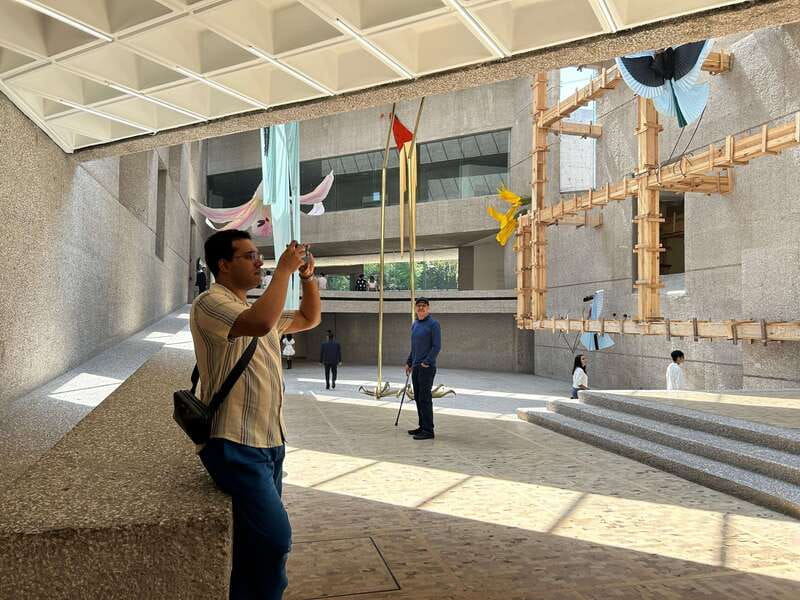
- Anthropology Museum as the anchor: modern architecture working with indigenous worldviews through design and sculpture.
- Tamayo Museum’s 1980s-era modernism: contemporary art framed by a setting that’s meant to feel in harmony with nature.
- A Space Age style stop: a 1960s structure that captures futuristic optimism through form and function.
- Hotel Camino Real as your finale: built for 1968 Olympic VIPs, then transformed into an art-and-hotel experience.
- Small groups (up to 10): easier questions, calmer pace, and headsets only when needed for larger groups.
- Guides with serious academic training: you’re not just getting opinions; you’re getting art-history or architectural context.
Chapultepec’s 1960s-to-80s story in one focused walk
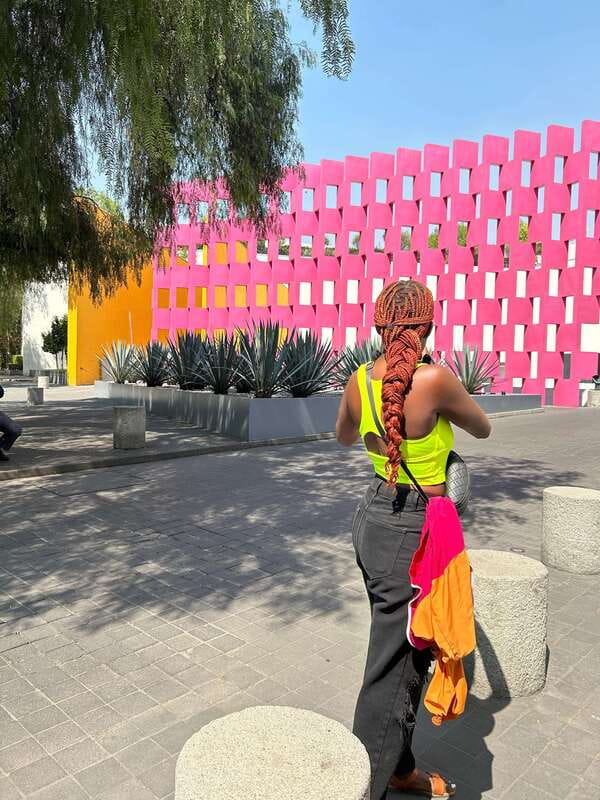
Mexico City loves big statements: big monuments, big ideas, big design. What’s smart about this tour is that it doesn’t treat architecture like wallpaper. It treats buildings like evidence. You’re walking through a timeline where modernism isn’t imported from nowhere. It’s argued, adapted, and built on top of deeper cultural references—then it shifts again as politics and public life change.
You’ll start in Chapultepec Park, which is practical for a walking tour and also makes sense visually. Museum buildings don’t just sit there; they work with trees, paths, and open space. That matters because many of the designs you’ll see were meant to be experienced as part of the city’s “outside life,” not just as objects behind glass.
You can also read our reviews of more tours and experiences in Mexico City.

Meeting at Chapultepec Porrua: easy start, calm pace
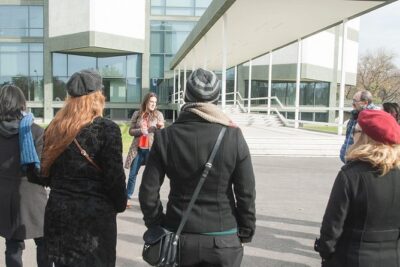
Your meetup is the Chapultepec Porrua Bookstore, inside Chapultepec Park near the ticket booth. The guide waits inside with the WALK MEXICO logo, and the location matters because there are multiple Porrua stores around the city.
This tour is about three hours, but it’s not a grind. The plan is to keep walking comfortable and not overdo it. There’s also the practical detail that the tour runs rain or shine, so you should pack for weather. Comfortable shoes are a must, and if you’re visiting during rainy months, rain gear will save your mood more than your photos.
Group size is limited to 10, which is the sweet spot for asking questions without the whole day turning into a herd. For larger groups, you’ll get headsets so you can actually hear your guide instead of guessing.
National Museum of Anthropology: where modern design meets ancient ideas
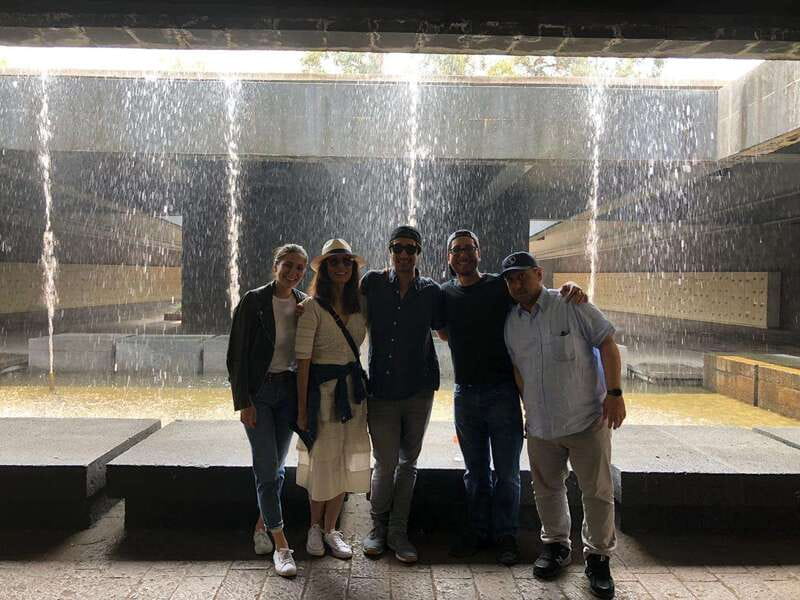
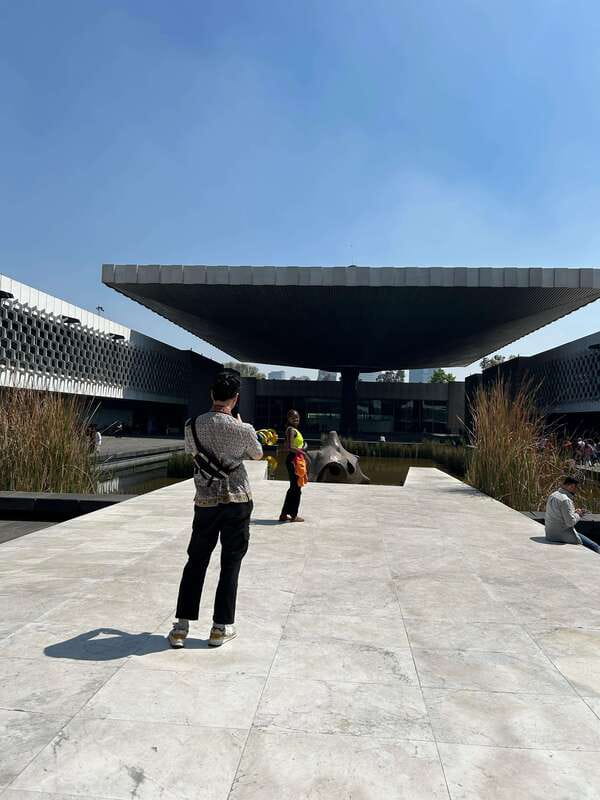
The tour opens at the National Museum of Anthropology, a signature masterpiece of 1960s Mexican architecture. This is the kind of building where you don’t just look up—you look for meaning in the structure itself. The museum is described as embodying pre-Hispanic cosmogony, which basically means the building isn’t neutral. It’s built to reflect how indigenous Mexicans understood the world.
What I like about the way your guide will frame this stop is the collaboration angle. You’re not just hearing about one architect’s vision. You’re hearing how the architect worked with artists to translate indigenous worldviews into sculpture and design. That’s where this museum becomes more than a pretty exterior. You start seeing how modern architecture in Mexico City can act like a language—one that mixes geometry, symbolism, and artwork into a single experience.
A practical tip for your visit here: bring your camera. This is a “geometry and texture” place, and it’s one where your best shots often come from walking slowly and choosing angles, not just taking one front-facing photo.
Tamayo Museum of Contemporary Art: modernist calm with an artist’s footprint
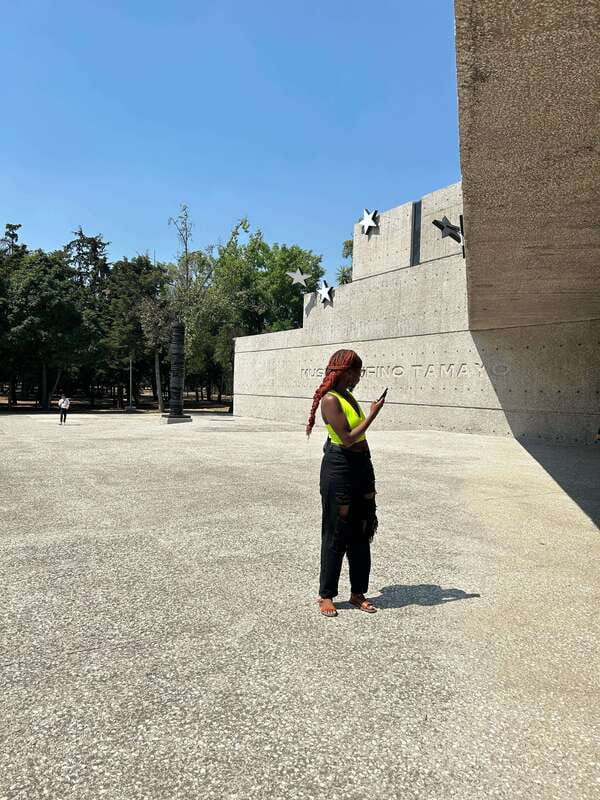
Next comes the Museo de Arte Contemporáneo Rufino Tamayo, dedicated to the visionary artist Rufino Tamayo. The building was conceived in the early 1980s by two influential architects, and the design approach is meant to harmonize with its surroundings.
This stop is valuable because it shows the next step in the architectural conversation. After the heavy cultural messaging of the Anthropology Museum, Tamayo shifts the mood toward modernism’s lighter touch. You still get design decisions you can study—lines, massing, how the building relates to the outdoors—but it feels more like a careful setting for art than a monumental statement.
If you’re the type of person who thinks contemporary art is intimidating, this museum can help. The architecture doesn’t “explain” the art directly, but it does create a space where the modern art concept feels more approachable. It’s one reason this tour pairs museums instead of just doing outdoor viewpoints.
The Space Age design stop: futurism, form, and the 1960s mood
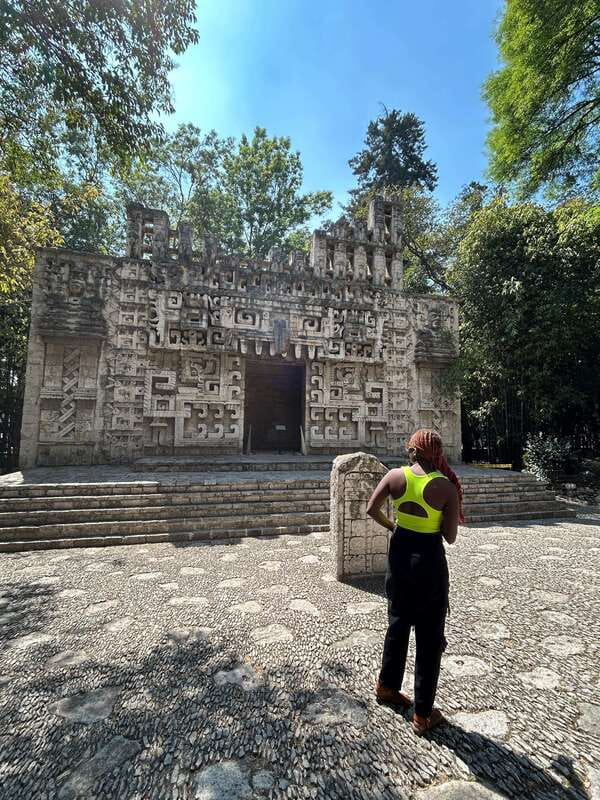
Just a short walk away, you’ll reach a remarkable example of 1960s design inspired by Space Age aesthetics. The idea here is not only that it looks futuristic. It captures the mood of the era—optimism, experimentation, and confidence that technology and design can change everyday life.
This part of the tour is where you’ll start noticing how architectural language can shift quickly. The Anthropology Museum talks with symbolic weight. Tamayo talks with modern calm. The Space Age building talks with momentum: form and function shaped to feel forward-leaning, like the future arrived early and decided to hang around.
If you’re into architecture photography, this is one of the best stops on the route. Structures inspired by Space Age design tend to reward clean lines and side angles. And because the tour says the photography opportunities are safe and enjoyable, you can focus on getting good compositions without rushing.
Hotel Camino Real finale: VIP history turned into a modern art stop
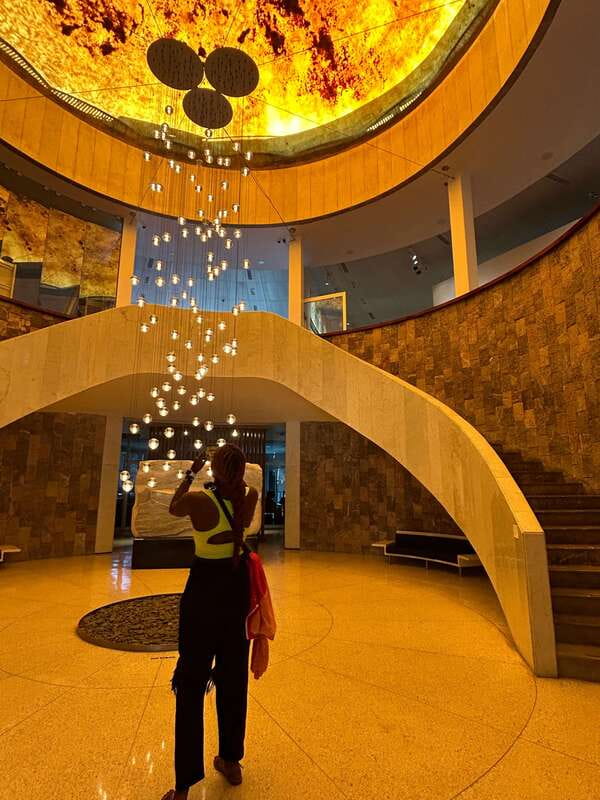
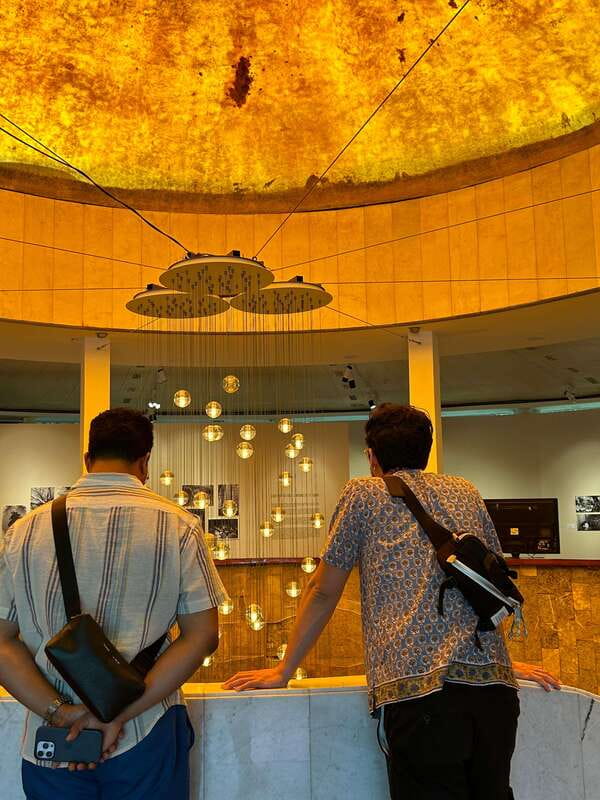
You end at Hotel Camino Real, a historic hotel built to host VIP guests during the 1968 Olympic Games. That alone gives the location a powerful time stamp: a building shaped by an international event and the political importance of showcasing a modern Mexico.
Then comes the twist. Inside, there’s a hidden trove of modern Mexican art. In other words, you’re not only leaving with photos of a famous address—you’re leaving with a sense of how art and hospitality can share the same walls.
I like this ending because it changes the genre of the day. Most architecture tours end at another museum or another viewpoint. Here, the final stop reminds you that architectural design and public identity don’t stop at museum doors. Hotels, corporate spaces, and other everyday landmarks also carry the design values of their era.
It also makes your last hour memorable. Instead of repeating museum rooms, you get a different vibe: art in an environment built for hosting people.
What you’ll learn about politics and society through buildings
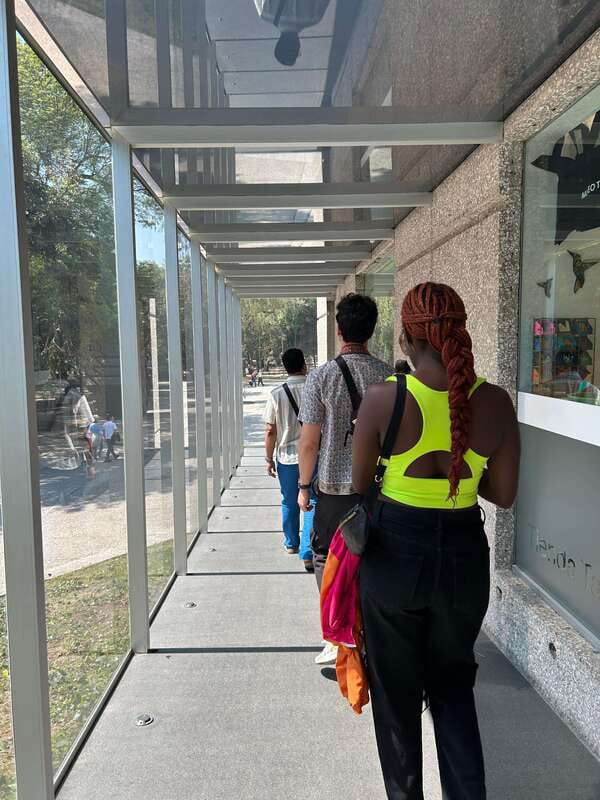
This tour’s core value is context. The 1960s and 1970s weren’t just about new materials and new shapes. They were decades of social and political change, and architecture was one way that change got communicated.
You’ll hear how Mexican architecture transformed between the 1960s and the 1980s, but you’ll also understand why. The Anthropology Museum’s indigenous worldview foundation shows one kind of cultural priority. Tamayo and the museum era show another kind of artistic priority. The Space Age style shows a third: a belief in modernity’s future.
That mix is why the tour can feel more like a history-and-art lesson than a strict architecture seminar. If you enjoy learning how design reflects public life, you’ll find it satisfying. If you came for only building details—materials, engineering choices, and construction techniques—adjust your expectations slightly. The tour is built to explain meaning, not just measurements.
How the experience feels: timing, safety, and getting your best photos
The tour is about three hours, and it’s designed so you won’t spend the whole time trudging between sites. You’ll do short walks, and the museums provide natural pacing. That helps if you’re trying to fit this into a busy day of sightseeing.
The tour is scheduled rain or shine, so don’t plan this as a last-minute fair-weather gamble. Bring sunscreen and rain gear. Chapultepec’s outdoor areas can change quickly, and comfortable shoes are the best “buy once, use all trip” decision you’ll make.
On safety: the tour info emphasizes that the places you’ll visit are very safe and enjoyable for photography. That matters because architecture photography often puts you close to corners, stairs, and building edges. Knowing you can take pictures without stress makes you more likely to slow down and do it well.
Price and value: is $192 worth your time?
At $192 per person for a three-hour walk, you’re paying for three things: expert guidance, museum access, and a route that connects major architectural eras.
Here’s why that might be worth it for you:
- Museum tickets are included for the National Museum of Anthropology, Tamayo, and the Modern Art Museum.
- The guide is described as having a graduate academic degree (art historian, historian, or architect), which usually translates into better explanations and more accurate context.
- The small group size (up to 10) tends to create a higher quality conversation than large mass tours.
Here’s the part to think about:
- If you want only architecture analysis, not history and art context, you may feel it’s priced like a “whole story” tour.
- One provided note points out that it can feel more history-focused than architecture-only.
So my practical take: if you want to understand what the buildings meant—and how they reflect Mexico’s cultural and political shifts—this price starts to make sense fast. If you’re purely chasing architectural details and you already know the context, you might find a cheaper walking option more aligned with your goals.
Who should book this architecture walking tour?
This tour is a strong fit if you:
- love architecture but also like the why behind the design
- want a route that covers multiple decades without spending all day hopping across the city
- enjoy museum visits paired with human explanations, not just audio guides
- care about art and symbolism as much as exterior shapes
It may be a weaker fit if you:
- want only technical architecture specifics
- are extremely sensitive to weather since it runs rain or shine
- have significant mobility needs, since the activity info also flags it as not suitable for people with mobility impairments (even though it’s listed as wheelchair accessible)
If accessibility is a concern for you, don’t guess. The safest move is to confirm how the stops and movement work for your specific needs.
Should you book Walk Mexico’s 1960s & 1970s architecture tour?
Book it if your Mexico City trip needs one focused, well-explained architectural thread across major landmarks—and you’ll enjoy learning how art, politics, and design intertwine. The combination of the Anthropology Museum, Tamayo, a Space Age-influenced structure, and a hotel turned modern art space makes it feel like a complete narrative, not a checklist.
Skip or substitute if your main goal is ultra-technical architecture details on a tight budget. At $192, you’re paying for interpretation and museum time, not just a walk past pretty buildings.
FAQ
Where do I meet the guide?
You meet at the Chapultepec Porrua Bookstore in Chapultepec Park, near the ticket booth. The guide waits inside the bookstore with the WALK MEXICO logo.
How long is the tour?
The tour lasts about 3 hours.
What museums are included?
The tour includes museum tickets for the National Museum of Anthropology, the Tamayo Museum of Contemporary Art, and the Modern Art Museum.
Is there a lot of walking?
The tour information says you won’t have to walk much, and it’s designed around short walks between stops.
Does the tour run rain or shine?
Yes. This tour takes place rain or shine.
What languages are offered?
The live guide offers Spanish and English.
How big are the groups?
It’s a small group limited to 10 participants. For larger groups, headsets are provided to hear the guide clearly.
What should I bring?
Bring comfortable shoes, sunscreen, and rain gear.
Is it wheelchair accessible?
The activity info lists it as wheelchair accessible, but it also says it is not suitable for people with mobility impairments. If that applies to you, you should double-check whether the route and museum stops work for your needs.