
REVIEW · DENVER
Denver: History and Architecture Walking Tours
Book on GetYourGuide →Operated by Historic Denver · Bookable on GetYourGuide
Denver’s past walks right beside you. In just 90 minutes with Historic Denver, you get history plus architecture without the usual museum-stuff overload. I love how the guides connect buildings to real people and real eras, and I also like the small group format that keeps questions from getting lost. One possible drawback: guide style can vary, so if you dislike tours that feel too scripted, aim for a guide known for lively explanations and Q&A.
What makes this especially worth your time is that you’re not just looking at facades. You’re learning why these places mattered—railroad Denver, mansion Denver, preservation Denver—and how the city got from one chapter to the next. For example, one guide named Lois is praised for packing lots of details into the story, not only about the structures but about what was going on in the period. You’ll meet your guide at the Union Station flagpole and they wear maroon polos that say Historic Denver, so finding the group is usually easy.
In This Review
- Key Things You’ll Notice on These Denver Walks
- What This Tour Is Really About (It’s Not Just Pretty Buildings)
- Route Choice: LoDo vs Capitol Hill vs Quality Hill vs Larimer Square
- LoDo (Lower Downtown): Union Station to Denver’s Turning Points
- Capitol Hill: Mansions and Late-19th-Century Families
- Quality Hill: Governor’s Mansion, Malo Mansion, and Zang Mansion
- Larimer Square: Denver’s Oldest Block and a Survival Story
- Meeting Point at Union Station: How to Find Your Guide Fast
- The 90-Minute Format: How They Fit a City Story Into a Walk
- What You’ll Learn on the Side Streets (Architecture Clues You Can Use Later)
- Weather, Comfort, and Walking Realities
- Price and Value: Is $20 Actually Worth It?
- Who This Tour Fits Best (And Who Might Want Another Plan)
- Accessibility Note: Wheelchair Access vs Mobility-Impairment Suitability
- Should You Book This Denver Walking Tour?
- FAQ
- How long is the Denver History and Architecture Walking Tour?
- How much does it cost?
- Where do I meet the guide?
- What tour options are available?
- How large is the group?
- Do I need to bring food or drinks?
- Does the tour run in bad weather?
- What should I bring?
- Is the tour wheelchair accessible?
- What language is the tour guide?
Key Things You’ll Notice on These Denver Walks

- Four routes, four Denver moods: LoDo, Capitol Hill, Quality Hill, and Larimer Square
- A 90-minute payoff window that fits well into a short trip (or a busy business schedule)
- Small groups limited to 10 people, so it’s easier to ask questions
- Real anchor buildings like Union Station, the Molly Brown House Museum area, and specific mansions on Quality Hill
- Rain or shine touring, so come prepared and you’ll still get your money’s worth
- Guide-led storytelling with lots of explanations; one guide (Lois) is noted for detail-heavy, engaging pacing
What This Tour Is Really About (It’s Not Just Pretty Buildings)

This is a guided walk focused on a simple idea: buildings don’t appear out of nowhere. They’re built by people with money, power, ambition, and sometimes bad timing. When you walk with a guide who can tie architecture to human decisions, Denver stops feeling like a place you pass through and starts feeling like a place you understand.
The four tour options all use that same approach, but they emphasize different kinds of Denver:
- LoDo gives you the city’s shift from early settlement to major railroad hub to later urban decline and renewal.
- Capitol Hill and Quality Hill focus on the mansion-era story—who lived there and what those homes were trying to say.
- Larimer Square turns into a preservation lesson: how locals protected an older block from slipping into ruin.
That’s the real value for you. You’re not memorizing dates. You’re building a mental map for why the city looks the way it does today.
Route Choice: LoDo vs Capitol Hill vs Quality Hill vs Larimer Square
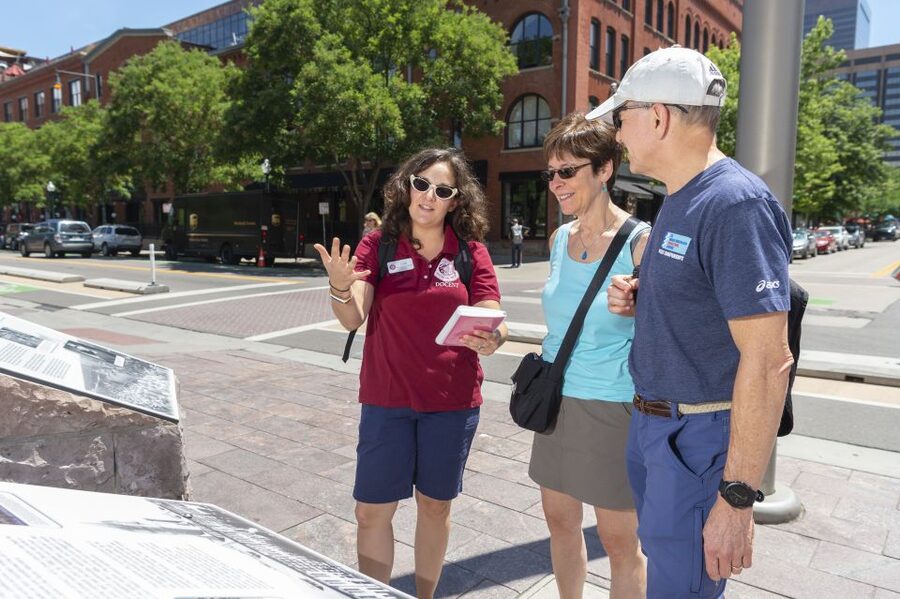
You’ll choose one of the walking tours, and each has a different starting vibe and set of stories.
LoDo (Lower Downtown): Union Station to Denver’s Turning Points
If you want the big “how Denver grew up” narrative, this is the one. The LoDo option starts at Union Station, and the emphasis is on how the area changed over time.
Expect to:
- Admire Union Station and use it as a launch point for Denver’s rail era.
- Learn how Denver went from a small grouping of tents to a major railroad hub.
- Follow the storyline forward through a period described as skid row, then into an urban hot spot.
Why this matters: railroads shaped where people worked, where money flowed, and where neighborhoods formed. When you later explore Denver on your own, LoDo helps you read the city like a timeline.
A small drawback to keep in mind: this route is about transformation across decades. If you’re the type who likes deep detail on one theme (like a single family or a single neighborhood’s politics), you may prefer a mansion-focused tour.
Capitol Hill: Mansions and Late-19th-Century Families
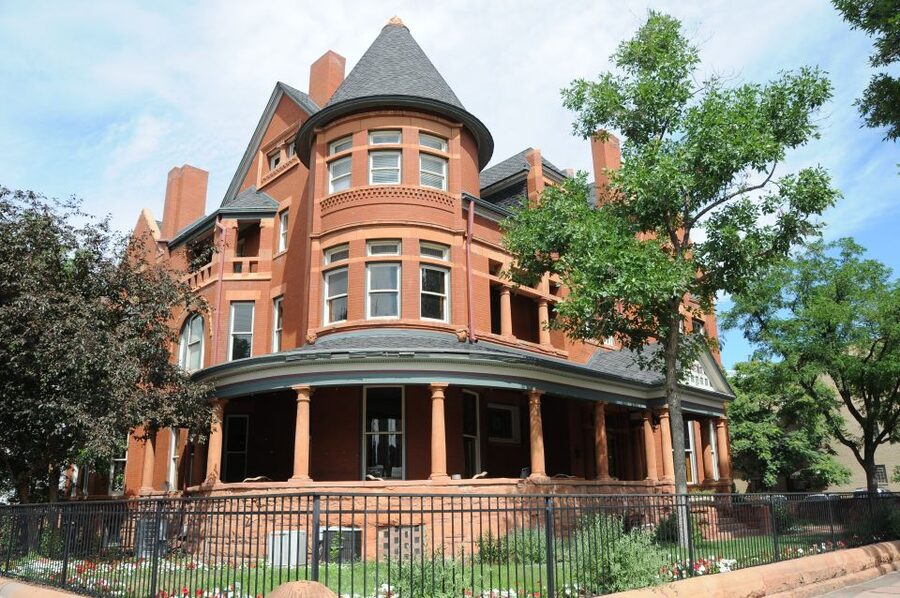
This option begins outside the Molly Brown House Museum area and shifts your attention to charm, scale, and social story. You’ll explore the historic mansions of Capitol Hill and learn about the families who lived in these stately homes at the end of the 19th century.
What to look for as you walk:
- How the homes communicate status and stability through their size and style.
- How family stories connect to broader city growth at the time.
Why it’s a good choice: Capitol Hill is where Denver’s confidence shows. If you want to understand the city’s upward momentum, this route gives you that angle quickly.
Practical consideration: you’ll likely be walking past residential-style streets and older properties, so comfortable shoes matter more than you think.
Quality Hill: Governor’s Mansion, Malo Mansion, and Zang Mansion
Quality Hill is the mansion-hunter’s pick. This tour highlights architectural gems and names you can actually connect to Denver’s identity, including:
- the Governor’s Mansion
- the Malo Mansion
- the Zang Mansion
Expect the guide to connect those homes to the individuals behind them and what their legacy meant for Denver. This is a route where you’ll come away with “who mattered” as well as “what they built.”
Why you’ll enjoy it: getting specific names helps. Instead of vague descriptions of the wealthy, you get actual landmarks tied to real people, which makes the architecture stick in your mind.
One caution: if you’re primarily there for broad city history (railroads, industry, downtown change), Quality Hill can feel more focused and less sweep-of-time. Choose based on what you’re craving.
Larimer Square: Denver’s Oldest Block and a Survival Story
Larimer Square is about age and rescue. You’ll walk Denver’s oldest block and learn how local citizens saved the block from ruin and dilapidation, then created the city’s first historic district.
What this route does well is it shows history as something active, not just something preserved by accident. You get the story behind the survival—why those buildings remain and why that mattered for Denver’s identity.
Why it’s a smart use of time: Larimer Square is easy to admire on your own, but you’ll get a lot more from it if you understand the “saved from ruin” context. It changes how you see every corner.
Meeting Point at Union Station: How to Find Your Guide Fast
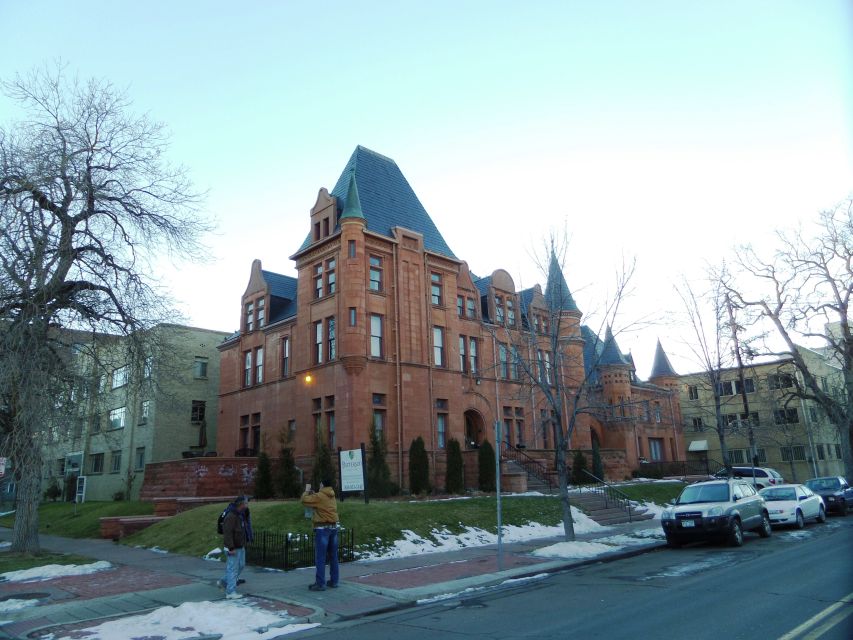
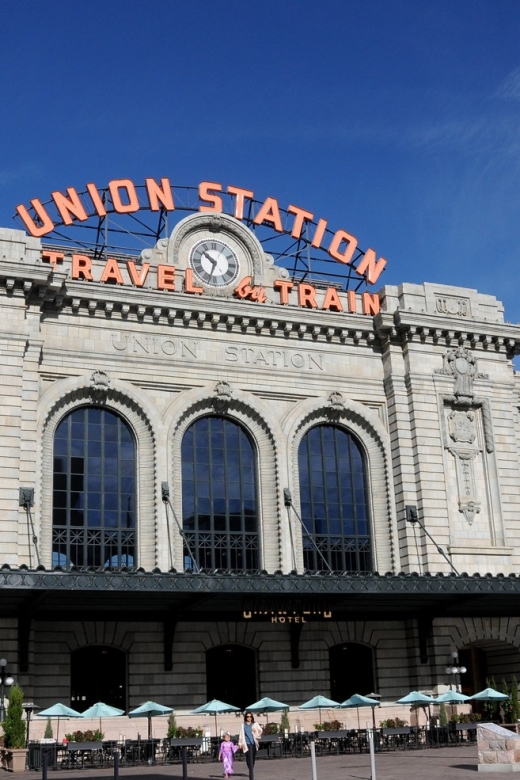
Your guide meets you at the flagpole in front of Union Station. Plan to arrive about 10 minutes early so you can check where the group is gathering and get comfortable before the first stories start.
Guide markers:
- They wear maroon polo shirts that say Historic Denver.
This sounds small, but it helps you start the tour relaxed instead of stuck looking around. And since the tour lasts 90 minutes, you don’t want to lose time at the beginning.
The 90-Minute Format: How They Fit a City Story Into a Walk
A 90-minute walking tour is a tight format, which is good news for you if you hate wasting time. Here’s what that usually means in practice:
- You’ll cover multiple ideas, but not so many that you forget everything by the end.
- Your guide has to be selective, which tends to make stops more meaningful.
- You’ll likely get a rhythm of short building-focused segments tied to larger Denver themes.
The best experiences happen when the guide keeps it conversational. One guide named Lois is specifically praised for inserting lots of details and explaining not just buildings, but also the time period and what was happening. That’s the kind of pacing that helps you feel like you’re learning, not just receiving facts.
Still, here’s the fair note: one account criticized a guide for reading from a notebook, which can make the tour feel more rigid. If you’re sensitive to that style, I’d choose the departure time and guide that look best for engagement when you book.
What You’ll Learn on the Side Streets (Architecture Clues You Can Use Later)
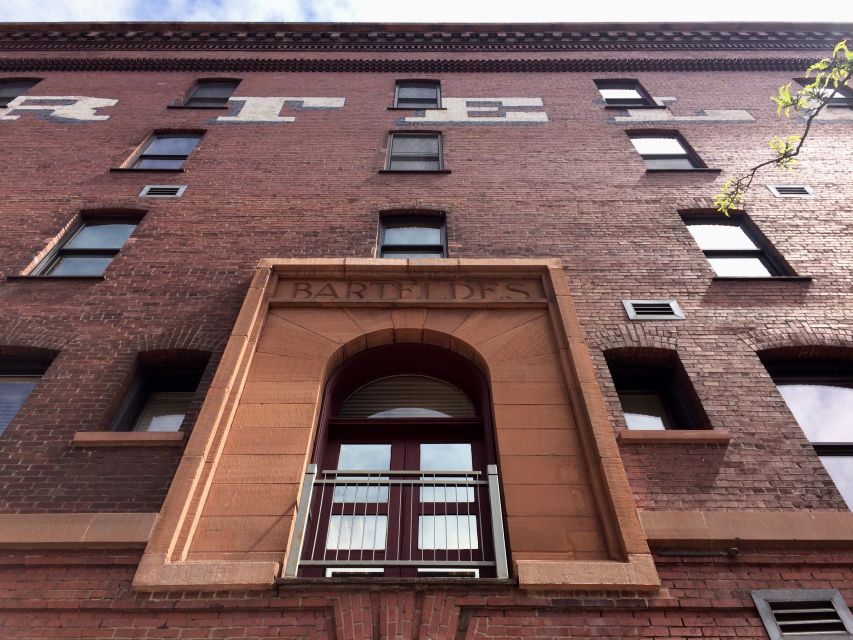
Even if you don’t memorize every detail, you’ll leave with a practical set of “how to read Denver” skills. Here are the big takeaways these routes help you build:
- Denver’s growth patterns: rail-driven expansion, elite neighborhoods, and downtown cycles of decline and renewal.
- How status shows up in design: mansion-era homes and the stories attached to them.
- Why preservation changes a city: Larimer Square’s historic district origin story gives you a lens for why certain blocks remain intact.
Think of it like this: after the walk, you’re better at noticing clues. A building’s purpose, era, and social context stop being invisible. You’ll get more out of the rest of Denver because your eyes are trained by the guide’s explanations.
Weather, Comfort, and Walking Realities
All tours operate rain or shine. That’s common, but it matters more on a walking tour where your comfort affects your attention.
Bring:
- comfortable shoes
- water
- sunscreen
- weather-appropriate clothing
This is especially important in Colorado where weather can shift. If you show up dressed for only one kind of day, the tour can feel longer than it needs to be.
Price and Value: Is $20 Actually Worth It?
At $20 per person for a 90-minute guided walk, this is positioned as a good value activity—especially if you’d otherwise spend that time wandering alone.
Here’s why the price tends to work:
- You get a live guide and small-group format (limited to 10 participants).
- You’re not paying for admission tickets or self-guided guesswork.
- You leave with context for multiple landmarks, depending on which route you select.
The “worth it” test for you is simple:
- If you like asking questions and you enjoy learning why buildings exist, this price feels fair.
- If you’re hoping for a slow, ultra-detailed museum-style experience, 90 minutes may feel short. But that’s the tradeoff: it’s designed to fit into real travel schedules.
Who This Tour Fits Best (And Who Might Want Another Plan)
This tour is a strong match if you:
- like architecture and local history together, not one or the other
- want a short, focused activity that works for both leisure travelers and business trips
- enjoy a guide-led walk where you can ask questions
- are visiting for the first time and want a fast mental map of Denver
It may be less ideal if:
- you need a tour that’s perfectly smooth for mobility reasons (see the accessibility note below)
- you strongly prefer self-paced exploring where you can linger or skip stops without group timing
Accessibility Note: Wheelchair Access vs Mobility-Impairment Suitability

The activity information lists the tour as wheelchair accessible, but it also states it is not suitable for people with mobility impairments.
That contradiction matters, and it means you should check carefully before booking. If mobility is a concern, I strongly suggest confirming the specific route’s walking conditions with the provider so you don’t get surprised on the day.
Should You Book This Denver Walking Tour?
If you want a fast, guided introduction to Denver’s key neighborhoods and landmark architecture, I’d book it. The small group, the 90-minute timing, and the fact that each route ties buildings to the people who shaped them make it a practical choice for most visitors.
Pick your route based on your mood:
- Choose LoDo for Denver’s growth and rail-era story.
- Choose Capitol Hill for mansion-era families and late-19th-century context.
- Choose Quality Hill for named landmarks like the Governor’s Mansion, Malo Mansion, and Zang Mansion.
- Choose Larimer Square for a preservation story that explains why the historic district exists.
Just do two things before you go: wear comfortable shoes and be okay with rain if rain shows up. Bring water, and arrive on time so you start with the full story.
If you love well-told, human-scale explanations, this is an easy “yes” for your Denver itinerary.
FAQ
How long is the Denver History and Architecture Walking Tour?
It lasts 90 minutes.
How much does it cost?
The price is $20 per person.
Where do I meet the guide?
Your guide will meet you at the flagpole in front of Union Station. You should arrive about 10 minutes before the tour starts.
What tour options are available?
You can choose from these walking tours: Lower Downtown (LoDo), Capitol Hill, Mansion of Quality Hill, or Larimer Square.
How large is the group?
The tours are small group style and are limited to 10 participants.
Do I need to bring food or drinks?
No. Food and drinks are not included, so if you want anything to eat or drink, plan accordingly outside the tour.
Does the tour run in bad weather?
Yes. All tours operate in rain or shine.
What should I bring?
Bring comfortable shoes, sunscreen, water, and weather-appropriate clothing.
Is the tour wheelchair accessible?
The information lists the tour as wheelchair accessible, but it also notes it is not suitable for people with mobility impairments. If you have mobility concerns, it’s best to confirm fit for your needs before going.
What language is the tour guide?
The live tour guide speaks English.