REVIEW · MUNICH
500 Years of Munich Architecture (Max. 16 Guests)
Book on GetYourGuide →Operated by Philipp's Munich Tours · Bookable on GetYourGuide
Munich’s buildings tell a story in centuries. On this 150-minute, max-16-person walk, architect Philipp links Romanesque churches to modern design, starting right outside the Frauenkirche. You’re not just looking up at facades. You’re learning how Munich chose its look, era by era.
I love the way Philipp connects architecture to the social and political conditions behind it. I also like how the route mixes major landmarks with a change of pace along the Isar River, where nature sits next to design trends like Art Nouveau and street art.
One thing to plan for: this is a walking tour with church stops and an ending on a rooftop terrace. It isn’t suitable for wheelchair users or people with mobility impairments, and the view at the top depends on weather.
In This Review
- Key highlights worth showing up for
- Munich in 150 minutes: why this route works
- Meeting at Frauenplatz 1 and what to expect from Philipp
- Stop by stop: the Altstadt churches that anchor the story
- Guided streets: Maximilianstraße, St. Lukas, and how neighborhoods get styled
- Hidden details without the tourist filter
- The Isar River shift: architecture meets nature and street creativity
- Museum stop and Historicism-era signals
- The finish at Gasteig Dachgarten: skyline payoff
- Price and value: $30 for an architect-led walking tour
- Logistics that matter: walking time, duration, and pace
- Who should book this tour (and who might rethink it)
- Should you book? My take
- FAQ
- Where do we meet for the tour?
- How long is the 150-minute tour?
- What’s the group size?
- Who leads the tour?
- What languages are offered?
- What’s included in the price?
- Is food or drinks included?
- Is transportation included to and from the meeting point?
- Is the tour wheelchair accessible?
Key highlights worth showing up for
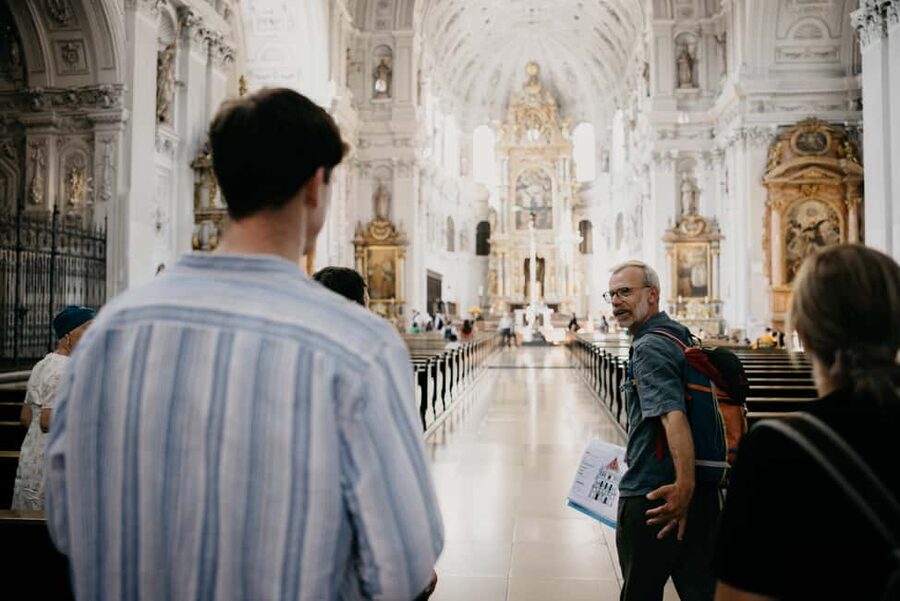
- Max 16 guests keeps the pace human and makes room for questions
- Philipp leads with a double lens: certified official guide plus working architect
- 500 years in one route: Romanesque to Modern, with big names like the Frauenkirche
- Isar River time: you get fresh air, Art Nouveau details, and street art you might miss on your own
- Gasteig Dachgarten finish: rooftop skyline views when conditions allow
- Practical extras: you get a digital map with Philipp’s favorite spots plus a postcard gift
Munich in 150 minutes: why this route works
If you’ve ever walked around Munich and thought, Wait, why does everything look different depending on the building?, this tour answers that fast. The core idea is simple: instead of treating architecture like a museum object, you treat it like a timeline of decisions—religion, power, money, technology, and taste.
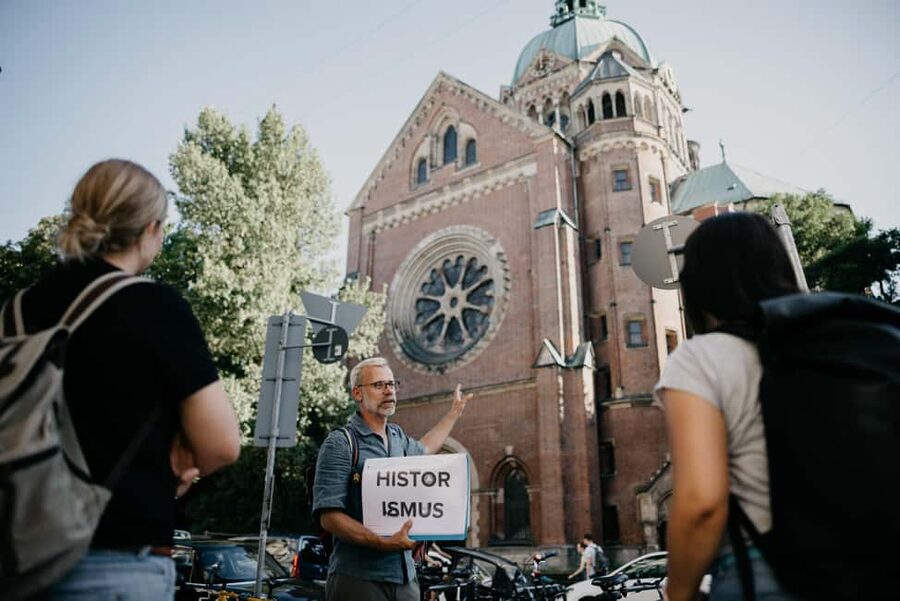
You’ll cover a broad sweep from Romanesque roots through Gothic, Baroque, Rococo, Neoclassical, Historicism, and into modern design. That range matters. It helps you stop seeing Munich as one style and start seeing it as layers.
The small group size (max 16) also changes the whole feeling. You can ask a real question without the guide sprinting to the next corner.
You can also read our reviews of more tours and experiences in Munich.

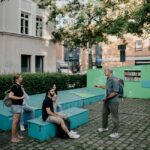
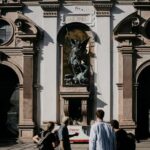
Meeting at Frauenplatz 1 and what to expect from Philipp
You meet outside, in front of the Frauenkirche entrance at Frauenplatz 1. Look for Philipp with a tablet slung over his shoulder.
Right away, you’ll know you’re in architect mode. He doesn’t just describe what you see. He explains how the parts work and why people built that way at that time. It’s also friendly. The tone stays clear and question-ready, and the tour keeps moving without feeling rushed.
This is one reason I think this tour is good value. You’re paying for guided interpretation, not just a sightseeing checklist.
Also, languages are English, German, and Spanish, so you can pick what fits you best.
Stop by stop: the Altstadt churches that anchor the story
The tour starts by the Frauenkirche, and that’s a smart first move. This is the kind of landmark that sets the visual tone for Munich. Standing nearby helps you understand what makes the city’s center recognizable from far away.
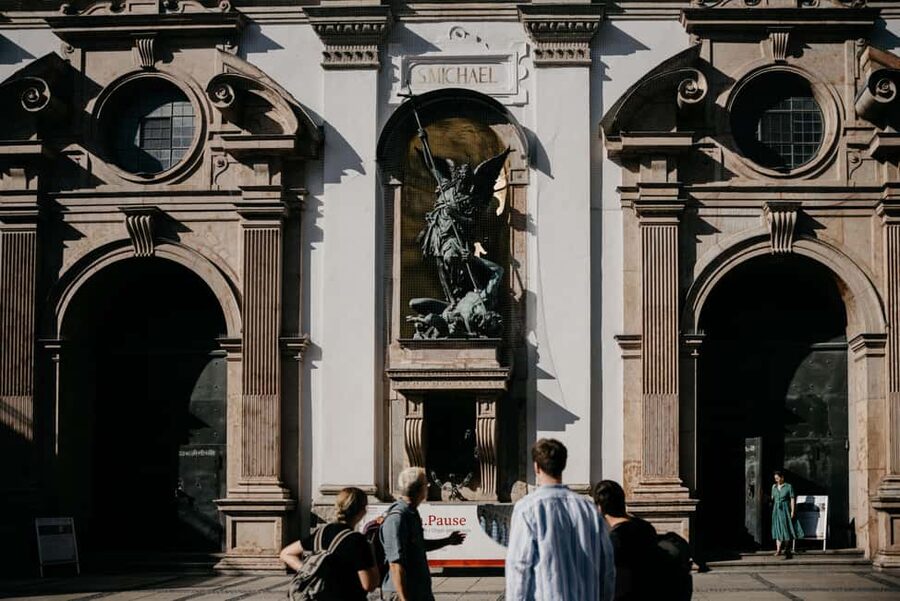
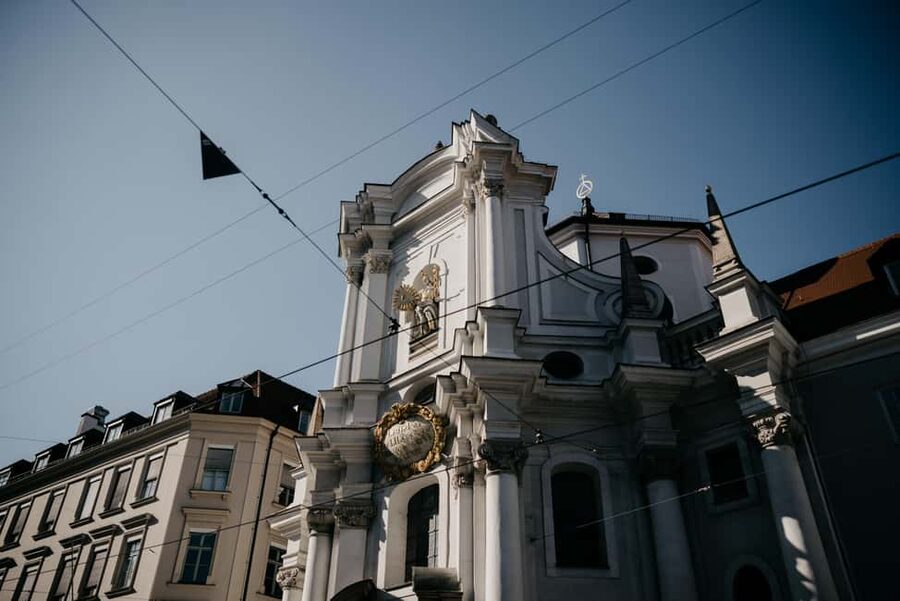
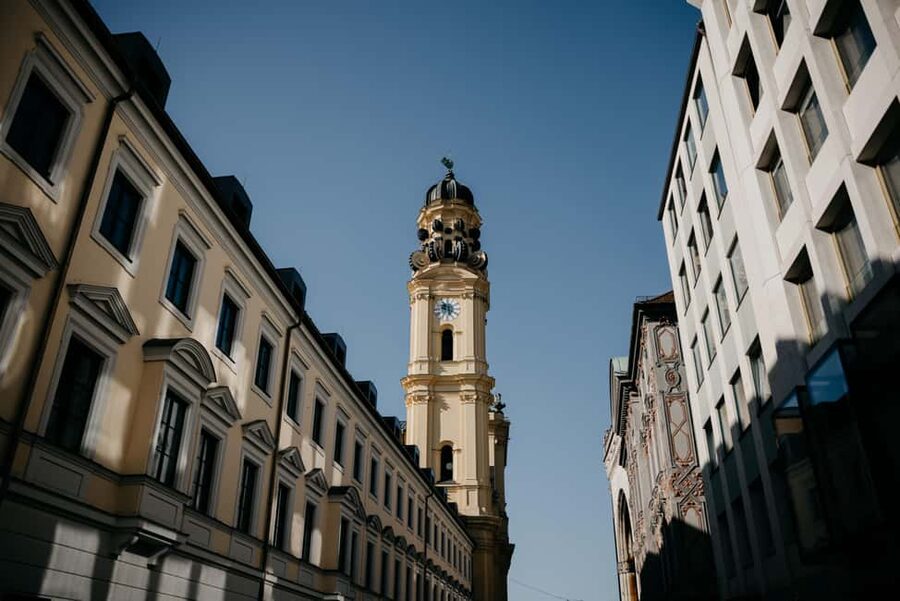
From there, you shift into church territory that teaches more than you might expect. You’ll visit St. Michael’s Church and the Theatine Church, then spend time on the Trinity Church.
Why these stops matter: church architecture is a fast way to see how priorities change over centuries. You’ll notice how design choices communicate authority, devotion, and public identity. Philipp helps you read those choices instead of just admiring shapes.
You’ll also get time with the Bavarian State Opera. It’s not a church, but it still fits the theme. Opera houses and royal institutions share a mindset: buildings can broadcast status, culture, and control.
If you like the idea of architecture as a living political statement, these moments click quickly.
Guided streets: Maximilianstraße, St. Lukas, and how neighborhoods get styled
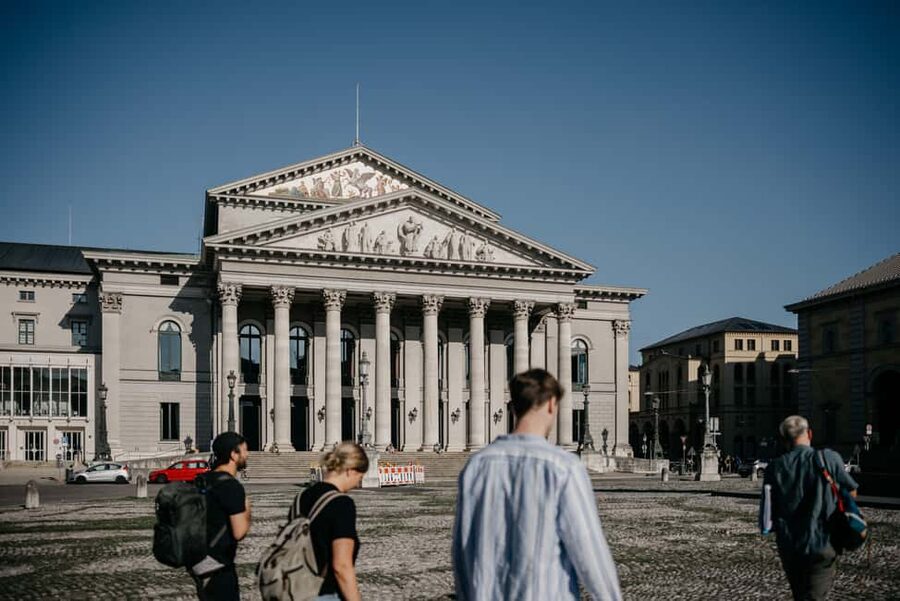
After the big anchor sites, the tour moves into guided street time along Maximilianstraße. This section is useful because it shows you what happens when architecture meets planning. You get a sense of how Munich framed certain streets to project an image.
Then you’ll do more guided stops at St. Lukas and the Müllersche Volksbad. These aren’t just random buildings on the route. They add texture to the timeline.
For me, the value here is that you start seeing patterns. When you learn what to look for—materials, proportions, ornament style, and how the building relates to the street—you’ll notice those same cues on your own afterward.
Hidden details without the tourist filter
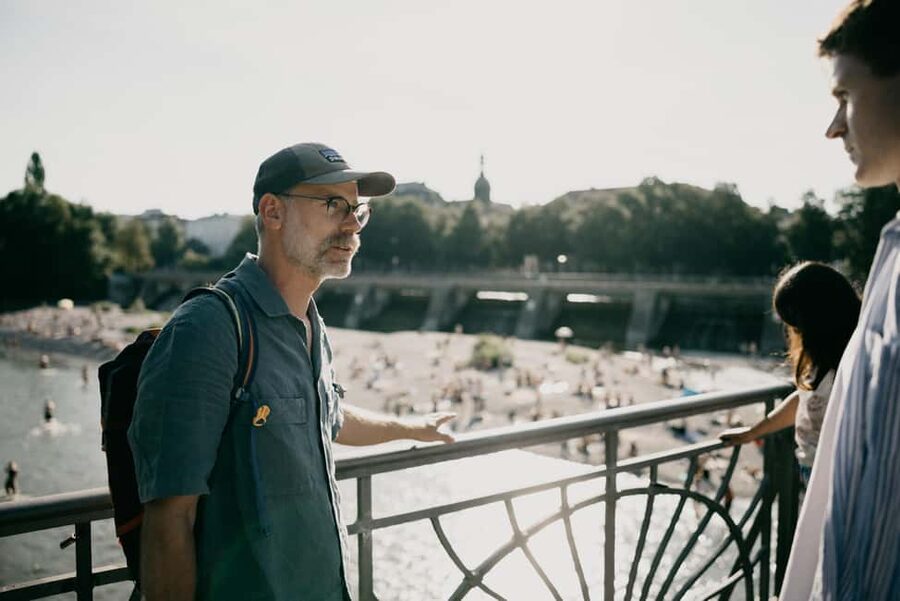
One of the strongest parts of this tour is the focus on architectural evolution with specific, sometimes lesser-seen stops. You’re not only hitting the obvious “postcard targets.”
Places like the Trinity Church and the Müllersche Volksbad help you understand how different time periods express themselves in real blocks of the city—not only on the grand squares.
Philipp also brings a family-friendly approach. That matters if you’re traveling with teens or kids who might otherwise tune out. The buildings are the headline, but the explanations stay easy to follow and interactive.
It’s also built around conversation. You’ll get a chance to ask questions, and the answers stay on track with the tour theme.

The Isar River shift: architecture meets nature and street creativity
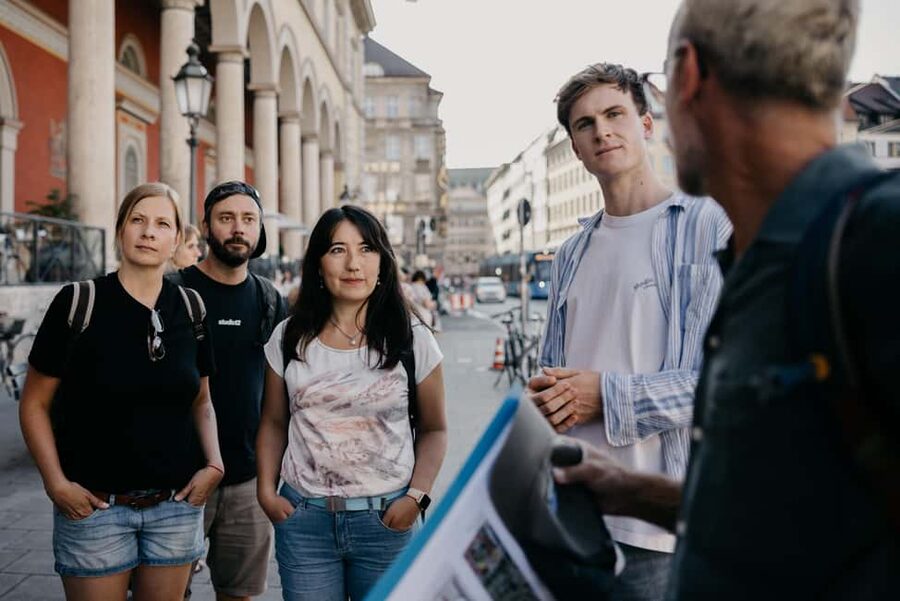
At some point you’ll get out of the dense center and move toward the Isar River. That’s a great pacing choice. After churches and ornate facades, you get air and open sight lines.
Along the river, the tour connects the dots to Art Nouveau and street art, plus you’ll see a modern museum element as you go. This part can be especially fun if you already like contemporary Munich, but you’re missing the historical reasons behind what you see today.
You also get a better sense of the city as a place where people actually live, walk, and spend time—not only a place made for photos.
One practical note: this is still walking. Wear comfortable shoes and plan for uneven spots. The tour isn’t for wheelchair users or those with mobility impairments, but even able-bodied folks will appreciate proper footwear.
Museum stop and Historicism-era signals
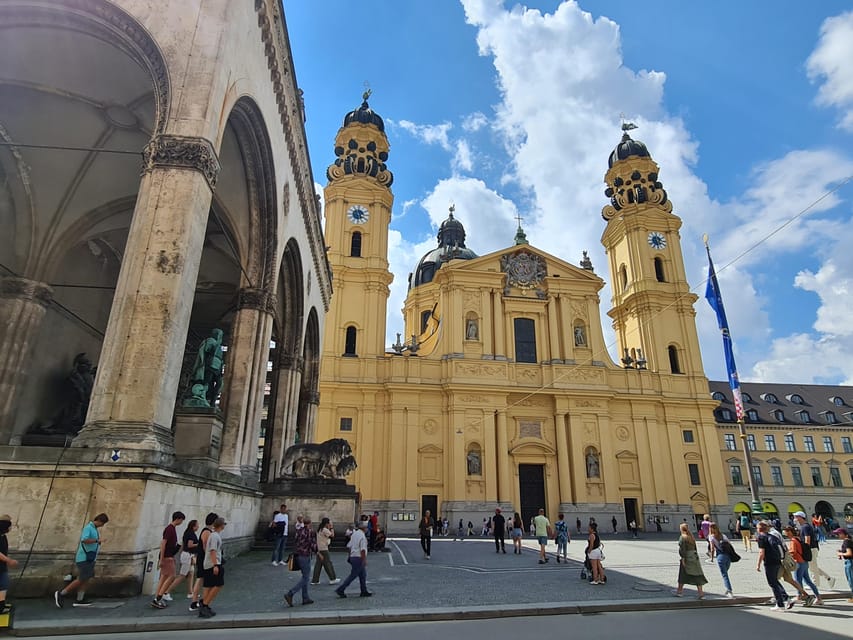
You’ll stop at the Sudetendeutsches Museum. That visit fits the broader theme of how architecture reflects major shifts in society. The point isn’t that one building equals one lesson. The point is that the city’s look changes when the world changes.
This is where you may notice the tour’s structure tightening. You’ve already seen earlier styles. Now you start recognizing how later periods build their own logic, sometimes borrowing forms, sometimes reacting against older ideas.
If you enjoy architecture as a conversation across time, the museum stop helps you anchor what you’ve learned.
The finish at Gasteig Dachgarten: skyline payoff
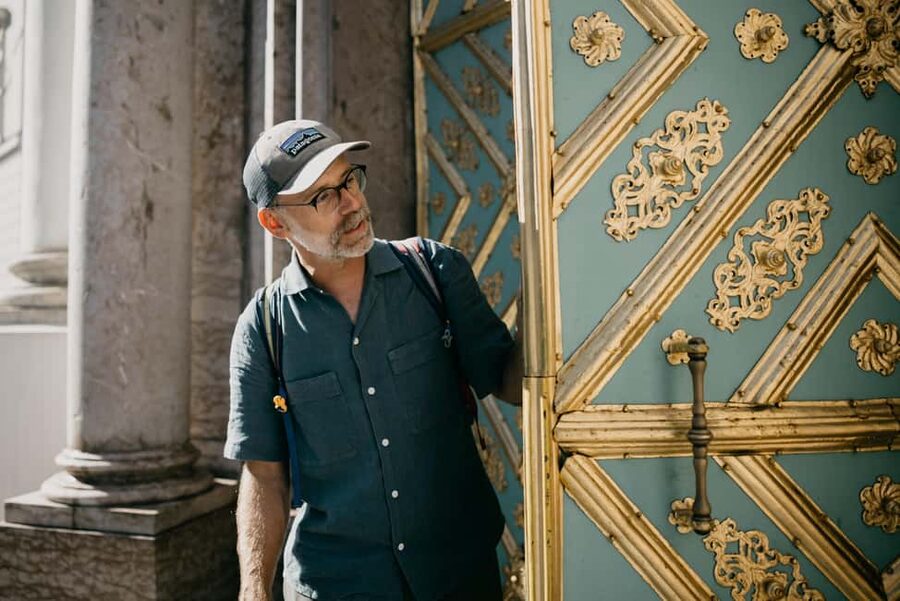
The tour ends at Dachgarten, on the Gasteig rooftop terrace. This is where you get a big-picture moment: Munich’s skyline, stretched out above you.
It’s weather-dependent, so if the day is clear you’ll feel like you hit the jackpot. Even if it’s cloudy, you still get the satisfaction of finishing high and seeing how the city’s layers sit together.
I like rooftop endings because your eyes can relax. You stop reading details and start scanning the whole urban pattern. After 500 years of architecture, that wider view makes the lessons stick.
Price and value: $30 for an architect-led walking tour
The tour price is $30 per person for 150 minutes. That’s a strong deal for what you’re getting: architect-led guidance plus certified official guiding, and a route that spans major eras instead of a single neighborhood.
You also get a digital map with Philipp’s favorite Munich spots, which is helpful if you want to keep exploring right after the tour. The postcard gift is small, but it supports the idea that you’ll leave with a specific highlight in mind.
Food and drinks are not included. That’s normal for a short walking tour, and it lets you choose where you want to eat afterward.
Since transportation to and from the meeting point isn’t included, plan to get yourself there using S-Bahn or subway. The easiest route is exiting at Marienplatz station and walking about 10 minutes.
Logistics that matter: walking time, duration, and pace
The duration is 150 minutes, and that length is just right for packing in a lot without turning it into an all-day grind.
You should still expect steady walking between stops. Church visits mean you’ll be standing and looking up at details. Plan to keep your pace comfortable.
The tour is family friendly, but it still isn’t ideal for mobility constraints. If that’s relevant for you, it’s best to choose a different format.
Also, smoking isn’t allowed.
Who should book this tour (and who might rethink it)
This experience is a great fit if you:
- Want a structured timeline of Munich architecture from Romanesque to Modern
- Like guided explanations that connect design to society and politics
- Prefer small groups where you can ask questions
- Enjoy both historic landmarks and more modern city scenes, including the river and street art
You might reconsider if you:
- Need wheelchair access or mobility-friendly logistics
- Don’t do well with walking and standing during church stops
- Are hoping for a mostly indoor tour
Should you book? My take
Book it if you want Munich to make sense. This is one of those tours where you leave seeing more than you saw on day one. The star is Philipp: architect-trained explanations paired with certified official guiding, delivered in a way that stays engaging and respectful of your questions.
You’ll get a real timeline, not just random points on a map. And the ending at Gasteig Dachgarten gives you that satisfying final wow when the weather cooperates.
If your priority is a relaxed stroll with lots of sitting breaks and minimal stairs, this might not be the best match. But for most walkers who want the city to click into place, it’s an easy yes.
FAQ
Where do we meet for the tour?
You meet outside in front of the entrance to the Frauenkirche cathedral at Frauenplatz 1.
How long is the 150-minute tour?
The tour duration is 150 minutes.
What’s the group size?
It’s a small-group experience with a maximum of 16 guests.
Who leads the tour?
The tour is guided by Philipp, an architect and certified official Munich tour guide.
What languages are offered?
The live tour guide offers English, German, and Spanish.
What’s included in the price?
Included: Philipp as your local architect and certified city guide, a special postcard gift, exclusive insights into hidden architectural gems, and a digital map with Philipp’s favorite Munich spots.
Is food or drinks included?
No, food and drinks are not included.
Is transportation included to and from the meeting point?
No. Transportation to and from the meeting point is not included.
Is the tour wheelchair accessible?
No. It’s not suitable for people with mobility impairments or wheelchair users.