REVIEW · SAVANNAH
Savannah: History and Architecture Homes Walk
Book on GetYourGuide →Operated by The Savannah Walks · Bookable on GetYourGuide
Savannah’s houses whisper stories at every turn. This 2-hour history-and-architecture walk shows you how 18th and 19th century Savannah home life got built—literally. I especially love the Owens-Thomas House stop and the way the guide connects style choices to real building materials.
You’ll also like how the tour uses a simple walking loop to keep the story moving, then ends near the Juliette Gordon Low Birthplace. I like that you can ask questions along the way instead of just following a script.
One consideration: the tone can vary a lot by guide—some leaning into ghost stories, and a few past guides taking a controversial approach to Civil War topics. If that matters to you, it’s worth checking in early so you know what kind of narration you’ll get.
In This Review
- Key things you’ll notice on this Historic District home walk
- A 2-hour Historic District route that turns houses into a story
- Warren Square start: where you begin and how to prepare
- Owens-Thomas House: the regency architecture lesson you’ll actually remember
- Green Meldrim House and Sherman’s wartime connection
- 18th to 19th century domestic life: the tour’s real value
- The guide experience: when it’s fantastic, and when you should be cautious
- Why the preservation story actually matters in Savannah
- Ending near Juliette Gordon Low Birthplace: a meaningful final note
- Price and value: is $30 for 2 hours worth it?
- Who should book this tour, and who might want a different one
- Should you book?
- FAQ
- What is the price of the Savannah History and Architecture Homes Walk?
- How long is the tour?
- Where do I meet for the tour?
- What’s included in the price?
- What isn’t included?
- What homes or landmarks will we see?
- When and where does the tour end?
- Does the tour run in rain?
- How should I dress for the tour?
- Can I get a full refund if my plans change?
Key things you’ll notice on this Historic District home walk
- Owens-Thomas House regency spotlight: You’ll learn why it’s considered a top example of regency architecture in the U.S.
- Green Meldrim House and Sherman’s wartime visit: Civil War context tied directly to the house you’re standing in.
- Two centuries of domestic building ideas: The guide explains how Savannah homes developed over time.
- A native Savannah guide style: Native insight plus time for questions, not just a lecture.
- Preservation explained in plain terms: You’ll hear how Savannah pioneered preservation back in the mid-1950s.
- Weather and walking pace matter: Expect a real sidewalk walk through the heart of town.
A 2-hour Historic District route that turns houses into a story
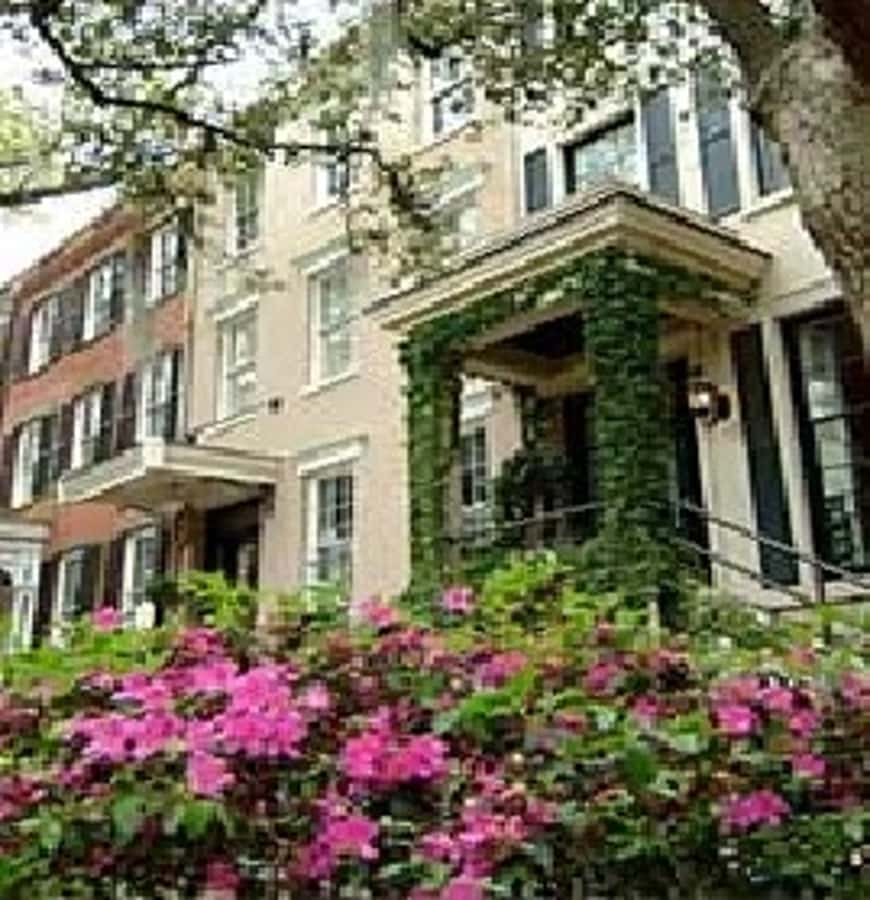
This isn’t a “look, pretty, next” kind of tour. It’s a guided walk through Savannah’s Historic District that stays centered on domestic architecture—how homes were designed, built, and used across roughly two centuries. In 2 hours, you get enough stops to understand the big shifts, without feeling like you’re sprinting across the city.
The format works well if you like history that feels physical. Instead of memorizing dates, you’re watching how changes in materials and design choices show up on real buildings. It also helps that the tour is guided by someone native to Savannah, so the city reads like a lived-in place rather than a museum exhibit.
You can also read our reviews of more tours and experiences in Savannah.

Warren Square start: where you begin and how to prepare
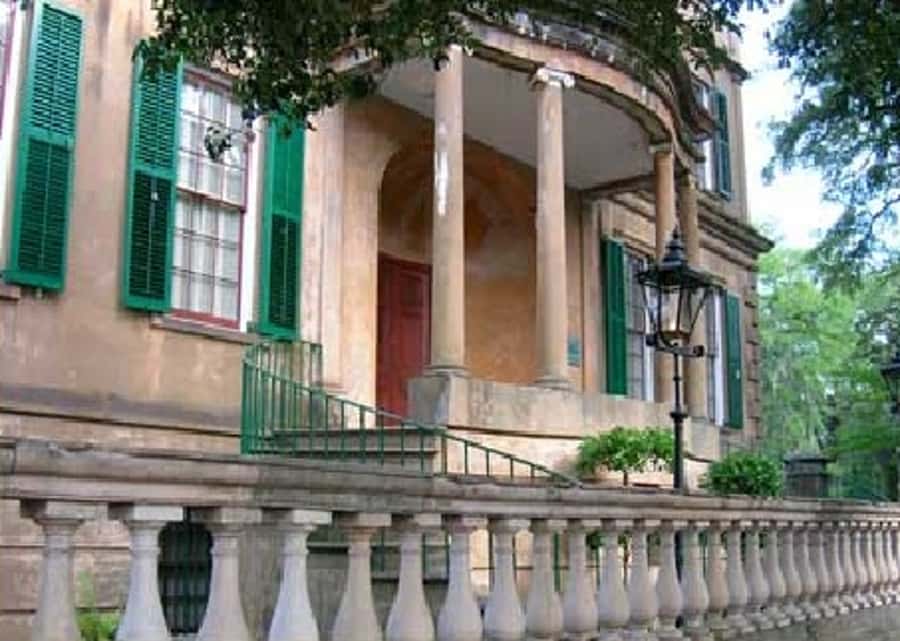
You meet at Warren Square, between Congress Street and Habersham Street. That matters because Savannah’s Historic District can feel like one continuous postcard, and showing up on time makes a big difference when you’re starting a walking loop.
Wear comfortable shoes. This is a walking tour through historic neighborhoods, and you’ll want support for uneven sidewalks and long stretches on foot. Also bring an umbrella or rain coat—these walks depart in light rain—plus water during summer heat and humidity.
If you can, arrive a few minutes early and get your bearings fast. One caution from past confusion: meeting-point updates have been wrong at least once in the past, so don’t assume the exact spot will be obvious if you’re arriving later than planned.
Owens-Thomas House: the regency architecture lesson you’ll actually remember
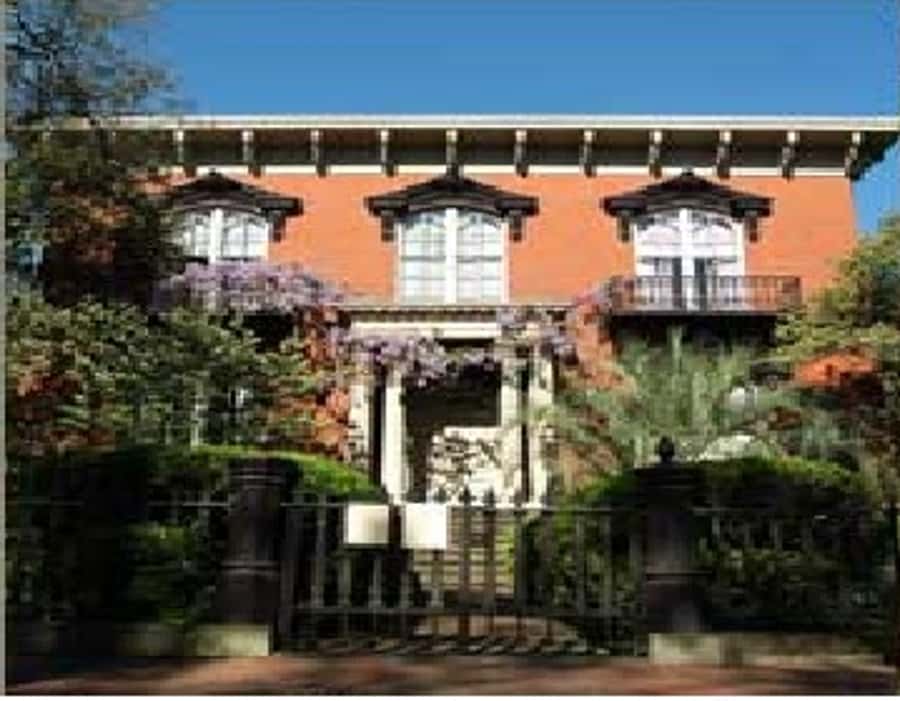
One of the biggest reasons people book this tour is the Owens-Thomas House stop. It’s widely regarded as the premier example of regency architecture in the United States, and the guide’s job is to translate that label into something you can see.
Here’s what I like about this kind of stop. Regencies, styles, and “-isms” can sound like museum jargon. But standing in front of a house that’s singled out nationally gives the story instant credibility. You’ll hear why Owens-Thomas is treated as a standout and how that style fits into Savannah’s broader architecture timeline.
This is also where I’d pay attention to the guide’s language about materials and home design. Even if you’re not an architecture nerd, the guide can help you connect details to the period—what people valued, what they built with, and how those choices shaped daily life.
Green Meldrim House and Sherman’s wartime connection
Another highlight is the Green Meldrim House, where General William T. Sherman was a guest during the Civil War. That detail turns the building from “historic” into “historically specific.”
I like that the tour doesn’t treat the Civil War as a separate chapter floating in the background. Instead, it ties the war story to a place you can stand in front of. That’s how history becomes memorable: when you can point to the building and say, this is where that happened.
Pay attention to what the guide emphasizes in this section. Some narration styles lean more dramatic, and one review noted the tour can include more ghost-leaning stories. If you prefer straightforward war history over spooky add-ons, you can gently steer the guide by asking a question about architecture and the house’s role in wartime Savannah.
18th to 19th century domestic life: the tour’s real value
The tour promise is architecture, but the real payoff is how the guide explains domestic dwellings over time. You’ll hear discussions about the development of Savannah homes across about 200 years, so the city stops being a set of beautiful facades and starts becoming a system of living spaces.
In practical terms, you’ll learn to look at homes as clues:
- Houses reflect wealth, social structure, and changing tastes.
- Building choices show what was available and what people wanted.
- Design tells you how households likely functioned day to day.
One review specifically praised a guide’s focus on the various building materials used in the 1800s and early 1900s, and that kind of explanation is exactly what makes this tour worth the ticket price. Materials aren’t just technical trivia—they’re why a house “reads” the way it does, and why preservation matters.
The guide experience: when it’s fantastic, and when you should be cautious
The best versions of this tour sound like a small masterclass. Multiple reviews praised guides for being entertaining, personable, and strong on dates and history. One person called their guide among the smartest they’ve ever met, noting phenomenal knowledge of the city and historical timeline. Another said the guide was entertaining and informative.
That said, guide tone can vary. One review mentioned the narration leaning a bit into ghost or haunted tidbits. Another was blunt about a guide presenting a pro-Confederate perspective and using language that was hard to hear about slavery. I can’t promise how every tour will sound, but I’d treat this as an important “fit” issue.
If sensitive topics matter to you, here’s your best move: ask how the guide approaches Civil War and slavery history at the start. A good guide will be able to answer calmly and respectfully. If you get a red flag, you can still enjoy the architecture, but you’ll know what experience you’re walking into.
Also, route accuracy has been an issue at least once in the past. One review noted a mismatch between expected homes and what was actually visited, and another described wrong meeting-point information causing a delay. Arrive early, stay alert, and confirm what stops are on today’s plan once the group forms.
Why the preservation story actually matters in Savannah
This tour doesn’t stop at “pretty houses.” It includes an angle on historic preservation, including how Savannah pioneered the concept back in the mid-1950s. That may sound like background noise, but it changes the way you interpret the buildings.
When a city invests in preservation, it changes what you get to see now. The homes you’re visiting weren’t just naturally protected; someone made preservation a priority. That’s why a tour that mentions preservation helps you understand what you’re looking at: these buildings are surviving because of choices made long after the original residents moved out.
I also like that the guide builds in time for questions. If you’re the type who wonders what restoration means in real life—what gets saved, what changes, what can’t be undone—that Q&A time is where you’ll get answers that you wouldn’t find from a quick guidebook glance.
Ending near Juliette Gordon Low Birthplace: a meaningful final note
The tour ends in the vicinity of the Juliette Gordon Low Birthplace. Built in 1818, it has been consecrated as Savannah’s first National Historic Landmark honoring the founder of the Girl Scouts.
I enjoy endings like this because it broadens the story just enough. You start with domestic architecture and the evolution of homes, and you end with a landmark connected to a specific person who shaped civic life. Even if your main interest is buildings, the stop gives you a clean emotional landing and a sense that Savannah’s history isn’t stuck in one era.
Price and value: is $30 for 2 hours worth it?
At $30 per person for about 2 hours, you’re paying for three things: a local guide, guided interpretation of multiple historic houses, and the chance to ask questions. In Savannah, where self-guided walking is easy, the value comes down to whether the guide helps you see more than you would on your own.
When the guide is strong, this tour is a good deal. Reviews praised guides for smart, date-strong storytelling and for explaining building materials clearly. That kind of interpretation turns “I walked by pretty houses” into “I understand why these homes look the way they do.”
If you’re already fluent in architecture terminology, you might find the narration more basic than you want. But for most people, the combination of a focused route, named historic houses, and Q&A time makes it feel efficient and fair.
Who should book this tour, and who might want a different one
This is a great fit if you:
- want a walk that stays focused on homes and architectural change
- enjoy having a guide connect details to bigger historical context
- like learning from a local voice and asking questions during the tour
You might want to choose something else if you’re hoping for a strictly ghost-free, strictly chronological experience. One past tour leaned into haunted tidbits, and at least one guide reportedly handled Civil War topics in a way that didn’t sit well with someone on the group. If that’s a deal-breaker, do a quick check of what you’re signing up for and how the guide frames sensitive history.
Should you book?
I’d book this if your goal is to understand Savannah through its domestic architecture, not just take photos. The named stops—especially Owens-Thomas and Green Meldrim—give the walk structure, and the preservation and materials talk adds substance.
Go ahead and book if you like guided explanations, can handle a real walking duration, and you’re okay with the fact that guide style can vary. I’d be a little more selective if Civil War narration tone is sensitive for you, or if you want zero spooky content—then ask directly at the start and don’t be shy about course-correcting your expectations.
FAQ
What is the price of the Savannah History and Architecture Homes Walk?
The tour costs $30 per person.
How long is the tour?
The duration is about 2 hours.
Where do I meet for the tour?
You meet at Warren Square, between Congress Street and Habersham Street.
What’s included in the price?
It includes a guide native to Savannah, a better understanding of 18th and 19th century life in the South, an opportunity to ask questions, and appreciation for historic preservation (including how Savannah pioneered preservation in the mid-1950s).
What isn’t included?
Transportation is not included.
What homes or landmarks will we see?
You’ll see the Owens-Thomas House, the Green Meldrim House, and the tour ends near the Juliette Gordon Low Birthplace.
When and where does the tour end?
The tour ends in the vicinity of the Juliette Gordon Low Birthplace, which was built in 1818.
Does the tour run in rain?
The walks depart in light rain, so bring an umbrella or rain coat if weather looks questionable.
How should I dress for the tour?
Wear comfortable walking shoes and dress for the weather. In summer, bring water and be mindful of heat and humidity.
Can I get a full refund if my plans change?
Yes. You can cancel up to 24 hours in advance for a full refund.