REVIEW · WILLIAMSBURG
Private Colonial Williamsburg Architectural Tour
Book on Viator →Operated by Williamsburg Architectural Gems · Bookable on Viator
One word: buildings. This private Colonial Williamsburg architecture tour is a tight, four-hour route that gets you inside several big-name sites, not just out on the sidewalk. You’ll start at the Colonial Williamsburg Visitor Center, then move through the Governor’s Palace, the Capitol, Bruton Parish Episcopal Church, and William & Mary’s Christopher Wren building—all with entry included.
What I like most is the focus on how the architecture works, not just who lived where. I also love the built-in wayfinding help: you get the official map, and the guide connects the design choices from building to building, including the link between British influences and local Colonial adaptations.
The main drawback to consider is that this isn’t built for little kids or teens under 17, and it’s not a long sit-and-watch kind of outing. If you want a relaxed pace with lots of breaks, you may want to plan for a bit of walking and standing during each stop.
In This Review
- Key highlights worth planning for
- The big idea: architectural design, not just sightseeing
- Starting at the Colonial Williamsburg Visitor Center: get your bearings fast
- Inside the Governor’s Palace: the design lesson stop
- The Colonial Williamsburg Capitol building: power made visible
- Bruton Parish Episcopal Church: classic proportions in a worship setting
- William & Mary and the Christopher Wren building: architecture across time
- What’s included (and why it affects the value)
- Booking timing and what it means for your day
- Weather matters more than you’d think
- Who this tour fits best (and who might want a different format)
- Should you book the Private Colonial Williamsburg Architectural Tour?
- FAQ
- FAQ
- How long is the Private Colonial Williamsburg Architectural Tour?
- What stops are included in the tour?
- Is admission included for the buildings?
- What is included with the tour besides the guide?
- What isn’t included in the price?
- Where does the tour start and end?
- Is the tour suitable for children or teens?
Key highlights worth planning for
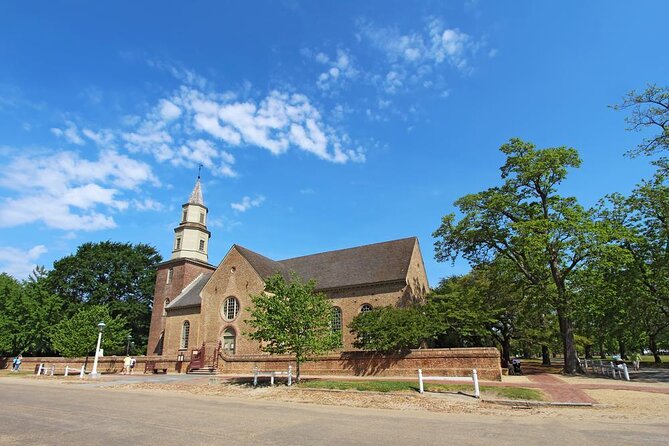
- Five major interiors in about four hours, with about 45 minutes at each stop
- Admission tickets included for every major site on the route
- Visitor Center orientation first, with originals, reproductions, and optional films
- Governor’s Palace is the design lesson, including connections to Palladian and Georgian ideas
- A guide who can explain clearly, with lively conversation and humor (Dennis is cited for this)
The big idea: architectural design, not just sightseeing
Colonial Williamsburg can feel like a museum version of a town, and that’s exactly why this tour is smart. Instead of treating the buildings as backdrop, the tour uses them as the lesson. You’ll spend your time looking at shapes, proportions, materials, and layout—then tie those details to the political and cultural story of the era.
Price-wise, $195 per person looks “premium” until you factor in one key thing: admission to the listed buildings is included. That means you’re paying for a guided, private run through the interiors of high-demand sites, rather than only doing walk-up viewing. When you break the cost down across five stops, it starts to make practical sense—especially if you’d otherwise pay for each attraction separately.
One more practical win: this is a private activity, so you’re not sharing the route with strangers who have slower questions or different interests. If your group likes architecture (or just wants a smarter lens on it), that one-on-your-group structure matters.
Starting at the Colonial Williamsburg Visitor Center: get your bearings fast
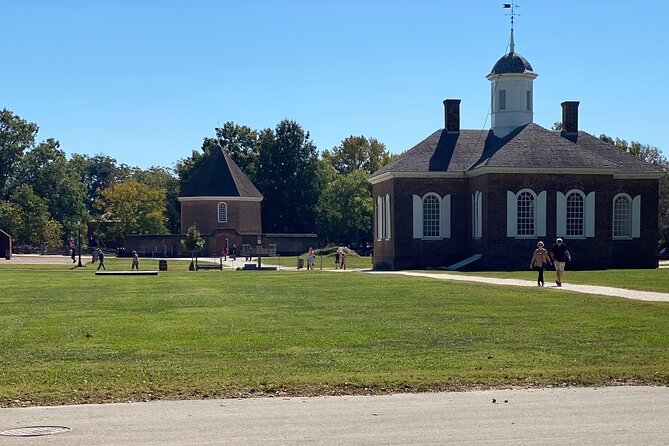
Your tour begins at the Colonial Williamsburg Visitor Center (101 Visitor Center Dr). This first stop sets you up to actually see what you’re about to visit. You’ll spend about 45 minutes here, looking at original examples and reproductions of Colonial Williamsburg’s architecture.
If you like context, the option to watch films can help you get the basics in before you start touring rooms and entrances. Even if you skip the film, the Visitor Center is still where the tour builds its visual vocabulary: what to look for, what matters, and how the pieces connect.
This is also where you’ll get oriented around the tour’s “why.” The guide can point you toward the design cues that keep showing up—doors, windows, symmetry, classical references—so the later stops don’t turn into a checklist. In a town of historic buildings, that’s the difference between collecting photos and understanding what you’re looking at.
Inside the Governor’s Palace: the design lesson stop
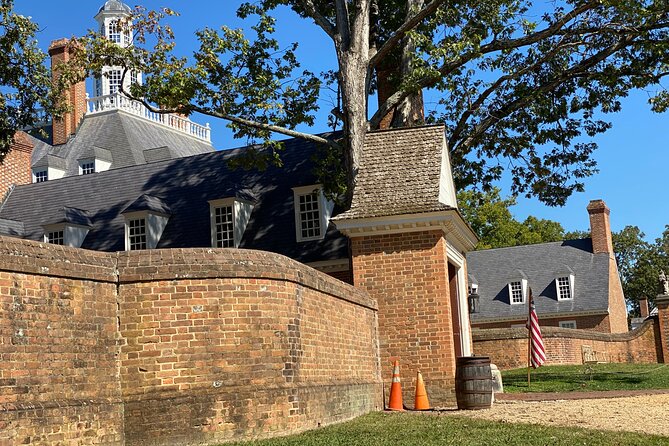
Next up is the Governor’s Palace. You’ll enter and tour the exterior and interior, plus you’ll look around the surrounding buildings and gardens. This is another 45-minute block, and it’s often the emotional and architectural high point for people who care about style.
A lot of the praise for this tour centers on how the guide explains the architecture here. One named guide, Dennis, is specifically praised for connecting British and Colonial design to Palladianism, and the Governor’s Palace is called out as a strong example of Palladian and Georgian ideas.
Even if you’re not an architecture nerd, you’ll probably notice the payoff. Palladianism is basically about using classical order—think balance, rhythm, and a “rule-based” elegance—while Georgian design leans into refined symmetry and formal composition. When a guide points out those patterns in the rooms and on the facade, you suddenly understand why the palace feels “official” in a way an ordinary home doesn’t.
One consideration: this is an interior-and-exterior stop with time packed in. Wear shoes you can stand in comfortably, and keep your camera ready—but don’t let photos replace attention. The guide’s best moments are usually when you’re looking at something you might otherwise glide past.
The Colonial Williamsburg Capitol building: power made visible
After the palace, you’ll head to the Colonial Williamsburg Capitol building, with about 45 minutes to view the interior and exterior. This stop is where architecture shifts from “status and style” toward “institutions and governance.”
What I like about placing the Capitol after the palace is that your brain starts comparing. The Governor’s Palace helps you recognize formality and classical influence. The Capitol then lets you see how public power gets expressed through space—layout, entry points, and how interior rooms feel designed for decision-making rather than private life.
You’re not just looking at stone and wood here. You’re looking at how a community wanted power to appear. A guided walkthrough helps because the details are subtle unless someone tells you where to look.
If you’re the type who loves to ask why something is where it is, this stop gives you room for those questions. If you’re more photo-focused, you still get what you need because the building is one of the most recognizable “center of government” structures in the area.
Bruton Parish Episcopal Church: classic proportions in a worship setting
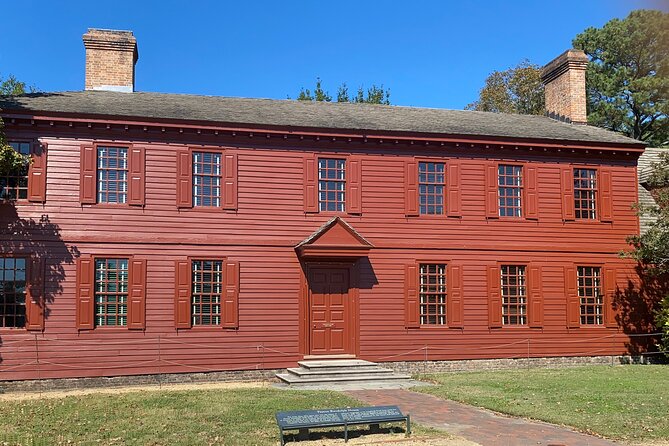
Your next stop is Bruton Parish Episcopal Church. You’ll see both the exterior and the interior, again with about 45 minutes.
Church architecture is a great counterpart to the civic buildings on this route. The palace screams authority. The Capitol communicates governance. Then the church brings in another layer: community identity, religious practice, and the way sacred spaces borrow classical visual rules.
The tour’s structure helps you learn by contrast. As you move from building type to building type, you’ll likely start spotting patterns—again, symmetry, rhythm, and classical cues—but you’ll also notice how those patterns adjust for different purposes. A worship interior is not a palace interior, and a guided explanation helps you understand the design choices.
One practical tip: if you’re visiting during a time when your eyes are a bit tired from bright outdoor light, take a moment when you step inside. Let your eyes adjust so you can see the interior details rather than only the “big view” shots.
William & Mary and the Christopher Wren building: architecture across time
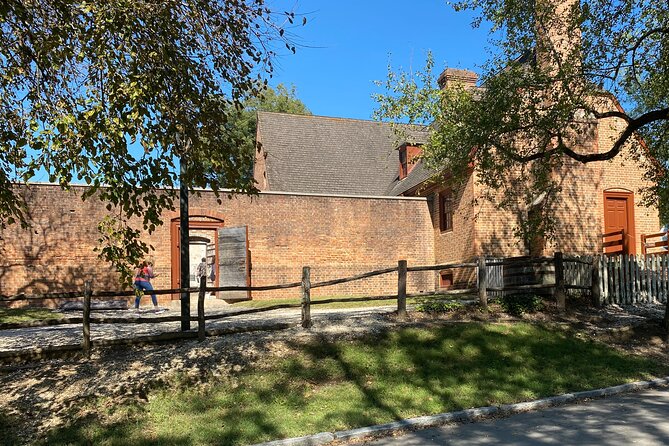
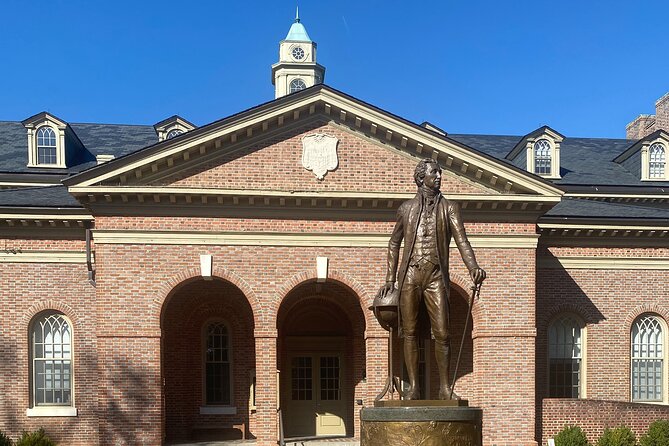
The final site on your route is William & Mary, where you’ll view the exterior and interior of the Sir Christopher Wren building. You’ll get another 45-minute stop, which gives you just enough time to see it properly without feeling rushed across the whole campus area.
This stop matters because it shows you architecture as education and legacy, not only as politics. When you combine this with what you learned at the palace and the Capitol, you can start seeing how design traditions travel and how communities adapt them.
In the tour details, Sir Christopher Wren is specifically named, and that’s a useful anchor. Wren is strongly associated with English architecture traditions, so having that name tied to the building helps you connect the “British influence” theme you heard earlier. A guide who explains the British-to-Colonial chain of ideas can make this stop feel more than just a final building on the list—it becomes the payoff moment where the broader pattern clicks.
What’s included (and why it affects the value)
This tour includes an official Colonial Williamsburg map. On a self-guided day, those maps are often nice, but on a guided route they’re more functional. They let you keep your bearings and double-check your mental model of where you’ve been and what you’ve seen.
Also included is admission for all the major stops listed. That’s a big deal here because it changes the day from “look from outside, hope for the best” into “plan a timed route and go inside.”
Not included items are also worth knowing so you don’t get surprised. Lunch, brunch, dinner, snacks, and bottled water aren’t part of the price, and there’s no private transportation included. You’ll want to plan your food timing before you start, and if you’re bringing water, that’s on you.
Booking timing and what it means for your day
This experience is typically booked about 10 days in advance on average. That tells me you should plan ahead, especially if you’re traveling during peak seasons or on a weekend. A private tour is easier to schedule when there’s flexibility, and the sooner you lock it in, the less stress you’ll feel on the calendar.
The tour runs about 4 hours, with five stops at roughly 45 minutes each. That pacing is one reason it works well for architecture lovers. You get depth at each location, but the route stays tight enough that you aren’t worn out after two buildings.
Weather matters more than you’d think
The experience requires good weather, and the operator offers either a different date or a full refund if it gets canceled due to poor weather. Since parts of this route involve exterior viewing and moving between sites, weather can affect your comfort and your ability to enjoy the exterior-focused parts of each stop.
If your schedule is tight, it’s still worth booking—but if you’re traveling in a season with unpredictable rain, keep your backup options in mind.
Who this tour fits best (and who might want a different format)
This is a private tour with language support in English, near public transportation, and it allows service animals. It also asks for a moderate physical fitness level, and it’s not recommended for children and teenagers under 17.
So who should book? I’d point you toward this tour if:
- you care about architectural style and want it explained in plain language
- you want interior access without dealing with separate admissions
- your group prefers a private pace rather than joining a larger crowd
- you like humor and conversation as part of the learning
Who might skip or reconsider? If you want a slow, stroller-friendly day with long downtime, or if you’d rather focus on town wandering and shopping, this route is probably too structured.
Should you book the Private Colonial Williamsburg Architectural Tour?
If you’re choosing between a casual stroll and a guided architecture-focused day, I think this one wins on value and clarity. The biggest reason: you get interior access at five major landmarks, and the admission tickets are included in the $195 per person price. Pair that with an official map and a guide who can connect design ideas—especially the British-to-Colonial story—and you’re paying for understanding, not only access.
If your group is curious about Palladian and Georgian influences, or you simply want the “how to look” skills that make historic buildings come alive, this tour is a strong fit. Book it with good walking shoes, plan on food separately, and bring your questions. You’ll get far more out of Colonial Williamsburg when the buildings are taught like a real subject.
FAQ
FAQ
How long is the Private Colonial Williamsburg Architectural Tour?
The tour lasts about 4 hours.
What stops are included in the tour?
The tour includes the Colonial Williamsburg Visitor Center, Governor’s Palace, the Colonial Williamsburg Capitol Building, Bruton Parish Episcopal Church, and William & Mary (the Sir Christopher Wren building).
Is admission included for the buildings?
Yes. Admission tickets are included for each of the listed stops.
What is included with the tour besides the guide?
You receive an official Colonial Williamsburg map.
What isn’t included in the price?
Lunch, brunch, dinner, snacks, bottled water, and private transportation are not included.
Where does the tour start and end?
It starts at Colonial Williamsburg Visitor Center, 101 Visitor Center Dr, Williamsburg, VA 23185, USA, and ends back at the meeting point.
Is the tour suitable for children or teens?
It is not recommended for children and teenagers younger than 17.