REVIEW · LUBECK
Lübeck: Architecture and Local Craft Private Guided Tour
Book on GetYourGuide →Operated by Hamburg Tours · Bookable on GetYourGuide
Brick and history, right at the Holstentor. This private 90-minute tour is a focused way to see Lübeck’s Hanseatic brick architecture up close, including the churches and the little courtyards most visitors miss. I love how much your guide connects the buildings to everyday city life, and I also love the stop in the town market where you see major landmarks like the Ratskirche. One thing to consider: some church visits may have a small optional entrance fee.
You start at the Holstentor, then you’ll walk through quaint streets, market-area sights, and passageways tied to Lübeck’s medieval building habits and later changes. Since this is private (up to 8 per group) and offered in English or German, it’s easy to ask questions as you go. The main tradeoff is simple: it’s a compact walk, so go in with comfy shoes and don’t expect long free time at each spot.
In This Review
- Key things that make this Lübeck tour worth your time
- Meeting at Holstentor: the best place to start the Lübeck story
- Hanseatic brick Gothic: what you’re actually looking at
- Streets, city planning, and why medieval growth wasn’t tidy
- Church architecture: what to watch for when the skyline turns Gothic
- The town market and Ratskirche St. Marienchurch: Lübeck’s big card
- Buddenbrockhaus to Glockengießerstraße: moving from famous to secret
- A local merchant’s house and the brick-making story
- How the 90 minutes feels in real life (and how to make the most of it)
- Price and value: paying for a story you can see
- Who this tour fits best (and who might skip it)
- Should you book Lübeck: Architecture and Local Craft Private Guided Tour?
- FAQ
- Where is the meeting point?
- How long is the tour?
- Is this a private tour?
- What languages are available?
- What’s included in the price?
- Are church entrances included?
- Can I choose the start time?
- Is free cancellation available?
Key things that make this Lübeck tour worth your time
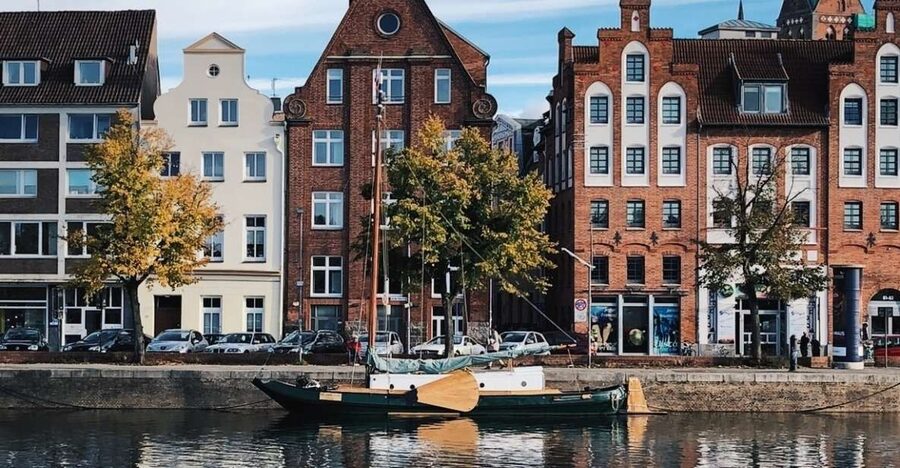
Holstentor as your anchor point: you meet right at the city’s most iconic gateway, so the story starts fast.
UNESCO core, in walking form: you get a guided route through the brick-Gothic heart of Lübeck.
Churches plus city buildings, not just one type of sight: the tour balances religious architecture with civic and merchant houses.
Town market highlights: you pass the town hall area and see the Ratskirche St. Marienchurch.
Courtyards and passages off the main streets: Glockengießerstraße is where the city’s hidden “in-between” spaces come alive.
Brick-making as a key to Lübeck’s power: you learn why mastering this craft mattered so much to residents.
Meeting at Holstentor: the best place to start the Lübeck story
Your guide meets you at the Holstentor entrance. That matters more than it sounds. The Holstentor isn’t just a pretty backdrop; it’s a living reminder of Lübeck as a trading city with wealth and organization. Starting here gives you a visual reference point while you learn how the city grew and how its architecture reflects that growth.
You’ll head out from the gateway and into the streets of Lübeck’s UNESCO-listed historic core. The pace is designed for a 90-minute visit, so you won’t be rushed in a chaotic way. Instead, expect a steady rhythm: look at the buildings, get the explanation, then look again with new eyes.
If you’re the type who likes to understand why something looks the way it does, you’ll likely enjoy this format. Lübeck’s brick buildings can look uniform at first glance, but your guide will show you how construction choices and later alterations created variety street by street.
You can also read our reviews of more tours and experiences in Lubeck.
Hanseatic brick Gothic: what you’re actually looking at
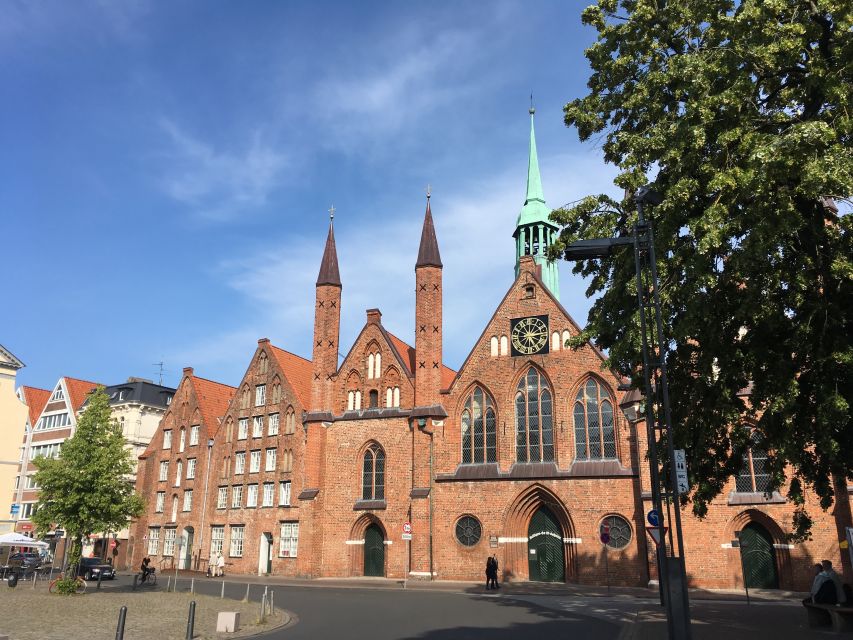
Lübeck is famous for Gothic brick architecture. On this tour, you learn to notice the details that explain the reputation: the way brickwork defines facades, how the city’s wealth and building skills show up in church and civic structures, and how the architecture ties back to medieval life.
Your guide also focuses on the history surrounding the buildings. That’s the real value here. It’s easy to take photos of old walls. It’s better to know what those walls were built to do and why Lübeck residents cared so much about craftsmanship.
During your walk, you’ll hear about Lübeck’s original street system and the way construction areas expanded in the Middle Ages. You’ll also get context about sagging houses and modern gable alterations. Those topics aren’t random trivia. They help you understand that historic cities are not frozen in time. Houses shift, facades change, and the “old” you see today is the result of many decisions made over centuries.
So when you look at a building and think, How did they build that? you’ll have the background to answer it. And when you see structural quirks like sagging, you’ll understand it as part of the city’s real history—not a defect, but evidence of time, ground conditions, and ongoing maintenance.
Streets, city planning, and why medieval growth wasn’t tidy
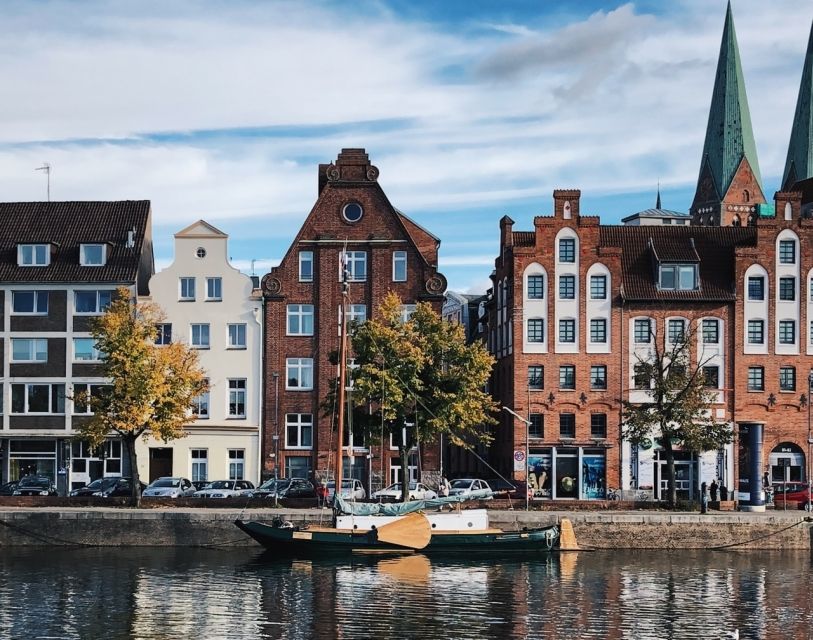
One of the most interesting parts of this tour is how your guide talks about city layout. You’ll learn about Lübeck’s original street system, then how the construction areas expanded artificially in the Middle Ages. That wording is a hint that this wasn’t just natural growth. The city had to manage space, expansion, and building conditions.
As you walk, pay attention to how buildings meet the street and how corners feel tight or open. Medieval planning often created predictable patterns, but Lübeck’s growth included added building zones, so the result can look slightly irregular in places. That’s normal here, and your guide will help you read those changes.
You’ll also hear about gable alterations. Gables are a big visual element in Lübeck’s architecture, and changes over time can make two similar-looking buildings feel different. If you’ve ever visited another German historic city and felt like the architecture blended together, Lübeck is different. It keeps you engaged because it shows transitions—old forms plus later repairs and modifications.
Church architecture: what to watch for when the skyline turns Gothic
Lübeck’s churches are a major highlight. This tour sets you up to understand why these buildings are so important in a trading city—religion and civic power were never separated as neatly as we might imagine today.
You’ll visit key church-related stops as you move through the center, and your guide will point out features tied to the city’s world-famous church architecture. Some church entrance visits may include an optional entrance fee of 2.00 EUR. That’s useful to know in advance so you don’t get surprised on the spot.
Even if you choose not to pay any optional fees, you’ll still get the architectural story from the outside and from the way the tour frames what you’re seeing. Your guide connects what makes a church visually impressive to what it meant for Lübeck’s residents—especially the role of craftsmanship and building skill in creating durable landmarks.
The town market and Ratskirche St. Marienchurch: Lübeck’s big card
A standout moment comes at the town market place. This is where Lübeck feels most like a living historic capital rather than just a collection of old buildings.
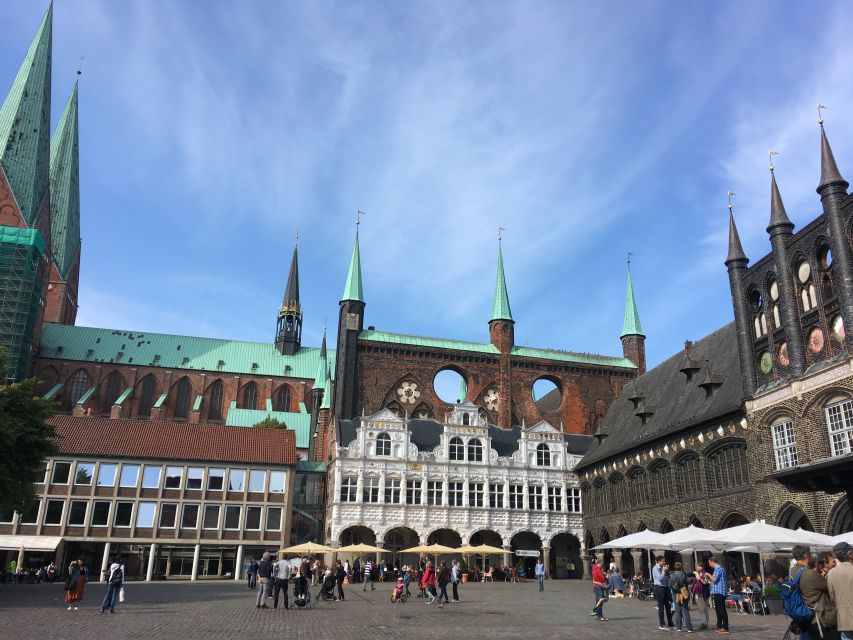
Here you can marvel at the town hall and the Ratskirche St. Marienchurch. The Ratskirche is the kind of landmark that changes your photo style immediately. It’s not just big; it’s visually assertive, and it sits in a square where the surrounding buildings help frame it like theater sets.
What I like about this stop is that your guide doesn’t treat it as a must-see list item. Instead, the talk helps you understand why the city invested in these structures. In a Hanseatic context, church architecture often signals wealth, civic identity, and collective pride—things merchants and city leaders would absolutely care about.
If you’re traveling with friends who usually rush through churches, this stop can win them over. Market squares are naturally social spaces, and the Ratskirche is so iconic that it pulls you in even if you’re not a church person.
Buddenbrockhaus to Glockengießerstraße: moving from famous to secret
After the market-area highlights, you move onward past the Baroque Buddenbrockhaus and toward Glockengießerstraße. This is a shift in mood—from the open, public feeling of the town center to the more enclosed, human-scale spaces where Lübeck’s everyday architecture shows its personality.
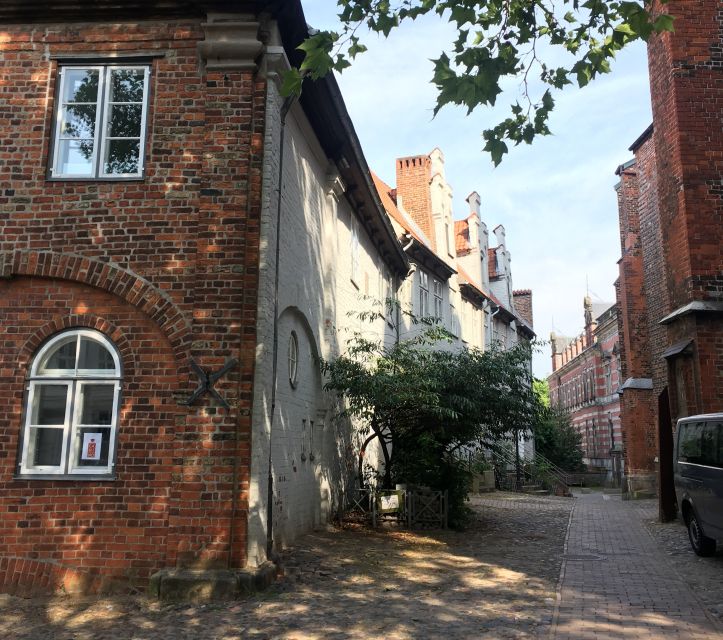
Glockengießerstraße is where you’ll see several passages and courtyards. These are the spaces that make a walk through Lübeck feel intimate. You’re not just staring at one facade; you’re watching how buildings connect, how movement happens through tight spaces, and how courtyards created light and air in dense urban areas.
Your guide explains the history and construction of these passages and courtyards. That background helps you understand why they exist in the first place. If you’ve ever wondered how cities packed so many people and jobs into small areas without everything feeling chaotic, this section gives you a satisfying answer.
A local merchant’s house and the brick-making story
One of the most memorable parts is the visit to a local merchant’s house and the focus on brick-making. This is where the tour earns its keep.
Brick-making isn’t just a technical process. In Lübeck’s context, it’s a competitive advantage. Mastering this craft mattered to Lübeck and its inhabitants because it connected skill, durability, and the ability to build at a scale that reflected the city’s ambitions.
As you listen, you’ll likely start noticing brickwork patterns more carefully. You may also start imagining how trade and labor were organized. That’s the kind of mental shift that turns a quick sightseeing walk into something you remember.
This is also where the private format really shines. If you’re curious—about construction, materials, or how a city’s economy shapes its architecture—your guide can answer your questions in real time. The guide quality is a big reason the tour scores well in feedback, with multiple people praising the thorough, history-focused explanations and the willingness to answer questions.
How the 90 minutes feels in real life (and how to make the most of it)
Ninety minutes is short enough to stay energetic, but long enough to feel like a proper tour rather than a quick highlights sprint. You’ll be walking through the center and covering multiple architectural “types”: gateway landmark, street patterns, civic and market-area sights, churches, then passageways and merchant spaces.
Here’s how to enjoy it most:
- Wear comfortable shoes. You’ll cover enough ground that your feet will notice if you skimp.
- Bring questions. This is private, and the best tours are the ones where you can tailor the conversation.
- Plan for optional church entrance fees if you want to go inside. The tour makes it clear that church entrances can cost 2.00 EUR.
Because it’s a private group (price is for a group up to 8), splitting the cost among a few people can make it feel more like a value booking than a pricey solo activity. Even if you travel just as a couple, this private structure can still be worth it if you like deep explanations and don’t want to feel stuck behind a crowd.
Price and value: paying for a story you can see
At $277 per group (up to 8), you’re paying for a professional city guide and a guided walking experience that covers multiple key Lübeck areas in a tight time window. That price can look high at first if you only think in per-person terms.
But for a private group, the math changes fast:
- If you have 4 or more people, your per-person cost drops noticeably.
- If you care about interpretation—why buildings look the way they do—this tour can replace several separate stops where you’d otherwise need to read guidebooks or rely on scattered signs.
- You also get the benefit of live Q&A during your walk, which is hard to price until you experience it.
If you’re traveling solo and want the most budget-friendly option, you might prefer self-guided browsing. If you want the city to make sense quickly and you like guided context, this one is easier to justify.
Who this tour fits best (and who might skip it)
This tour fits best if you:
- Love architecture and want context for Gothic brick and medieval city design
- Want to see the town market area and major church landmarks without turning your day into a checklist
- Enjoy small, conversational learning rather than loud group tours
- Like practical city stories, including how building craft shaped Lübeck’s identity
You might skip it if:
- You only want long photo stops and minimal walking
- You’re traveling strictly to enter churches and spend time inside them, since the tour is structured around guided sight-based interpretation in 90 minutes
Should you book Lübeck: Architecture and Local Craft Private Guided Tour?
I’d book it if you want a clear, guided path through Lübeck’s UNESCO brick core with strong explanations and a craft-focused angle. The Holstentor start gives you momentum, the town market and Ratskirche give you major payoff, and the Glockengießerstraße courtyards add the kind of quiet detail that turns a city visit into something you remember.
For a solid choice, pair this with a bit of free time afterward to wander at your own speed. You’ll walk out with a better sense of what to look for next—especially in how Lübeck’s buildings reflect changes over time, from medieval planning to later alterations. If you want Lübeck to feel understandable rather than merely old, this private tour is a good way to get there.
FAQ
Where is the meeting point?
The guide meets you at the Holstentor. Please wait directly at the entrance of the Holstenstor.
How long is the tour?
The tour lasts 90 minutes.
Is this a private tour?
Yes. It’s a private group.
What languages are available?
The live guide is available in English and German.
What’s included in the price?
A professional city guide is included.
Are church entrances included?
Church entrance fees are not included. If you choose to go inside, there is an optional 2.00 EUR entrance fee.
Can I choose the start time?
The tour can start at any time between 9AM and 7PM, based on your preference, and your guide will contact you after booking to schedule it.
Is free cancellation available?
Yes. You can cancel up to 24 hours in advance for a full refund.