REVIEW · BARCELONA
Barcelona: Discover Gaudi Architectural Guided Tour
Book on GetYourGuide →Operated by Barcelona Architecture Walks · Bookable on GetYourGuide
Gaudí clicks fast on a walk with architects. This 3-hour morning stroll through central Barcelona shows you how Modernisme ideas actually work in real streets, with practising professionals guiding you ticket-free.
I especially love how the guides explain Gaudí as an engineer, not just a visual artist. You’ll also get the city-level context of modern urban thinking, so the buildings feel connected instead of random. One consideration: you won’t go inside any buildings, so this is for seeing, reading details, and learning the design logic—not for interior entry tickets.
In This Review
- Key highlights you’ll feel on this walk
- Where the tour starts on Passeig de Gràcia and Gran Via
- Why an architect-led guide changes how you see Gaudí
- Modernisme in context: Tàpies, Domènech i Montaner, and Puig i Cadafalch
- Reading the neighborhood like a city planner
- Hidden courtyards and how private space became public gardens
- Casa Calvet, Casa Batlló, and Casa Milà: what to look for without going inside
- Casa Calvet
- Casa Batlló
- Casa Milà
- Gaudí’s turning points: Manhattan, Eusebi Güell, and Sagrada Família
- Duration and pacing: how to get your money’s worth in 3 hours
- Value check: is $53 a fair deal for architecture learning?
- Who should book this tour
- Should you book this Gaudí architect-led walk?
- FAQ
- How long is the Barcelona Gaudí Architectural Guided Tour?
- What language is the guided tour offered in?
- Where do I meet for the tour?
- Do we go inside the buildings during the tour?
- Which Gaudí buildings are included in the tour?
- Is the tour wheelchair accessible?
- What should I bring with me?
- Can I cancel and get a full refund?
Key highlights you’ll feel on this walk
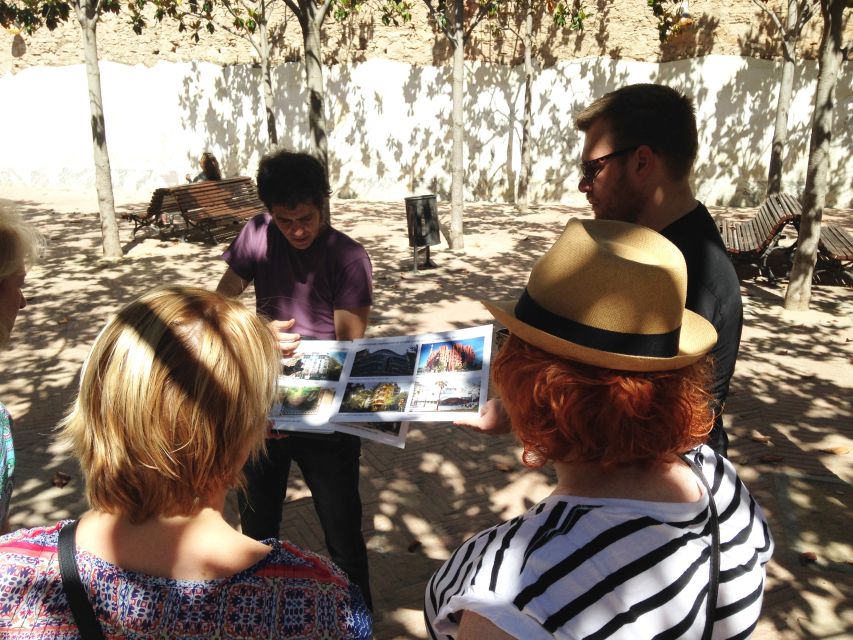
- Architects leading the route: practising architects (often professors and critics) explain buildings like working systems
- Gaudí’s engineering lens: structural ideas, materials logic, and why the forms look the way they do
- Modernisme beyond the headline names: you’ll also see addresses by Domènech i Montaner and Puig i Cadafalch
- Hidden courtyards made public: you get inside lesser-known courtyard spaces and learn how they became gardens
- The Gaudí “story arc”: from early social concerns to his later religious focus and the Sagrada Família beginnings
Where the tour starts on Passeig de Gràcia and Gran Via
You meet at the Joan Brossa sculpture, right in front of Comedia Cinema at the intersection of Passeig de Gràcia and Gran Via. It’s a good start point because it drops you into the most design-dense part of the city—easy to connect before or after with other sights in the Eixample area.
Since this is a walking tour, I’d plan your morning around it. If you’re heading out to museums or a long lunch right after, you’ll want to stay flexible for a short stagger, since people move at different speeds when they’re stopping for details.
You can also read our reviews of more tours and experiences in Barcelona.


Why an architect-led guide changes how you see Gaudí
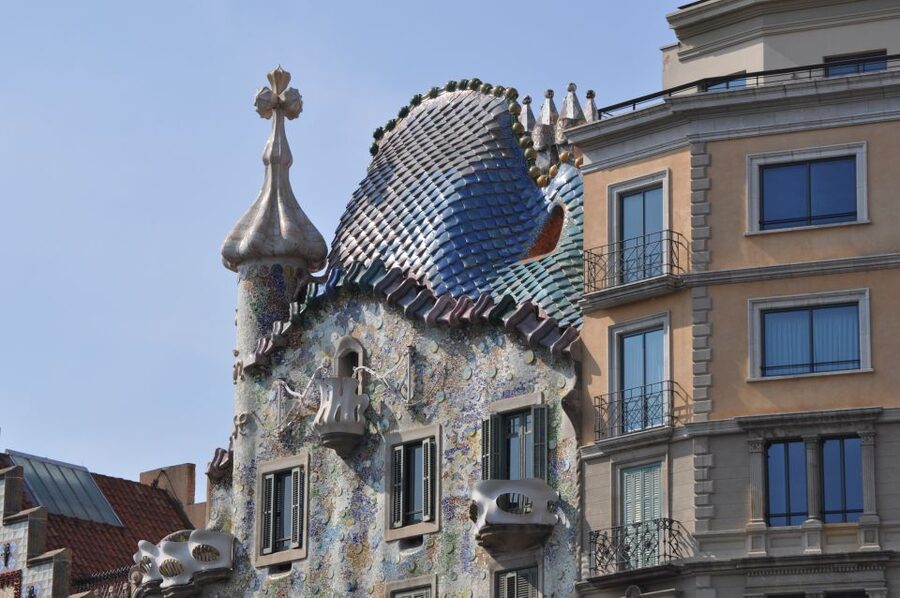
This is one of those tours where the guide isn’t just a storyteller. The whole format is built around practising architects who can translate design choices into clear, practical ideas. If you’ve ever stood in front of a façade and thought, I love this, but I don’t know why it works, this tour is designed to fix that.
And you can feel it in the way explanations land. The guides don’t treat Gaudí as pure fantasy. They connect aesthetics to function—how curves behave, why ornament is placed where it is, and how Barcelona’s urban environment helped shape what came next.
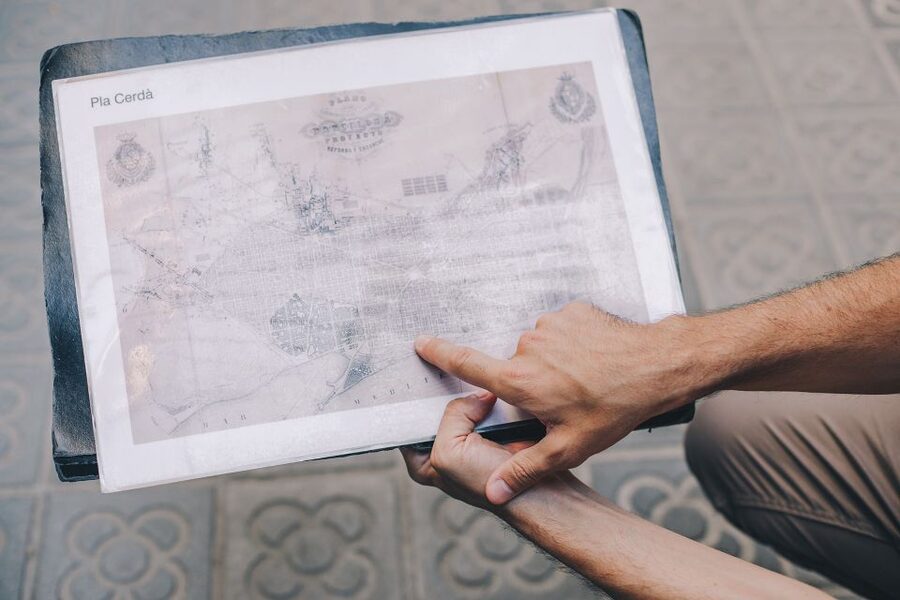
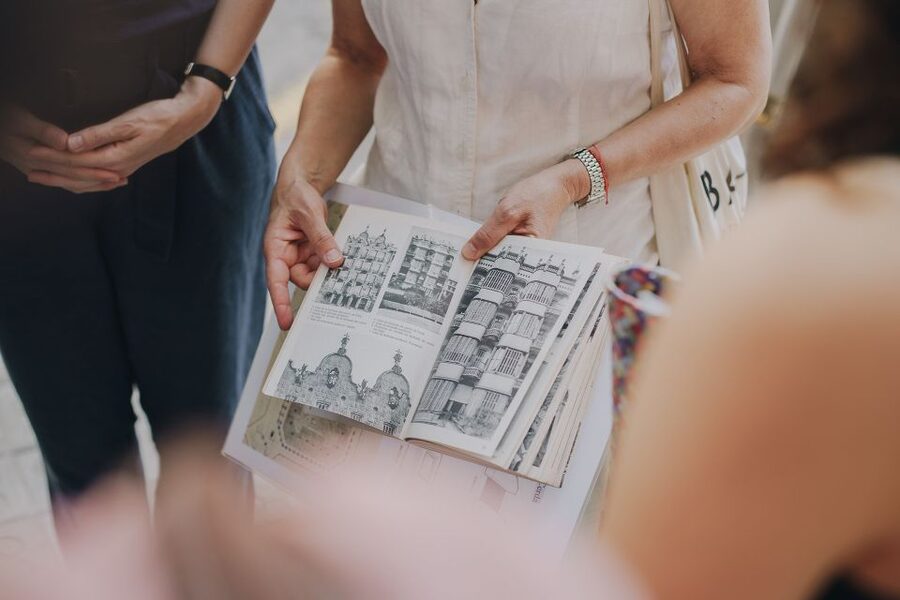
You’ll also notice how the guides handle technical topics. Some guides use visual aids and their own notes with pictures, so the ideas stay grounded. If you’re the type who asks questions (about architecture, the city, or even social angles), the best part is that the tour doesn’t get stuck in a single lane. You’ll get answers at the right level for a walking group, not a lecture you can’t follow.
Modernisme in context: Tàpies, Domènech i Montaner, and Puig i Cadafalch

One reason I like this tour’s structure is that it doesn’t treat Gaudí as a lone genius floating above everyone else. You’ll see other Modernisme work that shows how the era thought about design, façades, and the relationship between buildings and streets.
Among the landmarks included are the Antoni Tàpies Foundation and Casa Lleó Morera by Domènech i Montaner. You’ll also visit Casa Amatller by Puig i Cadafalch. These stops matter because they give you side-by-side comparisons. You start to notice patterns in how the period builds identity—through materials, ornament systems, and bold street presence—even before you zoom in on Gaudí’s three most famous residential buildings.
Reading the neighborhood like a city planner
Beyond façades, you’re taught how Barcelona’s layout and planning shaped what architects could do. The tour covers the beginnings of modern urbanism, which sounds abstract until it clicks with real streets and real addresses.
Here’s what you take away for your own trip: you stop seeing buildings as isolated monuments. Instead, you start seeing blocks, streets, and pedestrian flow as part of the design story. That makes it easier to enjoy the rest of Barcelona after the walk, because your brain already has a framework for what you’re looking at.
Hidden courtyards and how private space became public gardens
This is one of the more special parts of the tour: you’ll get inside hidden courtyards and learn how they became public gardens. That switch—from private inner space to something open and shared—is a quietly powerful idea in the Barcelona story.
It also changes what you notice. In a courtyard, you’re not stuck only with façades. You can track light, movement, and the way the building breathes inward. Even if you’re not an architecture nerd, you’ll still feel the shift. These courtyards are where you understand how a block can offer both density and calm.
Practical note: since these are courtyard spaces rather than full museum buildings, you’ll want to keep an eye on where your route takes you inside those areas. Wear shoes that work on uneven surfaces, because Barcelona’s “easy walking” can still include bits that aren’t perfectly smooth.




Casa Calvet, Casa Batlló, and Casa Milà: what to look for without going inside
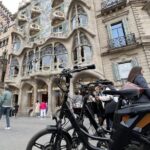
This walk focuses on the three big Gaudí residential addresses: Casa Calvet, Casa Batlló, and Casa Milà. You won’t enter them, so the value comes from what you learn to see on the outside.
For each façade, the guide helps you read the design choices as a system. You’ll learn how Gaudí uses form as visual messaging, and how the ornamental language links to structural thinking. The tour also helps you understand why those homes feel like sculpture while still being functional urban dwellings.
Casa Calvet
Casa Calvet is a strong starting point because it shows Gaudí working with an architectural language that feels both precise and personal. Expect to focus on façade rhythm and the way details are placed to create depth and movement even from the street.
Casa Batlló
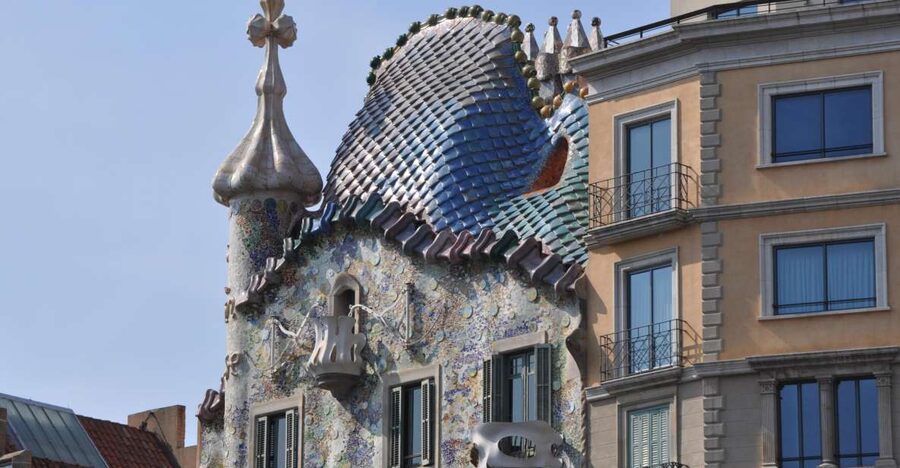
Casa Batlló is where many people’s eyes go first, and the guide turns that instant attraction into understanding. You’ll pay attention to the relationship between the façade’s flowing shapes and the overall composition, not just the iconic silhouette.
Casa Milà
Casa Milà gives you the best contrast: the building’s sculptural feel becomes a way to talk about how Gaudí thought through complexity. You’ll come away with a clearer sense of how a façade can look freeform while still being built on rules.
One small caution: because you’re not going inside, don’t expect the tour to answer every question about interior layout. If you love interiors, you might add a separate stop later with a building that offers access, so you don’t feel like you hit a wall.
Gaudí’s turning points: Manhattan, Eusebi Güell, and Sagrada Família
The best way to think about this tour is as a biography told through architecture. You trace Gaudí’s shift from early social concerns toward a later, intense focus on the divine—until he becomes known as the last great cathedral builder.
Along the way, you’ll hear about turning points, including:
- a project connection in Manhattan
- the last commission from his patron, Eusebi Güell
- his first architectural steps with the Sagrada Família
Why this matters: it helps you stop treating buildings as separate masterpieces. You start seeing them as chapters—each one influenced by the people, ideas, and commissions around him at that moment. If you walk into Barcelona’s Gaudí sites without this timeline, it’s easy to feel like you’re collecting images. With the timeline, your photos come with meaning.
Duration and pacing: how to get your money’s worth in 3 hours
The tour runs 3 hours, typically in the morning. That time window is long enough to cover multiple Modernisme addresses plus Gaudí’s three homes, and short enough that you don’t feel trapped once you’re walking.
To enjoy it fully, plan to pause. This isn’t a power-walk where you keep moving and pretend you’re not stopping. The stops are where the guide’s “how and why” explanations happen, so give yourself permission to slow down for details.
Also, bring weather-appropriate clothing. Barcelona can look friendly year-round, but conditions change fast. Tours are only cancelled when weather becomes a safety threat, so you’ll likely be outdoors for stretches unless conditions truly turn.
Value check: is $53 a fair deal for architecture learning?
For $53 per person (3 hours), the value here comes from three things: expert delivery, volume of context, and the fact that you’re seeing a cluster of design landmarks in one linked route.
You’re not just paying for someone to point at buildings. You’re paying for practising architects to explain what you’re looking at—how Gaudí’s shapes relate to engineering logic, and how Modernisme and early urbanism set the stage. That kind of guidance is what usually makes the difference between a good photo day and a “now I understand Barcelona” day.
At the end, you also receive a guide written by the local partner’s team with suggestions for places to have a drink and architecture to admire. That matters because it helps you turn the walk into an itinerary, not just an isolated experience.
Who should book this tour
This tour fits you if:
- you want Gaudí explained by people who design buildings, not just people who read about them
- you like architectural detail and want to learn to “read” façades
- you enjoy city context, like how planning and social thinking shaped Barcelona
- you’re visiting for the first time and want a route that makes the Eixample area feel coherent
It might be less ideal if your main goal is getting inside buildings. Since you won’t enter, you’ll still see plenty, but you’ll need separate tickets for interior access if that’s high on your list.
Should you book this Gaudí architect-led walk?
Yes—if you want your Gaudí experience to feel guided by logic as much as by beauty. This is a strong value because you get a clear architectural storyline in only 3 hours, plus Modernisme context that prevents the “three houses, done” feeling.
If you love interiors or want ticketed experiences, I’d still book this, but pair it with another plan that includes indoor access. Think of it as your foundation walk: afterward, you’ll recognize details you would have missed on your own.
FAQ
How long is the Barcelona Gaudí Architectural Guided Tour?
The tour lasts 3 hours.
What language is the guided tour offered in?
The live guide speaks English.
Where do I meet for the tour?
Meet by the Joan Brossa sculpture in front of Comedia Cinema at the intersection of Passeig de Gràcia and Gran Via.
Do we go inside the buildings during the tour?
No. You will not go inside the buildings.
Which Gaudí buildings are included in the tour?
You’ll see Casa Calvet, Casa Batlló, and Casa Milà.
Is the tour wheelchair accessible?
Yes. The entire tour is wheelchair accessible.
What should I bring with me?
Bring weather-appropriate clothing.
Can I cancel and get a full refund?
Yes. You can cancel up to 24 hours in advance for a full refund.