REVIEW · BARCELONA
Barcelona: Art Nouveau & Gaudí Tour
Book on GetYourGuide →Operated by Barcelona Dragon Tours · Bookable on GetYourGuide
Gaudí gets the headlines, but Eixample does the real talking. This 3.5-hour walk turns Barcelona’s Art Nouveau streets into a clear story about power, money, and identity—told in a way that makes the buildings feel like evidence, not decoration. You’ll trace how the city expanded after the old walls fell, then watch Modernisme take form through stone, ceramic, and glass in the Golden Square.
What I like most is the way the guide connects architecture to what was happening politically and socially. Guides such as Johannes and Hannes have been praised for linking local and political events, styles, and people so the day stays moving and never turns into a lecture you can zone out of. The second big plus is the focus on the street level details—especially the Gaudí-related touches along Passeig de Gràcia—and the relaxed pace for photos and bathroom stops. The one consideration: it’s a weather walk, so you’ll want to dress for sun, rain, wind, and even strong showers.
In This Review
- Key highlights worth planning around
- Eixample’s grid is the backstory of Modernisme
- From Plaza de Urquinaona to the Golden Square’s power map
- Palaces, architects, and why Modernisme looks like confidence
- 1714, the wall coming down, and the city’s forced slow burn
- Ildefons Cerdà’s perfect-city idea (and why it matters on the street)
- Barcelona’s clean-up moments: fairs, renaissance, and reinvention
- Passeig de Gràcia: trencadís, the Block of Discord, and Gaudí’s tricks
- What you see and what you skip (and why that’s good)
- Price and value for a small private group
- Weather reality check for a 3.5-hour street story
- Who this tour fits best
- Should you book Barcelona’s Art Nouveau & Gaudí Tour?
- FAQ
- What is the duration of the Barcelona Art Nouveau & Gaudí Tour?
- Where does the tour meet?
- What languages are available for the tour?
- Is this a private tour?
- What’s included in the price?
- Are entry fees included?
- Does the tour run in bad weather?
- Is the tour easy to access for wheelchair users?
- Can I cancel for a full refund?
Key highlights worth planning around
- Eixample’s expansion story: the neighborhood is built on the moment Barcelona could finally grow after the walls came down.
- Golden Square Modernisme: you connect industrialists, aristocrats, and Indianos with the architects they hired.
- Political context on the pavement: 1714 and beyond, autonomy tensions with Madrid, and how control shaped daily life.
- Palau de la Música as a concept: you learn how Domènech i Montaner used stone as a kind of allegory.
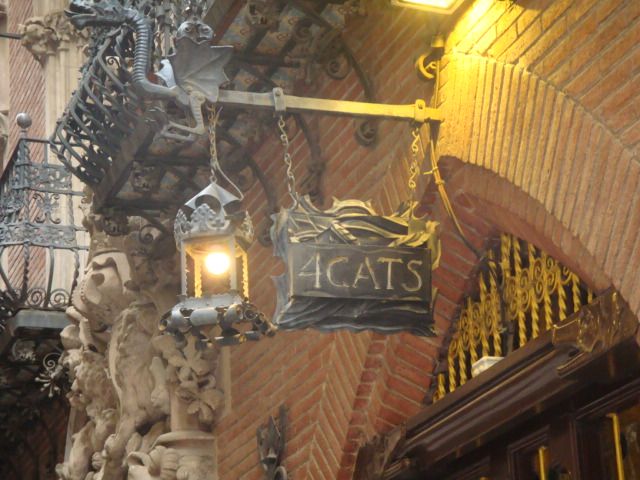
- Passeig de Gràcia details: trencadís, the Block of Discord, and other Gaudí clues you can spot outside.
- Exteriors over interiors: you get the city’s look and clues without long museum lines.
Eixample’s grid is the backstory of Modernisme
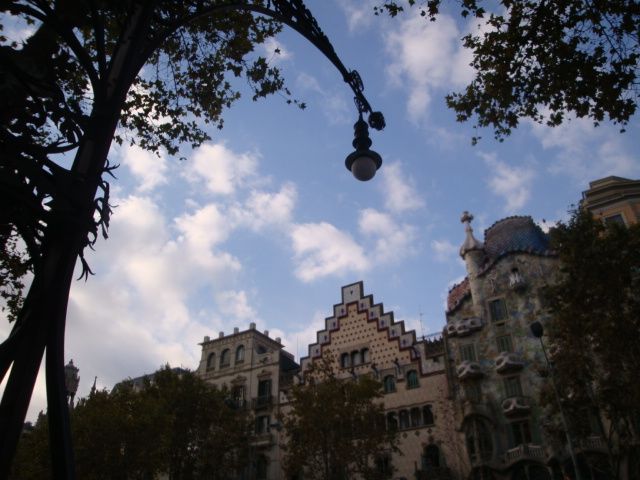
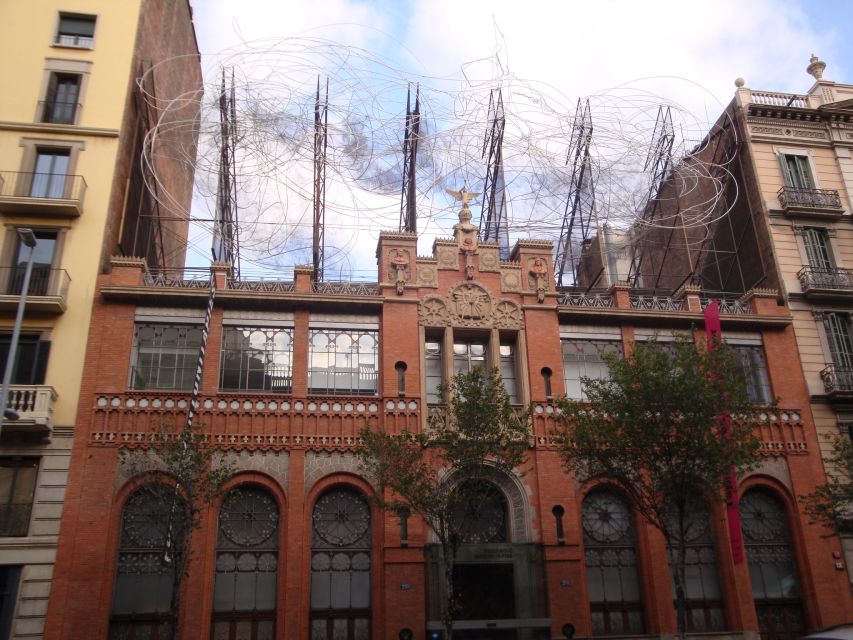
Barcelona’s Eixample is famous for its clean street geometry, but this tour treats that grid like a character in the story. In English, Eixample literally means city expansion, and the neighborhood was established in 1854 after the city walls were torn down. That detail matters: when the old city and the smaller town of Gràcia could finally breathe, you got the open space where the rich could build—and where Barcelona’s identity could shift.
This is the point where Modernisme stops being a style name and becomes a cultural move. Catalan Modernism begins around 1885 as more than architecture; it also shows up in visual arts and literature. So even when you’re just walking between wide streets and corner façades you may have passed before, you’re learning what kind of Barcelona produced these buildings and why.
You can also read our reviews of more tours and experiences in Barcelona.


From Plaza de Urquinaona to the Golden Square’s power map
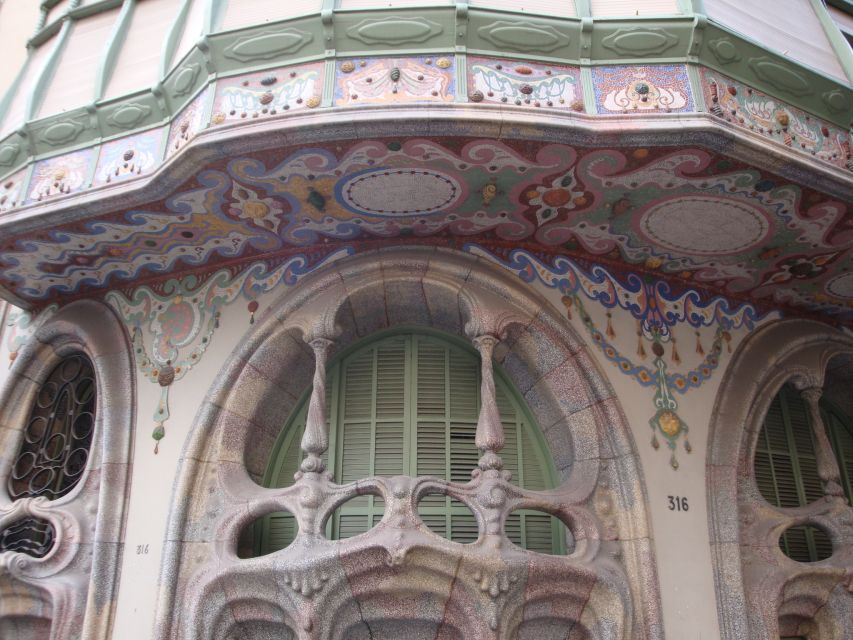
The tour meets at Plaza de Urquinaona, right in front of the Teatro Borràs. From there, you’re set up for a smooth start: a 3.5-hour walking tour that also includes an U-Bahn (subway) ticket. That subway hop is useful here because Eixample and nearby story zones don’t all line up perfectly for a single stroll.
The heart of the tour is the Golden Square—the Eixample area where wealthy families built showpiece palaces. You’ll be learning how this wasn’t just taste. It was public positioning. For a long time, the upper classes were crowded into the old city alongside the poorest residents, and the central government in Madrid didn’t grant autonomy or real co-determination. When local officials and wealthy residents gained more room to act, they used architecture as a kind of scoreboard: money, status, Catalan pride, and modern ambition in one package.
Palaces, architects, and why Modernisme looks like confidence
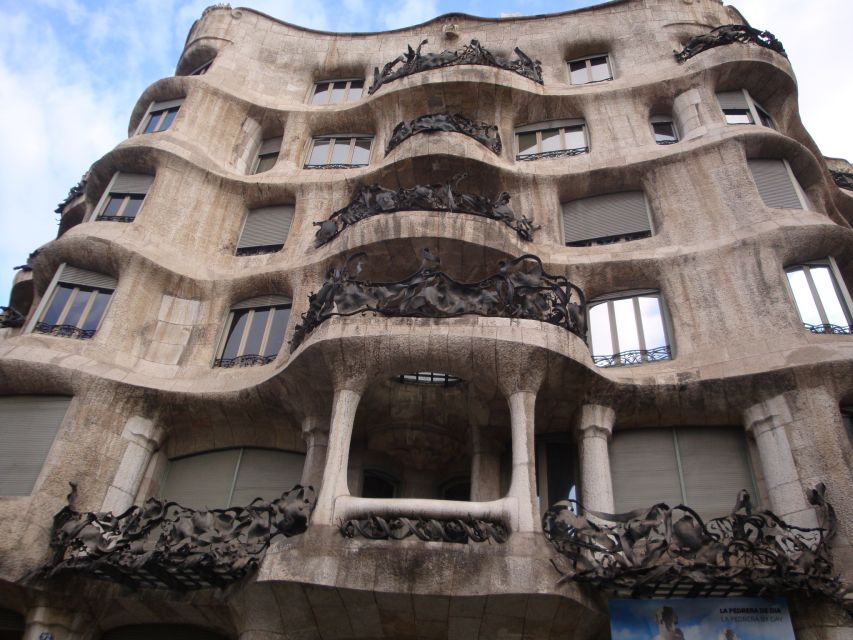
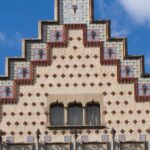
What makes this tour feel different from a typical architecture walk is how clearly it links buildings to the people who paid for them and the architects they trusted. You’ll hear names that define Catalan Modernisme: Domènech i Montaner, Puig i Cadafalch, and Gaudí.
This is also where the tour’s theme of stone, ceramic, and glass becomes practical. You start noticing patterns you might not catch on your own. There’s a reason the decoration looks both playful and precise: Modernisme here is built to project identity, not to hide behind “timeless” classical rules.
A standout example in the story is Palau de la Música, associated with Domènech i Montaner. The tour explains its concept as a homage to Catalan folk songs—not only through reference, but by building an allegory out of stone. Even if you’re mostly seeing things from the outside, that kind of explanation changes what you pay attention to: you stop scanning for pretty surfaces and start asking what the building is trying to say.
1714, the wall coming down, and the city’s forced slow burn
One of the tour’s strongest moves is using history as a steering wheel for your walk. You’re not just getting dates; you’re getting cause-and-effect.
The tour points to 1714 and beyond, including the repercussions tied to the war of secession. It frames this era as a long period where Barcelona felt enslaved and constrained. That’s not just dramatic wording—it helps you understand why autonomy mattered so much later, and why architecture could become a release valve when politics and control finally shifted.
Then comes the “wall is torn down” moment, when Barcelona can expand in a way that lets neighborhoods like Eixample become a new stage. With that space created in 1854, the city doesn’t just grow outward. It reorganizes its social map.
If you like your cities with context—why one street looks like money and another looks like survival—this tour gives you that logic without turning it into a history seminar you resent by the end.
Ildefons Cerdà’s perfect-city idea (and why it matters on the street)
Eixample isn’t random. You’ll hear about Ildefons Cerdà and his utopia of the perfect city. The key value here isn’t agreeing with every idea of an urban planner. It’s learning how planning ambitions shape what you actually experience as a walker.
When you see the grid, you understand it wasn’t only about making streets convenient. It was about creating a system—how people move, where neighborhoods form, and how the city can scale. That’s why the Golden Square palaces feel so dramatic: they’re built into a designed urban framework that gives them visibility.
This is also where you start noticing the “leveled corner façades” you’ve probably walked past in the past without thinking too hard about why corners matter. On this tour, those corners are part of how the expansion project plays out visually.

Barcelona’s clean-up moments: fairs, renaissance, and reinvention
The Modernisme story isn’t just one straight line. It changes tone over time, and the tour reflects that.
You’ll hear about the phoenix idea: the Catalan Renaissance after rougher periods, and then Barcelona “cleans up” through events like the World’s Fair (the Barcelona World’s Fair is part of the tour’s themes). This “reset” matters because it explains why architecture in this era carries both pride and forward motion.
The tour also brings in contrasts beyond Eixample—like the discussion of barons of industry and bourgeois festival energy in Raval. Even without going deep into interiors, the point lands: Barcelona doesn’t become Modernisme in isolation. The city’s neighborhoods push back and pull forward against each other.
So while your feet stay in one walking loop, your understanding expands into a full-city picture.
Passeig de Gràcia: trencadís, the Block of Discord, and Gaudí’s tricks
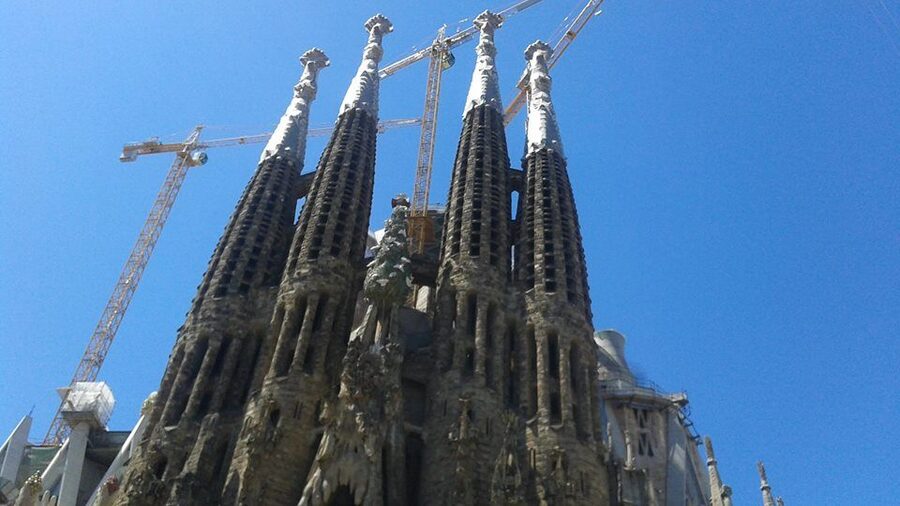
Now for the part you’ll remember when you stop noticing traffic and start noticing details.
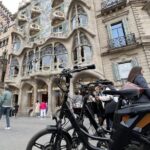
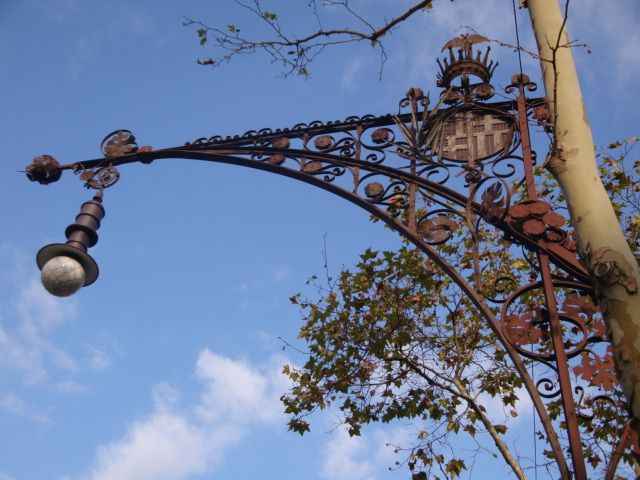
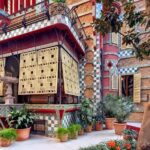
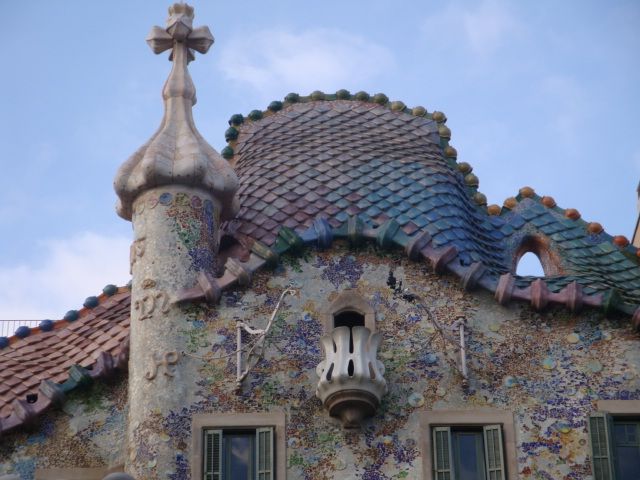
The tour pays special attention to Passeig de Gràcia—the famous boulevard where Modernisme and Gaudí energy show up in a concentrated way. You’ll hear about trencadís, the shard-based technique that brings luck and personality into the façade language. When you know what to look for, those broken-tile patterns stop being random decoration and start feeling like a signature.
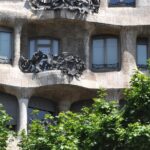
You’ll also get the “three stars” theme tied to the Block of Discord. That phrase alone is reason enough to pay attention while walking past the façades: the street becomes a competition, almost like architecture in a sport jacket—multiple expressions of Modernisme confronting each other block by block.
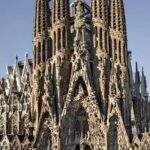
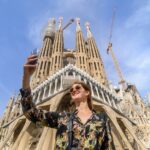
And since this tour is named for Gaudí-style Modernisme moments, you also get the kind of story that explains the mechanics behind the mystique. Examples included in the tour themes are Gaudí’s trick with string and Sagrada Familia’s lost plans. Even if you’re only viewing things externally, these explanations make the shapes and structures feel connected to thinking and problem-solving, not just inspiration.
What you see and what you skip (and why that’s good)
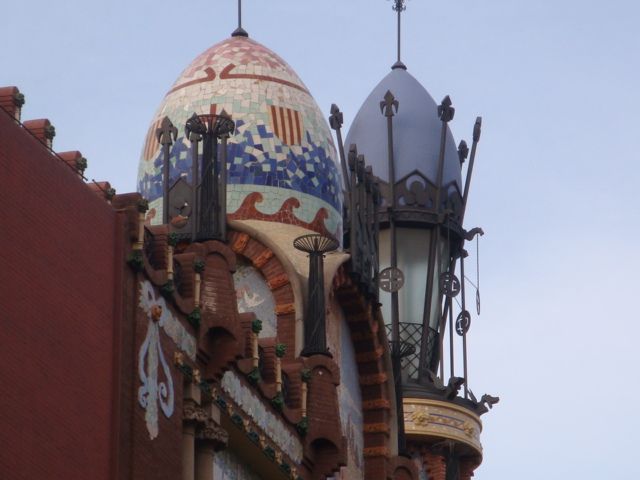
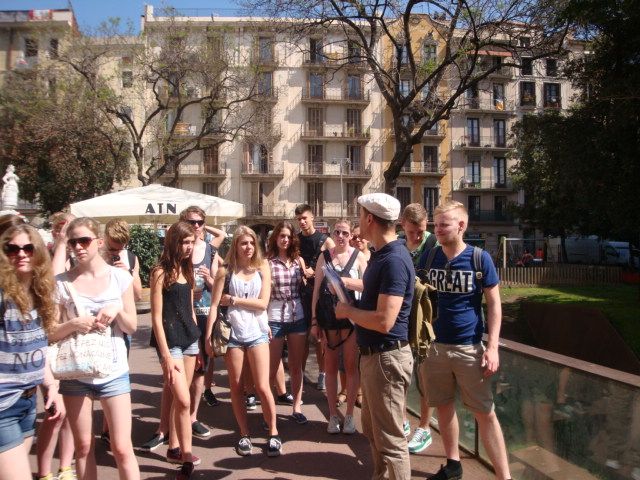
This is a walk built around exteriors. The tour guide sticks to streets and squares so you can see how the neighborhood functions as a whole. That means you should expect:
- Exterior views of monuments and façades
- Photo stops, without a sense that you’re holding up a rigid machine
- A relaxed pace, so you can breathe and look
Entry fees aren’t included, and museum time isn’t the point. That choice has real value. You’re not forced to spend your limited hours inside when the story is literally written on the sidewalks. You also avoid the common problem of “architecture tours” that turn into line management.
The trade-off is simple: if you’re hoping for a full interior walkthrough of everything, this probably won’t meet that wish list.
Price and value for a small private group
The price is $212 per group up to 4 for 3.5 hours, and it includes a subway ticket. Because it’s priced per group, the value swings fast depending on who’s traveling with you.
Here’s the math you should care about:
- If you go with 2 people, you’re splitting $212 between you.
- If you go with 4, your effective cost is about $53 per person before you even consider the included transit.
That can be a strong deal compared to booking separate tours or paying per person for a private guide. The other value factor: the guide quality is a big part of why this tour rates so high. Reviews highlight guides like Johannes and Hannes for knowing how to connect architecture with political and local events. In practice, that means you’re buying interpretation, not just sightseeing.
Weather reality check for a 3.5-hour street story
This tour is designed as a weather walk. It runs in sun, rain, and wind—even strong showers. That’s not a small detail. Rain changes how decoration reflects light, wind makes you rethink “just one more photo,” and cold weather turns your good intentions into a shiver.
Go prepared:
- A hat and sunglasses in summer
- Sunscreen and water
- A jacket or thin coat in winter
- Something rain-ready because you’ll still be out there
If you hate being outside, this might be the wrong day. If you don’t mind a bit of weather in exchange for street-level learning, you’ll be fine.
Who this tour fits best
This is a great fit if you:
- Like architecture with context, not just names
- Want to focus on the Modernisme story around Eixample and Passeig de Gràcia
- Travel in a small private group and want a guide who can keep the pacing loose
- Prefer exterior viewing over museum time
It also works well for people who enjoy history but get bored when it’s only dates and war facts. Here, history ties directly to why the city looks the way it does.
If you’re someone who wants zero walking and maximum indoor comfort, you might prefer a different format.
Should you book Barcelona’s Art Nouveau & Gaudí Tour?
Yes, if your goal is to understand Barcelona’s Modernisme through the streets of Eixample and the Golden Square, with a guide who can connect buildings to the bigger story. The combination of private-group pricing, street-level focus, and a strong guide narrative makes it good value.
I’d skip it only if you strongly dislike weather walks, or if you specifically want lots of interior visits and entry-ticket experiences. Otherwise, this tour is a practical way to turn Gaudí-adjacent wonder into something you can actually explain to your travel companions on the walk back.
FAQ
What is the duration of the Barcelona Art Nouveau & Gaudí Tour?
The tour lasts 3.5 hours.
Where does the tour meet?
It meets at Plaza de Urquinaona, in front of the Theater Borrás.
What languages are available for the tour?
The tour is offered in German and English.
Is this a private tour?
Yes, it’s listed as a private group.
What’s included in the price?
The price includes the city tour and an U-Bahn (subway) ticket.
Are entry fees included?
No. Entry fees are not included.
Does the tour run in bad weather?
Yes. It runs in sun, rain, and wind, including strong showers.
Is the tour easy to access for wheelchair users?
The tour is listed as wheelchair accessible.
Can I cancel for a full refund?
Yes. You can cancel up to 24 hours in advance for a full refund.