REVIEW · BOSTON
Boston: Freedom Trail History and Architecture Walking Tour
Book on GetYourGuide →Operated by Boston CityWalks · Bookable on GetYourGuide
The Freedom Trail becomes way more interesting with context. This 70-minute walking tour connects Boston’s downtown landmarks to the story of how the city changed over time, with a guide who helps you connect the dots. I particularly like the straight-line route from Faneuil Hall to Boston Common and how the stops build into one clear narrative, not random photo ops. I also like the local guide storytelling, including plenty of time for questions.
The main thing to consider is language. One review noted that if your English is not strong, you may fall behind quickly, since the tour is a live guided walk in English. If you’re comfortable following conversation at walking pace, this is a great way to get your bearings fast.
In This Review
- Key things to know before you go
- Freedom Trail in 70 Minutes: What the Route Covers
- Starting at State and Congress: Easy Meeting Point, Easy Start
- Faneuil Hall to Boston Common: How the Guide Builds the Big Picture
- Old State House and New State House: Architecture as a Moving Target
- Park Street Church and King’s Chapel: Religious Buildings With Public Energy
- Faneuil Hall and the Old Corner Bookstore: Public Speech Meets Daily Life
- The Boston Massacre Site and Old South Meeting House: Turning Points You Can Walk Through
- Old Granary Cemetery and the Old City Hall / First Schoolhouse Site: Memory and Institutions
- Boston Common and the Irish Famine Memorial: Big Space, Serious Meaning
- Who This Tour Fits Best (and Who Might Want Something Else)
- Should You Book This Freedom Trail Walk?
- FAQ
- How much does the Boston Freedom Trail History and Architecture Walking Tour cost?
- How long is the tour?
- Where do I meet the guide?
- What’s included in the tour?
- What languages is the tour offered in?
- What if my plans change—can I cancel?
Key things to know before you go
- 70 minutes, with a focused downtown loop that concentrates on Freedom Trail highlights
- Faneuil Hall to Boston Common, so you don’t spend your morning hunting around
- You’ll pass major markers like the Old and New State House, the Boston Massacre Site, and Park Street Church
- A live English guide (Boston CityWalks), with guides known for answering questions patiently
- The route includes a mix of meetinghouses, churches, cemeteries, and civic buildings, so you see architecture in different roles
- A good option for teens too, since the pace and Q&A can keep younger minds engaged
Freedom Trail in 70 Minutes: What the Route Covers
This tour is short on purpose: 70 minutes is enough to connect the big names without turning your morning into a full-day slog. You’ll walk the Freedom Trail through downtown, with the guide placing each stop into the bigger picture of Boston’s development through settlement, conflict, government, and the city’s everyday modern vibe.
Instead of just pointing out landmarks, you’re meant to understand why these buildings matter. The stops you’ll encounter span civic life (state and city buildings), public gatherings (meetinghouses and squares), and memory sites (including the cemetery and memorials). That mix is what makes the walking route useful: you get “architecture with purpose,” not just architecture for show.
You can also read our reviews of more tours and experiences in Boston.


Starting at State and Congress: Easy Meeting Point, Easy Start
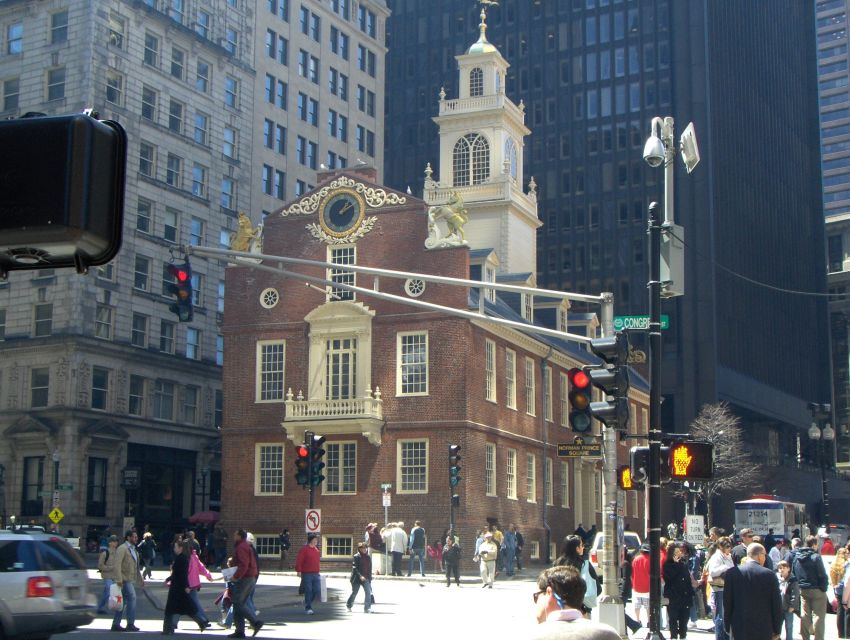
You meet at the NW corner of State and Congress Streets, outside 28 State Street (Citizens Bank), across the street from the Old State House. That location is handy because it drops you right into the Freedom Trail zone from the first minute.
If you like to start strong, arrive a few minutes early. The tour begins promptly, and since it’s only 70 minutes, you don’t want to lose even a small chunk of time before the guide begins the story.
Faneuil Hall to Boston Common: How the Guide Builds the Big Picture
A big reason to book this tour is how it organizes the day’s walking into one storyline. The guide leads you along the Freedom Trail from Faneuil Hall toward Boston Common, with stories that tie history and architecture together. By the time you reach Boston Common, the earlier stops should feel less like a list and more like a connected downtown timeline.
This is also where the local tone matters. You’ll hear what it’s like to be in Boston, not just what happened in Boston. That cultural layer is one of the best values here because it’s hard to pick up from guidebooks alone while you’re staring at buildings.
If you’re traveling with teenagers, this is another plus. One review specifically said their teens enjoyed the tour, and the guide stayed patient and polite while answering questions. That matters because a walking tour can either feel like a lecture or like an interactive stroll—and this one sounds built for the second option.
Old State House and New State House: Architecture as a Moving Target
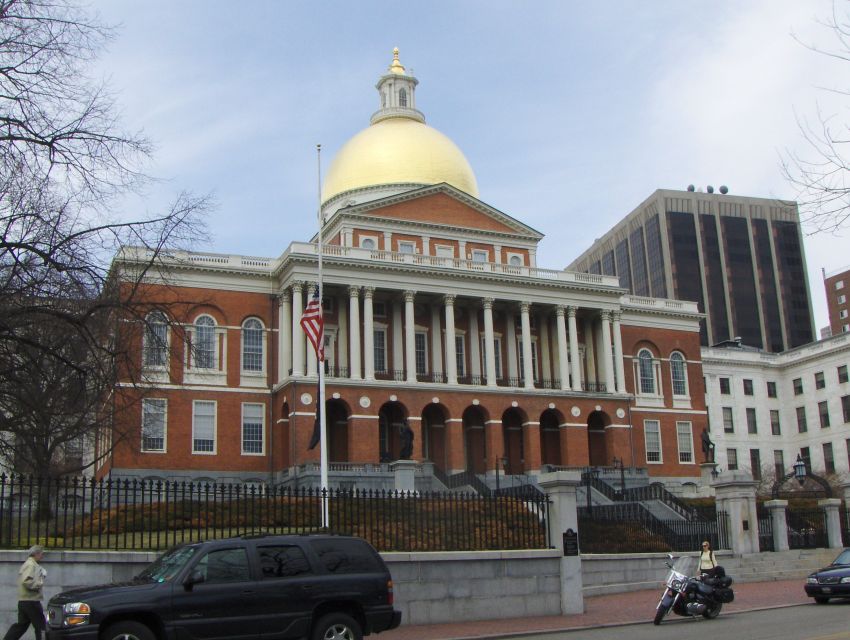
The Old and New State House are among the first big stops on the route, and they’re perfect for understanding how Boston’s “power structures” shifted over time. Even if you’re not an architecture nerd, these buildings give you something to look at while the guide explains what changed and why.
When you’re walking, you can read the differences in a way you can’t from afar. You’ll notice how styles and civic uses evolved, and the tour’s framework helps you connect that evolution to Boston’s larger story.
What I like here: it’s not just about admiring facades; the tour uses these buildings to explain how a city organizes itself. That’s a smart use of a short tour window.
Park Street Church and King’s Chapel: Religious Buildings With Public Energy
Next, you’ll move into the area of Park Street Church and the King’s Chapel. Both are big visual anchors, and they’re also useful for understanding Boston as a city where religion, community, and public life overlap.
Religious architecture can be tricky to interpret on your own, because you’re looking at symbols and design choices without the “why.” With a guide guiding the conversation, you get a framework for what to notice. You also hear how these buildings fit into the walking route’s bigger themes—public gatherings and community identity.
One practical tip: keep your eyes up for details and your ears on for the guide’s connections. Since the tour runs in real time, you don’t want to spend too long taking photos in the middle of the flow.
Faneuil Hall and the Old Corner Bookstore: Public Speech Meets Daily Life
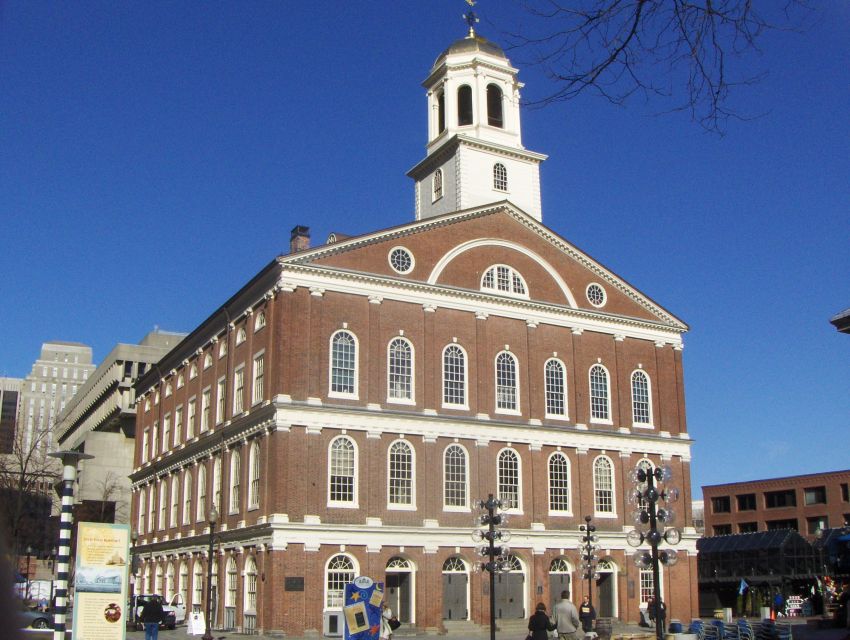
Faneuil Hall is one of the most recognizable stops on the Freedom Trail, and it works well as a launch point because it anchors the tour’s early energy. It’s also a great example of how a site can shift meaning over time while staying important.
You’ll also pass the Old Corner Bookstore. This kind of stop is a nice counterbalance to strictly civic or religious locations. It helps you see Boston as a place where ideas and everyday culture live side by side—especially in a downtown where walking is the main way people move.
If you love “street-level Boston,” this pairing is a good sign. The route doesn’t only serve big monuments. It also gives you touches of culture in between.
The Boston Massacre Site and Old South Meeting House: Turning Points You Can Walk Through
The Boston Massacre Site is the kind of stop that often hits hardest when you have context. This tour positions it inside the larger narrative the guide is building, so it’s not just a dramatic label on a marker. You’ll walk up to it with the earlier civic and public-gathering sites already in your head.
Then comes the Old South Meeting House, another stop tied to public assembly and the way communities gather to talk, decide, and respond. Meetinghouses are fascinating because they show how a city organizes arguments in public spaces. On your walk, you’ll feel the logic of the route: from government and speech to confrontation and community response.
Consideration: because this is a guided story, your understanding depends on staying present. If you tend to get distracted by crowds and storefronts, make a point of pausing and listening at the big turning-point stops.
Old Granary Cemetery and the Old City Hall / First Schoolhouse Site: Memory and Institutions
The Old Granary Cemetery is another route highlight, and it changes the mood in a good way. A cemetery stop can feel heavy, but it’s also a valuable part of a Freedom Trail walk because it grounds the story in real lives and long memory.
From there, you’ll also see the Old City Hall and First Schoolhouse Site. This is where the tour expands from “public events” into what a city builds to run itself—civic administration and education. Together, these stops help you understand the difference between dramatic moments and the ongoing structures that keep a city functioning.
If you like architecture that tells you how people lived and organized, this is a strong section. The guide’s role is crucial here: you get a reason to look closely instead of just walking past.
Boston Common and the Irish Famine Memorial: Big Space, Serious Meaning
The tour ends with Boston Common as a major anchor, and it’s a smart finish. Boston Common isn’t just a pretty downtown pause; it acts like a “reset button” for your brain after a series of history-heavy stops. You’ll walk in with a storyline running and leave with a clearer sense of how the city’s public spaces fit into the bigger narrative.
You’ll also encounter the Irish Famine Memorial among the stops. Memorials can be easy to speed past if you don’t have context. In a guided setting, they become part of the route’s emotional and historical arc, not a background photo.
If you’re the type who likes to understand the meaning behind what you’re looking at, these last stops are where the tour payoff tends to land.
Who This Tour Fits Best (and Who Might Want Something Else)
This tour is a great match if you want a one-morning overview of downtown Boston’s Freedom Trail sites, without getting lost. It also works well if you like interactive history—asking questions and hearing explanations on the spot.
It may be less ideal if you need lots of time to read on your own or if your English comfort level is low, since the experience is guided in English at walking pace. One review specifically flagged that point, and it’s worth listening to before you commit.
Price-wise, $30 for 70 minutes with a live local guide is solid value if your goal is understanding and orientation. If you want zero listening and purely independent sightseeing, you could probably recreate the walk on your own. But if you’d like someone to connect the landmarks into one story, paying for guidance is what turns the route from sightseeing into sense-making.
Should You Book This Freedom Trail Walk?
Yes—if you want an efficient, guided downtown loop that connects major Freedom Trail stops from Faneuil Hall to Boston Common. Book it if you like history with context, you’re comfortable following an English guide, and you want to leave your morning understanding why Boston’s architecture and public spaces matter.
I’d skip it only if you prefer long stops for independent exploration or if you know you struggle to follow live guided conversation. In that case, you might be happier with a self-guided route where you can move slower at each site.
FAQ
How much does the Boston Freedom Trail History and Architecture Walking Tour cost?
It costs $30 per person.
How long is the tour?
The tour lasts 70 minutes.
Where do I meet the guide?
Meet at the NW corner of State and Congress Streets, outside 28 State Street (Citizens Bank), across the street from the Old State House.
What’s included in the tour?
You get a professional local guide and a live tour guide experience in English.
What languages is the tour offered in?
The tour is offered in English.
What if my plans change—can I cancel?
Free cancellation is available up to 24 hours in advance for a full refund.