REVIEW · LOUISVILLE
Old Louisville: History and Architecture Walking Tour
Book on GetYourGuide →Operated by Louisville Historic Tours · Bookable on GetYourGuide
Victorian streets beat postcards every time. In Old Louisville, you’ll trace how Louisville’s Gilded Age elite built a new suburb south of downtown, and you’ll do it with a guide who points out what to notice fast. The tour is built around the streets people still walk today, including leafy Central Park area and the quieter corners of the neighborhood.
I especially like the architecture focus. You’ll see a wide mix of 19th-century styles—Italianate, Richardsonian Romanesque, Châteauesque, Queen Anne, Renaissance Revival, and Georgian—and you’ll learn the “tells” that make each one recognizable. I also like the small-group feel that comes through in the reviews: guides like David and Valerie (Val) are praised for answering questions and keeping the stories coming without rushing.
One thing to plan for: this is a walking tour with no bathroom stops included, and you must be able to walk about 90 minutes without a break. Also, you’ll be outside admiring these homes and churches rather than going inside.
In This Review
- Quick hits: what makes this Old Louisville walking tour worth it
- Old Louisville is where Louisville’s Victorian boom went to live
- Price and value for a 1.5-hour guided architecture walk
- Where you meet your guide: the Welcome to Old Louisville sign corner
- Stop 1: Starting at 1300 S 4th St and getting oriented fast
- Stop 2: The Old Louisville loop where styles overlap and stories stick
- What to watch for: the Victorian-style spotting game
- The stories that make the street-level view click
- Pacing and group size: why it feels manageable
- Stop 3: Finishing back at the corner and what to do next
- Who this tour is for (and who should consider a different option)
- How to prepare so the walk feels easy, not annoying
- Should you book the Old Louisville History and Architecture Walking Tour?
- FAQ
- Where do I meet the guide for the Old Louisville tour?
- How long is the tour, and can I take bathroom breaks?
- What’s included in the $27 ticket price?
- Will I go inside any homes or churches?
- Is the tour wheelchair accessible?
- Who isn’t this tour suitable for?
Quick hits: what makes this Old Louisville walking tour worth it
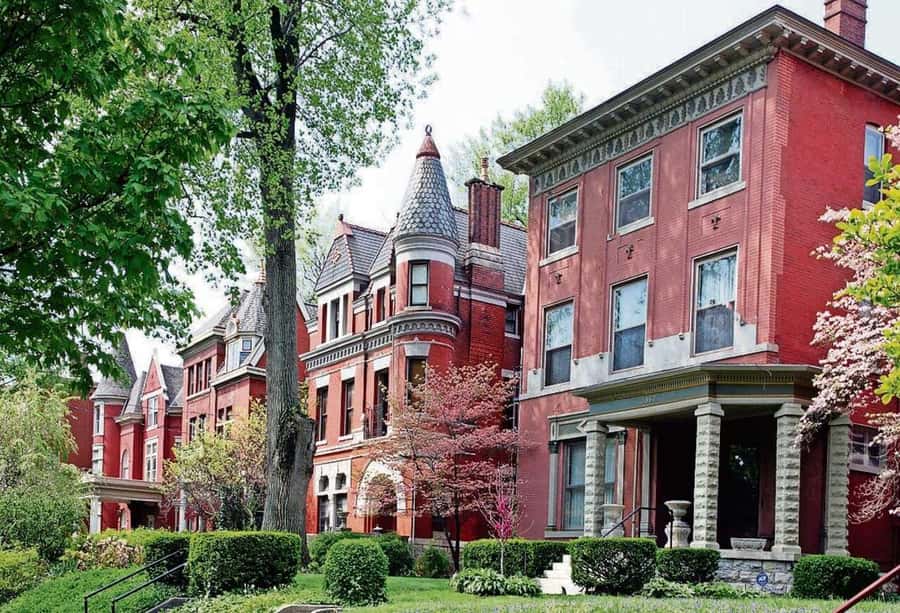
- America’s Grandest Victorian Neighborhood: a dense, walkable block of 19th-century design styles.
- Packed storytelling in 1.5 hours: you won’t just see buildings, you’ll hear how the neighborhood formed.
- Pro guides, real names in the mix: David, Brenda, Liam, Valerie, Gabe, and Angelique show up repeatedly in great feedback.
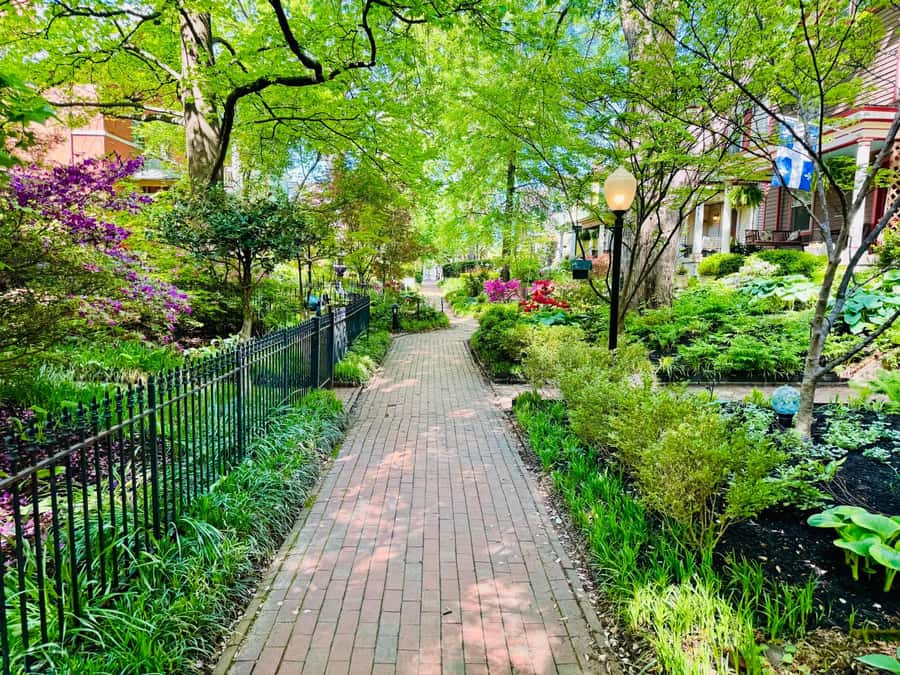
- Gas-lit walking courts and alleyways: the route is designed to get you into the side streets most people miss.
- A meet-up at the corner, not an office: you’ll check in directly with your guide at the Welcome to Old Louisville sign.
- Camera-friendly stops: people specifically call out hidden lanes and cool details worth photographing.
Old Louisville is where Louisville’s Victorian boom went to live
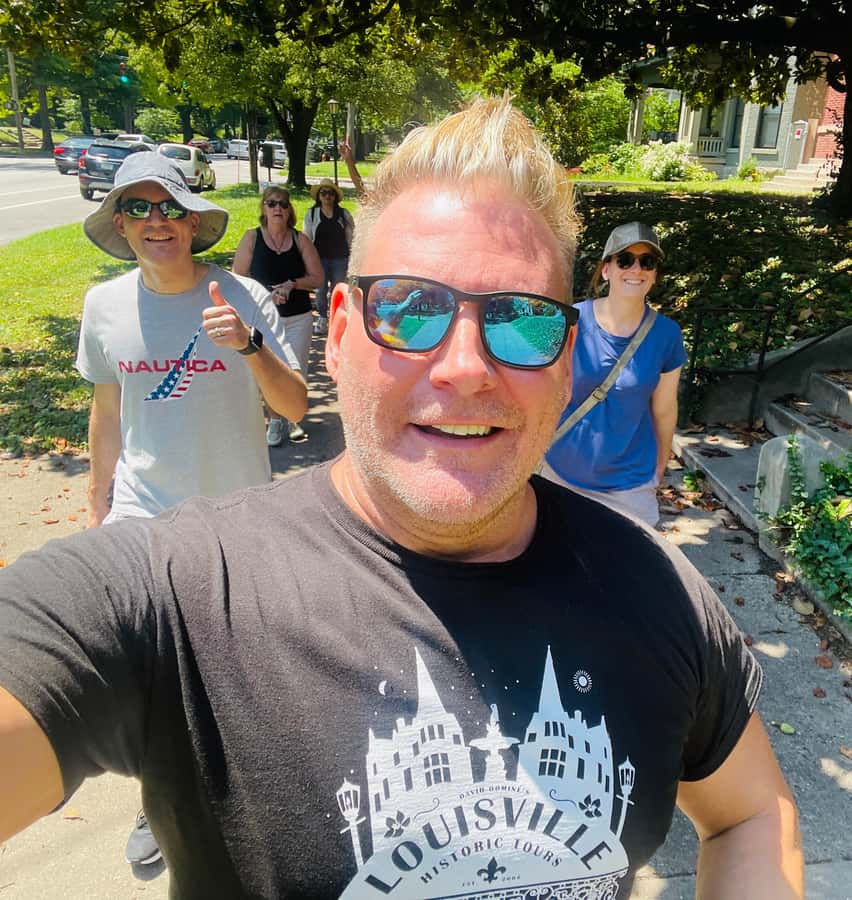
Old Louisville grew in the 1880s, right when the Southern Exposition pulled huge crowds into Louisville. That influx mattered: it brought money, fame, and status-seeking buyers. So bourbon barons, racetrack royalty, and tobacco titans started building impressive Gilded Age residences in a suburb south of downtown.
Today that history shows up in stone and brick. The nickname you’ll hear for this area is America’s Grandest Victorian Neighborhood, and it fits because so many architectural styles sit side by side in a compact area. This isn’t a museum. It’s a real neighborhood, still shaped by what was built for people with serious budgets and strong opinions about design.
Price and value for a 1.5-hour guided architecture walk
The price is $27 per person for about 1.5 hours of guided walking. That’s not a bargain-cheap activity, but it’s also not a long tour where you’re paying for hours of transportation. Here, you’re paying for a professional guide to translate the street-level clues of Victorian architecture into something you can actually recognize on your feet.
You’ll also get value from the format. The pace is short enough to stay interesting and focused, but long enough to notice the neighborhood’s changes—how grand mansions give way to smaller cottages, how churches fit into the streetscape, and how alleyways and courts create those almost secret-feeling pathways.
If you’re the type who reads plaques slowly (or takes photos a little too seriously), this is a good match. If you want indoor stops and bathroom breaks built in, you’ll want to adjust expectations.
Where you meet your guide: the Welcome to Old Louisville sign corner
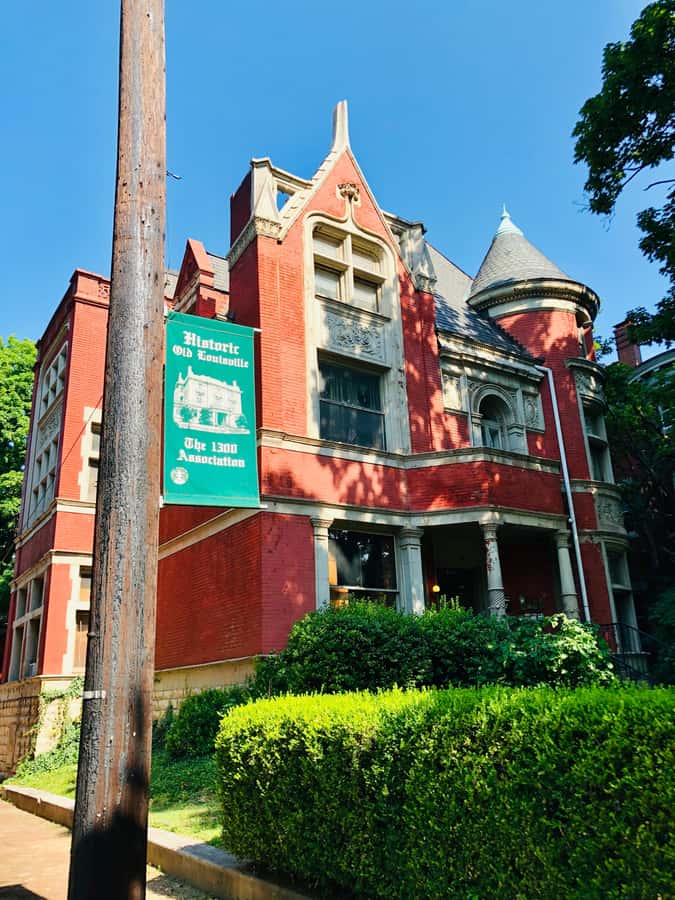
This tour doesn’t start inside a building or at an office. You meet your designated guide outside near the brown Welcome to Old Louisville sign at the corner of South Fourth Street and West Ormsby Avenue—just a block north of Central Park.
Bring a little patience for the first 2 minutes. Since you check in with the guide directly on the corner, it helps to arrive early enough to find them without sprinting in your shoes. Some folks also note a nearby coffee option around the meet-up area, which is handy if you want a quick caffeine hit before you start walking.
The ending is back at the same meeting point. So you don’t have to stress about figuring out how to get back to a car or rideshare at the end.
Stop 1: Starting at 1300 S 4th St and getting oriented fast
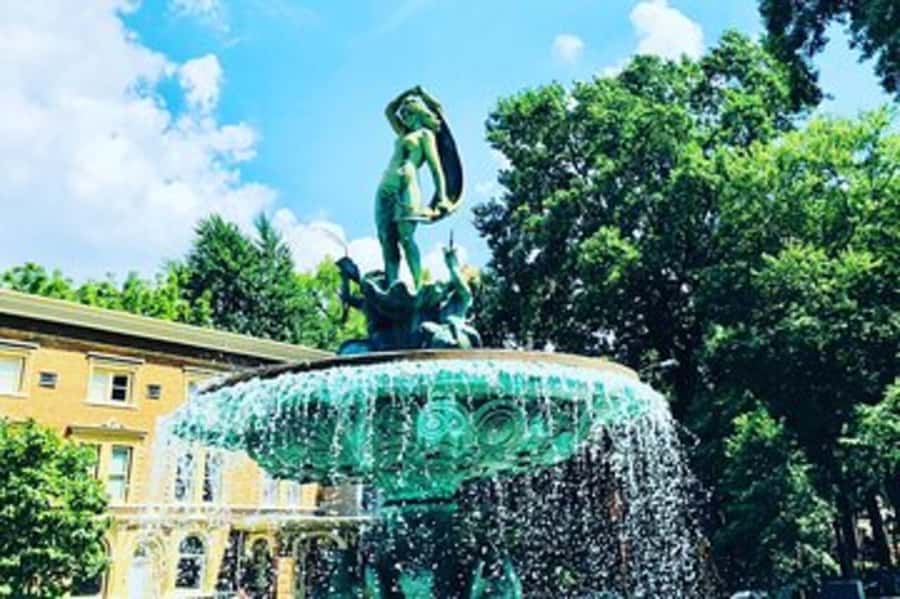
Your starting point is listed as 1300 S 4th St, but the real-world meet-up is at that sign corner near West Ormsby Avenue. I like this approach because you avoid the “which door is it?” problem. You show up, you see the sign, you connect with your guide, and you’re moving.
The first stretch matters more than you might think. A good guide uses the early minutes to train your eyes: what kinds of materials to watch for, how rooflines and window shapes hint at the style, and why the neighborhood’s layout creates those side streets and courts you’d never find by wandering randomly.
A practical note: you should come ready to walk right away. This is not a sit-down orientation.
Stop 2: The Old Louisville loop where styles overlap and stories stick
The heart of the experience is the guided walk through Old Louisville for about 1.5 hours. The neighborhood’s 45-square-block scale means you’re not doing constant backtracking. You can settle into a rhythm: look up, listen to the story, then take a photo or two when something clicks.
The tour’s design is built around variety, not repetition. You’ll move from grand residences to smaller houses and local religious architecture, and you’ll see charming alleyways and those distinctive gas-lit walking courts. Those details aren’t just aesthetic. They show you how people moved through the neighborhood and how privacy, access, and status were built into the street plan.
What to watch for: the Victorian-style spotting game
You’ll cover multiple architectural styles that were common here, including Italianate, Richardsonian Romanesque, Châteauesque, Queen Anne, Renaissance Revival, and Georgian. You don’t need an architecture degree to enjoy this—your guide helps you learn the “tells,” so after a couple of stops you can start naming what you’re seeing.
Here’s how to think about it as you go:
- Italianate often shows up with decorative detailing around windows and cornices and a more romantic, ornate feel.
- Richardsonian Romanesque tends to bring heavier stone looks and strong arches.
- Châteauesque commonly signals ambition through steep roofs and tower-like shapes.
- Queen Anne is often about irregularity: varied rooflines and playful design elements.
- Renaissance Revival usually feels more formal, with more balanced, classical-looking proportions.
- Georgian is typically more orderly and symmetrical in the way it presents itself.
Even if you forget the labels later, you’ll remember what your guide made you notice: the relationship between design choices and the people who paid for them.
The stories that make the street-level view click
The tour isn’t just a style slideshow. It includes local legends, anecdotes, and an explanation of why this neighborhood developed when it did. Reviews repeatedly highlight how guides can bring families and eras to life, and that’s exactly the value you’re paying for.
On top of that, you’ll likely hear about smaller, easy-to-miss features like hidden walking lanes. Those are the kind of details that make you feel like you got a special route, even though you’re simply walking the streets like everyone else.
The guides who get praised most—David, Brenda, Liam, Valerie, Gabe, and Angelique—show up as story-forward. In plain terms: they know how to keep you listening while still letting you look at the houses.
Pacing and group size: why it feels manageable
This is a short tour by design. Many reviews mention it as an easy walk, and that lines up with the structure: 1.5 hours, plenty of stops to view what you’re passing, and not a sprint through the district.
Small-group dynamics matter here. When your group isn’t huge, you get quicker answers to questions and you’re less likely to feel like you’re being dragged along.
The catch is the outdoors factor. You’re walking in weather, and the tour doesn’t mention shelter or indoor alternatives. If it’s cold or rainy, dress for it, and bring layers.
Stop 3: Finishing back at the corner and what to do next
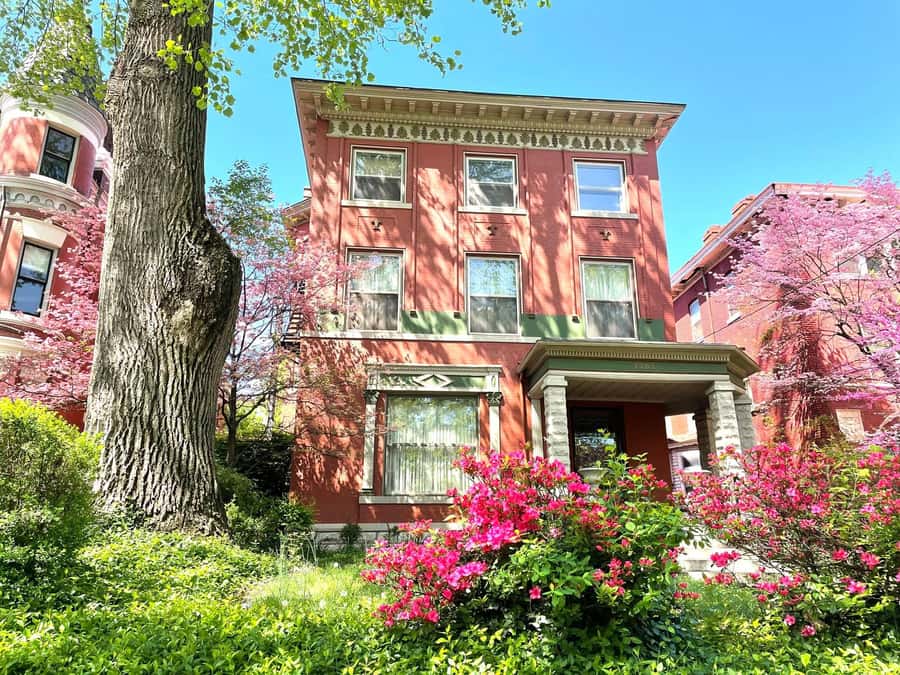
When the tour ends, you’re back at the same corner near Central Park. That’s convenient because you don’t have to solve logistics after you’re tired. It also gives you an easy next step: you can keep exploring the neighborhood on your own with a better sense of what you’re looking at.
One thing to know: since you won’t be entering homes or churches, your “takeaway” will be visual and historical. That can actually be a plus. You get to keep moving and save energy for later sightseeing.
And if your feet are still feeling decent, this is a great time to stroll toward Central Park or linger around the areas the tour ties in with, like the Floral Terrace side of the neighborhood. Your guide’s stories will make those streets feel more intentional, like you’re following a thread instead of just browsing scenery.
Who this tour is for (and who should consider a different option)
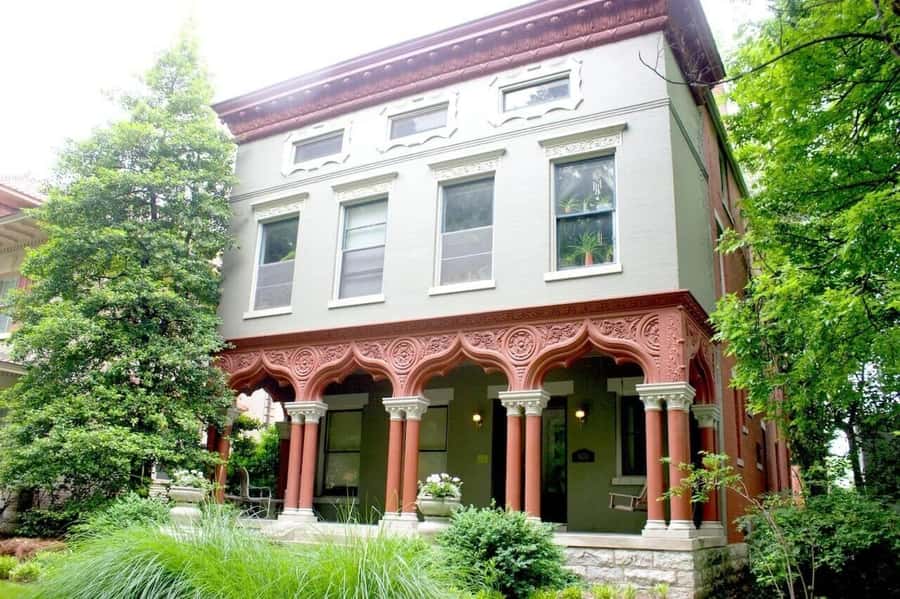
I think this is a strong choice if you want a fun, focused way to experience Old Louisville’s Victorian architecture without spending the whole day doing research. It’s also a good fit if you like learning from people who can explain what you’re seeing in normal language.
It works especially well for:
- First-time visitors who want to understand what makes Old Louisville unique.
- People who like architecture and want help spotting multiple styles quickly.
- Anyone who prefers a guided route over figuring out streets on a map.
It may not be the best match if you:
- Need frequent bathroom stops, because bathroom stops aren’t included and you must walk 90 minutes without a break.
- Have low fitness or health limitations, since the tour is not suitable for certain conditions.
- Want inside access to homes or churches, because the tour does not include entrance into either.
How to prepare so the walk feels easy, not annoying
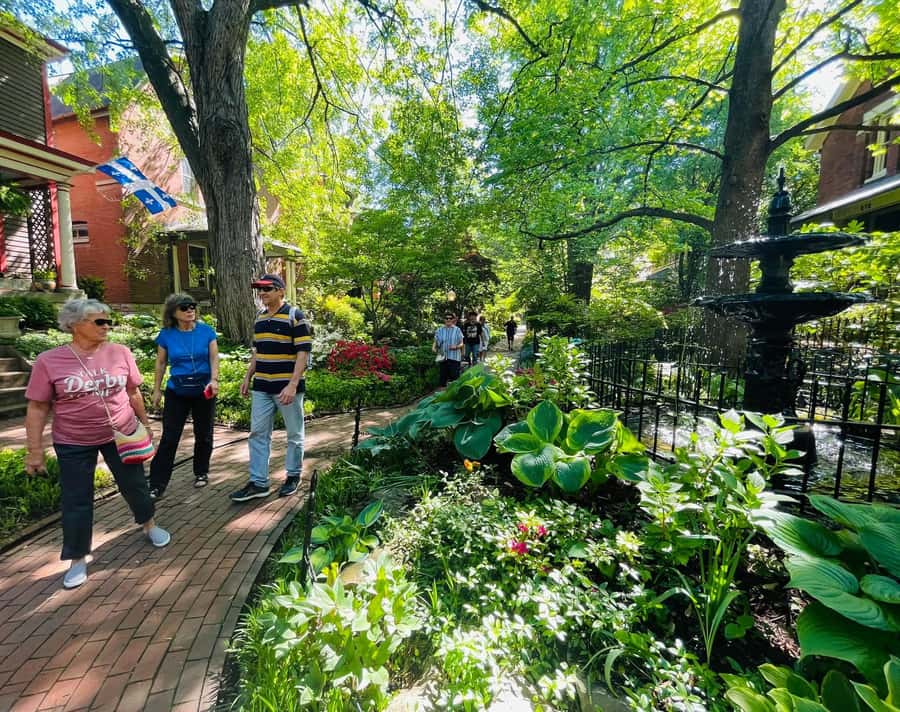
This is a practical walking tour, so you’ll enjoy it more if you prepare like it’s real street time.
- Wear comfortable shoes. You’ll be on sidewalks and moving between views.
- Bring water, especially in warm weather.
- Dress for the weather. Cold snaps and rain can make a short walking tour feel longer.
If you like photos, bring your camera (or phone with storage cleared). People call out hidden lanes and architectural details that are worth capturing. Also, don’t just shoot buildings. Shoot the context: side streets, courts, and the way the block edges frame the architecture.
Should you book the Old Louisville History and Architecture Walking Tour?
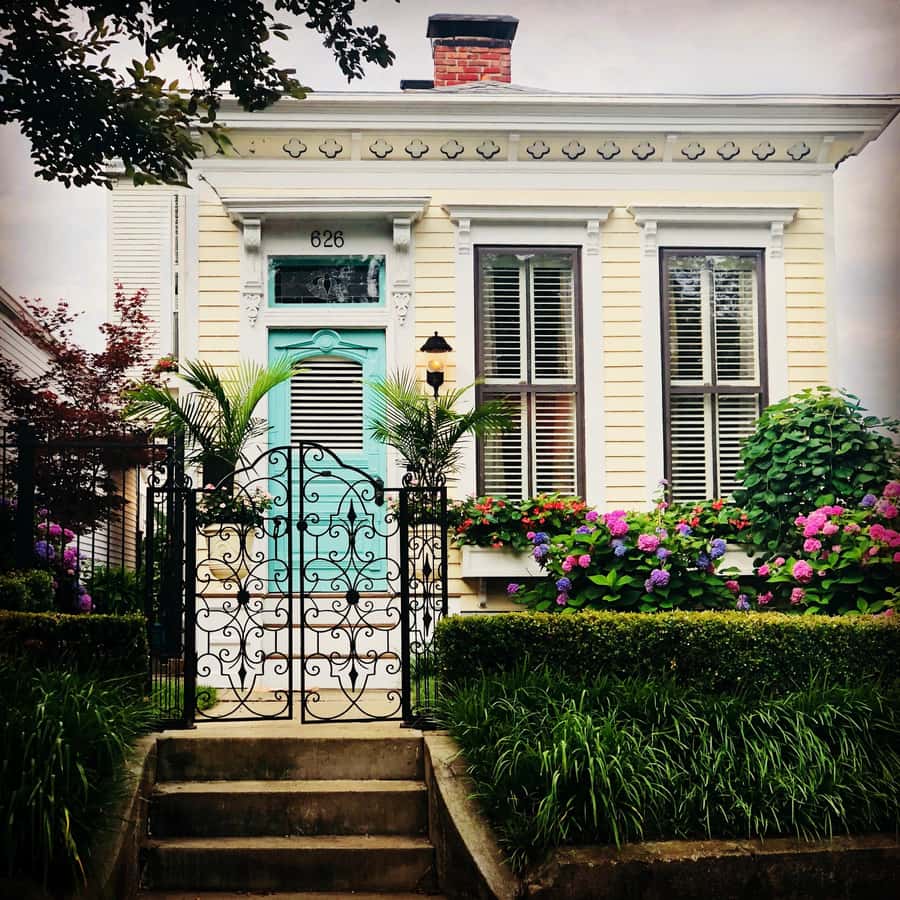
Book it if you want a high-signal, 1.5-hour way to understand why Old Louisville is famous for Victorian architecture, and you like getting a guide to translate the details into stories you can remember. The price feels reasonable for a guided, style-focused walk, especially with the consistently strong feedback about guides like David, Brenda, Liam, Valerie, Gabe, and Angelique.
Skip it or consider another option if you can’t comfortably walk for about 90 minutes without bathroom breaks, or if you strongly prefer indoor visits. This tour is an exterior experience, and the best way to enjoy it is to show up ready to walk and look up.
FAQ
Where do I meet the guide for the Old Louisville tour?
Meet your guide at the corner of South Fourth Street and West Ormsby Avenue, in front of the brown Welcome to Old Louisville sign. It’s listed as a GPS starting address, but you should meet on the street corner and check in with your guide directly.
How long is the tour, and can I take bathroom breaks?
The tour lasts about 1.5 hours. People attending must be able to walk 90 minutes without a bathroom break, since bathroom stops aren’t included.
What’s included in the $27 ticket price?
The ticket includes a professional guide and the walking tour itself. Entrance into homes or churches is not included.
Will I go inside any homes or churches?
No. The tour is designed as an exterior walk, and it does not include entrance into homes or churches.
Is the tour wheelchair accessible?
Yes, the tour is wheelchair accessible. You’ll still need to be able to handle the walking duration requirement of about 90 minutes without a bathroom break.
Who isn’t this tour suitable for?
It’s not suitable for pregnant women, people with back problems, people with heart problems, and people with low level of fitness. The activity is live-guided in English.