REVIEW · TULSA
Tulsa Art Deco and Architecture with Expert Guide Walking Tour
Book on Viator →Operated by Tulsa Tours · Bookable on Viator
One block of downtown Tulsa can teach you more about American style than a whole internet rabbit hole. This Tulsa Art Deco walking tour focuses on the city’s standout architecture and explains how the look spread here, even though Tulsa was not a giant city. You get two big wins right away: an expert guide who can connect building details to real history, and a route that packs major landmarks into a compact 2-hour stroll. The main thing to consider is that it is still a walking tour with some stairs and you’ll want good weather.
I especially like how the guide doesn’t just point at facades. You’ll learn how Art Deco showed up in Tulsa’s downtown and why the city has so many examples for its size, alongside related styles like Neo-Gothic. A possible drawback: because you’re outside the whole time, heat, sun, or rain can change the comfort level, even if the pace is manageable.
In This Review
- Key Things to Know Before You Go
- Tulsa Deco District: Why This Style Makes Sense Here
- Meeting Point at 511 S Boston Ave: Getting Started Fast
- The Deco District Walk: How the Guide Explains Style Changes
- What to expect as you walk
- Atlas Life, Philtower, and the Tulsa Power Theme
- What to look for at each pause
- Southwestern Bell, ARCO, and PSO: When Companies Used Design as Messaging
- Pythian, Sinclair, and Philcade: Civic and Commercial in One Loop
- Why these stops matter
- Pacing, Sound, Shade, and Small-Group Comfort
- Value Check: Is $52 Worth It in Tulsa?
- Who This Tour Is Best For (and Who Might Skip It)
- Should You Book This Tulsa Art Deco Walking Tour?
- FAQ
- How long is the Tulsa Art Deco and Architecture walking tour?
- What buildings will we see or discuss on the tour?
- Where does the tour start and end?
- What’s included in the price?
- Is there an admission fee for the buildings?
- Is the tour language English?
- How big is the group?
- What if the weather is poor?
- What’s the cancellation policy?
Key Things to Know Before You Go
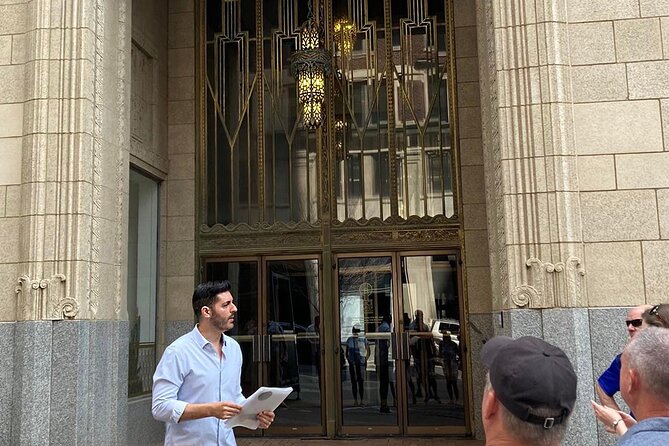
- You’ll get guided storytelling tied to specific buildings, not just vague skyline talk
- Art Deco origins plus Tulsa context make the architecture easier to understand
- Ticket-free viewing means you’re paying for the guide and route, not museum admissions
- Small group size (up to 25 people) keeps questions and conversations realistic
- A smooth, talk-friendly walking pace helps you actually hear the explanations
- Some guides have arranged interior looks at certain locked buildings, when possible
Tulsa Deco District: Why This Style Makes Sense Here
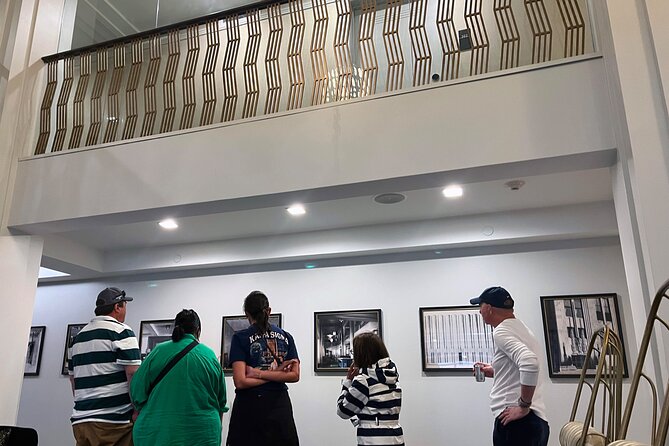
Tulsa downtown can feel like a best-of album for early 20th-century architecture. The Deco District in particular is where you can see how design moved from older, more formal styles into the sleek, geometric attitude of Art Deco. The fun part is that the story is not abstract. You’re looking at buildings tied to money, industry, and civic ambition.
What I like about this tour approach is that it treats Art Deco like something you can read. Once you know what to look for—step-backs, streamlined ornament, strong verticals, and bold symbolism—you start spotting patterns across different companies and institutions. That’s why a guided walk works better than wandering on your own with a phone. You get the right vocabulary fast, and then the buildings start “talking.”
This is also a practical choice for a first-day Tulsa stop. You’re not trying to see everything in one afternoon. Instead, you get a focused route through the Deco District, built for understanding.
Meeting Point at 511 S Boston Ave: Getting Started Fast
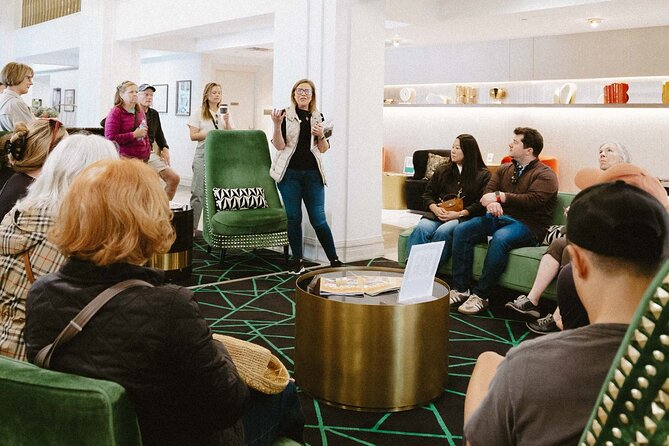
The tour starts at 511 S Boston Ave in Tulsa, and it ends back at the same meeting point. That loop matters. You don’t have to plan for a second ride, a long backtrack, or a new meeting spot.
You’ll receive confirmation at booking time, and you’ll have a mobile ticket, which is handy if you’re juggling other reservations. Service animals are allowed, and the tour is designed so most travelers can participate. It’s also capped at 25 people, so it doesn’t feel like an all-day school bus situation.
If you’re someone who likes to get moving right away, this tour is set up that way. The best part of walking tours is timing: you spend your limited vacation hours where the buildings are, instead of standing around waiting for everyone to catch up.
The Deco District Walk: How the Guide Explains Style Changes
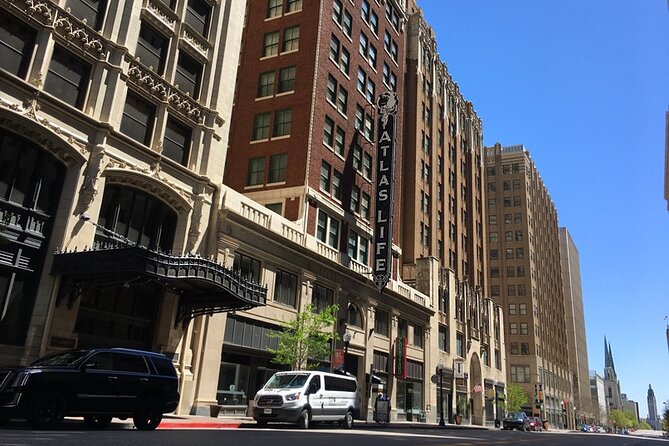
Your walk stays centered on Tulsa’s historic downtown area, where you’ll see a mix of styles, including Neo-Gothic and Art Deco. The guide’s job is to connect those visual clues to the larger story: what made Art Deco different, why it caught on, and why Tulsa has so many strong examples for a city its size.
This is where the best guided tours earn their keep. You’ll pause in front of major facades and get explanations that help you notice details you would otherwise miss. Think of it like learning the building’s “legend” before you try to read it.
You’ll also hear the “why now” behind the design choices. Art Deco didn’t arrive by accident. It fit an era that wanted to look modern, confident, and forward-leaning. In Tulsa, that attitude shows up in corporate headquarters and civic-minded institutions—buildings made to project permanence and power.
What to expect as you walk
- You’ll spend time at a series of landmark buildings in the Deco District.
- You’ll get time to ask questions as you move.
- Expect a couple of stair moments; it’s not a no-step, no-hills route.
- Comfort depends on weather and sun, because you’re outside most of the way.
Atlas Life, Philtower, and the Tulsa Power Theme
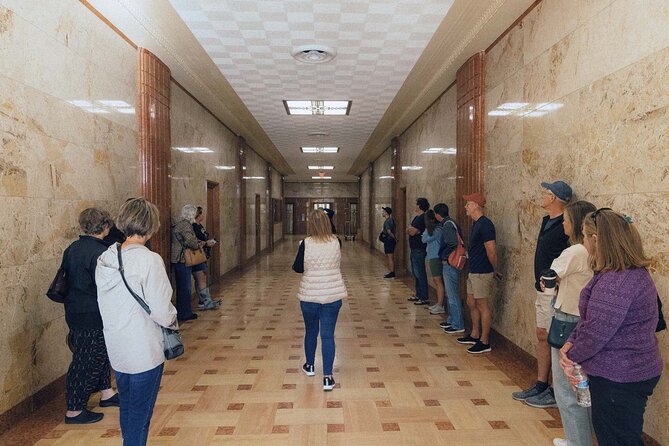
A big chunk of the route revolves around institutions that helped shape Tulsa’s early downtown skyline. Among the buildings you’ll discuss are Atlas Life, the Philtower, and the Tulsa Club.
This is a smart mix because these aren’t random facades. They represent different kinds of influence—insurance and finance, high-profile offices, and social or professional prestige. When the guide brings them into the same conversation, you start seeing how architectural language gets reused across different sectors.
What to look for at each pause
When you stop at buildings like these, don’t just scan for ornament. Train your eyes for overall form:
- strong vertical lines (that upward confidence)
- clean edges and repeating patterns
- any symbolic details that tie the building to its mission
Once you notice those, you can compare one company’s statement to another’s without needing to memorize dates.
Southwestern Bell, ARCO, and PSO: When Companies Used Design as Messaging
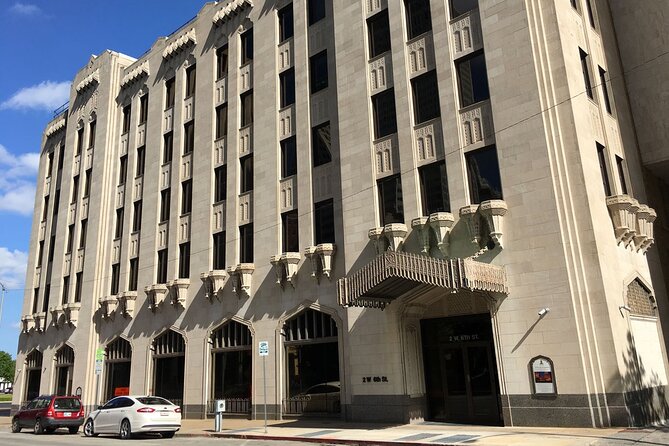
Next up on the walk are major corporate presences, including Southwestern Bell, ARCO, and PSO. These stops are especially good for understanding how a business identity gets translated into architecture.
Big companies wanted to look stable and modern at the same time. Art Deco offered a way to do that. It feels streamlined and forward-looking, but it also uses ornament to signal status. In Tulsa, that combination shows up in the way facades are composed and in the boldness of the shapes.
If you’re curious why these buildings don’t just look decorative, this is your section. The guide ties visual choices back to what the companies were trying to project—confidence, longevity, and modern leadership.
Pythian, Sinclair, and Philcade: Civic and Commercial in One Loop
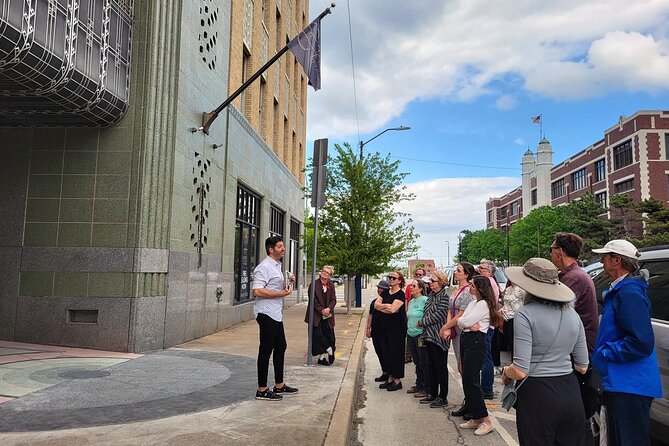
The walk also includes Pythian, Sinclair, and Philcade. This set rounds out the route by adding buildings that reflect civic-minded organizations and major commercial presence. It helps keep the tour from feeling like it’s only about one kind of downtown.
Why these stops matter
They broaden your view of Art Deco beyond offices and utilities. You start to see it as a citywide style that could fit different functions:
- professional or fraternal identity
- iconic branding and commercial ambition
- mixed-use or landmark downtown design
By the time you reach this part of the loop, you’ll likely feel the “pattern recognition” click. You’re no longer staring at one building at a time. You’re seeing a connected design era across Tulsa.
Pacing, Sound, Shade, and Small-Group Comfort
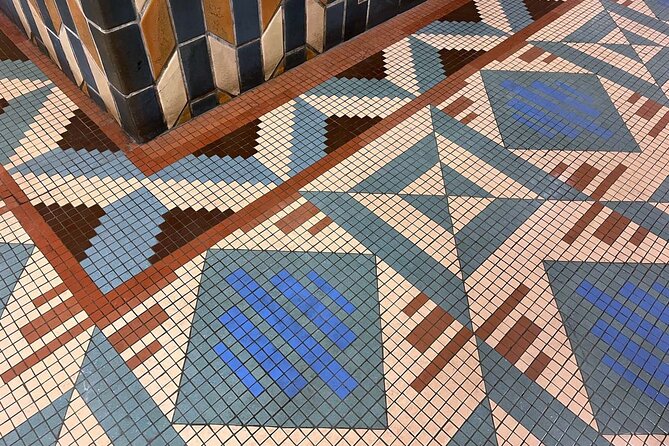
This tour runs about 2 hours. That time window is ideal: you can stay engaged without your legs feeling like you earned them as a souvenir. Several guides have been praised for clear explanations and an easy city pace, and the guide quality often comes through in the way they manage the group.
You should also know that the tour has some stairs. Nothing extreme is implied, but it is not totally flat. If you have mobility limits, plan with that in mind.
On top of that, the tour is designed for real comfort. Some guides keep people in the shade when possible, and the group size means you’re not shouting over a crowd. For a walking tour, being able to hear the guide matters as much as seeing the buildings.
Guide names that have been highlighted include Becky, plus Jeff / Jeffrey, and Wes. When a guide is well prepared, the route feels like a guided museum walk—even though you’re outside.
Value Check: Is $52 Worth It in Tulsa?
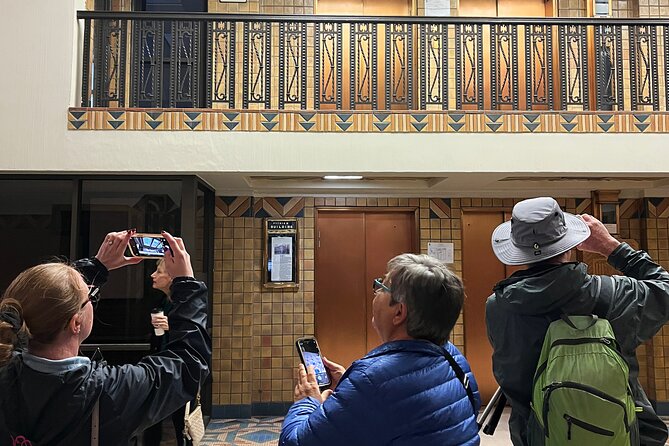
At $52 per person for about 2 hours, the value comes down to what you’re actually buying. You’re not paying for admissions. The tour is ticket-free for the building viewing, and you’re mostly paying for:
- route design (a compact focus on the Deco District)
- an expert guide who explains what you’re looking at
- time savings versus trying to piece it together on your own
In other words, you’re buying understanding. The architecture is already there. The guide turns it into something you can recognize and describe, which is exactly what makes tours feel worth the money instead of just expensive walking.
If you like architectural details, design history, or simply want a reliable afternoon plan in Tulsa, the price is in the “solid value” zone. It’s also short enough that you won’t wreck the rest of your day.
Who This Tour Is Best For (and Who Might Skip It)
This is a great fit if you:
- enjoy architecture, design details, and facades
- want a first look at Tulsa downtown without doing research homework
- travel with someone who likes photos but wants captions that actually mean something
It’s also a good choice for couples and solo travelers because it’s structured, easy to follow, and designed around hearing the guide.
Families can work too, especially if the kids can handle a couple of hours outdoors and a bit of stair time. If your group prefers mostly indoor attractions, you might consider pairing this with another stop on a day when weather is comfortable.
Should You Book This Tulsa Art Deco Walking Tour?
I think you should book this tour if you want a clear, guided way to understand Tulsa’s most recognizable early 20th-century style. It’s focused, efficient, and built around seeing real landmarks—Atlas Life, Philtower, Tulsa Club, Southwestern Bell, ARCO, PSO, Pythian, Sinclair, and Philcade—with explanations that help you read what you’re looking at.
Skip it only if walking with some stairs and outdoor weather is a deal-breaker for your trip. Otherwise, this is one of those tours that makes you look at the city differently for the rest of your stay.
FAQ
How long is the Tulsa Art Deco and Architecture walking tour?
It lasts about 2 hours.
What buildings will we see or discuss on the tour?
The guide discusses buildings including Atlas Life, Philtower, Tulsa Club, Southwestern Bell, ARCO, PSO, Pythian, Sinclair, and Philcade.
Where does the tour start and end?
It starts at 511 S Boston Ave, Tulsa, OK 74103, USA, and ends back at the same meeting point.
What’s included in the price?
The price includes an expert guided walking tour.
Is there an admission fee for the buildings?
The tour indicates admission ticket free for the experience.
Is the tour language English?
Yes, the tour is offered in English.
How big is the group?
The tour has a maximum of 25 travelers.
What if the weather is poor?
This experience requires good weather. If it’s canceled due to poor weather, you’ll be offered a different date or a full refund.
What’s the cancellation policy?
Free cancellation is available up to 24 hours in advance for a full refund. If you cancel less than 24 hours before the start time, the amount paid will not be refunded.