REVIEW · TIRANA
Tirana: Street Art & Modern Architecture Walking Tour
Book on GetYourGuide →Operated by Tour Tirana · Bookable on GetYourGuide
Street art in Tirana tells real stories. This walk is a simple way to see the city through murals, graffiti, and fresh modern buildings. You get local context as you move along, not just pretty walls.
I love the balance here: you’ll spend time on street art and then look at modern architecture so you can understand how Tirana’s changing identity shows up on both concrete and plaster. The experience is guided by English-speaking locals—one guide named K is specifically praised for clear, easy-to-follow English and for being happy to answer questions.
One consideration: you’re only out for two hours, so it’s more of a fast, high-impact route than a chance to study every wall in depth. You’ll see a lot, but you won’t slow down for long, detailed stops everywhere.
In This Review
- Key things to know before you go
- First impressions: what this Tirana walk is really about
- Skanderbeg Square: the quick photo stop that sets your context
- Street art you can actually read: murals, graffiti, and the “why” behind the paint
- Modern architecture on the same streets: why the buildings matter
- Timing and pacing: a 2-hour route that still feels complete
- Cost and value: is $14 per person a fair deal?
- Who should book this and who might skip it
- Should you book this Tirana Street Art & Modern Architecture tour?
- FAQ
- FAQ
- How long is the Tirana street art and modern architecture walking tour?
- How much does the tour cost?
- Where do I meet the guide?
- Is the tour offered in English?
- Is the tour wheelchair accessible?
- Can I cancel for a full refund?
- Is there a pay-later option?
Key things to know before you go
- A local-led street art and architecture route that helps you read what you’re seeing, not just take photos.
- Skanderbeg Square gets a short photo stop and guided orientation so you have a frame for the rest of the walk.
- Murals plus graffiti, side by side, with explanations that connect art to Albania’s shifting stories and ideas.
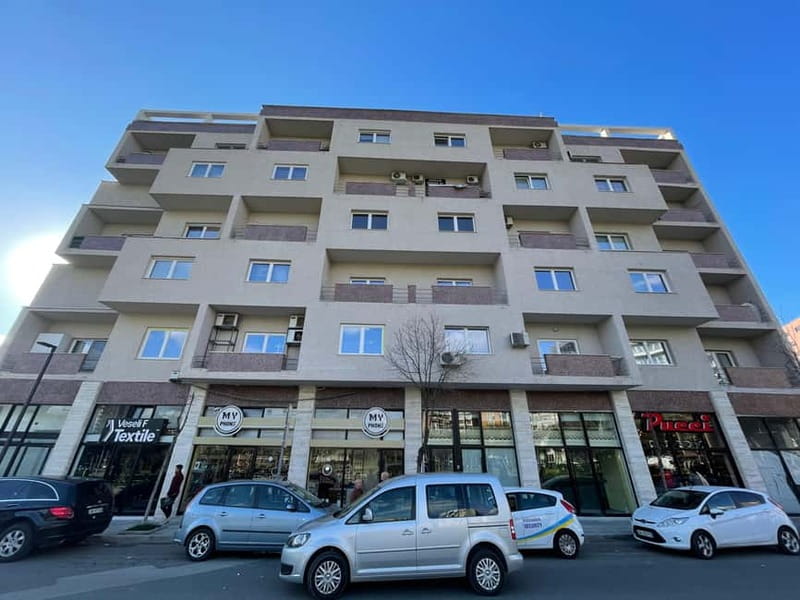
- Modern buildings in the mix, so you notice the contrast between new façades and the older street textures around them.
- English live guide with room for questions, including guides praised for very clear communication.
- Wheelchair accessible, so you can plan around a route designed for mobility needs.
First impressions: what this Tirana walk is really about
This tour is built for people who want more than surface sightseeing. You’re not only searching for cool images—you’re learning how street art and modern architecture work as public communication in Tirana.
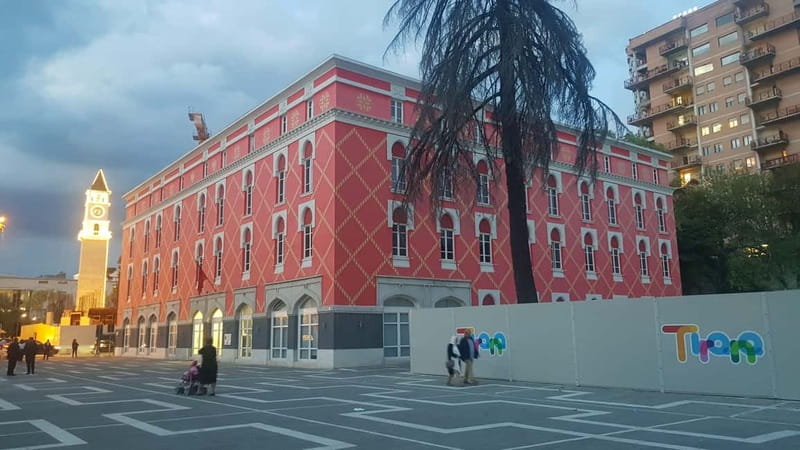
In practice, that means the guide points out the details that most passersby miss: the symbols, the messages, and the way artists respond to what’s going on around them. You’ll also notice how Tirana’s newest buildings sit in the same walking world as older walls covered in paint—so the city reads like a conversation between past, present, and what comes next.
If you like photography, you’ll find plenty of chances to snap pics. If you like history-but-not-a-lecture, this is a good format. You’ll walk, look, ask questions, and start connecting the dots.
You can also read our reviews of more tours and experiences in Tirana.
Skanderbeg Square: the quick photo stop that sets your context
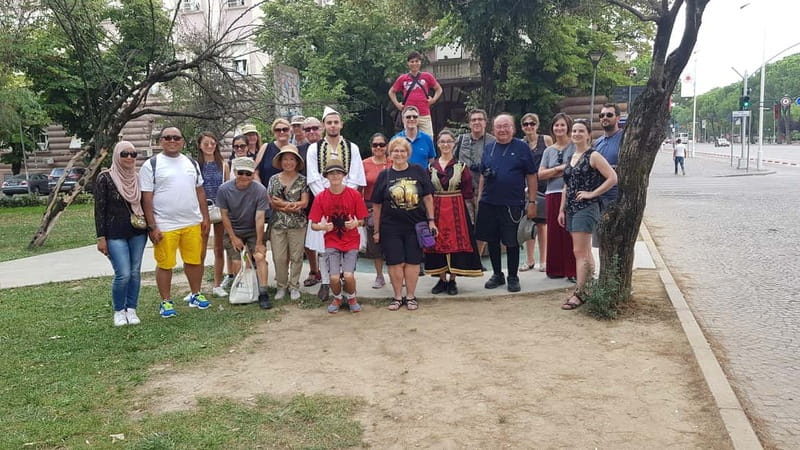
You start near the Opera house area, meeting at the steps of the Opera House in the city center at the Tirana Free Walking Tour meeting point.
Then you hit Skanderbeg Square for about 10 minutes. It’s short on purpose. That stop acts like orientation: you get a photo moment and a guided framing of what you’re about to see on the streets afterward.
Here’s the value of that mini-stop. Skanderbeg Square is easy to recognize, and it helps your brain build a map. Once you’ve got that reference point, the murals and newer façades you see in nearby neighborhoods feel more purposeful, like you’re moving through a real cultural geography rather than random street corners.
If you hate tight time windows, keep expectations realistic: this tour doesn’t pretend to linger everywhere. But the square stop is a useful launchpad.
Street art you can actually read: murals, graffiti, and the “why” behind the paint
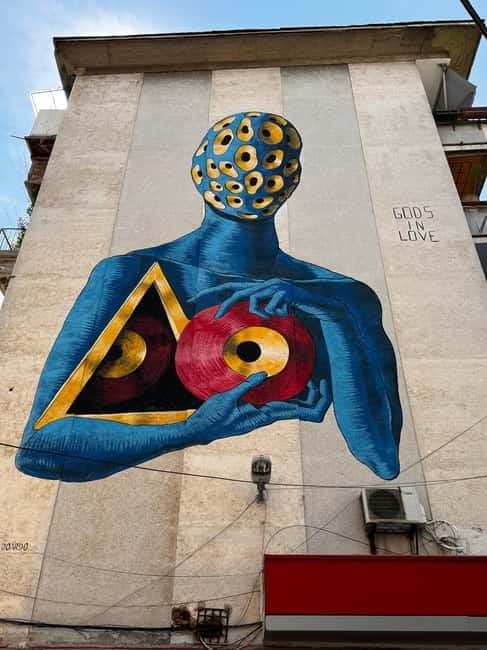
The heart of the experience is the street art. You’ll see murals and thought-provoking graffiti across walls and alleyways, with the guide explaining what the works are communicating.
What I think makes this part work is the way it trains your eyes. Instead of treating each piece like a standalone artwork, you start looking for patterns in themes and tone. You’ll notice how art can reflect:
- public opinions and political memory (including messages tied to Albania’s tougher chapters)
- evolving identity and social conversations happening in the present
- playful or cultural images that feel like local pride showing up on a wall
And you’ll do this without needing an art degree. The guide’s job is to translate the visual language into something you can understand while you walk. That’s also why the experience tends to get high marks: people appreciate that they can ask questions and get straight answers, not vague impressions.
A practical tip for the photo side: slow down for a few seconds when the guide is explaining something. If you photograph first, you often miss the meaning later. If you listen first, you’ll take photos that feel more intentional—like you captured a message, not just a color palette.
Modern architecture on the same streets: why the buildings matter
The “modern architecture” part isn’t just a side show. It changes how you interpret the street art you’re seeing.
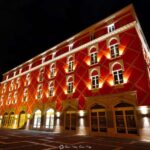
As you move through central Tirana, you’ll also spot newer buildings and architectural styles that represent a different era of the city. The contrast is the point. Street art often reacts to change, while newer construction tells you where money, ambition, and planning are going.
So when you look at older street surfaces with paint and then shift your gaze to cleaner lines and fresher façades, you start to understand Tirana as a city in motion. It’s not frozen in one aesthetic. It’s layering.
That’s why people who prefer architecture or who feel street art is “just graffiti” still tend to enjoy this tour. The guide helps you connect both forms of expression to the same big story: a city renegotiating what it wants to be.
Timing and pacing: a 2-hour route that still feels complete
This is a 2-hour walking tour, led in English, and it follows a straightforward start and finish.
You’ll meet at the Opera House steps in the city center, get the short Skanderbeg Square orientation, then continue through surrounding streets and return to the original meeting point area (the Tirana Free Walking Tour location).
For planning, think of this as a “best-of” introduction. It’s enough time to get a real sense of Tirana’s visual voice—street art, modern buildings, and the meanings behind both. It’s not enough time to go deep on one specific piece or one building style.
If you’re short on time or you want to set yourself up for the rest of your trip, this timing is perfect. After you do this walk, you’ll likely start spotting symbols and visual themes on your own as you wander. That’s the main payoff: the tour gives you a way to keep seeing after it ends.
Cost and value: is $14 per person a fair deal?
At $14 per person for a 2-hour, local-led, English-language walking tour, you’re paying for three things: a guide’s interpretation, time spent walking a curated route, and the platform’s organization work.
The value gets even clearer if you compare expectations. This isn’t a “stand there and point” setup. The tour is designed around explanations—political and social context, cultural references, and why modern architecture belongs in the same conversation as street art. When guides are praised for clear English and for answering questions, that’s exactly the kind of value you feel in the moment.
Also, the tour notes that some participants may join via donation rather than a set price, and that the amount those visitors typically contribute is similar to the paid ticket. So if you’re wondering whether $14 is fair, the answer is yes: you’re not being sold something inflated or vague.
Who should book this and who might skip it
This tour is a great fit if you want:
- a first-time introduction to Tirana that focuses on how the city speaks through walls and buildings
- a guided experience where you can ask questions and get clear answers
- an easy way to improve your photo results by learning what to look for
I’d skip it (or at least consider whether you’ll be happy with a shorter route) if you’re the type who wants a long, slow, highly academic walkthrough of a few sites. This one works fast. It’s designed to cover the main contrasts—street art themes paired with modern architecture—so you leave with understanding, not with a textbook.
Should you book this Tirana Street Art & Modern Architecture tour?
Yes, you should book it if you want a high-value introduction that makes Tirana feel less random. Two hours is enough time to feel the city’s visual logic, and the guide-led explanations are the difference between seeing murals and understanding them.
Book it especially if you’re arriving with limited context and you’d like to build it on the ground, while you’re walking. The meeting point is easy to locate, the tour runs in English, and it’s built to be accessible.
FAQ
FAQ
How long is the Tirana street art and modern architecture walking tour?
It lasts 2 hours.
How much does the tour cost?
The price is $14 per person.
Where do I meet the guide?
The guides wait at the steps of the Opera house in the city center (Tirana Free Walking Tour meeting point).
Is the tour offered in English?
Yes, it has a live tour guide in English.
Is the tour wheelchair accessible?
Yes, the tour is wheelchair accessible.
Can I cancel for a full refund?
Yes. Free cancellation is available up to 24 hours in advance.
Is there a pay-later option?
Yes. You can reserve now & pay later, which means you can book and pay nothing today.