REVIEW · RIYADH
Riyadh: King Fahad National Library Guided Tour
Book on GetYourGuide →Operated by Archinations · Bookable on GetYourGuide
A library this big shouldn’t feel intimidating. The King Fahad National Library tour in Riyadh turns a huge collection into something you can actually picture, and it does it through architecture and real-world context. You’ll see how the cuboid form works, how the old dome was reimagined, and how the library functions as a major cultural hub.
Two things I especially like: first, the focus on the building’s design logic (not just photos from outside), and second, the scale of the collection—over 2.5 million sources—explained in a way that makes it feel usable. One thing to consider: it’s a 2-hour group visit with a small limit, so if you want total silence and endless wandering on your own, you may feel a bit time-compressed.
In This Review
- Key Highlights You’ll Care About
- Arriving at King Fahad National Library: Get Your Bearings Fast
- Express Security and a 2-Hour Plan That Actually Fits
- The Exterior Story: Why the Cuboid Feels Intentional
- The Dome Reimagined: Concrete Past, Steel-and-Glass Present
- Building Within a Building: The Design Concept You’ll Remember
- Inside the Library: 2.5 Million Sources, Explained for Real People
- What the 6-Person Group Size Does for You
- What to Bring (So You Enjoy the Walk, Not Chase It)
- Accessibility and Who This Tour Works Best For
- Price and Value: Is $65 Worth 2 Hours?
- Should You Book This Tour?
- FAQ
- How long is the King Fahad National Library guided tour?
- What does the tour cost?
- Where do I meet the guide?
- What languages are available for the live tour guide?
- Is this tour a small group?
- Is wheelchair access available?
- Do I need transportation to get there?
- Is there express security included?
- What should I bring?
- Who is this tour not suitable for?
Key Highlights You’ll Care About
- Gerber Architekten’s cuboid idea, tied to the existing cruciform structure
- Old concrete dome reworked into a steel-and-glass presence you can reason about
- Building-within-a-building approach that preserves historic elements while upgrading the experience
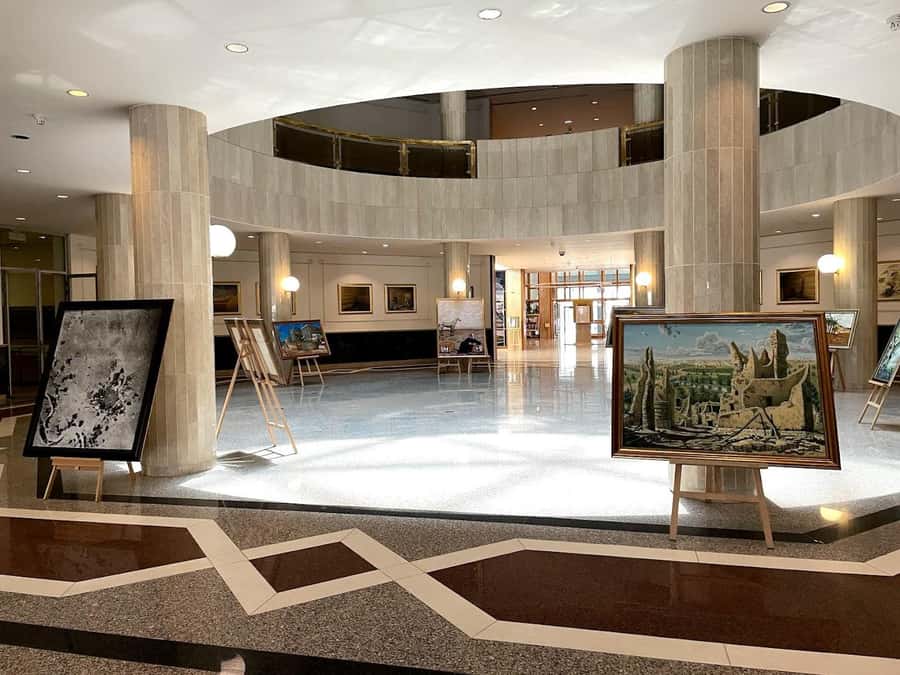
- 2.5 million sources explained through halls and bookshelf areas you can actually walk through
- Small group of up to 6 for questions that don’t get lost
- Skip-the-line express security plus water and refreshments to keep things smooth
Arriving at King Fahad National Library: Get Your Bearings Fast
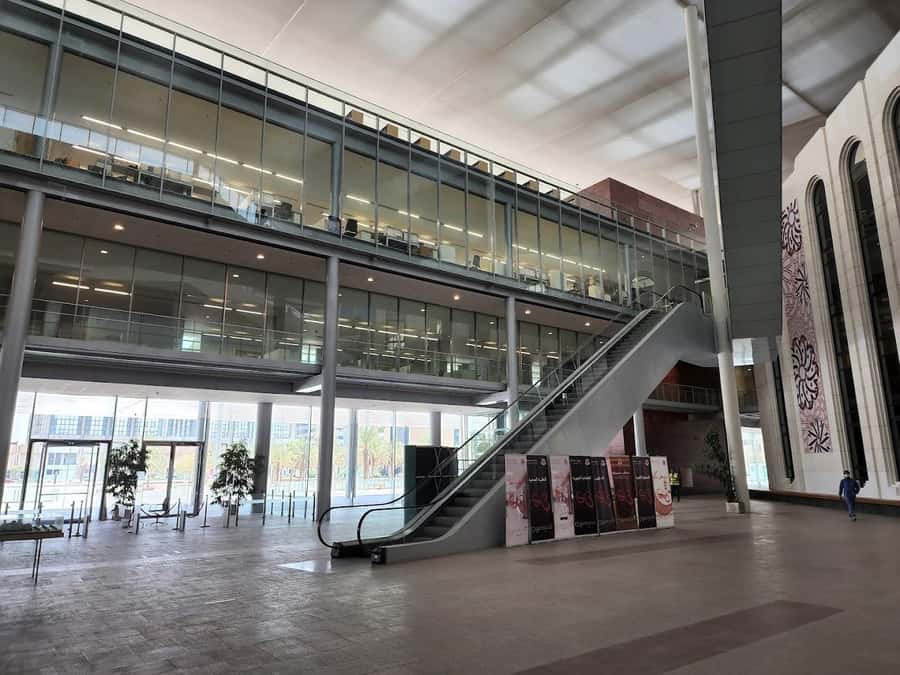
Most people underestimate how much time Riyadh tours can eat up before they even start. Here, the start is clear and direct: you meet at the main entrance on the eastern side, with direct access from the park. If you’re driving, the listed starting point is 6757 King Fahd Rd, so you can plug it into maps without stress.
Expect a small-group rhythm from the start. The tour is limited to 6 participants, which matters because the guide can keep the pace moving while still answering questions. Since the whole experience is 2 hours, arriving a few minutes early helps you settle in before the architecture talk begins.
Practical tip: wear comfortable shoes. Inside and around a large public building, you’ll be on your feet, and the day will feel much better if your feet are happy.
Express Security and a 2-Hour Plan That Actually Fits
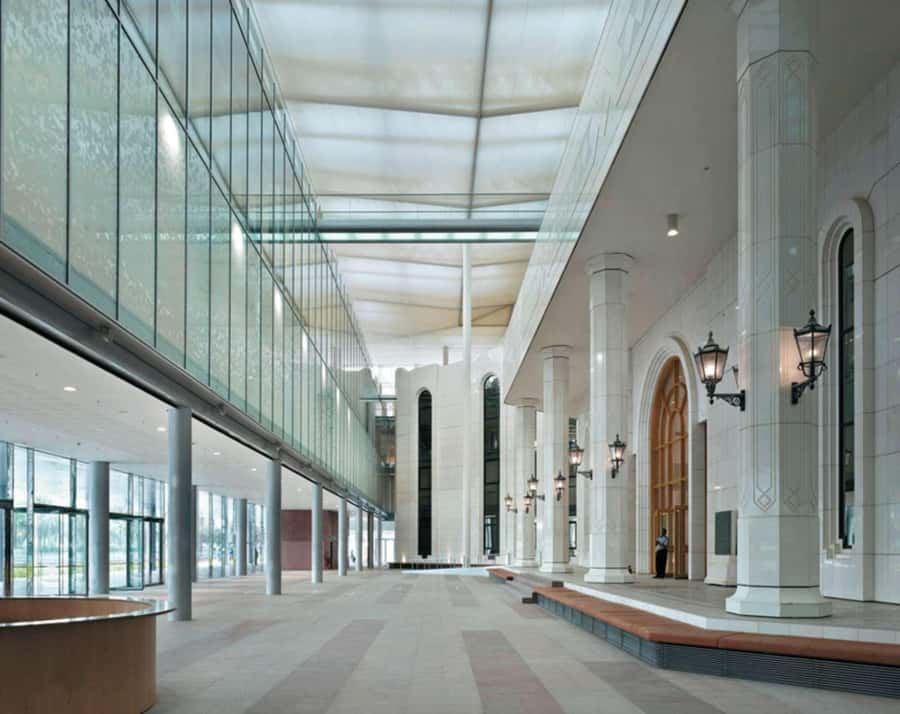
This tour includes express security check, which is a big deal at large cultural sites. It means you don’t spend your precious 2 hours standing in a slow-moving line, and you can start learning sooner rather than later.
The timing is also structured to match the topic. You’re not just taking a stroll; you’re getting a guided “how to read the building” session plus a walk-through of spaces connected to the collection. With only 2 hours, the guide will focus on the parts that explain the design and the purpose of the library most clearly.
If you’re the type who likes to take photos constantly, do it in batches. Capture exterior angles during the architectural portion, then switch to interior shots once you’re walking through the halls. Otherwise, camera time can quietly steal minutes from the explanations you came for.
The Exterior Story: Why the Cuboid Feels Intentional
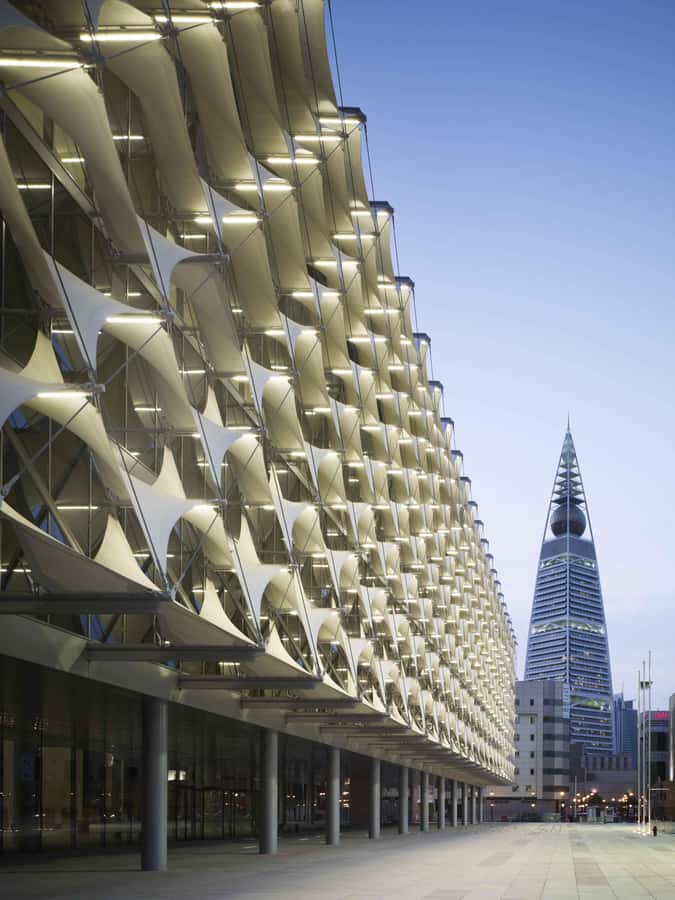
The King Fahad National Library doesn’t look accidental, and the tour helps you prove that to yourself. One of the core points is the striking cuboid building designed by Gerber Architekten, explained in a way that shows how it relates to what was already there.
You’ll learn how the design integrates the existing cruciform structure rather than simply covering it up. That matters because it’s easy to judge a new building as “modern” and move on. Here, the guide helps you see the relationship: the form isn’t just a shape; it’s a way of balancing old and new.
Look for how the building reads from different angles. The cuboid can feel severe at first glance, but once you understand how it connects to the cruciform plan and the preserved elements, it starts to feel like a carefully solved puzzle.
The Dome Reimagined: Concrete Past, Steel-and-Glass Present
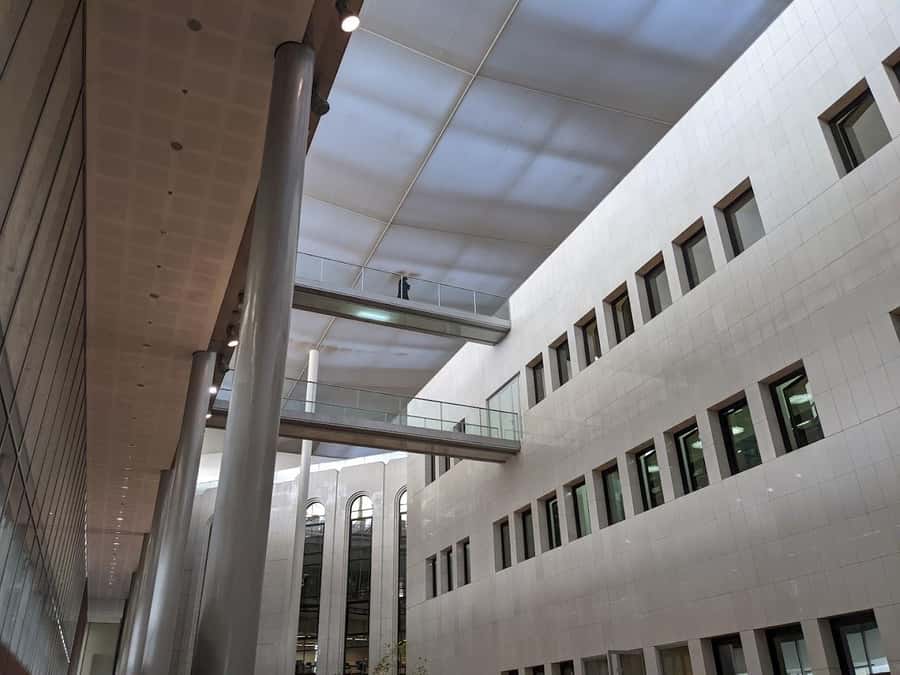
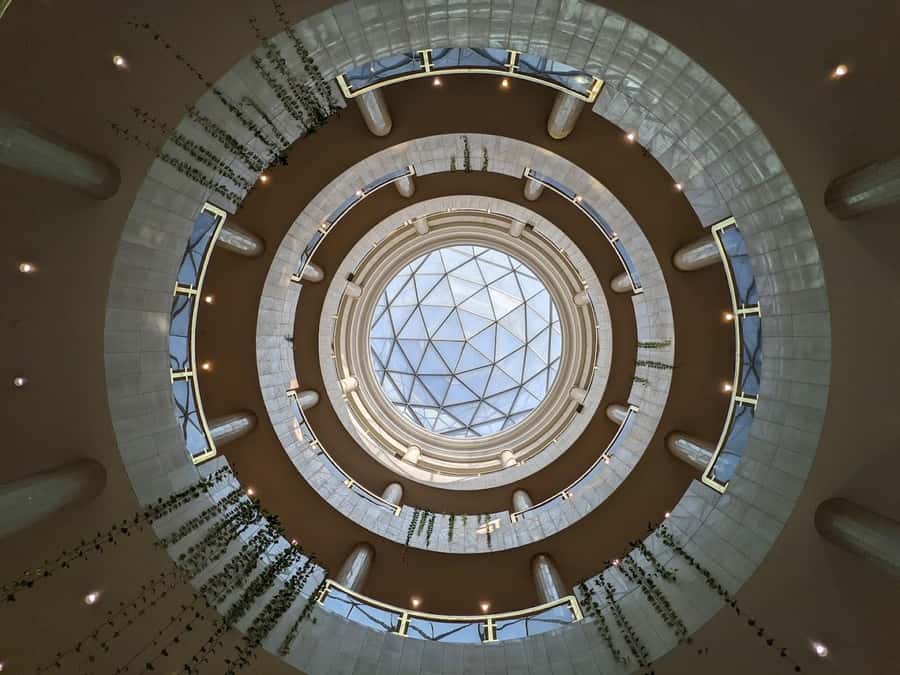
Another highlight is the way the library’s older identity was kept—then transformed. You’ll hear about the reconstruction of the library’s old iconic concrete dome, now presented in a striking steel and glass form.
This is the part of the tour that makes the project feel modern without erasing memory. When you understand the dome as a “before and after” element, you stop seeing it as decoration and start seeing it as continuity: a recognizable symbol, translated into new materials and new light.
If you like architecture, this is where the tour becomes especially rewarding. You’re not just looking at a feature; you’re learning why that feature was worth reworking and how the materials change the atmosphere of the space.
Building Within a Building: The Design Concept You’ll Remember
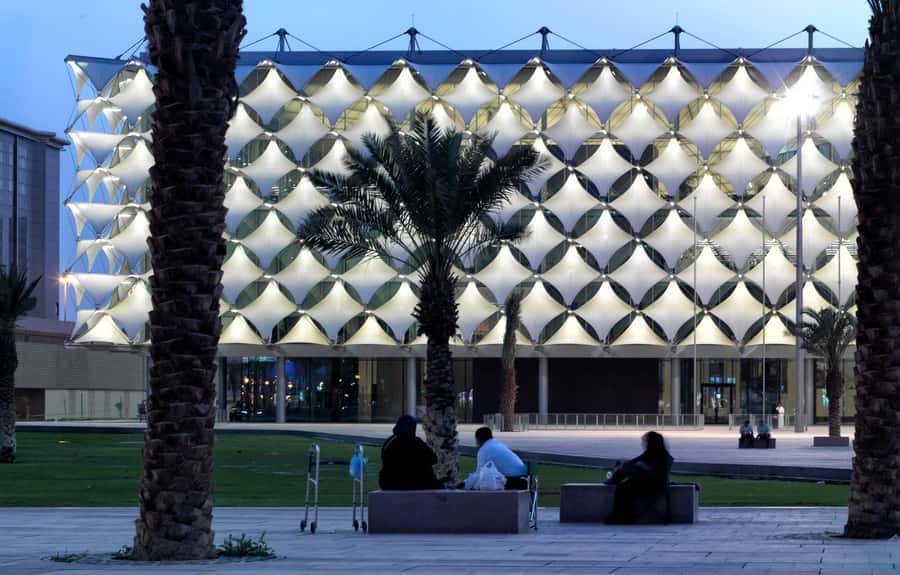
The guide’s explanation of the building within a building concept is the intellectual backbone of the tour. The basic idea you’ll take away is that historic elements aren’t treated like something to demolish, replace, and forget. Instead, the new modern structure and the preserved parts cooperate.
You’ll also connect that concept to what you see during the walk-through. The tour is arranged so you can relate the design philosophy to actual spaces—how the library’s layout supports the collection, and how architectural choices help the building function as a public knowledge center.
For me, this is the best kind of tour lesson: it gives you a framework. After that, when you look at corridors, halls, or internal transitions, you don’t just see rooms. You see an idea getting built.
Inside the Library: 2.5 Million Sources, Explained for Real People
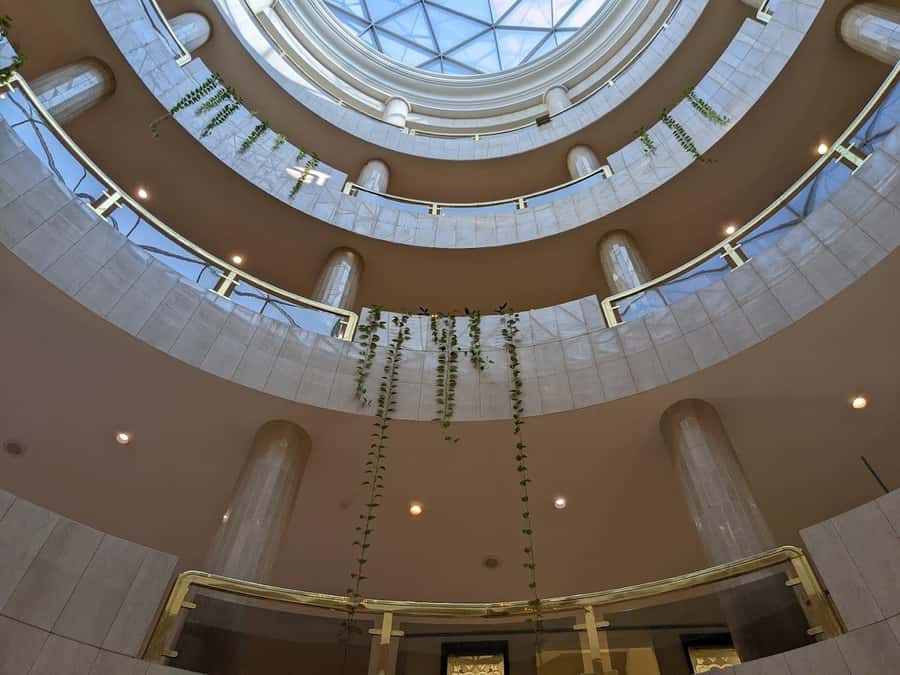
Here’s where the tour becomes more than architecture talk. The library houses over 2.5 million sources, including books, manuscripts, and audio-visual materials. The guide doesn’t throw that number at you and walk away; they connect the collection scale to how you move through the space.
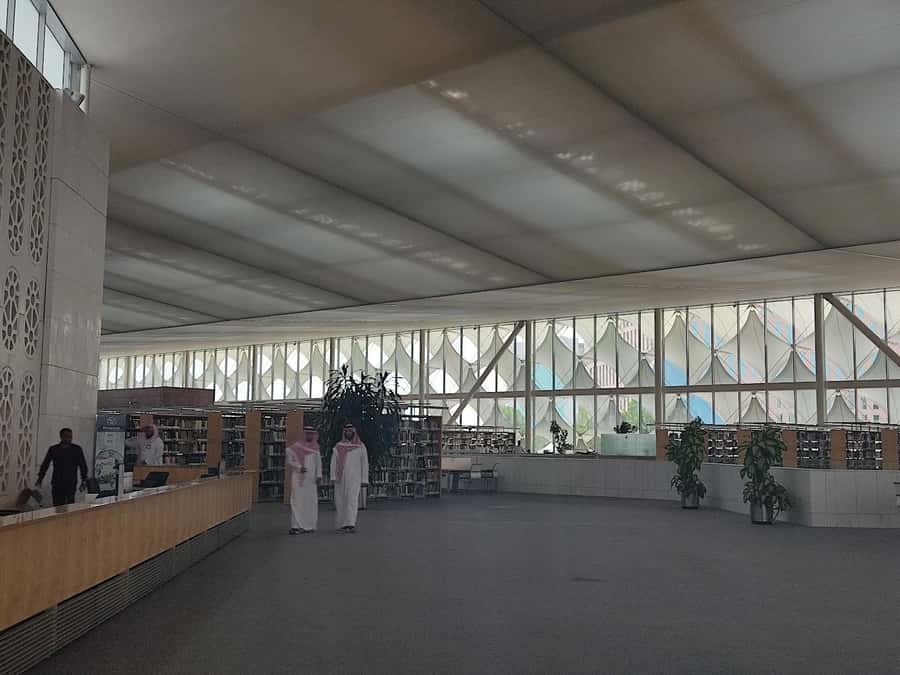
You’ll explore the diverse halls and bookshelves that house this knowledge. That’s important for first-timers, because “2.5 million items” sounds abstract. Walking through the organized public areas helps you understand how researchers and students can orient themselves instead of getting lost in size.
Another point that comes through clearly: this library isn’t just a storage facility. It’s presented as a premier cultural institution—a hub for intellectual discourse and cultural exchange in Saudi Arabia. That changes how you interpret the building. You stop viewing it as an impressive object and start seeing it as civic infrastructure for learning.
A practical thought: if you’re a reader or student, you’ll likely enjoy the way the tour connects the building’s purpose to access and use. If you’re just passing through Riyadh, you still get value because the library’s role gives the architecture emotional context.
What the 6-Person Group Size Does for You
The group limit of up to 6 participants isn’t a throwaway detail. It changes the whole feel of the tour. You can ask questions about the cuboid form, the domed feature, and how preservation and modernization were balanced—and your answers won’t get swallowed by a crowd.
In past groups, guides such as Ahmed (described as an architecture professor) and Rawan have stood out for how clearly they connect structural design to what you can actually see. That’s the kind of teaching you want: the building stays visible while the explanation stays practical.
If you’re traveling with someone who cares about architecture and someone who doesn’t, this structure also helps. The guide can keep one foot in design and one foot in purpose, so you’re not choosing between engineering and meaning.
What to Bring (So You Enjoy the Walk, Not Chase It)
The essentials are simple, but they matter for a smooth experience:
- Comfortable shoes (you’ll be walking inside and around the site)
- Camera (exterior angles and architectural details are worth capturing)
- Comfortable clothes (you’ll likely want breathable layers)
- Charged smartphone (for photos and reference while you listen)
If you’re sensitive to heat or indoor temperature shifts, plan light layers. Saudi summers can be intense, and even indoors you may find strong climate control differences.
Accessibility and Who This Tour Works Best For
This experience is wheelchair accessible, which is a serious advantage for a major public building. If mobility is part of your planning, it’s helpful to know the tour is designed to be usable for wheelchair visitors.
Age-wise, it’s not suitable for children under 6 years (and it’s also not for babies under 1 year). That doesn’t mean it’s “adult-only” in spirit, but it does mean the pace and the content likely assume you can focus through an architecture-and-collection walkthrough.
Who should consider booking?
- Architecture fans who like design reasoning more than just “wow factor”
- Students or lifelong learners who enjoy seeing how institutions work
- People who want a meaningful Riyadh cultural stop that isn’t only about landmarks outside
Price and Value: Is $65 Worth 2 Hours?
At $65 per person for 2 hours, you’re paying for two things: guided expertise and a smooth experience that helps you get oriented fast. In a place as visually and conceptually complex as this library, a good guide is the difference between taking photos and understanding what you photographed.
You also get water and refreshments, plus the express security check, which saves time and energy. Those aren’t flashy perks, but they add up when you’re on a tight schedule.
Transport isn’t included, but pick-up and drop-off can be arranged for extra fees. So the total cost depends on how you’re getting there. If you’re already based nearby or you can manage transit easily, the $65 price feels more straightforward. If you need added transport, plan for that as part of your Riyadh day budget.
Should You Book This Tour?
Yes, if you want a smarter way to see Riyadh’s cultural side. This is a tour that teaches you how to read the King Fahad National Library—especially the cuboid design, the reconstructed dome, and the building-within-a-building idea—while also giving you a sense of what it means to house 2.5 million sources.
I’d skip it only if you’re looking for a fully self-guided, open-ended visit where you can wander without structure. The 2-hour format is focused, not endless.
If your schedule can handle one strong guided stop, I think this is a solid choice—because you leave with both visuals and understanding, not just memories of a big building.
FAQ
How long is the King Fahad National Library guided tour?
The guided tour lasts 2 hours.
What does the tour cost?
It costs $65 per person.
Where do I meet the guide?
You meet at the main entrance on the eastern side, with direct access from the park. The starting location is listed as 6757 King Fahd Rd.
What languages are available for the live tour guide?
The live tour guide is offered in Arabic, Japanese, and English.
Is this tour a small group?
Yes. The group size is limited to 6 participants.
Is wheelchair access available?
Yes, the tour is wheelchair accessible.
Do I need transportation to get there?
Transportation to other locations is not included. Pick-up and drop-off can be arranged for an extra fee.
Is there express security included?
Yes. The experience includes an express security check.
What should I bring?
Bring comfortable shoes, a camera, comfortable clothes, and a charged smartphone.
Who is this tour not suitable for?
It’s not suitable for children under 6 years and babies under 1 year.