REVIEW · PORTO
Porto Tour: Street Art & Architecture Experience 3h
Book on GetYourGuide →Operated by Eco Porto Tours · Bookable on GetYourGuide
Porto’s street art has a citywide voice. This 3-hour tuk tuk tour strings together Porto’s old-school architecture and its newer street-art personality, so you see the city as it changes, not just as it’s photographed. You start at Estatua de Vimara Pérez, ride through central corridors, and spend time in art-forward neighborhoods like Cedofeita, Bonfim, and Miguel Bombarda.
I love how the tour connects walls and buildings. You’re not only spotting murals, you’re also noticing how design styles sit side-by-side, from blue tiles and stone to clean modern lines like those near the Fine Arts Faculty. I also love the guide factor: names like Filipe, Gonzo, and Duarte come up for a reason, because they bring real context and answer questions without rushing you.
One consideration: it’s short. With just 3 hours, you’ll get a smart overview, but you won’t have time for museum-style deep dives or long stops inside ticketed attractions, since those tickets aren’t included.
In This Review
- Key things I’d bet you’ll remember
- Starting at Estatua de Vimara Pérez: how Porto sets the rules
- The blue-tile center to the Fine Arts Faculty area
- Cedofeita: when the walls start talking
- Bonfim: Porto’s message board in street form
- Miguel Bombarda: the artist-led part of Porto
- How the tour ties street art to real architecture
- The stories you’re actually there for
- What 3 hours feels like in practice
- Price and value: $233 per group up to 3
- Included extras that save your energy
- Who should book this tour
- Should you book this Porto Street Art & Architecture Experience?
- FAQ
- How long is the Porto Street Art & Architecture experience?
- What is the price?
- Where does the tour start and end?
- Is transportation included?
- Is this a private tour?
- Which languages are available for the guide?
- What’s included in the price?
- Are museum tickets included?
- Does the tour involve walking?
- Is there free cancellation?
Key things I’d bet you’ll remember
- Tuk tuk makes the contrast easy: quick hops between classic center streets and contemporary design zones
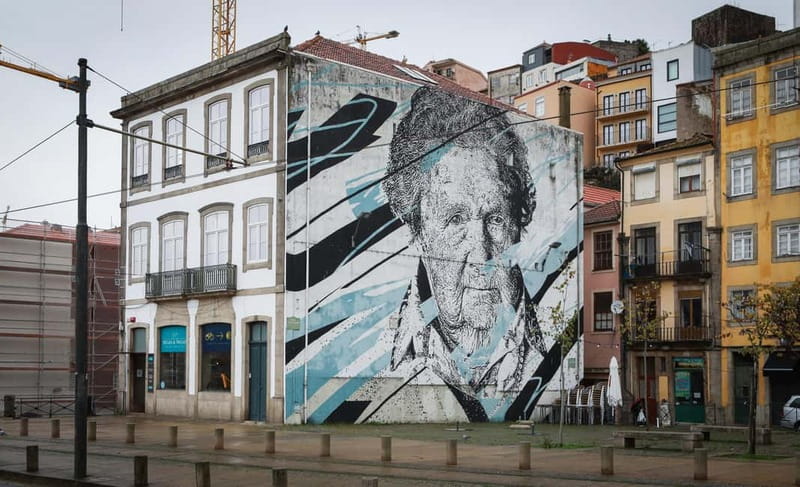
- Murals with heavyweight names: you’ll see art tied to Vhils and Odeith, not just random tags
- Real neighborhood vibe: stops include Cedofeita and Bonfim, with Miguel Bombarda in the mix
- Stories behind the paint: identity, resistance, and change come up through the mural messages
- Guides who keep up: multilingual guides, praised for responsiveness and lots of extra detail
- Private group for up to 3: hotel pickup/drop-off helps you spend time on the art, not logistics
Starting at Estatua de Vimara Pérez: how Porto sets the rules
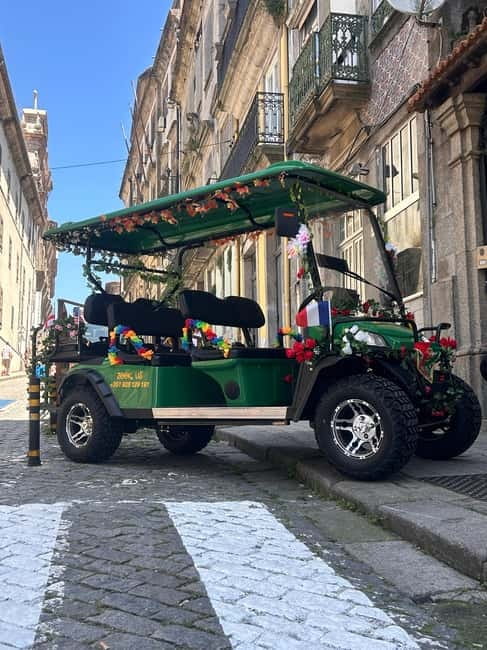
Your tour begins at Estatua de Vimara Pérez. It’s a solid meeting point because it helps you get oriented fast, especially if you’re only in Porto for a short stretch.
Once you’re underway, you’ll notice the tour’s basic idea right away: Porto’s “old” and “new” don’t live in separate worlds. You’ll move past the historic center look—think classic stonework and the famous blue-tile detailing—then you’ll see how contemporary construction interrupts the scene. That contrast matters here, because street art isn’t just decoration. It’s part of how the city comments on itself.
You can also read our reviews of more tours and experiences in Porto.
The blue-tile center to the Fine Arts Faculty area
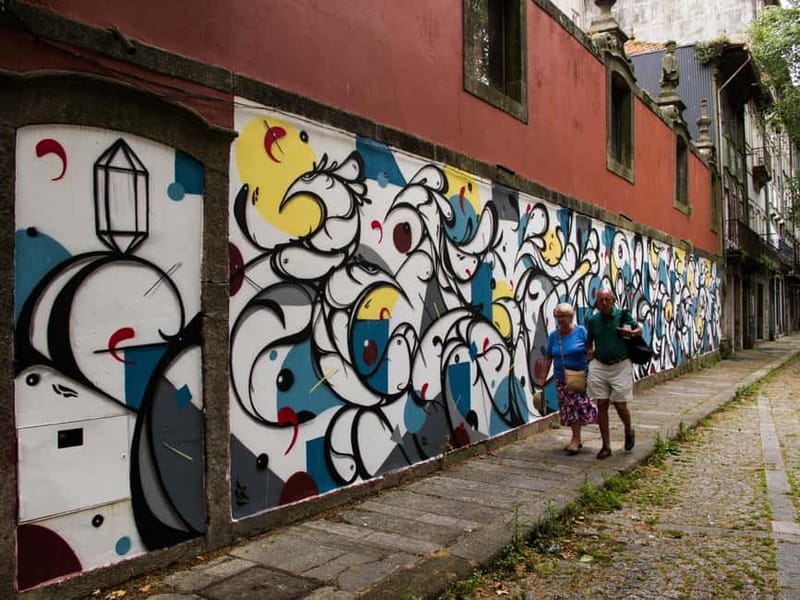
This is where the tour earns its keep. In the early part of the ride, your guide shows you the push-and-pull between neoclassical buildings and modern architecture, including references around the Fine Arts Faculty area.
You’re basically getting a “spot the differences” lesson, but you’ll also understand why those differences matter. Porto’s architecture tells a story of reinvention—old facades holding their ground while cleaner, sharper lines show up nearby. When you later see a mural, the message lands harder, because you’ve already trained your eyes to notice how the city mixes eras.
Practical note: bring your camera early. The transition zones can look like nothing special from the bus window, but stop-and-frame angles make them pop.
Cedofeita: when the walls start talking
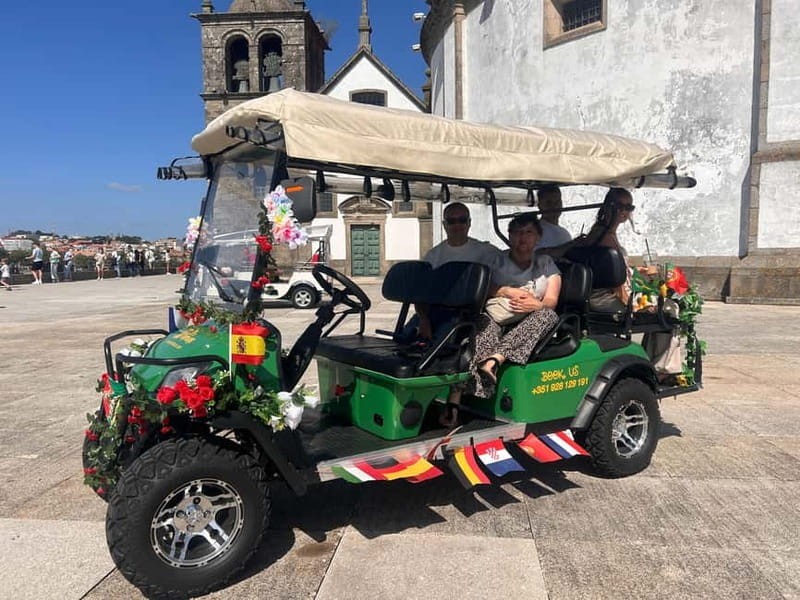
Next up is Cedofeita, one of the tour’s key art stops. This is where the city starts to look like an open-air canvas. You’ll be watching street interventions and murals that feel placed with intention, not just leftover paint.
What I like about Cedofeita in a tour like this is the way it teaches you to read a neighborhood. You’re not only looking for a famous signature. You’re also seeing how the artwork interacts with the street itself—scale, color, and message. Even if you’re not a diehard street art fan, you’ll find yourself slowing down.
The guide’s job here is big: they connect what you’re seeing to why it exists. That’s where Porto’s urban transformation becomes more than a slogan.
Bonfim: Porto’s message board in street form
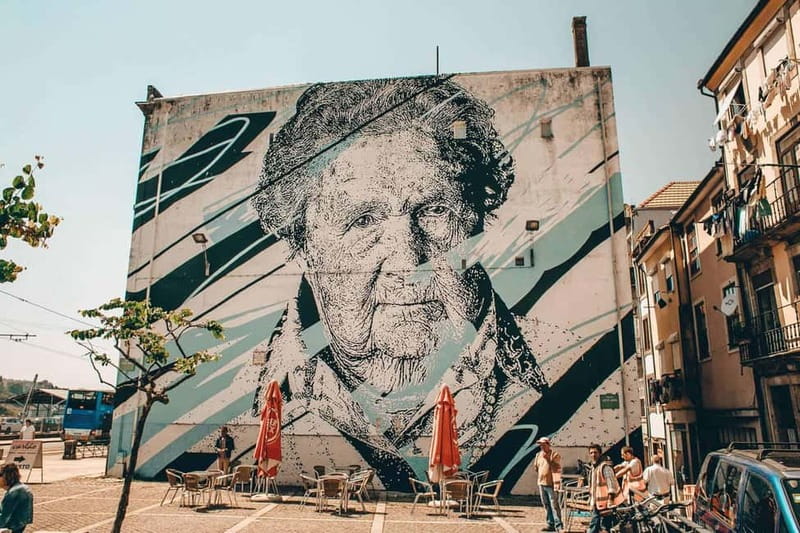
After Cedofeita, the ride continues toward Bonfim. This part of the tour keeps the focus on how street art sits inside daily life. It’s not staged. It’s there because the neighborhood lives with it.
You’ll likely notice more layers in the visuals: bigger murals next to smaller works, plus the kind of graffiti that feels like conversation rather than artwork in a gallery. Your guide should point out which pieces are community-driven and which ones reflect broader themes.
This is also where the stories about street art becoming a movement start to make sense. The tour’s framing—identity, resistance, and change—doesn’t feel abstract here because the neighborhood context is right in your face.
Miguel Bombarda: the artist-led part of Porto
Miguel Bombarda is where the tour leans hardest into the art-world side. This area is known for street art that feels connected to the city’s creative scene—large-scale murals and bold graffiti that challenge what you expect from a regular street.
What you’re aiming for isn’t just photos. It’s understanding the street art logic. Why certain walls get chosen, how the style changes block to block, and how the artwork can reflect belonging or protest.
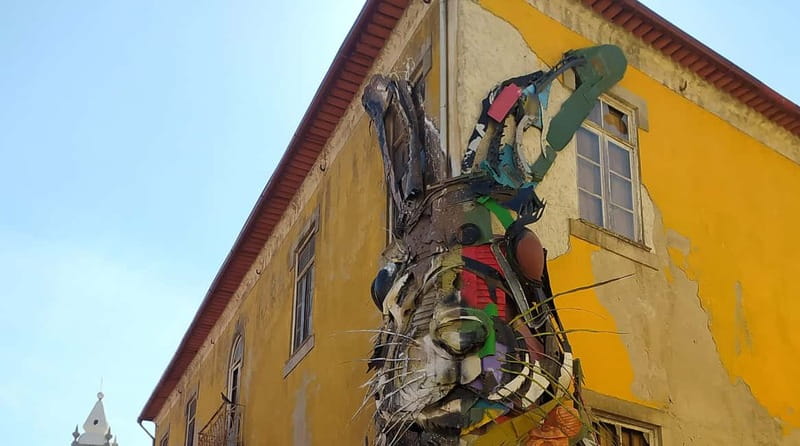
This is the time when big names come up. The tour highlights artists like Vhils, famous for carving human faces into walls, and Odeith, known for 3D graffiti. Even if you’ve never heard their names before, you’ll leave with a sharper eye for how technique changes the feeling of a piece.
How the tour ties street art to real architecture
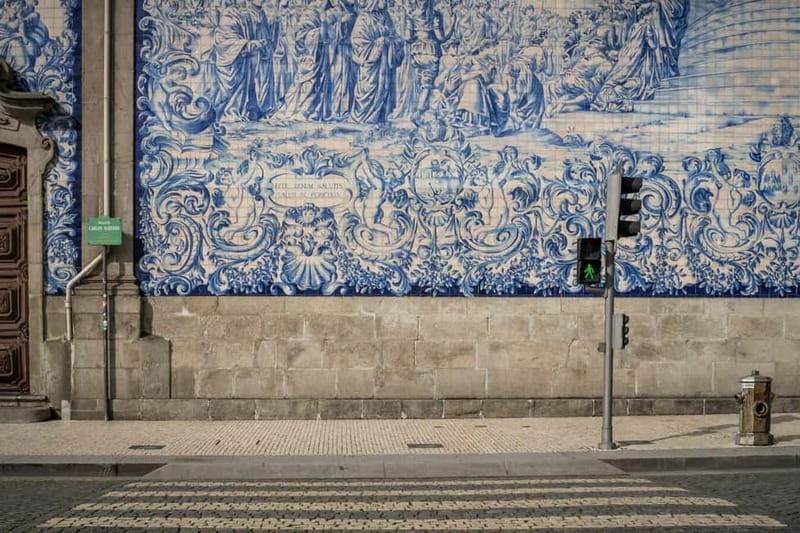
One smart thing about this experience is that it never treats murals as a separate category. You’ll keep seeing architecture show up as a co-star: minimalist modern buildings beside baroque churches, sleek glass lines next to textured stone.
That matters because street art is often about place. A mural’s message can be enhanced—or even altered—by the wall it’s on and the building style around it. The tour uses this contrast to teach you what to look for.
If you like design, you’ll probably start playing your own game while riding: old stone, new glass; heavy ornament, clean geometry; tiled surfaces next to painted surfaces. It’s fun, and it gives you something useful to do besides scroll on your phone.
The stories you’re actually there for
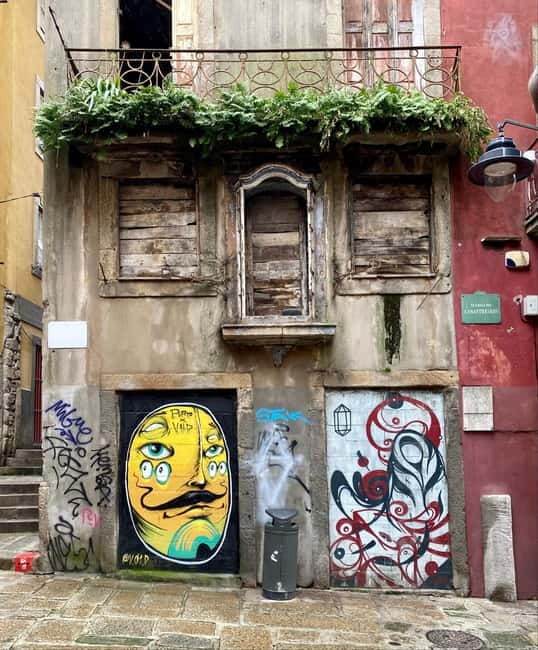
Street art can feel like random color unless someone gives it context. That’s where your guide’s role becomes the main attraction.
In this tour, the guide shares backstories about how street art became a visible movement in Porto and where local and international artists tend to show up. You’ll also hear the kind of cultural framing that explains why messages keep coming back to themes like identity and resistance.
The most memorable moments tend to be the ones that explain a mural beyond style—what was happening in the city, what that artist was trying to say, and how the piece fits into the neighborhood. When your guide is strong (and the reviews point to guides like Filipe, Gonzo/Gonzalo, and Duarte being very involved), you get more than a checklist. You get meaning.
What 3 hours feels like in practice
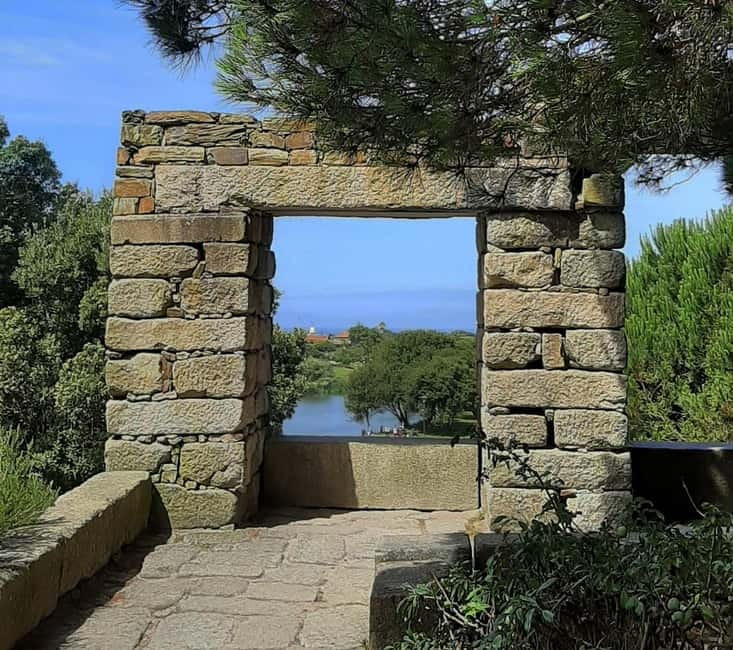
This is a compact tour by design. You’re on a tuk tuk for the connection points, but you’ll still do some walking at stops, so comfortable shoes matter. Expect quick transitions rather than long, slow lingering.
Here’s what that means for your day plan:
- If you’re short on time, this is a great way to get oriented visually across multiple neighborhoods.
- If you’re the type who likes to move fast, it should fit well.
- If you hate crowds or long walking stretches, you’ll probably appreciate the tuk tuk structure even more.
The tour duration is 3 hours, so it’s best thought of as a curated route through themes—architecture contrast first, then mural storytelling, then neighborhood texture.
Price and value: $233 per group up to 3
The price is $233 per group for up to 3 people. That changes the math in a useful way.
If you book as a duo, you split the cost. If you book as a group of three, the effective price per person becomes much more reasonable for a private guide with hotel pickup and drop-off plus transportation. You’re paying for time saved and for someone to steer you away from the random approach and toward pieces with context.
If you’re traveling solo, it can still be worth it, but you should treat it as a “pay for focus” choice. You’re not just getting a ride. You’re buying a fast, guided interpretation of the city’s street art and architecture mix.
Included extras that save your energy
This experience includes:
- Hotel pickup and drop-off
- Transportation (the tuk tuk ride)
- A private multilingual guide (Portuguese, English, Spanish, French)
Not included: museum tickets for any additional stops.
That all matters because it keeps the experience smooth. You don’t need to plan routes on the fly or worry about squeezing in transit time. It’s a cleaner way to see Porto when your schedule is tight.
One small practical tip from what’s been suggested: if you like having a written list, ask your guide for one during the tour (or jot down the key spots as you go). It’ll make your photos and notes easier to sort later.
Who should book this tour
This tour fits best if you:
- Want Porto beyond postcards, focused on what’s happening on streets and facades
- Like urban art but also care about design and architecture
- Travel with up to 3 people and want private guidance
- Have limited time and want a smart route that covers multiple neighborhoods
It’s also a solid choice if you’re into social themes. The way the tour frames identity and resistance through murals is the difference between looking at art and understanding why it shows up.
Should you book this Porto Street Art & Architecture Experience?
I’d book it if you want a fast, guided way to see how Porto uses art to talk about itself. The combination of tuk tuk transport, neighborhood stops like Cedofeita, Bonfim, and Miguel Bombarda, and mural highlights connected to artists like Vhils and Odeith makes the time feel well spent.
I’d think twice if you’re chasing museum-level context or long indoor visits. This is a street-and-architecture route, so plan your museum time separately if that’s high on your list. If you’re okay with a compact overview and you’ll actually enjoy walking a bit to get the angles, you’ll likely have a great time.
FAQ
How long is the Porto Street Art & Architecture experience?
It runs for 3 hours.
What is the price?
The price is $233 per group (up to 3 people).
Where does the tour start and end?
It starts and ends at Estatua de Vimara Pérez.
Is transportation included?
Yes. The tour includes transportation via tuk tuk.
Is this a private tour?
Yes, it’s a private group for up to 3 people.
Which languages are available for the guide?
The live guide is available in Portuguese, English, Spanish, and French.
What’s included in the price?
You get hotel pickup and drop-off, transportation, and a private multilingual guide.
Are museum tickets included?
No. Tickets for other activities, like museum tickets, are not included.
Does the tour involve walking?
You should wear comfortable shoes, since there is walking at stops during the 3-hour experience.
Is there free cancellation?
Yes. Free cancellation is available up to 24 hours in advance for a full refund.