REVIEW · PALERMO
Palermo: Art and Architecture Walking Tour
Book on GetYourGuide →Operated by MySicilyGuide · Bookable on GetYourGuide
Palermo’s buildings tell stories if you watch. This tour is a smart way to see major monuments without wrestling with the usual crowds, especially around Capella Palatina and the skip-the-line cathedral visit. I love how the route stacks different eras in one walk, and I love the photo-stop pacing that lets you look, listen, and actually take photos. One catch: monument entrance fees are not included, so you’ll need to plan to pay those directly to your guide.
You’ll also get a licensed guide and clear audio support if your group size calls for it, plus a choice of guide languages from English to Italian and more. I’d consider this a practical pick for first-time visitors who want structure, but it may feel short if you want to linger for hours inside chapels and museums on your own.
In This Review
- Key highlights that make this tour worth it
- Getting oriented fast: from Politeama sestiere to the old center
- Capella Palatina and Palermo Cathedral: one building, many centuries
- Fontana Pretoria and Quattro Canti: baroque drama in public space
- The streets of the Politeama district: Teatro Politeama and Teatro Massimo
- Timing and route flow: 3 hours that don’t feel chaotic
- Price and value: what $317.20 covers for up to 5
- What to bring (and what to leave behind)
- Who this tour fits best (and who might not love it)
- Should you book this Palermo Art and Architecture Walking Tour?
- FAQ
- How long is the Palermo art and architecture walking tour?
- Is this tour a small group or private group?
- Where do we meet for the tour?
- Is the tour timed to skip the line?
- Are entrance tickets to monuments included in the price?
- What languages are available for the live guide?
- Is the tour wheelchair accessible?
- What should I bring and what is not allowed?
- Is entrance to monuments free on the 1st Sunday of the month?
Key highlights that make this tour worth it
- Small-group pace with skip-the-line access so you spend more time looking and less time waiting
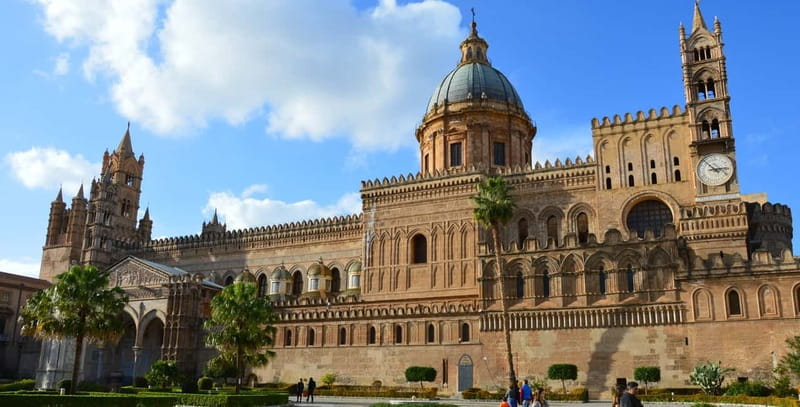
- Capella Palatina + Palermo Cathedral to understand how styles changed over centuries
- Fontana Pretoria and Quattro Canti for iconic square-and-street drama
- Teatro Massimo stop with context for one of Europe’s biggest opera houses
- St. Rosalie legend tied to Palermo’s identity and religious tradition
Getting oriented fast: from Politeama sestiere to the old center
Palermo can feel like a maze at first. The value of this tour is that it gives you a path through the historic center without turning the day into a scavenger hunt. You start at one of two locations—Teatro Politeama Garibaldi or Villa Bonanno—then your guide leads you into the older streets with just enough stops to help you understand where you are and why it matters.
I like the way the first chunk is built around seeing and listening, not just marching. You get a photo stop and guided viewing time in Palermo’s core area, which is where you start picking up the city’s clues: the mix of architectural styles, the street geometry, and the way the major landmarks connect. If you’re the type who loves a good “what you’re looking at and why it’s here” moment, you’ll get that early rather than at the end.
A small practical note: the tour isn’t about wandering for hours. You’ll be on your feet for a brisk but manageable half-day, so it works best if you like a plan. Wear comfortable shoes and don’t plan to stash a big daypack inside monuments—large bags and backpacks aren’t allowed in those spaces.
You can also read our reviews of more tours and experiences in Palermo.
Capella Palatina and Palermo Cathedral: one building, many centuries
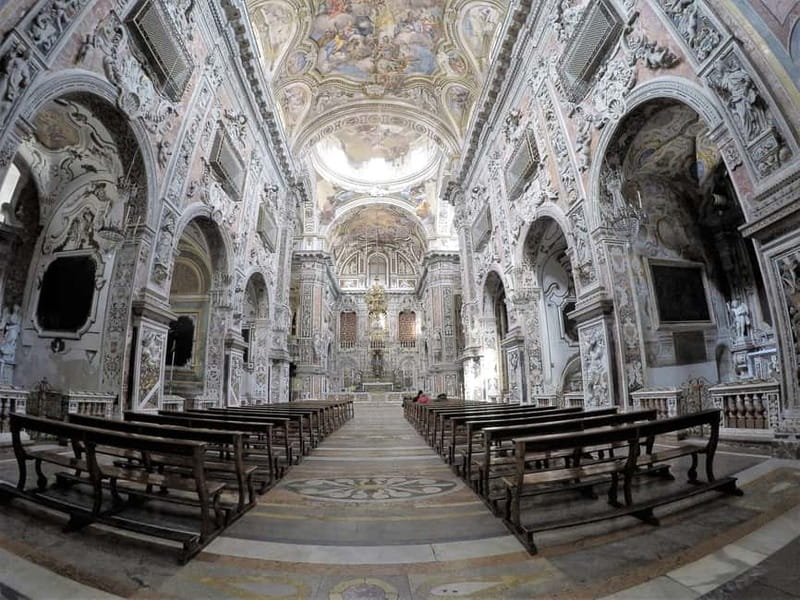
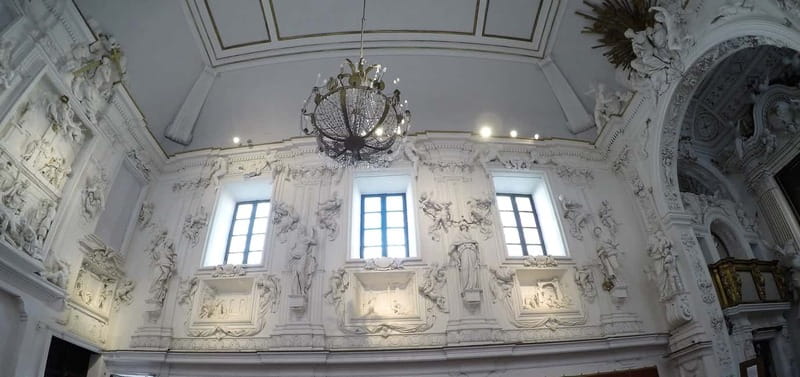
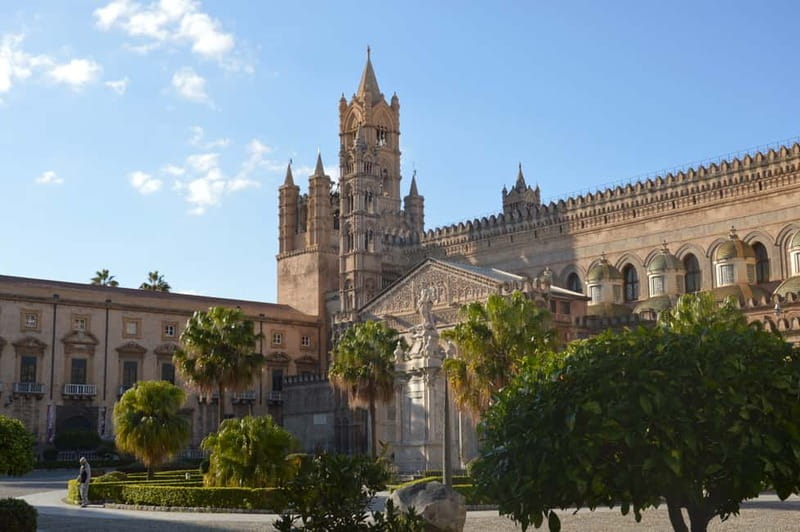
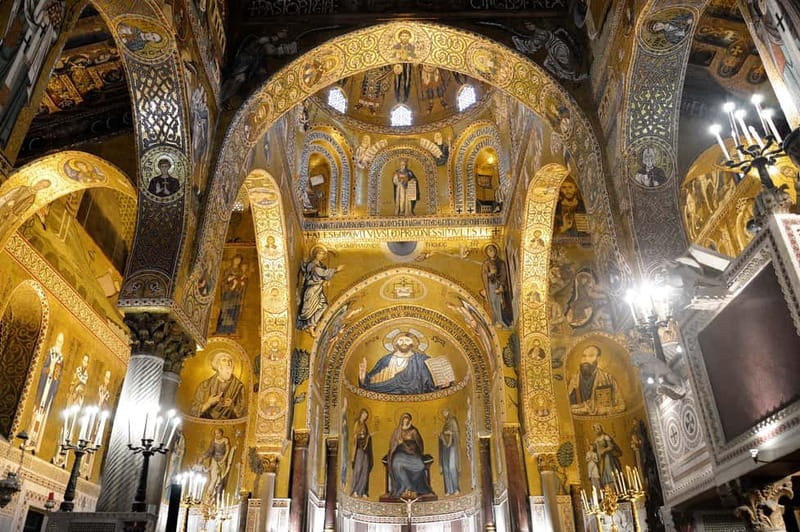
If you care about architecture, this is the centerpiece. You’ll explore the Capella Palatina area and then make your way to Palermo Cathedral for a guided visit. The key is that the guide frames what you’re seeing: the cathedral’s facade reflects multiple architectural phases, from Gothic through early Renaissance and into Baroque. Seeing that sequence in person is different than reading it later.
Here’s what makes it satisfying on a walking tour: you don’t just get the headline view. You learn how the religious and political shifts of different eras left fingerprints on the same site. Palermo sits at a crossroads of cultures, and this part of the tour helps you connect the dots between the Arab-Norman era and the religious rites associated with the palace chapel and the cathedral complex.
The cathedral stop also comes with a big relief: skip-the-line style access. Even when you’re not in a hurry, standing around while others wait is a waste. With the separate entrance, your time stays in your control.
One more detail you’ll appreciate: in addition to the monuments, you’re told stories that give the buildings a pulse. For example, you’ll learn the legend of St. Rosalie, Palermo’s patron saint. That matters because it explains why devotion isn’t just a calendar event—it’s part of how people talk about the city.
Fontana Pretoria and Quattro Canti: baroque drama in public space
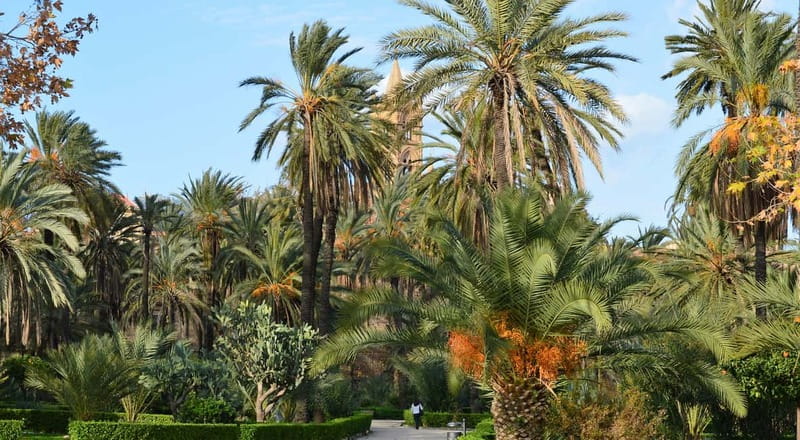
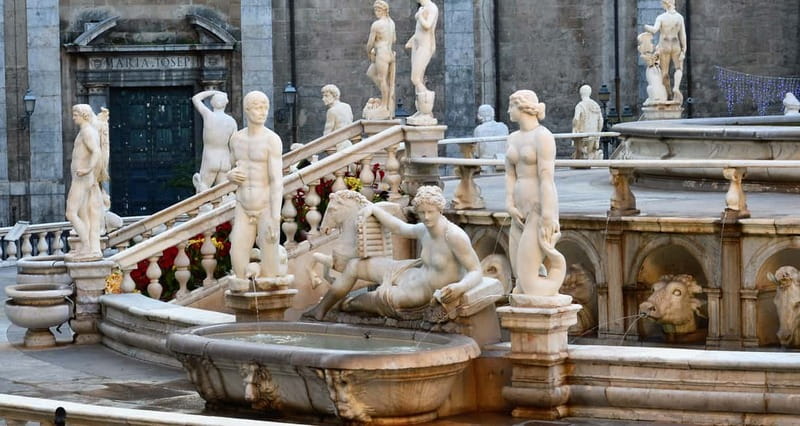
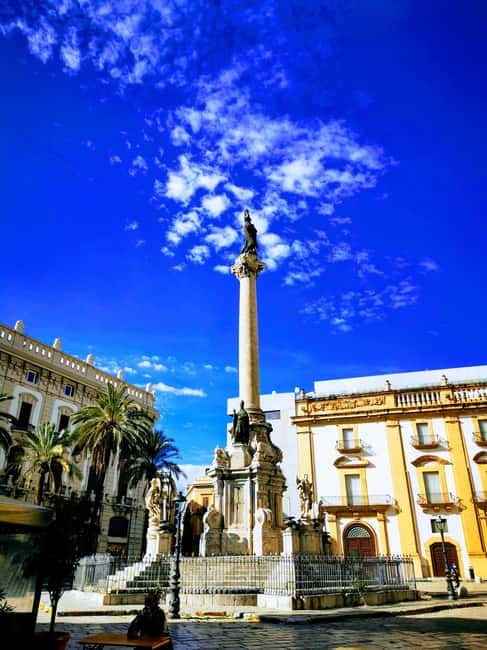
Palermo is at its most theatrical in places like Fontana Pretoria and the nearby square areas. This tour includes a focused stop at Fontana Pretoria, with guided viewing time that’s long enough to notice details instead of rushing past them. You’ll also get a Quattro Canti stop, again with photo time and commentary.
Why these two stops work well together: they show you how the city uses public space as stagecraft. Quattro Canti is basically an intersection turned into a landmark, and Fontana Pretoria is an unmistakable visual punch. When your guide ties these sights to the broader storyline of Palermo’s changing rulers and tastes, the sights stop being just pretty pictures.
What I’d watch for is your own pace. These are outdoors and photo-friendly, but they can also get crowded in busy times. The tour’s structure helps, because your time is broken into guided segments rather than free-for-all browsing where you lose context.
The streets of the Politeama district: Teatro Politeama and Teatro Massimo
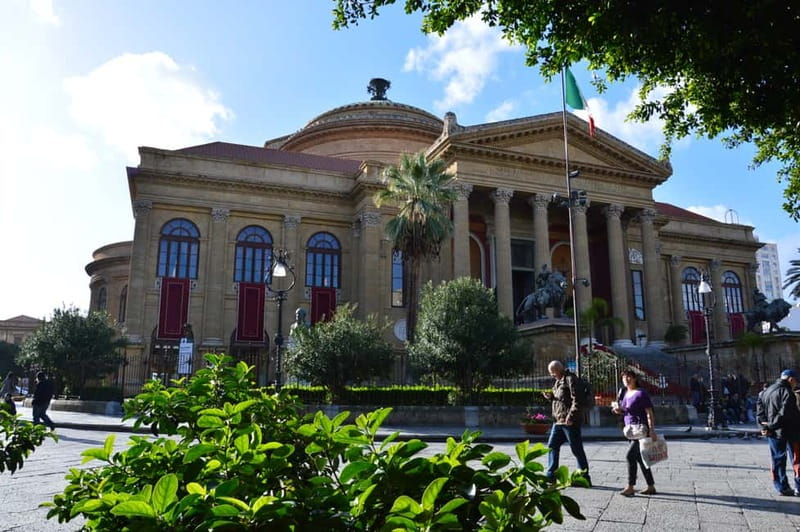
You’re not only focused on churches and chapels. The route brings you into the theater side of Palermo, and it does it with real context. You’ll walk through areas associated with the Politeama sestiere and see major opera landmarks along the way.
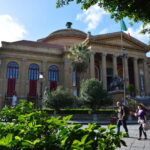
You’ll start and then finish at Teatro Politeama Garibaldi, which acts like a bookend for the day. Along the route, you’ll have photo stops for Teatro Massimo, with guided time that explains why this opera house became such a big deal. Teatro Massimo is described as one of the largest opera houses in Europe, and the guide gives you the backstory so it doesn’t feel like just a name you’ve heard.
This part is especially helpful if you’re an architecture fan who wants more than one style of sight. Cathedrals and palaces can dominate an itinerary, but Palermo’s cultural life is also built around performance spaces. Even if you’re not an opera person, it’s worth seeing the scale and learning what the building represents.
Timing and route flow: 3 hours that don’t feel chaotic
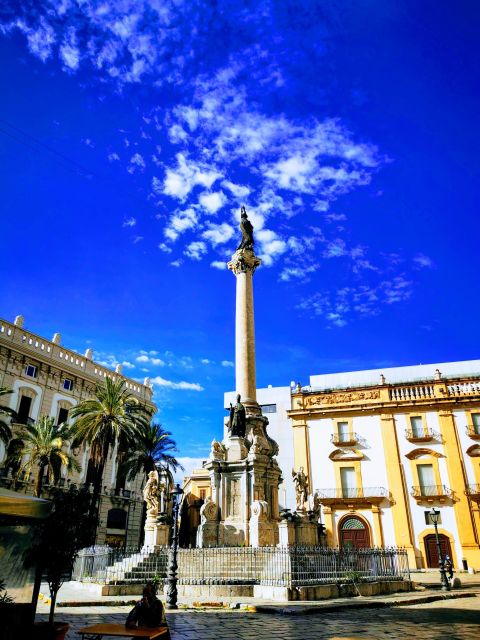
The tour runs about 3 hours, which is a sweet spot. Long enough to see the major anchors—Capella Palatina, Palermo Cathedral, Fontana Pretoria, Quattro Canti, and Teatro Massimo—without exhausting you into wishing you’d done a museum instead.
The stop timing is structured, and that’s a big part of why it works: you’ll have shorter segments for photo stops and longer segments where it counts, like the cathedral visit. That means you get a rhythm of looking, learning, and moving. If you dislike tight itineraries, you might still find this comfortable because you’re not constantly rushing. You’re just kept moving toward the next sight while the guide handles the pacing and key talking points.
If weather is rough, don’t panic. In the past, guides have been praised for coming up with ideas to handle poor conditions and still navigate around lines. That’s exactly what you want from a good city guide: the plan is real, but the flexibility is real too.
Price and value: what $317.20 covers for up to 5
The price is listed at $317.20 per group for up to 5 people. For a private group, that matters because you’re paying for less waiting and more direct time with your guide, not for a mass-market shuffle. The value is strongest if you’re traveling as a small unit—two, three, or four people—because the cost works out more like a shared service than an individual ticket.
What you should know up front: entrance tickets to monuments are not included. So you should expect to budget separately for access fees. Also, you’ll pay those entrance fees directly to your guide prior to departure. This is normal for tours that prioritize skip-the-line entry, but it’s still important for planning.
There’s a silver lining for certain visitors. Entrance to monuments is free of charge on the 1st Sunday of each month, but you still pay a €3 per person fee for booking and headsets, and those entitled to free entrance must also pay a €3 per person reservation fee. If your dates align, you might save on monument costs, even though the tour itself still needs those fixed fees for management and audio equipment.
One more value factor: licensed guiding and the use of headsets when groups are larger than 15 participants. Even on a private-group experience, it signals that the operator thinks about hearing clarity—because nothing kills a great landmark story faster than straining to hear in a loud crowd.
What to bring (and what to leave behind)
This is a walking tour, and the comfort details are real. Bring comfortable shoes, sunglasses, sun hat, and sunscreen. Palermo sun can be intense, and you’ll want to look good in photos without melting during the wait outside.
Also follow the restrictions:
- Shorts are not allowed.
- Backpacks are not allowed (and large bags and oversize luggage are limited inside monuments).
- Plan on carrying something small enough to get you through museum and chapel security smoothly.
If you’re traveling with mobility needs, the tour is wheelchair accessible. In some cases, guides have helped arrange elevator access and seating when needed, which is exactly the kind of practical support that makes sightseeing feel doable.
Who this tour fits best (and who might not love it)
This Palermo art and architecture walk is a strong match if you:
- Want a concentrated highlights route through the old center and major landmarks
- Like guided storytelling tied to architecture and religious tradition
- Are traveling in a group of up to five and want private pacing
- Prefer skip-the-line-style entry over waiting your turn
It may be less ideal if you:
- Want to spend half a day strictly wandering without structure
- Plan to do lots of extra independent stops that would compete with the fixed timing
- Don’t want to pay monument entrance fees separately
Should you book this Palermo Art and Architecture Walking Tour?
I think you should book it if you want a fast, guided map of what Palermo looks like across eras. The combination of Capella Palatina, Palermo Cathedral’s style changes, Fontana Pretoria, Quattro Canti, and Teatro Massimo gives you a satisfying overview without turning your day into a stress test.
I’d especially book it if you’re short on time or visiting for the first time and want to avoid wasting hours. A good guide makes a real difference here, and this tour’s record highlights guides like Maria, Diana, Roberta, and Francesca for being personable, flexible, and able to tailor the pace—whether that means adjusting for older family members or working through tough weather.
If you do book, plan for entrance fees, wear the right clothes for monument rules, and bring sun protection. Then show up ready to look up. Palermo rewards attention.
FAQ
How long is the Palermo art and architecture walking tour?
The duration is 3 hours.
Is this tour a small group or private group?
It’s listed as a private group, and the experience is described as designed for small groups.
Where do we meet for the tour?
Your meeting point may vary by option booked. The start locations listed are Teatro Politeama Garibaldi and Villa Bonanno.
Is the tour timed to skip the line?
Yes. The tour includes skip-the-line access through a separate entrance.
Are entrance tickets to monuments included in the price?
No. Entrance tickets are not included, and entrance fees should be paid directly to your guide prior to departure.
What languages are available for the live guide?
The guide offers Russian, English, French, Italian, Spanish, and German.
Is the tour wheelchair accessible?
Yes, it is wheelchair accessible.
What should I bring and what is not allowed?
Bring comfortable shoes, sunglasses, a sun hat, and sunscreen. Shorts, oversize luggage, and backpacks are not allowed.
Is entrance to monuments free on the 1st Sunday of the month?
Yes, entrance to monuments is free of charge on the 1st Sunday of each month, but you still must pay a €3 per person fee for booking and headsets, and those with free entrance entitlements have a €3 per person reservation fee.