REVIEW · STOCKHOLM
Stockholm: Scandinavian Architecture & Design Ostermalm Tour
Book on GetYourGuide →Operated by XperienceSthlm · Bookable on GetYourGuide
Stockholm’s architecture has a built-in design obsession. This 3-hour Östermalm walk is a fast, focused way to read the city like a magazine, with top-tier buildings and Swedish design names woven into the streets. My favorite part is how the guide ties aesthetics to everyday culture, especially around Stureplan and the food hall. One thing to consider: the topic range is wide, so if you want museum-grade detail on every stop, you may wish it ran a bit longer.
I also like that it’s a small group (max 10), which makes it easier to ask questions without feeling rushed. You’ll be walking outside most of the time, so bring weather gear and comfortable shoes, even if the day looks bright when you start.
In This Review
- Key Things You’ll Notice on This Östermalm Tour
- Östermalm’s Street-Level Design: How to Read Stockholm Like a Local
- Price and What You Really Get for $66
- Meeting at Svampen: Starting Fast Without Stress
- Stop-by-Stop: What Happens and Why Each Part Matters
- Stureplan and Danieliuska Huset: Getting Oriented in 30 Minutes
- Östermalmshallen (Food Market): Architecture You Can Smell
- Östermalm District Walk: Fashion and Design Energy
- Strandvägen: A Short Break With Big Views
- Royal Dramatic Theatre (Bergman Connection): Culture as Architecture
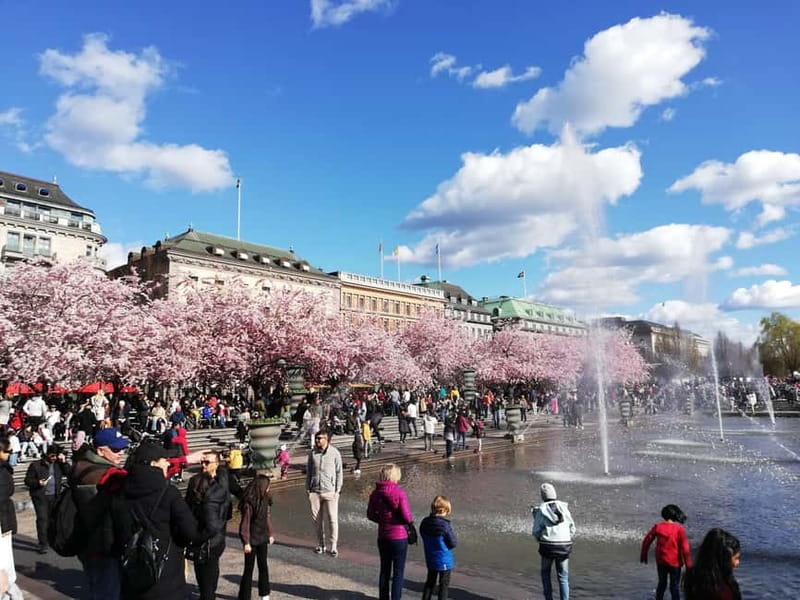
- Kungsträdgården Park: A Quick Green Reset
- Royal Swedish Opera: Another Big Cultural Anchor
- National Museum Finish: Sculpture Garden Payoff
- The Small-Group Advantage: Why Your Questions Matter Here
- Design Shops and Food Markets: How to Shop Without Losing the Plot
- What to Bring (And What to Skip) for a Smooth 3 Hours
- Who This Tour Is Best For (And Who Might Want Something Else)
- Should You Book This Östermalm Architecture & Design Tour?
- FAQ
- FAQ
- How long is the Stockholm: Scandinavian Architecture & Design Östermalm Tour?
- Where do we meet for the tour?
- Is the tour wheelchair accessible?
- What is included in the price?
- Is the tour in English?
- Are flash photography, tripods, or video recording allowed?
- How big is the group?
Key Things You’ll Notice on This Östermalm Tour
- Svampen as the meeting point: you’ll start under the mushroom-like rain cover and spot your guide by a neon name tag.
- Stureplan plus Danieliuska Huset: you get a picture-focused orientation to how the area “grew up” into today’s city vibe.
- Östermalmshallen/Salluhallen food hall stop: a design lesson with a snack-and-stroll payoff.
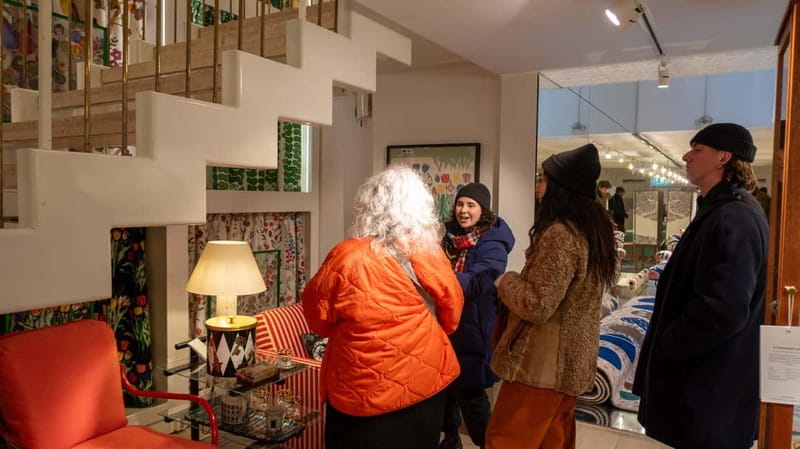
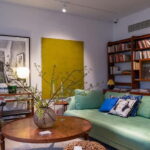
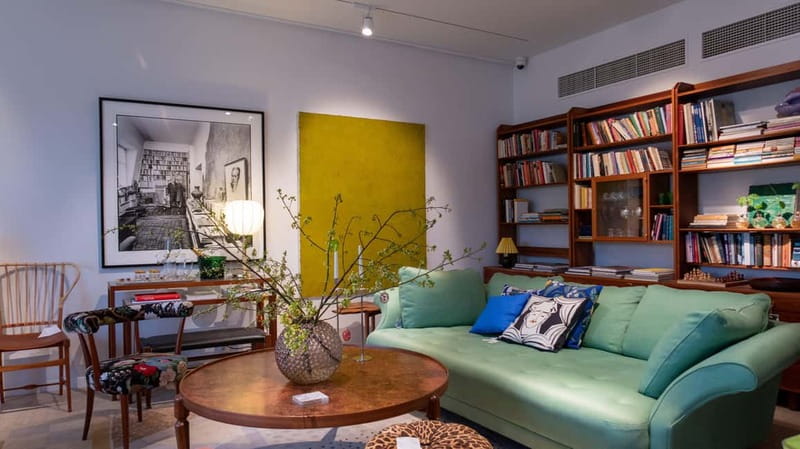
- Nordiska Galleriet and Svenskt Tenn visits: you’ll see how Swedish style moves from objects to fashion and interiors.
- Royal Dramatic Theatre, Opera, and Bergman connections: arts institutions show up as architecture you can actually stand in.
- End at the National Museum’s sculpture garden: a calm finish that turns design talk into something you can see in 3D.
Östermalm’s Street-Level Design: How to Read Stockholm Like a Local
Östermalm is one of those Stockholm neighborhoods where “pretty” isn’t the point. It’s more like a walk through how taste gets made: architecture, fashion, interiors, food halls, and cultural institutions all sharing the same style language.
What makes this tour work is that it doesn’t treat buildings like frozen scenery. You’ll learn to spot patterns: the balance of old and new, how details create mood, and why Swedish design often feels both calm and confident. Even the routes and pauses make sense. You’re not sprinting from photo to photo. You’re stopping long enough to look, then moving on.
And yes, you’ll get that classic Stockholm feeling people love—soft light on stone, water nearby, and a city that still looks composed even when it’s busy. The tour’s own phrasing calls Stockholm the Venice of the North, and after walking these streets, you can see why that comparison sticks.
You can also read our reviews of more tours and experiences in Stockholm.
Price and What You Really Get for $66
At $66 per person for about 3 hours, this isn’t a “cheap-and-cheerful” stroll. But the value is in the structure: you’re paying for a local expert guide, not just access to viewpoints.
Here’s what you’re getting that’s hard to replicate on your own:
- A local expert guide focused on art history, architecture, and Swedish design.
- Visits built around two design house-name shops plus Östermalmshallen food market hall.
- A visit to the National Museum’s sculpture garden, which is a nice way to close with art in open air.
- A small group capped at 10, which helps the guide tailor answers in real time.
- A separate entrance to help you skip waiting where lines can form.
If you like design shopping but hate the “just wandering” feeling, this tour solves it. The guide gives context while you browse, so you’re not guessing why a lamp, chair, or storefront matters. And if you’re mostly an architecture person, the shop stops still function as examples of Swedish taste—not random tourist detours.
Meeting at Svampen: Starting Fast Without Stress
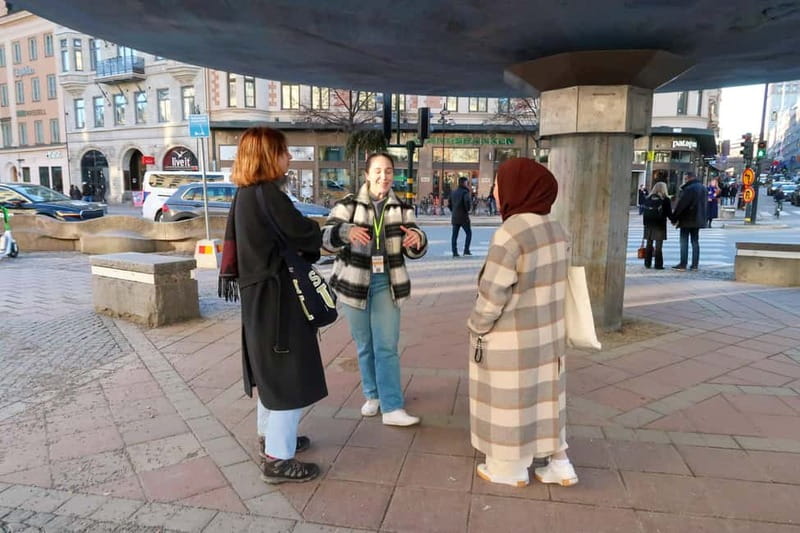
You meet under the raincover at Svampen, the mushroom-looking landmark, and it’s easy to recognize the guide by a neon name tag on a lanyard.
Practical tip: arrive 5 to 10 minutes early. Stockholm moves politely, but you don’t want to start late while everyone else is already lining up. Also plan for the weather. The tour explicitly recommends umbrella and rain gear, and the rules are clear that conditions matter.
This tour also has some photo and behavior boundaries. Flash photography isn’t allowed, and you can’t use tripods or record video. That can be a good thing: it keeps the group flowing and prevents the classic “one person blocks the view” problem.
Stop-by-Stop: What Happens and Why Each Part Matters
Stureplan and Danieliuska Huset: Getting Oriented in 30 Minutes
You’ll begin with a photo stop and guided walk around Stureplan, including Danieliuska Huset. This is a smart first segment because it sets the tone: Stockholm’s city-center design isn’t just decorative—it’s part of social life.
Expect the guide to point out how the buildings create a sense of rhythm around the square. You’ll learn what to look for beyond the obvious “pretty façade,” like how massing and ornament signal different eras and influences. If you’ve ever visited a city and felt like you missed the story, this early stop helps you avoid that.
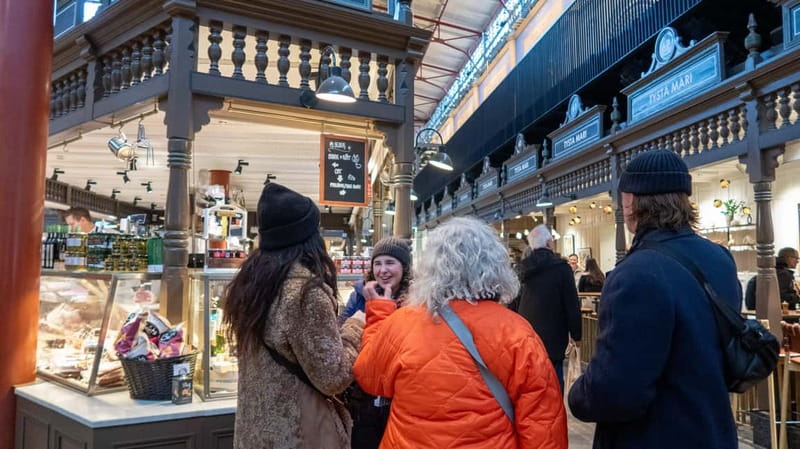
Östermalmshallen (Food Market): Architecture You Can Smell
Next comes Östermalmshallen, the food market hall. This stop is only 30 minutes, but it’s packed with purpose: it shows you how design isn’t confined to galleries.
You’ll get time for a guided look, photo moments, and time to shop and grab local snacks. Since the tour lists regional food and local snacks as part of what you’ll do here, it’s clearly meant as a sensory break—not a “quick look then leave” detour.
One consideration: food halls can be crowded, depending on the time of day. If you’re the type who gets annoyed by tight spaces, keep your expectations realistic. The benefit is that you’ll see how Stockholm’s love of craftsmanship shows up in what people buy and eat, not just how buildings look.
Östermalm District Walk: Fashion and Design Energy
After the hall, you’ll spend time exploring the broader Östermalm district—time for passing views and shopping. This is where the tour earns its title in plain terms: Swedish fashion and design trends are part of daily street life here.
This segment is also a good reset. You’re not stuck in one location. You’re moving through the neighborhood’s design language at walking speed, so the lessons from earlier stops start to connect.
Strandvägen: A Short Break With Big Views
At Strandvägen, you get a break, plus a guided sightseeing walk. Even in a short 15-minute window, this stop matters because Stockholm’s water-and-street relationship is a huge part of how the city feels.
Look for how the buildings face the view and how the street plan shapes sightlines. This is the kind of detail you’d miss if you only took quick pictures. The guide’s job here is to turn “pretty waterfront” into something you can explain back later.
Royal Dramatic Theatre (Bergman Connection): Culture as Architecture
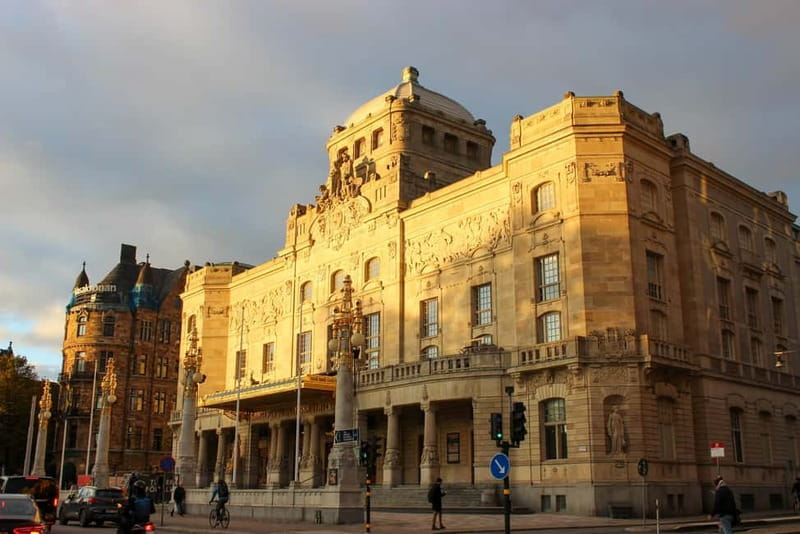
You’ll do a photo stop and guided look at the Royal Dramatic Theatre, with a special nod to Ingmar Bergman. Even if Bergman isn’t your obsession, theaters are great architecture lessons because they’re built for experience: light, acoustics, crowd flow, and presence.
This stop is only about 15 minutes, so you’re not getting a full lecture. But it’s enough time to understand why major Swedish arts institutions aren’t just cultural—they’re landmarks of national identity.
Kungsträdgården Park: A Quick Green Reset
You’ll head to Kungsträdgården Park for photo stops, a visit, and guided notes while you walk. This is a short 10-minute block, but it’s a useful pause. Parks are where you can see the “outside” of the city without the pressure of shopping or buildings.
Use this moment to recharge your eyes. After intense façades and shopfronts, a park helps everything else register better.
Royal Swedish Opera: Another Big Cultural Anchor
Next is the Royal Swedish Opera, with sightseeing and walking time. This is another architecture-and-culture crossroads, and the guide’s likely emphasis is on how these public arts spaces project confidence and tradition at the street level.
If you love grand institutions, you’ll appreciate that you’re not just looking from far away. Walking time is built in, so you can actually see how the opera sits in the city.
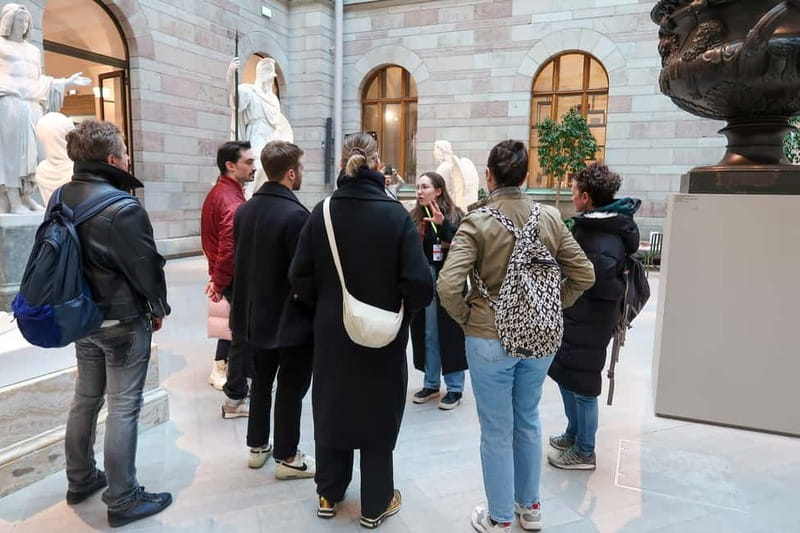
National Museum Finish: Sculpture Garden Payoff
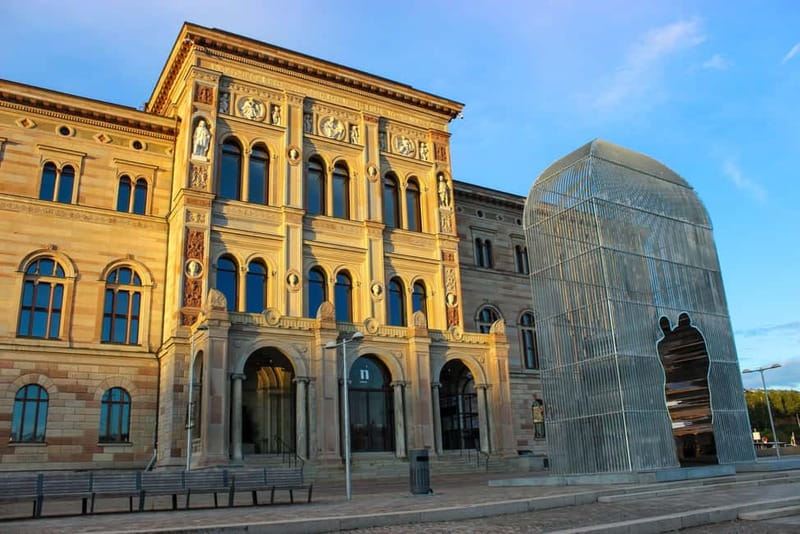
The tour ends at the National Museum, with a photo stop and a guided visit that includes the National Museum’s sculpture garden. There’s also a mention of sunset and scenic views on the way, which tells me the ending is timed for nicer light when conditions allow.
This is a strong finish because it shifts from “facts and names” to something you can experience with your senses: sculpture in open air feels different than indoors. It also makes the design talk stick. When you can see forms from multiple angles, the architecture lessons become easier to remember.
The Small-Group Advantage: Why Your Questions Matter Here
This tour caps at 10 participants, and that matters more than it sounds. With fewer people, your guide can respond to what you’re actually curious about—whether that’s architecture style, design details inside the shops, or how Swedish cultural history shows up in buildings.
Even in the feedback patterns I’ve seen, people liked how friendly and available guides were. One guide name that came up was Olesia, praised as friendly and kind, and another was Franky, described as explaining Swedish art, design, and architecture clearly. That matches the tour format: it’s not just walking; it’s conversation.
There’s also the practical reality that if a guide can’t make it due to illness, the operator may replace them rather than cancel. In at least one case, an English-speaking replacement was arranged and a refund option was available. You’re buying into a guided experience, so it’s good to know the team has a backup plan.
Design Shops and Food Markets: How to Shop Without Losing the Plot
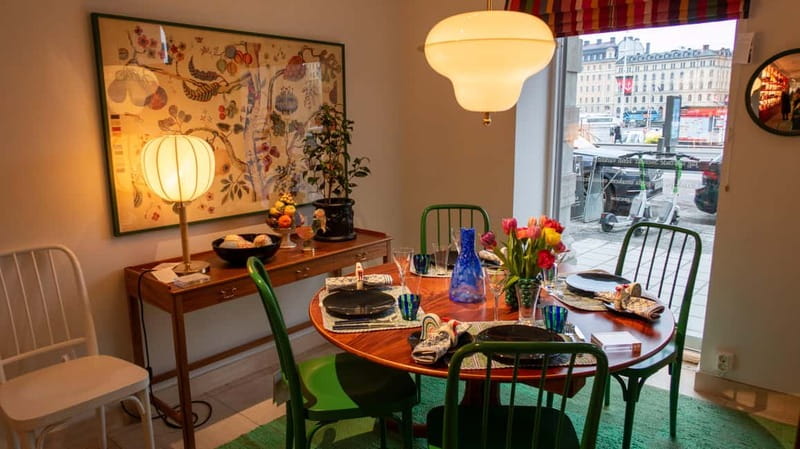
The stops at major Swedish design names are built into the flow, not added as optional extras. The tour includes visits to shops like Nordiska Galleriet and Svenskt Tenn.
You’ll get more value if you treat shop time like research:
- Look for signature design cues (materials, shapes, colors).
- Ask why certain objects feel so “Swedish.”
- Don’t try to buy everything. Decide what you’d actually bring home and use.
If you’re the type who loves to window-shop but hates spending 45 minutes doing it blindly, this tour structure helps you focus. You get context, then you get to browse like a normal person.
And because the tour also includes the food market hall, it avoids the “design-only” trap. Swedish design culture shows up in what people eat and how they gather, not only in what they display in living rooms.
What to Bring (And What to Skip) for a Smooth 3 Hours
The packing list is straightforward: wear comfortable shoes and bring weather protection. Stockholm weather can change fast, and the tour explicitly requests umbrella, hat, sunscreen, rain gear, and sunglasses.
Also bring a charged smartphone for photos (and map checks, if you like). You’ll be moving between key stops, so good footing matters.
Don’t bring anything that the tour rules restrict:
- Flash photography
- Tripods
- Video recording
- Alcohol and drugs
- Strong fragrances
- Weapons or sharp objects
- Luggage or large bags
That rules list is there for everyone’s comfort. If you’re traveling light, you’ll enjoy it more.
Who This Tour Is Best For (And Who Might Want Something Else)
This is ideal for you if:
- You want architecture and design connections, not just “look at this building.”
- You enjoy a neighborhood walk that includes shops and a food hall.
- You like short, guided stops where you can ask questions.
It might feel less ideal if:
- You want a long, museum-style lecture at each major site.
- You’re sensitive to crowds in a food hall environment.
- You’re hoping for lots of free time to wander off on your own.
Remember: the tour packs several major stops into about 3 hours. It’s a curated overview, not a deep dive into one single building or designer.
Should You Book This Östermalm Architecture & Design Tour?
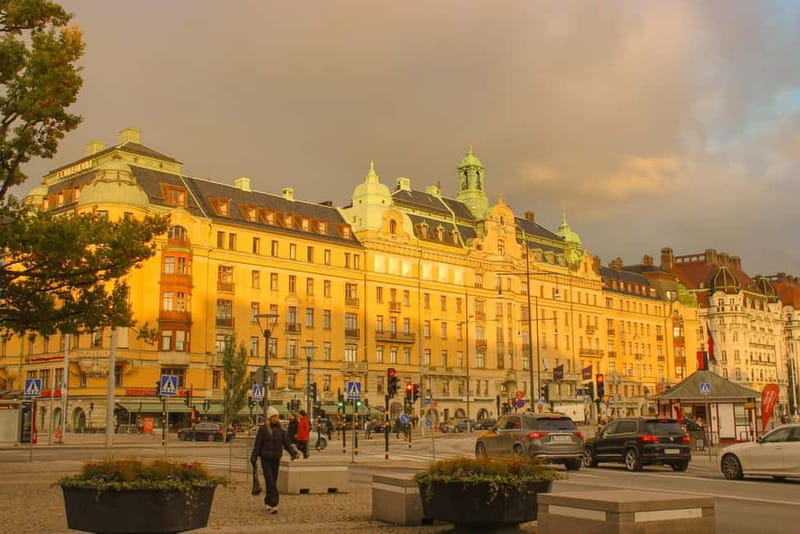
Book it if you want a compact way to understand why Stockholm’s look is so intentional. The mix of landmark architecture, design-focused shop visits, and a food hall stop makes the experience feel lived-in, not just sightseeing.
Skip it (or pair it with additional time on your own) if you’re planning a Stockholm trip where you’ll already spend serious hours inside museums and you only want one theme. In that case, you might prefer a more specialized walking tour or an all-museum day.
If you’re trying to get your bearings and build a design lens fast, this one is a smart pick. It ends with sculpture and an easy-to-remember cluster of sights, so you leave with images and context that actually connect.
FAQ
FAQ
How long is the Stockholm: Scandinavian Architecture & Design Östermalm Tour?
The tour duration is listed as 3 hours.
Where do we meet for the tour?
You meet under the raincover at Svampen, which looks like a mushroom. Aim to arrive 5 to 10 minutes early.
Is the tour wheelchair accessible?
Yes, the activity is wheelchair accessible.
What is included in the price?
Included are a local expert guide on art history, architecture, and Swedish design; visits to 2 design shops; a visit to Östermalm’s food market hall; and a visit to the National Museum’s sculpture garden.
Is the tour in English?
Yes, the live tour guide is English.
Are flash photography, tripods, or video recording allowed?
No. Flash photography, tripods, and video recording are not allowed.
How big is the group?
The tour is a small group limited to 10 participants.