REVIEW · HANGZHOU
Hangzhou Private Architecture Day Tour
Book on Viator →Operated by China Private Tours · Bookable on Viator
Hangzhou’s architecture reads better with context. I like the private guide who connects Qing gardens, Song street planning, and tea culture into one story, and I like the round-trip pickup that keeps the day calm instead of frantic. One thing to plan for: meals aren’t included, so you’ll want to budget time and money for lunch.
The route is built for a full day of contrasts: peaceful old courtyards in one hour, then stone-paved imperial space, then modern high-rises by the river. With an air-conditioned private vehicle, bottled water, and a schedule that stays roughly on time, this works well if you want big sights without stitching together buses and tickets on your own.
A quick note on value: the price is about $113.37 per person, and the day mixes included entry fees with stops that are free. That balance matters, because you’re not just paying for a driver—you’re paying for a guide who helps you see what you’re looking at.
In This Review
- Key highlights to look for on this Hangzhou private tour
- Qing Dynasty Guo’s Villa: Sky in the Mirror and Living in Quietness
- Meijiawu Tea Culture Village: Dragon Well tea country near West Lake
- Hu Xueyan’s former residence: merchant power shown in towers and quiet courtyards
- Southern Song Imperial Street: 4,185 meters, more than 10,000 flagstones, and a city’s axis
- Hangzhou City Balcony: finishing with Qiantang River views and high-rise modernity
- Price and logistics: what $113.37 buys on a full-day private route
- Who this Hangzhou private architecture day suits best
- Should you book this Hangzhou Private Architecture Day Tour?
- FAQ
- What time does the Hangzhou Private Architecture Day Tour start?
- How long is the tour?
- Is hotel pickup and drop-off included?
- Is the tour private or shared?
- What language is the guide?
- Are entrance fees included?
- Is lunch included?
- Is there a vegetarian option?
- Do I need to bring tickets?
- Can I cancel and get a full refund?
Key highlights to look for on this Hangzhou private tour
- Qing Dynasty Guo’s Villa: Sky in the Mirror and Living in Quietness, plus a pavilion-style courtyard layout
- Meijiawu Tea Culture Village: Dragon Well Longjing roots, with eight themed areas to wander
- Hu Xueyan’s former residence: merchant-era power shown through towers, gardens, bridges, halls, and quiet living quarters
- Southern Song Imperial Street: 4,185 meters of historic axis planning and more than 10,000 flagstones
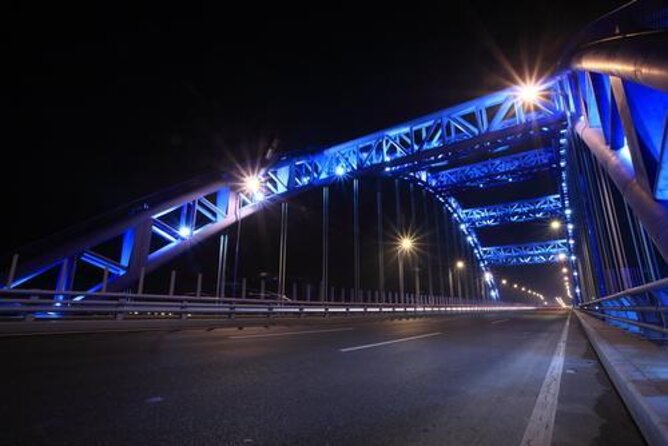
- City Balcony / Qiantang river skyline: modern Hangzhou’s high-rise edge, including buildings over 300 meters
- Hotel or station pickup: a private English-speaking guide and easy two-way transfers
Qing Dynasty Guo’s Villa: Sky in the Mirror and Living in Quietness
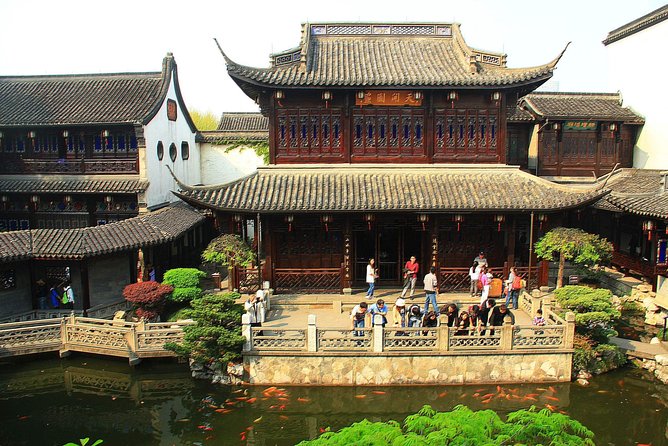
Your first stop is Guo’s Villa, a garden-like Qing Dynasty property that dates back nearly 140 years. It covers about 9,800 square meters, which is big enough to feel like a world, but not so large that you lose the thread of what to look for. Expect around 40 minutes here, with the admission ticket included.
What I like about this villa is the way it’s split into two distinct moods. The northern section is called Sky in the Mirror, and the southern section is Living in Quietness. Even if you don’t speak the local architectural language, you can feel the difference: one side leans more into garden views and reflective calm, while the other reads more like a residential life carved around courtyards.
You’ll also notice the classic pavilion-house setup with a courtyard. That courtyard pattern matters in Hangzhou because it’s how so many traditional spaces stayed cool, controlled views, and protected daily life from too much exposure. If you’re the kind of person who likes to understand why a building is built that way, this is a strong first stop.
A practical consideration: gardens and courtyards can be slow going, especially if it’s bright and you keep stopping to look at details. Wear comfortable shoes and give yourself permission to go a bit at your own pace inside the 40 minutes.
Meijiawu Tea Culture Village: Dragon Well tea country near West Lake
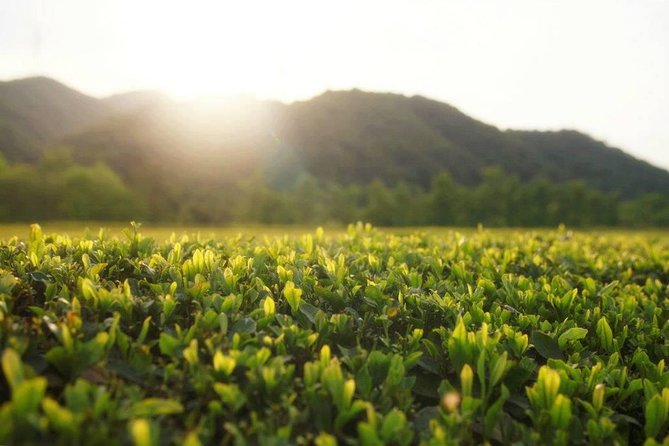
Next comes Meijiawu Tea Culture Village, located to the west of the West Lake Scenic Area. This village has over 600 years of history and is closely tied to the production of world-famous West Lake Dragon Well Tea (Longjing). You’ll have about 1 hour here, and the admission is free.
Meijiawu is also described as a major natural village setting that you can still walk through at a human scale, instead of feeling trapped inside a souvenir-only zone. That matters because tea villages are often “themed” in a way that makes them feel like sets. Here, you get the sense of daily rural rhythm—tea culture as a lifestyle, not only a product.
The village is organized into eight tourist sections, including a tea culture tourist center, a rural leisure area, and a fishing village. That layout is helpful: you can choose where to spend your time without getting lost. If you want the story side, start near the tea culture areas. If you want scenery and slower walking, lean toward the rural and fishing sections.
What to watch for: you’ll likely come across tea-related demonstrations or sales, but the goal of this stop is your walk-through context—how the village connects to the famous Longjing tea growing region. If you’re visiting in warm weather, bring water (you’ll have bottled water on the tour) and consider light sun protection.
Hu Xueyan’s former residence: merchant power shown in towers and quiet courtyards
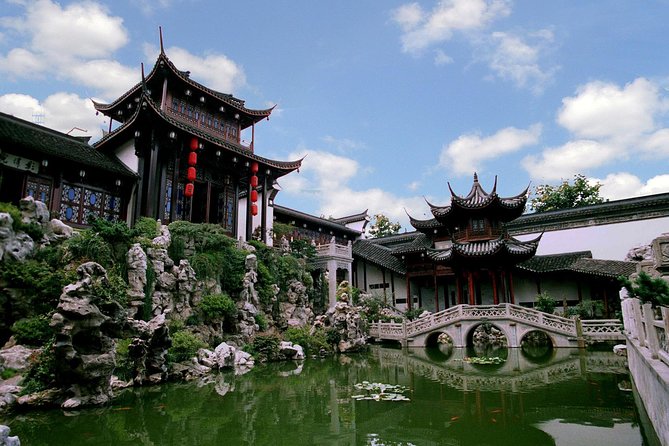
After lunch, you head to the Former Residence of Hu Xueyan. Hu Xueyan (1823–1885) was a major Hangzhou businessman and one of the richest figures in the Qing era. Here’s why this stop is so engaging: the residence isn’t just pretty—it’s a physical snapshot of wealth, status, and how a merchant family moved through spaces.
You’ll have about 50 minutes, and admission is included. The residence is in downtown Hangzhou, and it can feel like a maze at first: towers, gardens, pavilions, terraces, arched bridges, palatial halls, and serene living quarters all appear as connected pieces rather than one single building.
That mix is the point. Traditional Chinese residences often used layered architecture to express hierarchy and privacy. Wealth could show up in materials and spatial planning, while gardens and courtyards offered breathing room. The description of Hu’s place includes architecture, philosophy, and folklore customs that still feel alive through the layout and details you’ll see.
A consideration: because it’s a complex site, you’ll get the most out of it when you have someone guiding your attention. This is exactly where a private English-speaking guide earns their keep—your guide can point out what’s symbolic and what’s practical, so you’re not just walking from room to room.
Southern Song Imperial Street: 4,185 meters, more than 10,000 flagstones, and a city’s axis
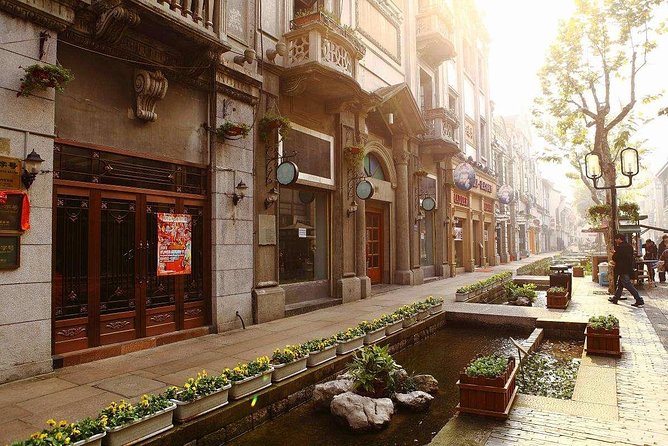
Next is Southern Song Imperial Street, a key historic avenue that served as the central axis of Linan city during the Southern Song Dynasty. This stop runs about 1 hour, and admission is free.
The scale numbers here help you understand the engineering. According to records tied to the site, more than 10,000 flagstones were used. The street stretched about 4,185 meters, which is long enough that you’ll experience it more like a route than a single monument.
Along the way, there are 13 historical and cultural relics and buildings, with Phoenix Temple singled out as a key national cultural relic protection unit. Even if you only catch parts of the street in motion, it still helps to recognize the design idea: this wasn’t a casual street. It was planned to structure the city around power, movement, and civic life.
What I’d do with your time: walk the street with a slightly slower pace than you think you need. Street history can feel abstract until you connect the length to the idea of a ceremonial axis. If you’re the kind of person who likes mapping places to what they meant in daily life—this one clicks.
One note for comfort: long paved walks can add up. Since this is still early or mid-afternoon depending on how lunch goes, wear shoes that handle stone surfaces.
Hangzhou City Balcony: finishing with Qiantang River views and high-rise modernity
The tour’s last stop is Hangzhou City Balcony, tied to the Qiantang River and known as the central business district area. Expect about 30 minutes, and admission is free here too.
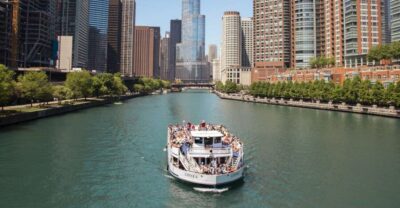
It’s a smart way to close the day because you leave behind the courtyards and stone streets and see modern Hangzhou’s scale. The area includes high-rise buildings, with some towers measuring over 300 meters. Even with a short stop, you can see the contrast: Hangzhou’s “old water-and-garden logic” gives way to “city growth logic.”
If you’re visiting Hangzhou for more than sightseeing photos, this stop gives you a grounded sense of how the city keeps rebuilding itself while still marketing its cultural identity. It’s not just skyline for skyline’s sake; it’s the business-and-trade engine that has helped fuel tourism development over time.
A small practical point: city-district stops can feel windy or bright if the sun’s strong. Keep an eye on weather and bring a layer if you’re sensitive to temperature swings near open river areas.
Price and logistics: what $113.37 buys on a full-day private route
At $113.37 per person for about 7 hours, this is priced in the “worth it if you’ll use it” category. Here’s why.
You get a private, air-conditioned vehicle plus a professional English-speaking guide, bottled water, and hotel or station pickup and drop-off in Hangzhou downtown. You also get a mix of included entry tickets and free admissions: Guo’s Villa and Hu Xueyan’s former residence include tickets, while Meijiawu, Southern Song Imperial Street, and City Balcony are listed as free.
That matters because admissions can add up quickly when you’re doing a full architecture day. This tour avoids that “surprise cost creep” feeling, at least based on what’s stated.
The private format is also the real value driver. You aren’t just shuttled between sites—you have someone to help you connect the dots. And the day flows in a way that makes sense: Qing garden calm, tea village walking, merchant residence complexity, Song imperial planning, then a skyline finish.
One small drawback to keep in mind: lunch isn’t included. So if you hate making decisions mid-day, you’ll want to ask your guide (in advance or at the start) what timing they’ll suggest for eating based on the day’s schedule.
Who this Hangzhou private architecture day suits best
This is a strong fit if you like:
- Architecture and layout details, not only big-name attractions
- Tea culture as a real place (Meijiawu) rather than a quick tasting stop
- Short, structured sightseeing days where you still want time to look and ask questions
- A private guide setup, especially if your Chinese reading is limited
It also makes sense for families with kids, since children must be accompanied by an adult, and you can keep the day more controlled with your own pace.
If you’re eating with restrictions, there’s a stated vegetarian option available—tell the operator at booking and include any specific dietary requirements. That’s helpful, especially since meal inclusion isn’t guaranteed.
A final quality note: one guide name that comes up in praise is Jill, specifically for being an excellent tour guide. That kind of feedback matters because architecture and cultural sites can turn into “just walls” without someone helping you see structure and meaning.
Should you book this Hangzhou Private Architecture Day Tour?
If your goal is a one-day sweep of Hangzhou’s culture—Qing gardens, tea village life, imperial street planning, and a modern skyline finish—this private tour is a solid booking. You get hotel/station convenience, a guide who can explain what you’re seeing in English, and a day structure that balances slow courtyards with longer walks.
Skip it only if:
- You don’t care about the “why” behind architecture and history, and you’d rather follow a simple checklist
- You want a meal included in the price (this one doesn’t include meals)
- You’re traveling with a very tight schedule and can’t spare about 7 hours even with pickup handled
For most people who want value and clarity in one day, this tour does the job: it turns Hangzhou’s architecture into a storyline you can walk through.
FAQ
What time does the Hangzhou Private Architecture Day Tour start?
The tour starts at 9:00 am.
How long is the tour?
The duration is about 7 hours.
Is hotel pickup and drop-off included?
Yes. Pickup and drop-off are included from Hangzhou downtown hotels and from the Hangzhou train station.
Is the tour private or shared?
It’s private. Only your group participates.
What language is the guide?
The tour includes a professional English-speaking guide.
Are entrance fees included?
Guo’s Garden and the Former Residence of Hu Xueyan include admission tickets. Meijiawu Tea Culture Village, Southern Song Imperial Street, and Hangzhou City Balcony are listed as free admission.
Is lunch included?
No. Meals aren’t included.
Is there a vegetarian option?
A vegetarian option is available. You should advise the operator at booking if you need vegetarian meals, along with any dietary requirements.
Do I need to bring tickets?
A mobile ticket is included.
Can I cancel and get a full refund?
Yes, you can cancel for free up to 24 hours before the experience starts for a full refund. If you cancel less than 24 hours before, the amount paid won’t be refunded.