REVIEW · HANOI
Coffee, History, and Architecture of the French Quarter
Book on GetYourGuide →Operated by ONETRIP WITH LOCAL TRAVEL CO., LTD · Bookable on GetYourGuide
French Quarter history can sound heavy. This one stays fun, with Vietnamese coffee and real architecture. You get a guided, conversational tour of Hanoi’s French-era corners, plus stops that make the past easier to picture. I like that the tour pairs big stories with small, see-it-in-front-of-you details, and it ends with the crowd-pleaser Trang Tien ice cream.
What I also really like: the coffee start in an Old French villa, where egg coffee is part of the experience. You get to ask questions and keep things moving at a relaxed walking pace, even while you cover French influence and Vietnam War-era themes.
One thing to consider: it’s a rain-or-shine walking tour. Bring a hat and comfortable shoes, and if showers roll in, you’ll want an umbrella or raincoat so the day stays enjoyable.
In This Review
- Key highlights in plain terms
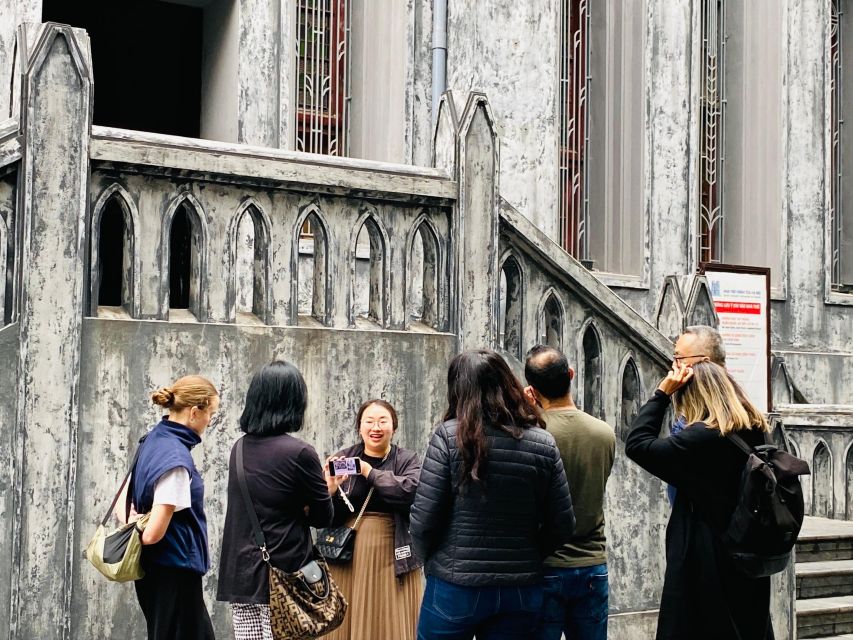
- Meeting at 6 Au Trieu: Starting beside St. Joseph’s Cathedral
- Vietnamese coffee in a secret French villa: The best way to start
- St. Joseph’s Cathedral to the First Coffee Break: What you’ll notice
- The French Quarter walking portion: Architecture with a purpose
- Hanoi Opera House: Classic silhouette, explained fast
- Hoan Kiem Lake: Where stories meet everyday Hanoi
- Sofitel Legend Metropole Hanoi: A landmark with a long shadow
- Trang Tien: Ice cream, street energy, and French Quarter rhythm
- Finishing at Hanoi University of Pharmacy: The walk lands where life continues
- Price and value: What $31 buys you
- Who this tour suits best (and who might want something else)
- Practical tips so you enjoy every minute
- FAQ
- How long is the Coffee, History, and Architecture of the French Quarter experience?
- Where does the tour start and how close is it to St. Joseph’s Cathedral?
- Where does the tour end?
- Is the tour in English?
- What food and drinks are included?
- How many sights will we see?
- Is there a break during the tour?
- Does the tour run in bad weather?
- What should I bring to enjoy the walk comfortably?
- What is included besides the food?
- Should you book this French Quarter tour?
Key highlights in plain terms
- Old French villa coffee start: Vietnamese coffee time before you hit the streets
- French Quarter architecture focus: you’ll look at buildings, not just landmarks
- 15+ sights in 2.5 hours: fast pace, but with breaks for coffee
- Photos help you place the events: your guide uses famous images to connect history to places
- Trang Tien ice cream stop: a proper break with seating and a restroom nearby
- Route includes the Opera House, Hoan Kiem Lake, and Metropole: classic Hanoi sights, explained simply
Meeting at 6 Au Trieu: Starting beside St. Joseph’s Cathedral
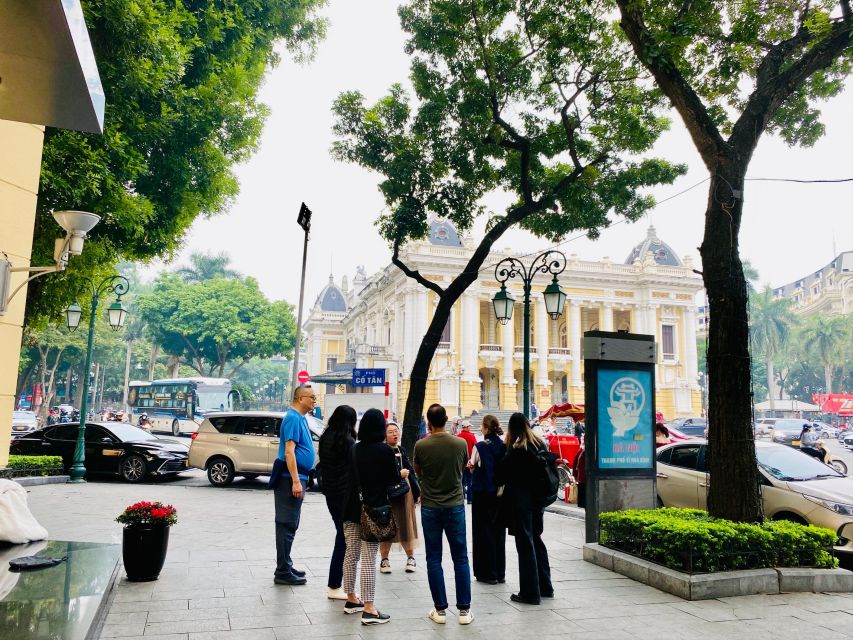
Most walking tours start with, here’s the map, good luck. This one starts with a landmark that tells you exactly what kind of story you’re about to hear: St. Joseph’s Cathedral.
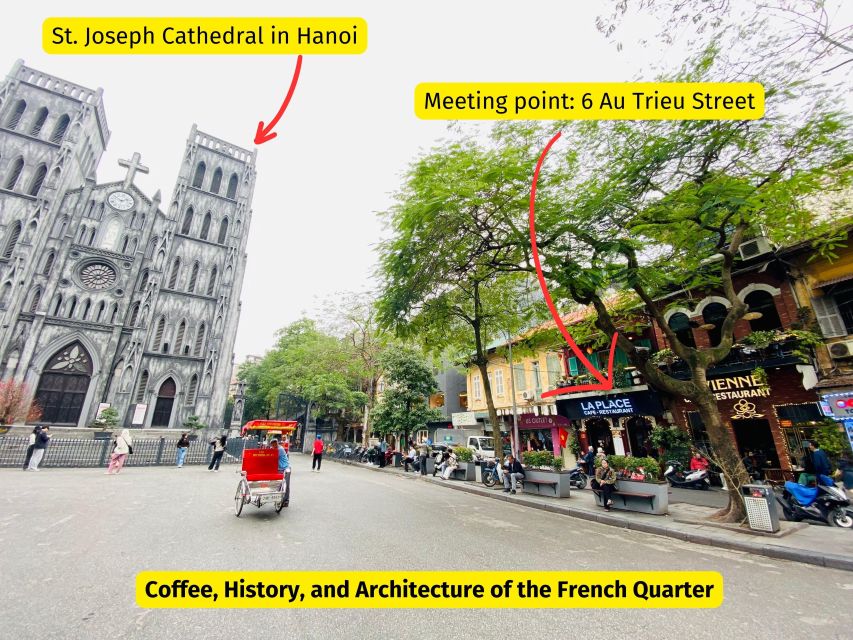
You’ll meet at 6 Au Trieu street, right next to the cathedral. It’s a practical setup because you’re already in the middle of the French Quarter atmosphere, not wandering to it. And it’s helpful for first-timers: once you’re near this church, the rest of the area starts to make sense fast—wide streets, French-influenced building styles, and the kind of city planning that feels different from other parts of Hanoi.
After a short warm-up, you’ll begin the walk toward the key sights. Expect a guided flow that mixes quick orientation with real explanations. It doesn’t feel like a lecture, and you can steer the questions if something catches your interest.
Vietnamese coffee in a secret French villa: The best way to start
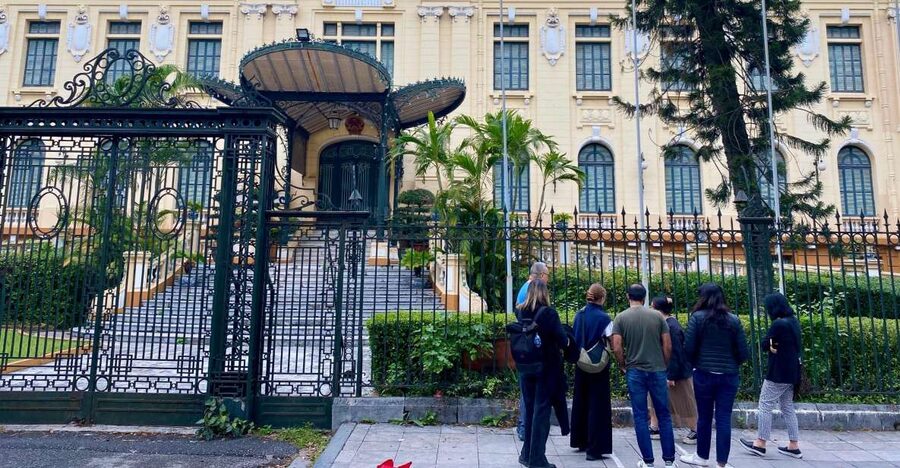
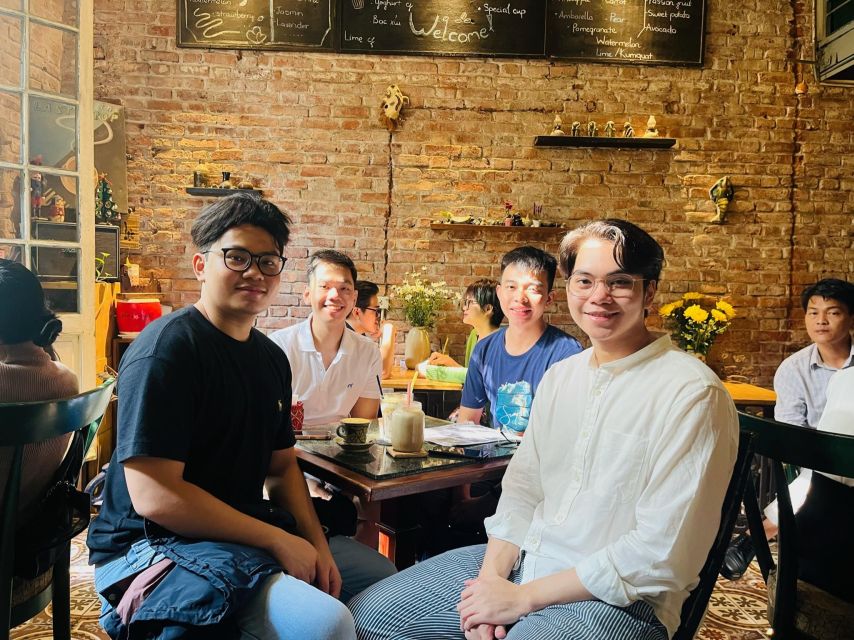
If you care about food and culture, you’ll appreciate how the tour begins. Before you cover French rule and war-era history, you pause for a cup of authentic Vietnamese coffee/tea at a local café set in an Old French villa setting.
This isn’t just a caffeine stop. It’s a tone-setter. Coffee in Vietnam has its own personality—strong, sweet, and often made in a way that feels both everyday and special. And because the tour ties the drink to Vietnamese history and society, it helps you understand why the French period mattered beyond politics and buildings.
One detail that shows up again and again in the experience: you’re served coffee in that French-villa atmosphere, and egg coffee is part of the day’s food highlight. If you like tasting before you learn, this is a great order. You’ll get a better “why” for what you’re seeing later on the walk.
St. Joseph’s Cathedral to the First Coffee Break: What you’ll notice
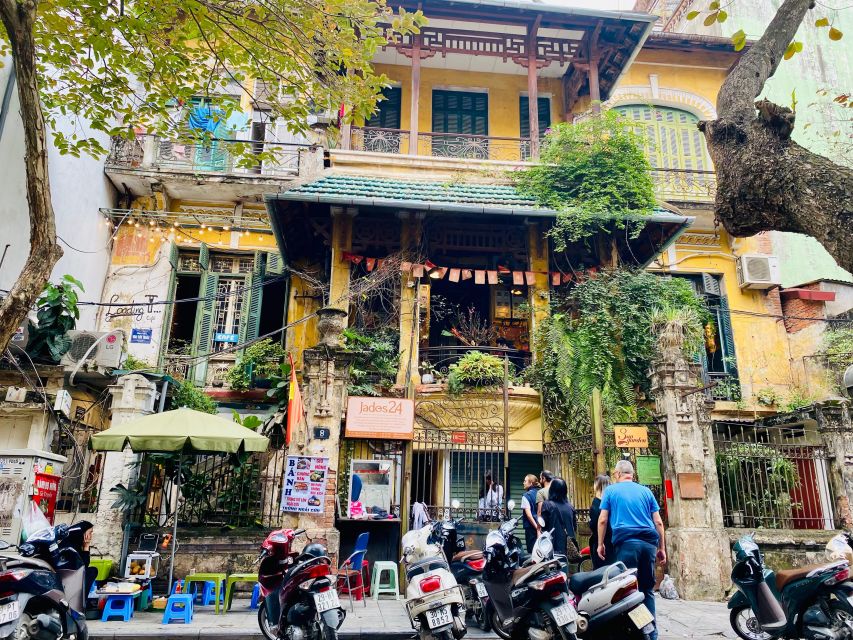
From the start area, the tour naturally works in a “look closely” mode. You’ll get a break that includes coffee and guided time, then you move on.
At St. Joseph’s Cathedral, pay attention to the way the building feels formal and European, but how the neighborhood energy still reads as intensely Vietnamese. That contrast is kind of the whole theme of the French Quarter. Your guide points out architectural traits and explains French influences in Hanoi, then quickly connects that to changes in daily life and society.
Then comes a second coffee moment at a local café (about 30 minutes). This gives you time to slow down, sip, and actually hear the guide’s conversation rather than just catching sound bites while walking.
If you want value, this is where you get it: two coffee moments plus guided context, all folded into a 2.5-hour loop. It’s not “here’s coffee, goodbye.” It’s coffee as a storytelling tool.
The French Quarter walking portion: Architecture with a purpose
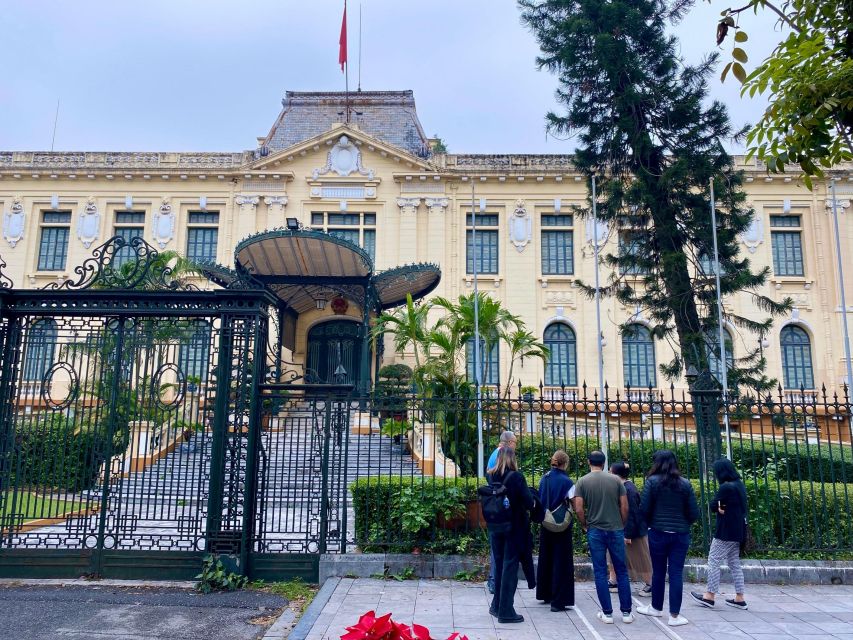
After the coffee breaks, the tour shifts into pure walking through the French Quarter. This part is the “see the city” section, with short, focused segments where your guide covers what to look for and why it matters.
You’ll get a guided stretch that focuses on the French Quarter’s past and present, with a quick discussion of the good and the bad of French rule in Vietnam. The style stays conversational, not scripted. That matters because architecture can be hard to interpret if you’re staring at it alone.
Here’s how to make the most of this segment: when you hear a point about style—building frontage, windows, street rhythm, or that European-meets-local feel—repeat it to yourself as you walk. If you keep mentally tagging what you’re seeing, the 15-minute bursts don’t feel rushed. They feel like guided “spotlight moments.”
This is also where those historical photos come in handy. Your guide uses famous images during the walk to help you connect the architecture and streets to events you’ve heard about but never placed on a map.
Hanoi Opera House: Classic silhouette, explained fast
One of the bigger named stops is the Hanoi Opera House. The guide gives you a short guided segment (around 15 minutes), focused on what the building represents and how French-era planning left visible marks.
Even if you’re not a “history person,” you’ll likely like this stop because opera houses are symbols. They suggest ambition, culture, and status. In Hanoi, you’re seeing how that symbolism took shape under French influence—and then how the city’s later modern identity layered over it.
A practical tip: spend those 15 minutes looking from multiple angles. If you only look straight on, you miss the way the façade and surroundings frame the building. Your guide’s explanation helps, but your eyes do the rest.
Hoan Kiem Lake: Where stories meet everyday Hanoi
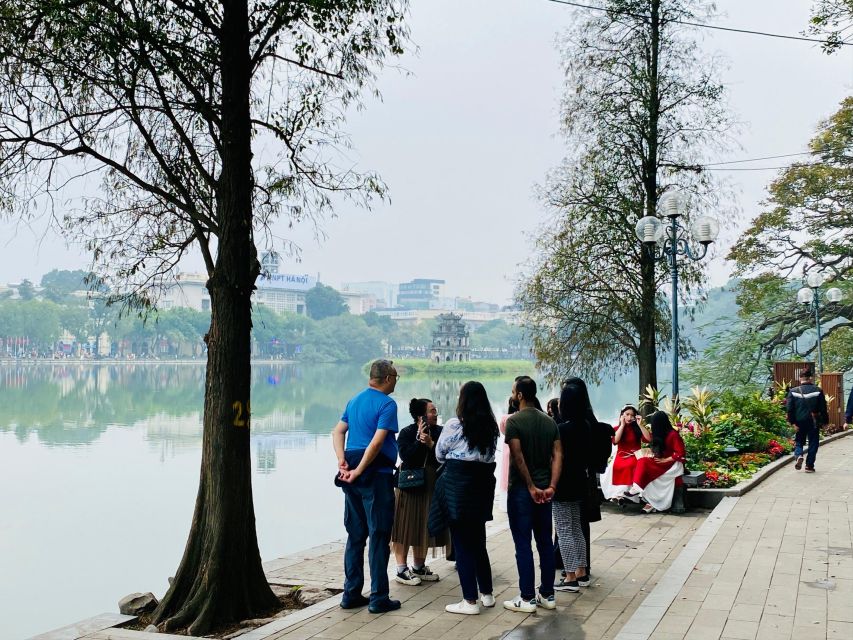
Next up is Hoan Kiem Lake, one of Hanoi’s central anchors. The tour gives another guided segment (about 15 minutes), tying the French Quarter story back into the wider city.
This stop works because it keeps you from treating the French Quarter like a museum district. Hoan Kiem is lived-in. People stroll, sit, and move around the lake day-to-day. So when your guide talks about shifts in society under French rule and later decades, the place feels less abstract.
How to enjoy this part: don’t rush. Take a minute to look across the water and notice how the lake creates a visual break from the straight-line architecture of the Quarter. It’s an easy way to understand how Hanoi keeps multiple layers visible at once.
Sofitel Legend Metropole Hanoi: A landmark with a long shadow
Then you’ll pass by the Sofitel Legend Metropole Hanoi. This stop is brief (around 15 minutes), but it’s a smart inclusion because it connects French colonial-era prestige to a modern luxury setting.
You’re not meant to tour inside here for a long time. The point is to stand near the building and understand what kind of power and “place-making” the French period represented in Hanoi. Then you connect it to the bigger story your guide is tracking through the route.
If you’re the type who likes seeing how history survives in real infrastructure, this is a strong moment. The guide helps you interpret it without turning it into a lecture. And you’ll appreciate the pacing—quick enough to keep momentum, long enough to absorb what you’re looking at.
Trang Tien: Ice cream, street energy, and French Quarter rhythm
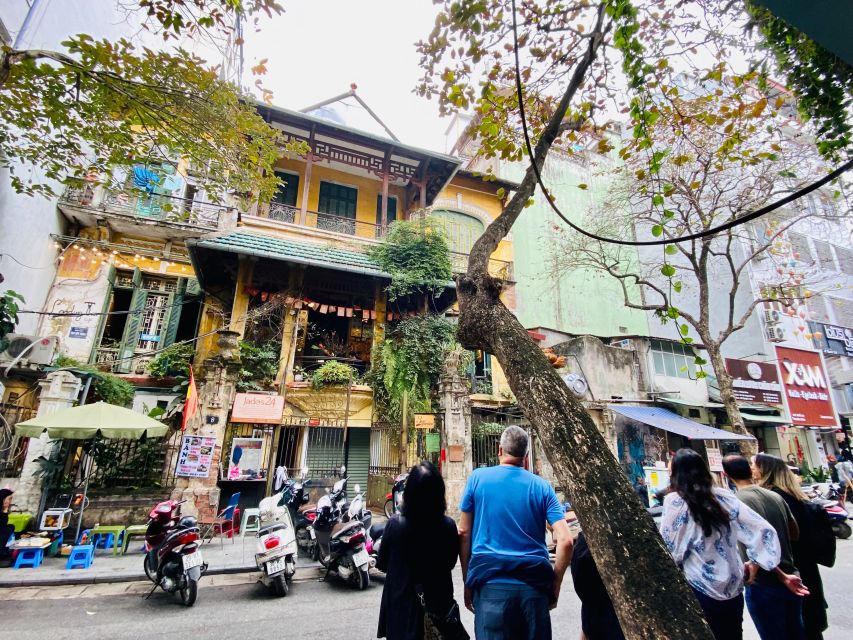
The tour ends with one of the most crowd-friendly moments in Hanoi. Trang Tien is where you’ll visit Trang Tien ice cream parlor, a famous local spot. Coffee and architecture started the story; ice cream closes it in a very Hanoi way.
The experience includes ice cream, with seating available and a restroom nearby. That matters more than you might think in a 2.5-hour walking tour. It’s not just a snack. It gives you a chance to reset before you finish.
After the ice cream, you’ll get a final guided segment around Trang Tien and the surrounding area, focused on the French Quarter’s street texture and how the city’s identity shows up in daily life.
If you’re thinking about what to order, keep it simple. Pick what looks best to you, then slow down and enjoy it. This is your reward for walking, listening, and looking closely for details you’d miss on your own.
Finishing at Hanoi University of Pharmacy: The walk lands where life continues
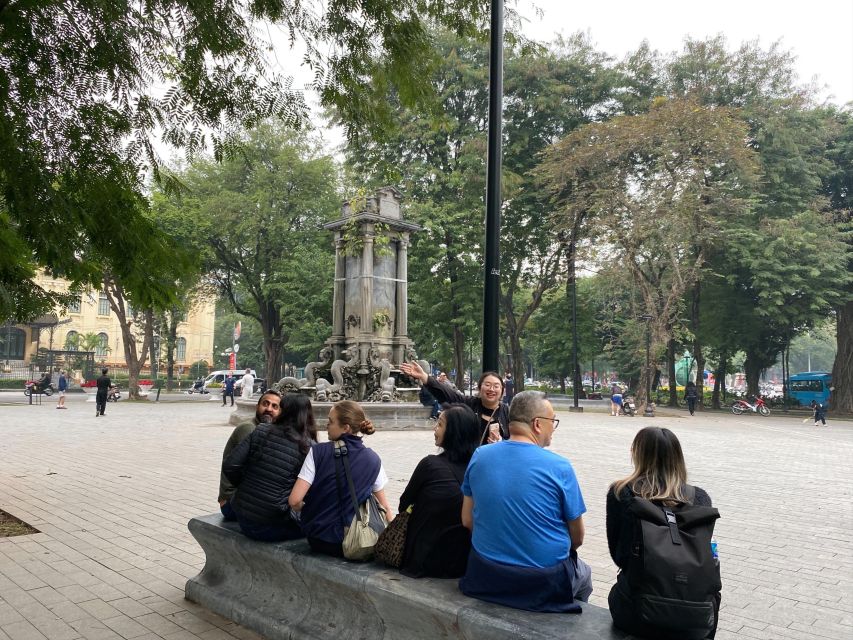
The tour finishes at Hanoi University of Pharmacy. It’s a thoughtful end point because it doesn’t dump you back into a landmark-only zone. By the time you reach the finish, you’ve walked past several icons and you’ve also learned how the French influence threads into the city’s modern flow.
Practically, it’s a good “wrap” stop. You can transition from the tour into the rest of your day without needing another long transfer across town right away.
If you like to keep your itinerary flexible, you’ll appreciate how the route stays compact. In a short time, you cover major French-era sights plus a couple of core Hanoi anchors.
Price and value: What $31 buys you
At $31 per person for about 2.5 hours, this tour feels like solid value for a few reasons.
First, your money doesn’t just cover guiding. You also get Vietnamese coffee/tea plus ice cream included. That already offsets a chunk of the cost in a city where food and drinks can add up fast.
Second, you’re getting 15+ top sights in a short walking loop, with guided time at major anchors like St. Joseph’s Cathedral, the Hanoi Opera House, Hoan Kiem Lake, and Metropole. That’s efficient if you don’t want to spend half a day piecing together an architecture route by yourself.
Third, the guide uses famous photos during the tour. For many travelers, that’s the difference between “I saw buildings” and “I understand what the buildings represented in context.”
The one tradeoff is time. You’ll be walking, and the stop explanations are tight. If you want ultra-long stays at each photo op, you may wish you had more time. But for most people, the pacing hits the sweet spot: enough time to learn, not so much that you get bored.
Who this tour suits best (and who might want something else)
This experience fits you if you want:
- A walking tour with real conversation and room for questions
- A coffee-and-architecture combo instead of pure sightseeing
- A quick but structured French influence and Vietnam War-era overview tied to locations
- A guide who can explain architecture in a way that actually connects to life
It may not be your best match if you hate walking through busy streets or you need long sit-down time at every stop. This is built for a steady pace with brief breaks, not a slow café crawl.
Practical tips so you enjoy every minute
The tour runs rain or shine, so come ready. Here’s what I’d plan around:
- Comfortable shoes: the route is walking-heavy
- Sunscreen and a hat: the sun can hit between stops
- Breathable clothing: Hanoi weather can make short walks feel long
- Umbrella or raincoat: your best friend if showers show up
Also, since the whole experience is designed around discussion, don’t be shy about asking your guide questions on:
- How French colonial architecture shows up on the street
- How coffee culture links to Vietnamese daily life
- Practical food recommendations for after the tour
In past tours, guides like Mina and Dung have been praised for being funny, friendly, and quick to answer questions. That kind of energy makes it easier to keep up with the story.
FAQ
How long is the Coffee, History, and Architecture of the French Quarter experience?
It lasts about 2.5 hours.
Where does the tour start and how close is it to St. Joseph’s Cathedral?
The meeting point is 6 Au Trieu street, right next to St. Joseph’s Cathedral of Hanoi.
Where does the tour end?
The tour finishes at Hanoi University of Pharmacy.
Is the tour in English?
Yes. The tour guide speaks English.
What food and drinks are included?
You get a cup of Vietnamese coffee/tea in an Old French villa setting, and ice cream at the Trang Tien ice cream parlor.
How many sights will we see?
The tour highlights 15+ top sights in the French Quarter.
Is there a break during the tour?
Yes. There are coffee and local café stops, including a break that includes coffee.
Does the tour run in bad weather?
It operates rain or shine, so bring an umbrella or raincoat if rain is expected.
What should I bring to enjoy the walk comfortably?
Bring sunscreen, breathable clothing, a hat, and comfortable shoes.
What is included besides the food?
There are famous photos available during the tour to help you understand historical events linked to the places you visit.
Should you book this French Quarter tour?
Yes, if you want an efficient, feel-good introduction to Hanoi’s French Quarter. The mix of French-era architecture, a conversation-style guide, and included Vietnamese coffee plus Trang Tien ice cream makes it more than a checklist. You’ll leave with a clearer sense of how French influence—and later Vietnam War-era themes—show up in specific streets and buildings, not just in vague history talk. Just come ready for weather and walking, and you’ll get a lot out of your 2.5 hours.